What are the characteristics of Dominican coffee? Hand brew recommendations for Dominican coffee | Dominican Coffee

The Hidden Gem: Dominican Coffee
Possessing the same varieties and terroir conditions as Blue Mountain coffee, grown at even higher altitudes, and in recent years devoted to organic farming, Dominican coffee is a fine coffee that connoisseurs have too often overlooked.
Geographical and Historical Background
The Dominican Republic shares the island of Hispaniola with Haiti. Like its neighbor, the Dominican Republic has seen revolutions and poverty throughout its history, but it now holds democratic elections and the country is relatively stable. Coffee cultivation began there in the early 18th century. The finest production area is the Barahona region in the southwest, but Juncalito and Ocoa also produce a premium coffee—Santo Domingo coffee—characterized by a fresh, elegant flavor, full-bodied beans, excellent acidity, and a pleasant aroma, making it excellent value. Unlike coffee produced in Haiti, most coffee grown in the Dominican Republic is washed, which is itself a mark of high quality.
Climatic Conditions
The earliest coffee in the Dominican Republic was introduced from Martinique, a French overseas department, in the early 18th century. The Dominican Republic is an island nation with a tropical climate where temperatures change very little through the year. Except in the Cordillera Central mountain region, where winter temperatures can drop below 0°C, the average annual temperature elsewhere ranges between 25-30°C. Because of the mountainous terrain, the northern and eastern regions face the northeast trade winds and receive 1,500-2,500mm of annual precipitation, creating a tropical marine climate. The mountain forests are dense, while the leeward southwestern region receives 500-1,000mm of annual rainfall with a longer dry season, giving it a tropical savanna climate.
Premium Growing Regions
The Dominican Republic's mild climate favors coffee cultivation. The best coffee production areas are the Barahona region in the southwest and the Cibao Valley north of the country's second-largest city, Santiago. The northern region, represented by Cibao, as well as southern areas including Ocoa, Bani, and Santo Domingo, all produce premium coffee. Among these, coffees from Santo Domingo and Bani are world-renowned, having become almost synonymous with Dominican coffee.
Coffee Processing Methods
All coffee in the Dominican Republic is hand-picked, using sophisticated harvesting techniques during the season to process each ripe coffee cherry quickly and carefully. This labor-intensive method ensures the highest-quality coffee products.
Dominican professional coffee production uses wet processing (washed preparation). All coffee cherries are selected within 24 hours, then washed with the purest spring water to remove all the mucilage.
Sun-Dried Coffee Beans
The newly washed coffee beans are dried under the bright Caribbean sun, with professional farmers ensuring even drying to bring moisture content down to approximately 12%. Only the finest beans are selected, using dryers and other machinery to classify the quality of each bean. These green beans are then hand-sorted (Pick Hand); only the largest and finest beans become professional coffee, providing the best quality assurance for the Dominican Republic's excellent coffee products. This core traditional process for producing quality coffee has been passed down for hundreds of years in this peaceful country.
FrontStreet Coffee's Brewing Recommendations for Dominican Coffee:
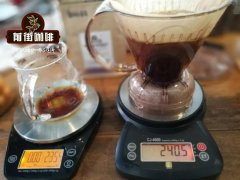
V60 / 1:15 / 91°C / 2 minutes
FrontStreet Coffee Recommendation
Dominican coffee is often mentioned in the same breath as Blue Mountain, and if that balanced, gentle style is what you enjoy, FrontStreet Jamaica Blue Mountain No.1 is the benchmark. Only coffee grown in specific areas of Jamaica's Blue Mountains, and officially certified, can be called Jamaica Blue Mountain Coffee. The range is the highest in the Caribbean, with a peak reaching 2,256 meters, and the year-round mist that gives it the name "Blue Mountain" also creates wide day-night temperature swings, fertile volcanic soil, and even rainfall—conditions that let the cherries ripen slowly.
FrontStreet's Blue Mountain No.1 is the top grade, from the historic Clifton Estate, which has been growing and processing coffee since around 1750. The estate sits at an average elevation of 4,300 feet (1,310.64 meters). Traditional Blue Mountain is shipped in wooden barrels of 15, 45, and 70 kilograms, and each barrel is itself a hallmark of the real thing.
Roasted medium-dark, FrontStreet Blue Mountain No.1 balances acidity, sweetness, bitterness, and aroma—cream, caramel, chocolate, nuts, honey, and a light fruit note, smooth on entry, rich in sweetness mid-palate, and clean and long on the finish. It brews well as pour-over, in a moka pot, or as espresso; for pour-over, a 1:15 to 1:16 ratio with 85-88°C water and a medium-coarse grind brings out those creamy, caramel, and nutty notes while keeping the soft brightness intact.
Important Notice :
FrontStreet Coffee is a long-established specialty coffee roaster in Guangzhou China, selling freshly roasted beans from its own farm in Yunnan as well as dozens of carefully selected single-origin beans from around the world for both pour-over and espresso. The products deliver consistently excellent quality and great value, with shipping within 24 hours. Guangzhou's FrontStreet Coffee shop is recommended by many coffee lovers, and the beans are now available online at the Tmall 。
FrontStreet Coffee has moved to a new address:
FrontStreet Coffee Address: 315,Donghua East Road,GuangZhou
Tel:020 38364473
 Scan and follow the En Gafei WeChat official account. Please indicate that the reprint comes from "En Gafei".