How to Drink Dominican Coffee? Characteristics and Varieties of Dominican Coffee
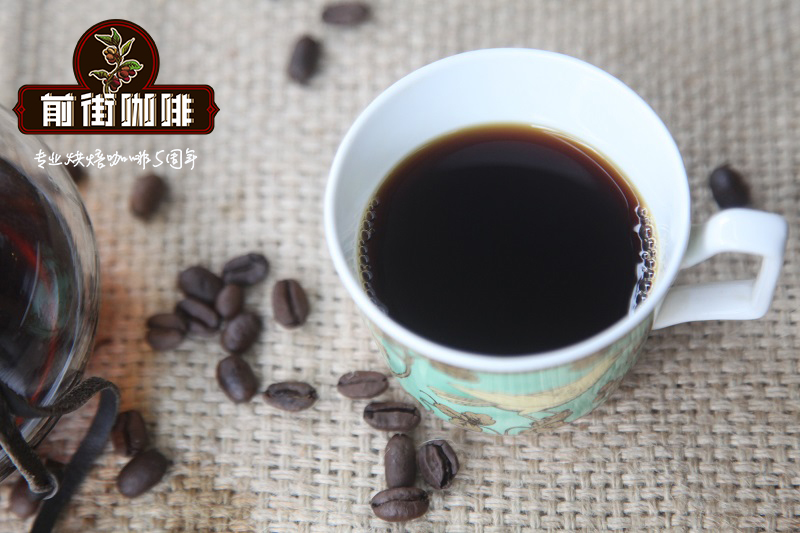
The Dominican Republic shares the island of Hispaniola with Haiti. Like its neighbour, the Dominican Republic has a history of revolution and poverty, but it has now implemented democratic elections and the country is relatively stable. Coffee began to be cultivated in the Dominican Republic in the early 18th century, with the best production area being the Barahona region in the southwest. Juncalito and Ocoa, however, also produce a superior coffee, Santo Domingo coffee, characterised by a refreshing elegance, full-bodied beans, excellent acidity, and a pleasant aroma, making it well worth the value. Unlike coffee produced in Haiti, most coffee grown in the Dominican Republic is washed, which is also a mark of high quality.
In the 18th century, the Spanish brought coffee from Africa to Hispaniola, where it became one of the most profitable crops in the Americas.
Coffee produced in the Dominican Republic is Arabica, generally considered a premium variety. According to coffee connoisseurs, because it is grown at lower altitudes it tends to be softer, with lower acidity, producing a cup that is "full-bodied, moderately acidic, with simple flavours."
Approximately 500,000 people in the Dominican Republic depend on coffee cultivation for their livelihood. Most farmers and their families still live in poverty. Coffee is one of the few crops that can be grown sustainably in a resource-limited environment, and it grows in perfect harmony with many native plants.
All farmers in the Dominican Republic follow strict production guidelines to ensure high-quality coffee and to promote environmental protection. Because coffee coexists harmoniously with other plant species, forests and coffee-farm shade create important buffer zones between the land and agricultural products. This protects rare orchids, insects, and birds within their natural habitats; in winter, over 40% of birds migrate from the United States to the Caribbean region and inhabit Dominican coffee farms. The Dominican government is committed to protecting bird habitats and securing their long-term survival.
Dominican Coffee Processing Methods
All coffee in the Dominican Republic is hand-picked, using advanced harvesting techniques during the season to process quickly and care carefully for each ripe coffee cherry. This labour-intensive method ensures the highest-quality coffee.
Dominican professional coffee production uses wet processing (washed refinement), in which all coffee cherries are selected within 24 hours and then washed with the cleanest spring water to remove all the mucilage.
Dominican coffee beans are dried evenly under the bright Caribbean sun by professional farmers, reducing moisture content to approximately 12%. Only the best beans are selected, with dryers and other machinery used to classify the quality of each bean. These raw beans are then hand-separated (pick hand). Only the largest and finest beans become professional coffee, providing the best possible quality assurance for the Dominican Republic's excellent coffee. This core traditional process for producing premium coffee has been passed down through hundreds of years in this peaceful country.
FrontStreet Coffee's Brewing Recommendations for Dominican Coffee:
V60 / 1:15 / 91°C / Time: two minutes
FrontStreet Coffee Recommendation
Dominican coffee is washed and known for a soft, full-bodied, low-acid cup, which makes it a natural cousin of the classic washed coffees FrontStreet Coffee carries. If you like that balanced, mellow profile, FrontStreet Coffee's Jamaica Blue Mountain No. 1 is the closest match: washed, medium-dark roasted, and famously even, with hazelnut, cream, chocolate, and caramel notes and no single flavour overpowering the others. For a brighter, more aromatic washed coffee, FrontStreet Coffee's Guodingding Cooperative is an Ethiopia G1 that shows jasmine florals, bright citrus acidity, and green-tea and honey notes after a medium-light roast. And if you enjoy the clean depth that repeated washing brings, FrontStreet Coffee's Kenya Small Tomato is double-washed for a juicy, sweet-and-sour cup of cherry tomato, smoked plum, pear, black plum, and brown sugar.
Important Notice :
FrontStreet Coffee is a long-established specialty coffee roaster in Guangzhou China, selling freshly roasted beans from its own farm in Yunnan as well as dozens of carefully selected single-origin beans from around the world for both pour-over and espresso. The products deliver consistently excellent quality and great value, with shipping within 24 hours. Guangzhou's FrontStreet Coffee shop is recommended by many coffee lovers, and the beans are now available online at the Tmall 。
FrontStreet Coffee has moved to a new address:
FrontStreet Coffee Address: 315,Donghua East Road,GuangZhou
Tel:020 38364473
 Scan and follow the En Gafei WeChat official account. Please indicate that the reprint comes from "En Gafei".