Colombia Nariño Coffee Bean Recommendations_Which Nariño Brand is Good_How Much Does Nariño Coffee Cost
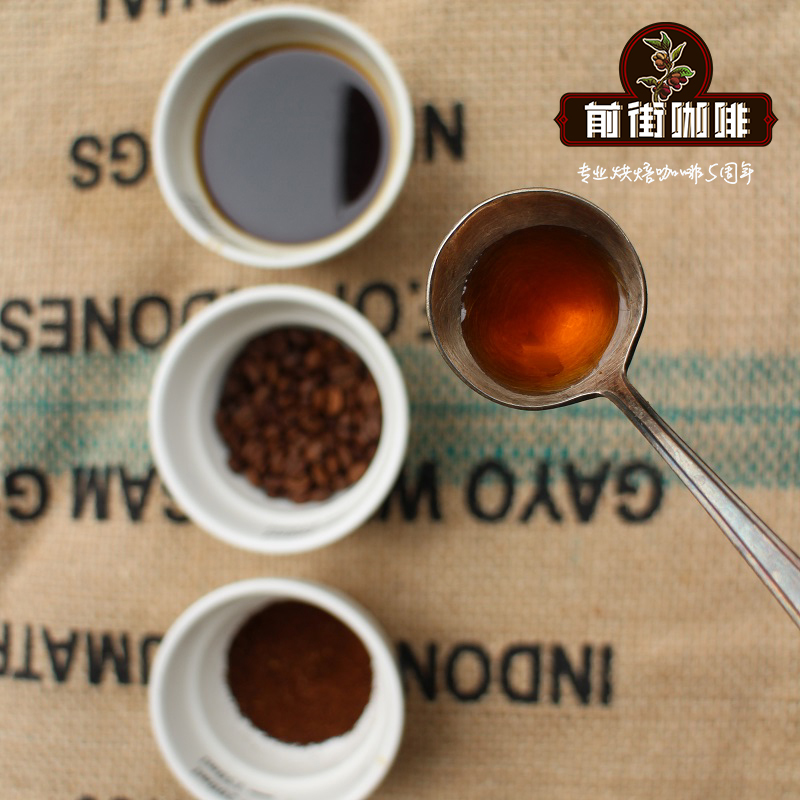
Colombia Supremo Nariño FNC
Colombia's Nariño department enjoys near-perfect natural conditions for high-quality coffee. Sitting almost on the equator at roughly 1 degree north latitude, it receives strong sunlight all year. Rugged mountains and long, steep slopes create a wide range of temperatures, and warm, moist air rising from the canyons shields the high-altitude coffee from frost - which is what makes cultivation possible all the way up at 2,300 meters. Volcanic soil supplies rich nutrition for the trees.
Nariño's rainfall follows a single-peaked yearly pattern, with one long rainy season running from October through May of the following year. Even in the drier months, warm currents carried by trade winds from the southern continent meet cool nights and generate water vapor that supplements moisture for the trees. Typically, once a dry stretch is broken by rain, the trees burst into flower. In Nariño, the first rains in September open the flowering season; from April of the following year the harvest begins, and in the highest zones it can stretch on until August.
A Non-Profit Agricultural Cooperative
The cooperative behind this Nariño coffee was established on February 18, 2003, in the town of La Union in southern Colombia's Nariño region. It is a non-profit cooperative founded from both social and economic motives, with the purpose of adding value to coffee through an autonomous process that brings together partners, estate owners, farmers, and the wider community.
The cooperative gathers coffee from 21 partner organizations and 100 coffee-growing families. The combination of careful harvesting and disciplined post-harvest handling produces coffee with a distinctive appearance and taste: pronounced aroma, high acidity, and a mild, characteristic flavor profile for which demand around the world runs high.
The Growing Environment
Altitude
Nariño coffee grows at 1860-2220 meters above sea level, with several unique growth factors:
- Altitude reaching above 2,000 meters;
- An average temperature lower than in other Colombian coffee regions and most coffee regions worldwide;
- Those low temperatures benefit the plant: altitude preserves acids and sugars, playing a decisive role in the acidity, sweetness, and softness of the finished beverage.
Climate & Soil
The climate of Nariño shapes its distinctive cup:
- Average annual solar radiation of 1,666 hours;
- An annual rainfall cycle of 1,866 millimeters;
- Rich organic soil built from abundant volcanic ash makes growing coffee at such altitudes possible, with an average temperature of 19.9°C, highs of 25.9°C, and lows of 16°C.
Processing
Harvesting
All picking is done by hand by local growers, who harvest cherries only when the fruit is fully mature - typically red or yellow.
Selection
On the same day the harvest comes in, the mill begins separating the mature cherries. Any with problems are discarded; the rest move on.
Fermentation
Most farms treat fermentation as the step that deserves special attention, drawing on years of accumulated experience to get it right. This is what safeguards the diverse character of the origin. Depulped beans rest in clean containers for approximately 16 hours.
Washing
Attentive producers confirm that fermentation is complete, then begin washing the beans, using clean water to remove the remaining mucilage.
Drying
After washing, the beans sun-dry for approximately 8 days to bring the moisture down and hold it at 10-12% for storage. The dried beans are packed in natural fiber bags, after which the parchment is milled away.
Coffee Types
Quality
High acidity, medium body, sweet flavor, very clean and soft, with a very pronounced aroma.
Physical & Sensory Analysis
The local beans are characterized by zero defects, no yeast, zero mold, and no irregular components. Under coffee standard scoring they reach 88 Q Grade at the SCAA-approved level, and in sensory evaluation the minimum SCAA score is 85.
Flavor
Citrus, red apple, and caramel, with high acidity and a long chocolate aftertaste.
FrontStreet Coffee Recommendation
If Nariño's bright, high-acid profile appeals to you, FrontStreet Coffee's washed Huila from Colombia's most famous specialty region makes an excellent companion. Huila sits among the hills of the southern central cordillera at elevations above 1,500 meters, where the country's most important rivers converge and supply abundant water. Roasted medium-dark, it brings out black chocolate, nutty sweetness, moderate oils, and a full body - at home in a pour-over or French press, and just as willing in a moka pot or espresso machine for Americanos and lattes.
For a taste of Colombia's new wave, FrontStreet Coffee also carries a Sidra from a single estate produced with anaerobic natural processing - a fermentation method in which coffee rests in sealed, pressure-resistant steel tanks with temperature, time, and pH under control. Roasted medium-light and brewed as pour-over, cold brew, drip bag, or moka pot, it reveals layered aromatics of passion fruit, grape, apricot, and dried fruit.
Important Notice :
FrontStreet Coffee is a long-established specialty coffee roaster in Guangzhou China, selling freshly roasted beans from its own farm in Yunnan as well as dozens of carefully selected single-origin beans from around the world for both pour-over and espresso. The products deliver consistently excellent quality and great value, with shipping within 24 hours. Guangzhou's FrontStreet Coffee shop is recommended by many coffee lovers, and the beans are now available online at the Tmall 。
FrontStreet Coffee has moved to a new address:
FrontStreet Coffee Address: 315,Donghua East Road,GuangZhou
Tel:020 38364473
 Scan and follow the En Gafei WeChat official account. Please indicate that the reprint comes from "En Gafei".