Cold Drip Coffee | Iced Coffee | Pour-Over Cold Brew | Cold Brew Coffee Methods
Guangzhou Niche Coffee House - Old District Neighborhood Flavor FrontStreet Coffee
The iced coffees we usually meet include ice drip, Japanese iced coffee, cold brew, and iced extraction. They look quite similar, so what actually sets them apart?
Ice Drip Coffee
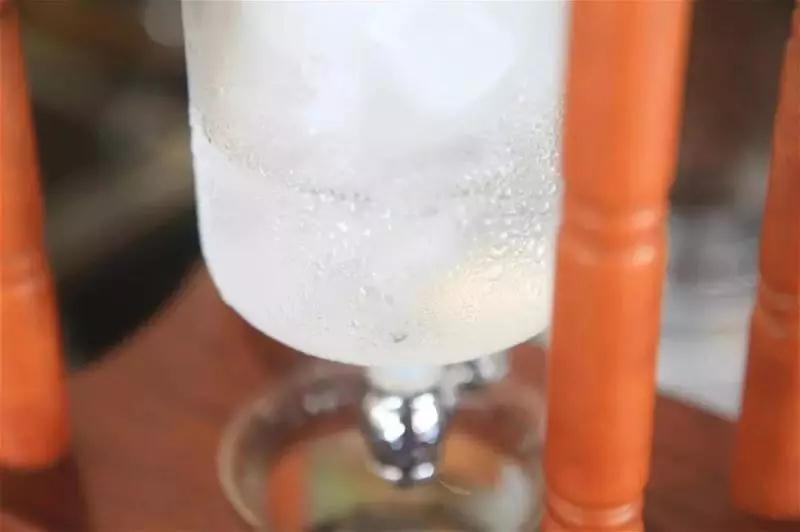
Origin: ice drip coffee was invented to extend coffee's shelf life by extracting it with ice water. Ice drip coffee refers to drip-filtering coffee with room-temperature or colder ice water over a long period, typically 6-8 hours.
Many people ask us which beans are better for ice drip. As a rule, it is recommended to use single-origin beans. This effectively removes bitterness and tannic acid, resulting in a rich, smooth taste that is not acidic or harsh on the stomach. Sometimes we also blend two or more single-origin beans for ice drip. Compared with cold brew, ice drip coffee has more aroma and a more delicate, subtle flavor. First you need an ice drip pot, which you can buy online, with HARIO and TIAMO being popular choices for home use at around 200 yuan.
Cold Brew Coffee
Cold brew coffee is steeped overnight for up to 12 hours. Compared with regular hot-brewed coffee, it has a distinctly stronger coffee flavor with less bitterness, a perfect combination. This coffee, which sounds quite labor-intensive, is actually much simpler to make than imagined. Simply put, steep coffee grounds in cold water overnight in the refrigerator, then filter, and it is done.
The principle is quite similar to ice drip coffee. Cold brew uses cold water for long-term extraction, dissolving only small molecules such as fruit acids and floral aromas. The taste is more aromatic and smooth, presenting coffee's best original flavor.
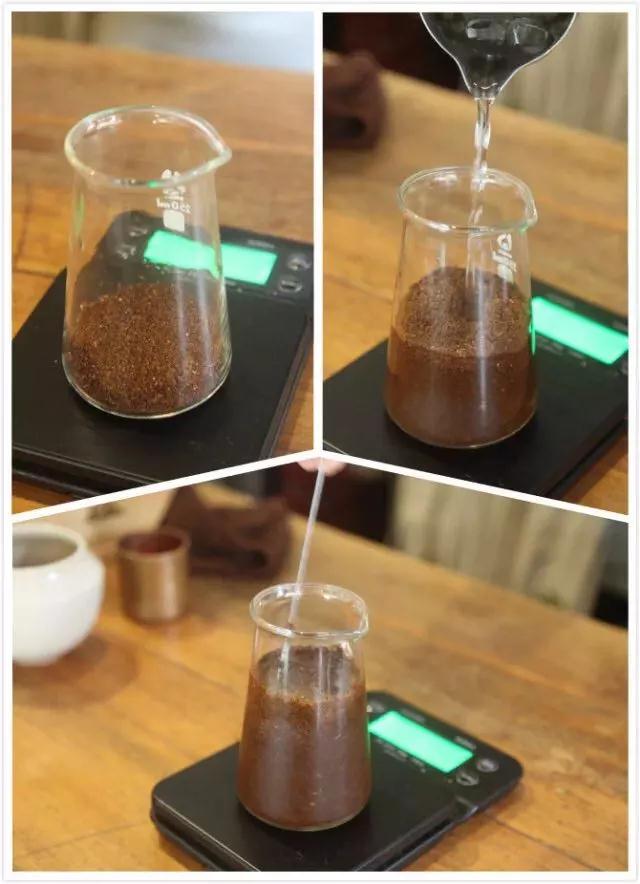
Today we mainly introduce pour-over iced extraction coffee, which uses hot water extraction quickly cooled with ice cubes. Besides this method, we will also introduce another pour-over iced coffee method below.

02 | Pour-Over Iced Extraction Coffee Method
We know that the lower the temperature, the slower the coffee extraction rate, so reaching ideal extraction needs more time. If the time is too long, however, the undesirable components of coffee are more easily extracted. Normally we use ice water for a long time, a relatively extreme but stable method, to get a cup of iced coffee. If we want to extract an ideal cup with ice water in a short time, how should we do it?
- Extend the bloom time and water amount
- Use manual stirring
- Grind relatively finer
- Try to lengthen the extraction time
The specific method is explained in the following experiment.
03 | Comparison Experiment: Pour-Over Iced Coffee vs. Pour-Over Iced Extraction Coffee
Experiment Group 1 (Hot Water Brew + Ice Cubes)
Brewing parameter settings:
Experimental coffee beans: Costa Rica Red Wine Natural Process (5th day after roasting)
Brewing method: Pour-over
Grind size: 4A (BG)
V60, 18g powder, water temperature 91°C, water-to-powder ratio close to 1:14 (serving pot filled with 100g ice cubes)
50g water for the bloom, bloom time 40s with stirring during
Then add water to 152ml, shake well after brewing until the ice cubes completely melt (total water 100+50+102=252g).
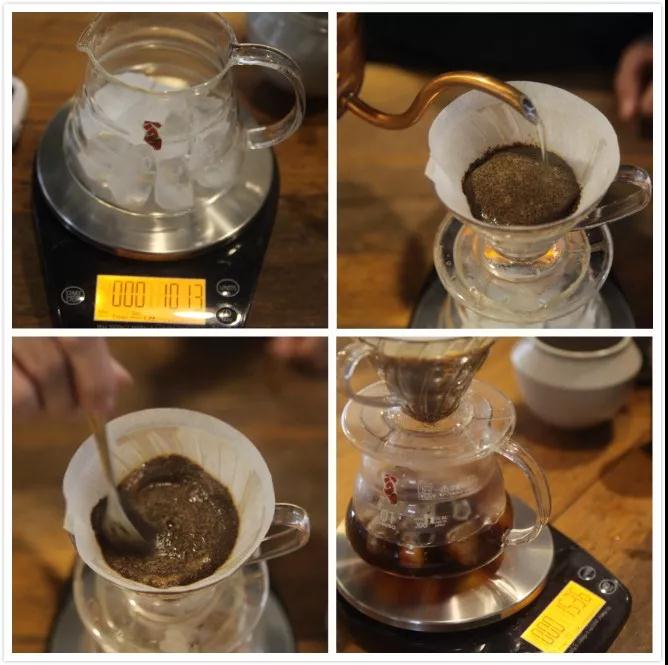
Flavor description:
The entry has obvious wine aroma, caramel sweetness turning to berry flavor, a good cooling sensation, and an aftertaste.
Sweetness: 3/3
Acidity: 1/3
Bitterness: 1/3
Body: 3/3
Cooling sensation: 3/3
Experiment Group 2 (Ice Water Brew + Ice Cubes)
Brewing parameter settings:
Experimental coffee beans: Costa Rica Sweet Orange Estate (5th day after roasting)
Brewing method: Pour-over
Grind size: 4A (BG)
V60, 18g powder, water temperature 91°C, water-to-powder ratio close to 1:14
50g water for the bloom, bloom time 40s with stirring during
Add 252ml of 2°C water, stirring continuously, and shake well after brewing (total water 50+202=252g).
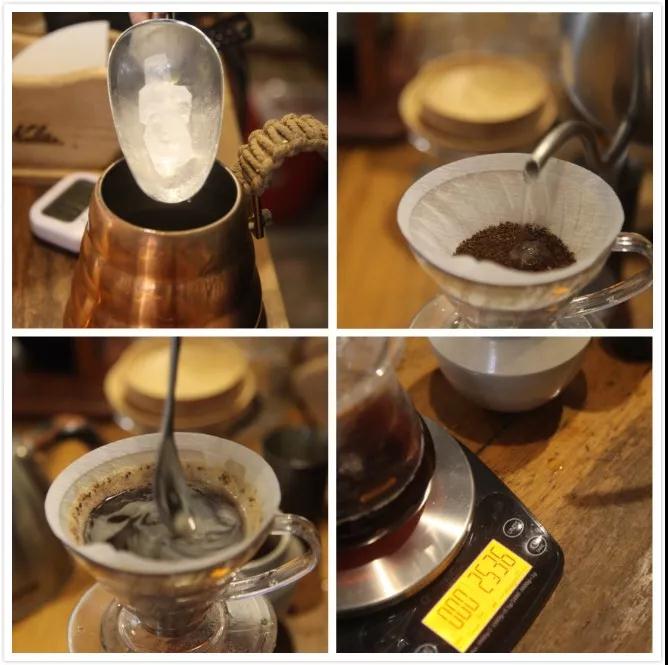
Flavor description:
Medium-high body, good clarity, a flavor similar to fresh young grass, but single-layered, and the temperature neither warm nor cold.
Sweetness: 2/3
Acidity: 1/3
Bitterness: 1/3
Body: 3/3
Cooling sensation: 1/3
Comparison Conclusion:
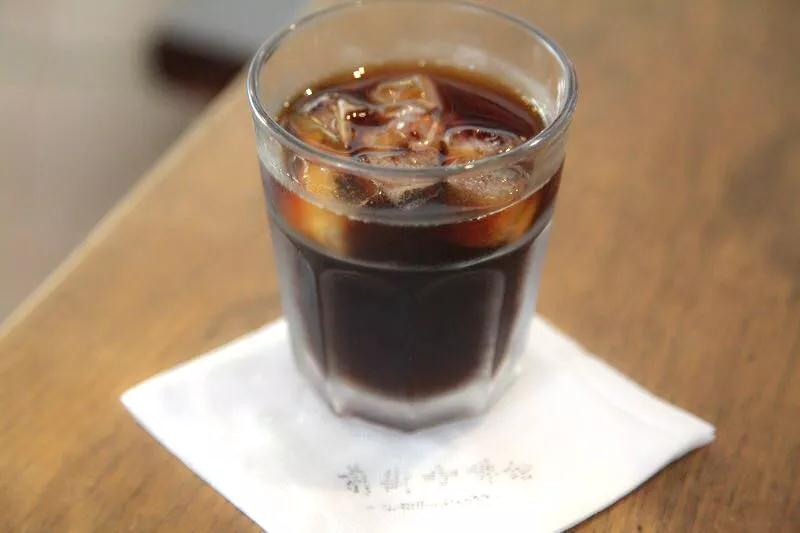
In this experiment, pour-over iced coffee showed a more complete flavor performance than pour-over iced extraction coffee. The cooling sensation of the iced extraction coffee was also not as good as that of the pour-over iced coffee.
04 | Conclusion
For beginners making pour-over iced coffee, we recommend experiment method one: simple, direct, and easy to pick up.
Although the results showed that pour-over iced coffee performed better than pour-over iced extraction coffee, this does not mean the iced extraction method is unworkable. It still has its own flavor characteristics. Compared with iced coffee, it may require a finer grind than a regular pour-over or a higher bloom temperature. The only issue that cannot be resolved is that coffee extracted with ice water still needs refrigeration, or two more ice cubes, before drinking to survive the hot summer days.
FrontStreet Coffee Recommendation
Cold brew tends to amplify floral and fruity notes while muting wood and roast tones, so light-to-medium roasts are the best match. If you like a floral iced coffee, go for FrontStreet Coffee's natural Huakui, grown in Ethiopia, the birthplace of coffee. Because it is sun-dried, the beans soak up plenty of sweetness from the fruit and skin, and as cold brew it shows magnolia, cream strawberry, dried mango, guava, and black tea. If you want a juicy, berry-driven cold brew, FrontStreet Coffee's Kenya Cherry Tomato brings cherry tomato, pear, black plum, and smoked plum acidity that shines in low-temperature extraction, with low bitterness that stays refreshing over ice.
For a cost-effective approach, FrontStreet Coffee's Strawberry Candy, blending Panama Geisha with honey-processed Costa Rican coffee, offers rose, grape, raisin, and strawberry-gummy sweetness and can even develop a fruit-wine texture if left to rest. Because cold brew uses more grounds per serving, many drinkers combine an affordable base with a premium one: for example, blend FrontStreet Coffee's Colombia Sidra at 1:2 with Costa Rica Tarrazu to keep the passion fruit, grape, and apricot sweetness of the Sidra while adding Tarrazu's crisp citrus acidity. FrontStreet Coffee's Yirgacheffe Gudingding Cooperative is also an excellent, economical all-rounder for cold brew, pour-over, siphon, or French press, showing sweet berries, layered depth, and honey.
Important Notice :
FrontStreet Coffee is a long-established specialty coffee roaster in Guangzhou China, selling freshly roasted beans from its own farm in Yunnan as well as dozens of carefully selected single-origin beans from around the world for both pour-over and espresso. The products deliver consistently excellent quality and great value, with shipping within 24 hours. Guangzhou's FrontStreet Coffee shop is recommended by many coffee lovers, and the beans are now available online at the Tmall 。
FrontStreet Coffee has moved to a new address:
FrontStreet Coffee Address: 315,Donghua East Road,GuangZhou
Tel:020 38364473
 Scan and follow the En Gafei WeChat official account. Please indicate that the reprint comes from "En Gafei".