Five Major Factors Affecting Espresso Coffee_How Many Coffee Beans for Espresso Concentrate_How Many Grams of Espresso Coffee Beans
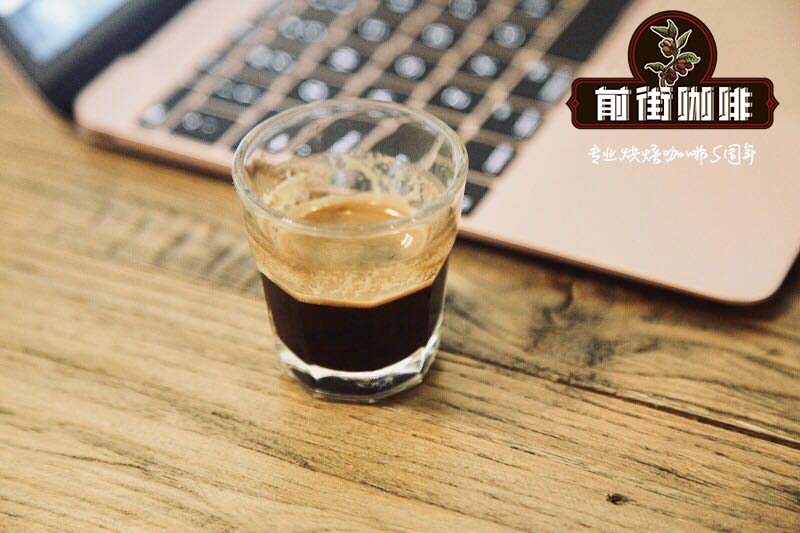
The Foundation of Espresso Coffee
The flavor of espresso coffee depends primarily on the espresso itself, which is why it holds such an important position. Coffee flavor is shaped by dose, grind size, extraction yield, extraction time, and temperature.
Key Variables in Espresso Extraction
Dose
Select an appropriate dose based on the characteristics of your espresso beans. When using a bean for the first time, a 20-gram dose is recommended. The dose is one of the two major variables in coffee flavor. If the dose changes, the water quantity setting on the coffee machine must be adjusted accordingly, because extraction ratios need to be considered. Likewise, when using an espresso bean for the first time, the extraction ratio should be 1:2, meaning 20 grams of coffee grounds yield 40 milliliters of espresso.
Grind Size
This is the other major variable, and baristas need to constantly watch the espresso as it extracts. If conditions change, the grind size should be adjusted immediately. Put simply, grind size refers to how coarse or fine the coffee powder is. Imagine this: if the coffee particles are larger, there will still be larger gaps in the puck after tamping, making it easier for water from the group head to pass through. The result is a fast flow, higher acidity in the flavor, and a thin consistency. Conversely, if the particles are finer, the gaps in the puck become smaller after tamping, making it harder for water to pass through, which gives a slow flow, lower acidity, and a thick consistency.
Extraction Yield
This is a dependent variable that shifts according to changes in dose. For a given coffee bean, there's no need to frequently change the dose and extraction yield unless the blend is changed or the barista wants to adjust the extraction flavor profile.
Extraction Time
In preparing espresso coffee, extraction time is entirely a dependent variable. Unlike pour-over coffee, where extraction time can be set based on grind size or pouring time, here it depends completely on the grind size.
Temperature
The boiler water temperature of the coffee machine also has a certain impact on the coffee. It can be summarized this way: higher temperature gives lower acidity, while lower temperature gives higher acidity. So we should analyze the beans we're using and adjust the machine's water temperature accordingly. Generally, the temperature ranges from 92 to 97 degrees Celsius.
Evaluating Espresso Quality
After making a cup of espresso, we judge whether it is balanced on sweetness, acidity, and bitterness, making sure no single aspect overwhelms the others. A well-extracted espresso should be balanced on every front and possess distinct flavor layers. We can also judge a cup by mouthfeel—whether the consistency is appropriate—and it must not have astringency, since that would spoil the entire mouthfeel. For experienced baristas and coffee lovers, quality can be distinguished from a single cup of espresso. That's why we need to train our palates and learn to use standards and specifications to taste coffee.
FrontStreet Coffee Recommendation
Once you understand these five variables, the fastest way to learn is with a forgiving bean. FrontStreet Coffee's Classic Blend is our first choice for espresso and moka pot brewing, and its greatest strength is outstanding crema—even a beginner on a non-professional home machine can pull a dense, fine-textured shot. Built on the traditional Mamba-style recipe of Indonesian Mandheling, Brazilian Red Bourbon, and a washed component, it has a full, warm body that both veterans and newcomers find easy to accept, which makes it equally at home on a café bar or a kitchen counter.
Pulled as espresso, it delivers butter, nuts, spice, dark chocolate, and toast, with a wild, thick texture and the golden-brown crema that makes latte art simple. It works just as well as the base for an Americano, cappuccino, or mocha. Start with our standard 20g dose and a 1:2 ratio, dialing grind size until you reach a roughly 25-30 second shot; if the flow runs fast and the cup tastes thin and sharp, grind finer, and if it crawls and turns bitter, grind coarser.
Important Notice :
FrontStreet Coffee is a long-established specialty coffee roaster in Guangzhou China, selling freshly roasted beans from its own farm in Yunnan as well as dozens of carefully selected single-origin beans from around the world for both pour-over and espresso. The products deliver consistently excellent quality and great value, with shipping within 24 hours. Guangzhou's FrontStreet Coffee shop is recommended by many coffee lovers, and the beans are now available online at the Tmall 。
FrontStreet Coffee has moved to a new address:
FrontStreet Coffee Address: 315,Donghua East Road,GuangZhou
Tel:020 38364473
 Scan and follow the En Gafei WeChat official account. Please indicate that the reprint comes from "En Gafei".