Costa Rica Tarrazu Flavor | Tarrazu Coffee | La Roca Washery White Honey
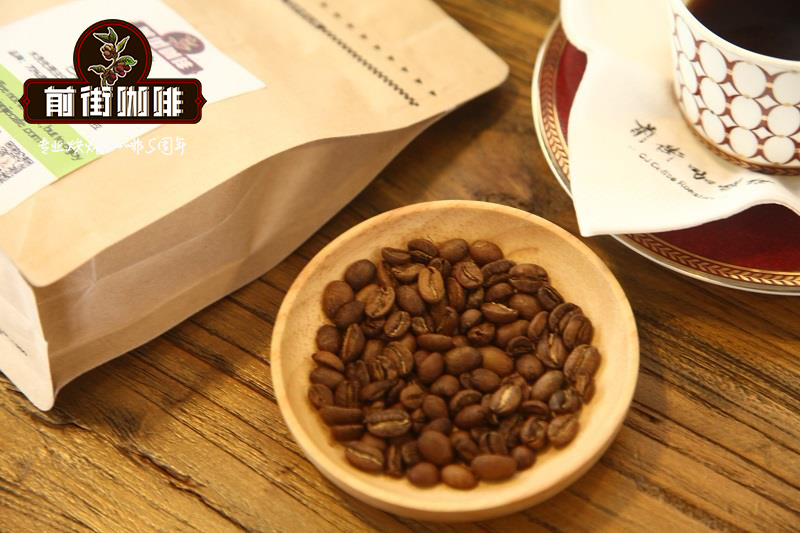
Costa Rica Tarrazu La Roca White Honey
Origin Country: Costa Rica
Region: San Marco, Tarrazu
Farm: La Quebrada
Washing Station: La Roca, Cerro Canet
Producer: Umaña Family
Altitude: 2000 meters
Varieties: Catuai, Caturra
Processing Method: White Honey
Harvest Time: January-March 2016
Flavor Notes: Cherry, Licorice
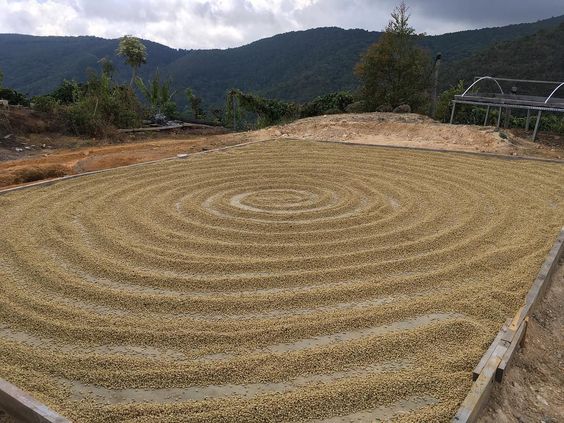
La Roca: The Stone Washing Station
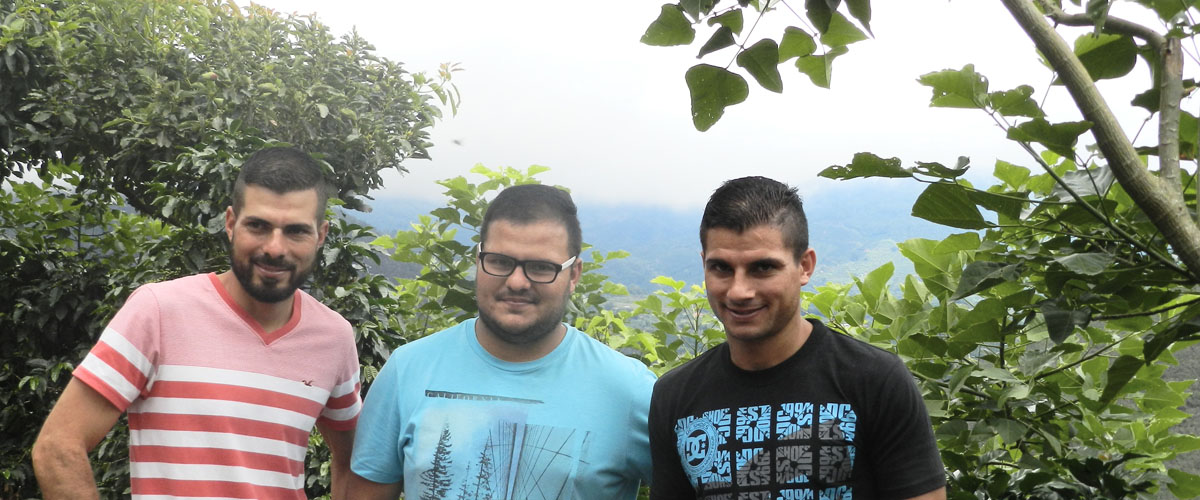
Costa Rica is a very unusual coffee-producing country in that many micro-mills can collect micro-lots and different varieties directly from the surrounding area for processing. La Roca Washing Station is run by the Umaña family, and this is their third year harvesting and producing coffee. The family includes Ricardo and his wife Margarita, along with four grown children: Juan Carlos, Felix, Dario, and Diana. The children manage the 7.5-hectare farm at La Quebrada, which holds nearly 40,000 coffee trees. At over 1800 meters, the farm's altitude is quite high, providing ideal microclimate conditions for coffee growing, and the main varieties cultivated are Catuai and Caturra. During harvest they employ 13 pickers, paid $3 for every 13 kilograms of cherries.
Family Legacy and Honey Processing
The Umaña family has now reached its fourth generation. In the past, sending cherries to the Tarrazu Cooperative (Copa Tarrazu) was convenient but disconnected them from the production process. Their passion for coffee growing led them to follow in their father's footsteps, investing in production and establishing their own washing station, La Roca. They take great pride in the quality of coffee produced through their own efforts.
In Costa Rica, micro-mills are especially well suited to processing different honey methods. Depending on how much mucilage is retained, the process ranges from black honey, red honey, yellow honey, and golden honey to white honey, each with its own flavor profile. Black honey typically means 100% mucilage retention, with direct fermentation and drying. This particular coffee is white honey processed, retaining only 10% of the mucilage and dried without shade, which yields a cleaner, more balanced final flavor.
The Umaña family also grows avocados and passion fruit for sale in the local market, but coffee still accounts for 95% of their income. Looking ahead, they hope to cultivate more exotic varieties, work to improve coffee quality, and seek out better disease-resistant varieties.
FrontStreet Coffee Recommendation
Honey processing grew out of semi-washed (pulped natural) coffee—a method that removes the cherry skin before drying, which on the one hand shortens the drying time and on the other avoids the off-flavors of poor fermentation. FrontStreet Cerrado is a classic Brazilian pulped natural, with clear cream, peanut, nut, and chocolate flavors. Brazil's success caught Costa Rica's attention: borrowing the semi-washed approach, Costa Rican producers refined it around how much mucilage to keep and how long to dry, creating honey processing—and splitting it into the more specific black honey, red honey, yellow honey, and white honey styles.
FrontStreet Costa Rica Blackberry uses a distinctive black honey process, which removes almost none of the mucilage and dries for much longer—at least two weeks—under cover to keep strong sun from drying the beans too fast, ensuring the sugars convert fully; the cherries must also be turned at intervals so uneven heat does not over-ferment them, all of which makes black honey more painstaking than other methods. Roasted medium-light, FrontStreet Blackberry gives off a rich floral aroma when ground and drinks with the unusual flavors of grape, berries, and ripe blackberry. As its name suggests, FrontStreet Strawberry Candy is a blend of the Panama Geisha variety and a Costa Rican coffee: the Geisha supplies the classic orange-blossom and honey character, while the Costa Rican component uses a raisin honey process that keeps 100% of the mucilage and follows a zero-water method. On picking day the cherries go into a large water tank, where the ripe, full fruit sinks and the underdeveloped or overripe fruit floats and is skimmed off; the selected cherries dry on raised beds for at least three days, then are depulped with the mucilage left on and dried further, turned constantly for evenness. The result carries Geisha's floral-tea character alongside the fresh aroma of grape and dried blueberry, a soft fruit acidity, an almond finish, and clear sweetness.
Beyond ordinary honey processing, some estates have introduced an innovative raisin honey method—an adaptation that departs from the traditional yellow, red, and black honey styles. Raisin honey pre-dries the cherries on raised beds for at least three days, then removes the skin and pulp and completes the usual honey steps. What defines it is that it keeps 100% of the mucilage, which also makes it harder to control; FrontStreet's own reading is that it demands strict timing and is even more difficult than black honey. Raisin honey gives the coffee a richer, hotter-fruit sweetness, and FrontStreet Costa Rica Mozart is the one to buy: whether brewed as pour-over, cold brew, or in a moka pot, it offers the distinctive aromas of osmanthus, pineapple, and raisin.
Important Notice :
FrontStreet Coffee is a long-established specialty coffee roaster in Guangzhou China, selling freshly roasted beans from its own farm in Yunnan as well as dozens of carefully selected single-origin beans from around the world for both pour-over and espresso. The products deliver consistently excellent quality and great value, with shipping within 24 hours. Guangzhou's FrontStreet Coffee shop is recommended by many coffee lovers, and the beans are now available online at the Tmall 。
FrontStreet Coffee has moved to a new address:
FrontStreet Coffee Address: 315,Donghua East Road,GuangZhou
Tel:020 38364473
 Scan and follow the En Gafei WeChat official account. Please indicate that the reprint comes from "En Gafei".