Black Coffee Bean Recommendations: Best Brands and Brewing Methods for Flavor Profiles
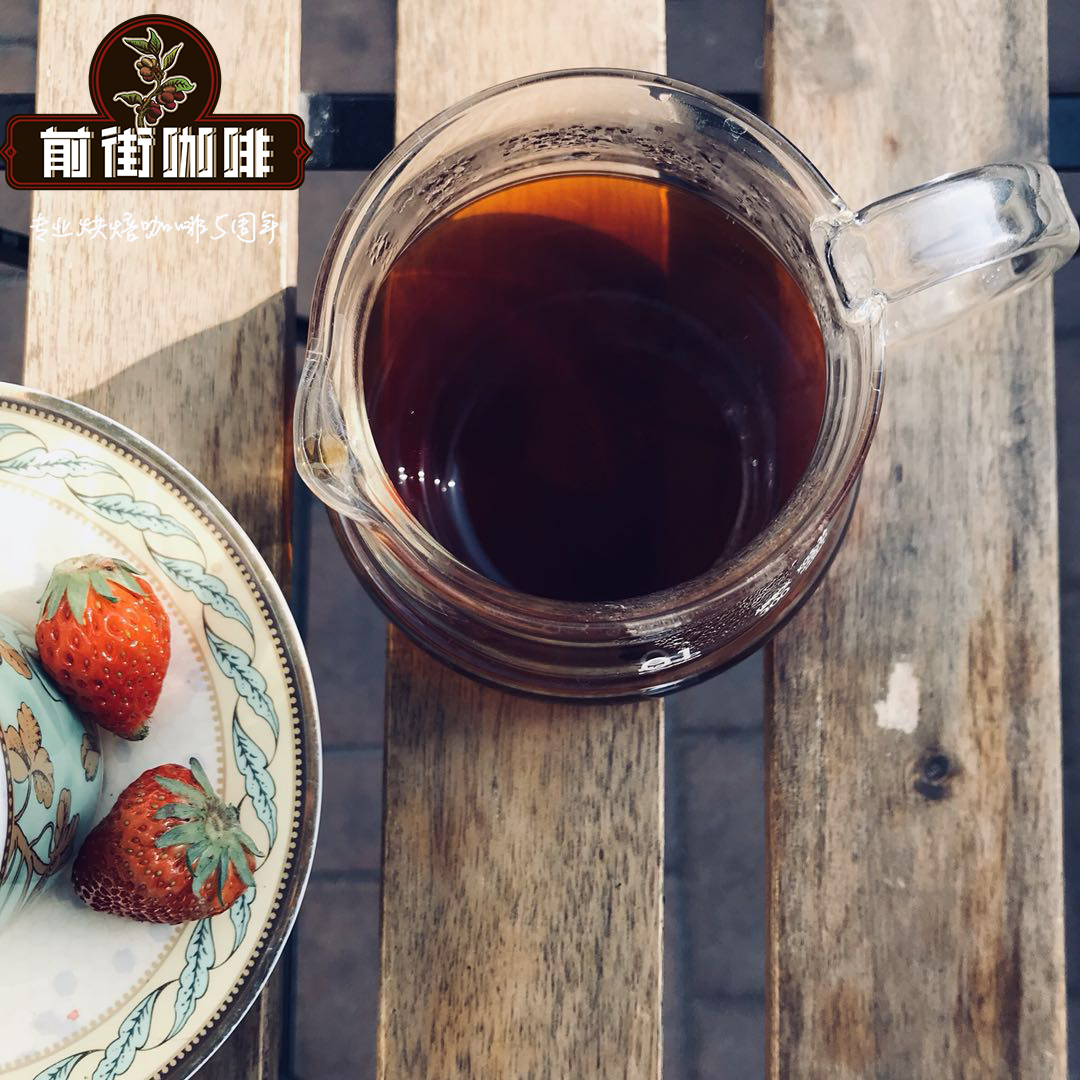
The Essence of Black Coffee
Aroma is the life of coffee quality, and it best reflects both the coffee's production and the roaster's skill. The climate of the growing region, the variety, the processing method, the harvest, storage, and whether roasting in the consuming country is handled properly—all of these determine the aroma of the beans. Bitterness is the foundational taste of black coffee, varying in strength and texture. Raw beans contain only trace amounts of bitter compounds; it is the caramelization and carbonization of sugars, some starches, and fiber during roasting that produces coffee's signature bitterness.
Black coffee also has acidity. Proper heat creates moderate acidity, which enhances flavor and gives the cup more depth. The sweetness of black coffee complements its bitterness—so a refreshing, high-quality black coffee must have a sweet core.
Coffee Bean Varieties
Coffee beans are the raw material of black coffee. There are hundreds of varieties, differing by type, origin, and grade, with prices to match. Among the varieties coffee drinkers know best are Blue Mountain, Italian espresso, Mandheling, Brazil, and Charcoal roast—widely available in supermarkets, mostly as roasted beans.
Because origins differ, so do the beans' characteristics. Some are darker, roasted harder, and bolder in flavor; others are lighter in color and milder in taste. Experienced buyers often grab a handful of beans to check that the color is consistent and the size and shape are similar—a way to avoid inferior product passed off as a blend. And if roasted beans look oily, they have likely gone past their prime: aroma and richness fade, and astringent, sour tastes emerge.
The Art of Brewing Black Coffee
People who love black coffee mostly brew it at home. On a small table they arrange the essentials for preparation—a process that evokes a tea ceremony. Those who appreciate the ritual buy grinders and slowly grind beans at home, savoring the unhurried process.
Today the better grinders come mostly from Japan and Taiwan, in both manual and electric versions. Manual grinders often have a vintage look and cost around 100 to 200 yuan; spring-adjusted models or the popular double-wheel designs run from 300 to over 600 yuan.
There are three classic ways to make black coffee, giving rise to three kinds of brewers: traditional drip, siphon, and electric. Traditional drip is the most primitive method with the simplest tools—a funnel, filter paper, and a vessel below—but it demands real manual skill. In practiced hands it can produce exceptionally pure, premium coffee, and the equipment is cheap, often just a dozen yuan or so.
Drip brewing suits enthusiasts with steady hands and sensitive palates. When choosing a drip setup, note whether the cone has three holes or one—this matters. Three-hole cones drain faster with a shorter extraction time, yielding a milder cup; one-hole cones do the opposite.
Although traditional drip is the simplest method, it produces the most authentic coffee flavor. During brewing, precise control of water temperature, flow rate, and pour path is essential. Even water flow in circular motions lets the coffee's flavor develop naturally, so your choice of kettle and your hand control while pouring matter greatly.
As water meets the coffee it should keep moving in circles, from the outside in and the inside out, ensuring full contact between grounds and water. Meanwhile, a water temperature of 92°C lets the coffee's aroma, richness, sweetness, acidity, and bitterness land in balance. Water that is too hot will scorch the coffee, turning the taste sour and astringent; water that is too cool cannot extract the coffee's full aroma.
The Art of Tasting Black Coffee
When tasting black coffee, appreciate the aroma first, then the color, and finally sip slowly. Don't rush to swallow. Hold the coffee in your mouth, notice how it feels at different positions on the palate, then swallow slowly.
Only through appreciation that engages smell, sight, and taste can you truly grasp the essence of a cup—and enjoy the balance of black coffee's four original elements: aroma, sweetness, acidity, and bitterness.
FrontStreet Coffee Recommendation
For a black coffee with body and depth, FrontStreet Coffee recommends two Indonesian classics from our lineup:
FrontStreet Coffee PWN Golden Mandheling — The flagship Mandheling from Indonesia's PWN, built on beans of 18 screen and larger with fewer than 3 defects per 300g of green coffee (meeting the top G1 standard), then triple hand-sorted. After a medium-dark roast it shows rich roasted aromas with a clean yet full-bodied cup: spice, dark chocolate, roasted hazelnut, and caramel sweetness, with the low acidity and thick, savory texture Mandheling is loved for.
FrontStreet Coffee Lintong Mandheling — Our everyday Mandheling from the traditional Lintong region around Lake Toba. Aromatic and mellow, sweetly bitter, with a strong, assertive entry, clove and woody notes, low acidity, and a long, thick sweetness—an ideal daily pour-over for anyone who prefers a coffee without any sour edge.
Important Notice :
FrontStreet Coffee is a long-established specialty coffee roaster in Guangzhou China, selling freshly roasted beans from its own farm in Yunnan as well as dozens of carefully selected single-origin beans from around the world for both pour-over and espresso. The products deliver consistently excellent quality and great value, with shipping within 24 hours. Guangzhou's FrontStreet Coffee shop is recommended by many coffee lovers, and the beans are now available online at the Tmall 。
FrontStreet Coffee has moved to a new address:
FrontStreet Coffee Address: 315,Donghua East Road,GuangZhou
Tel:020 38364473
 Scan and follow the En Gafei WeChat official account. Please indicate that the reprint comes from "En Gafei".