How to Drink Black Coffee Beans, Which Brand is Best, and What Coffee Beans Are Suitable for Black Coffee
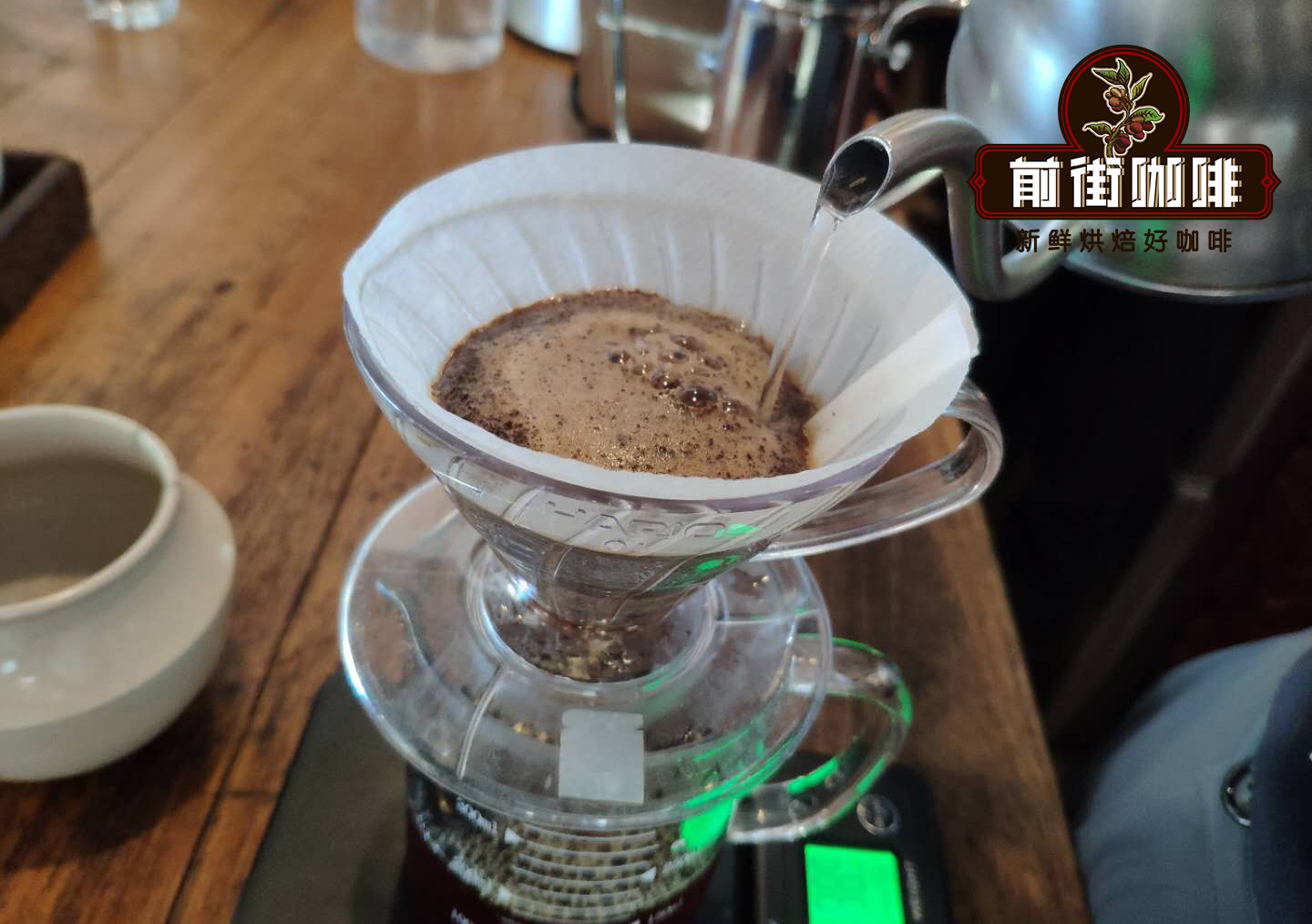
Black coffee - sometimes called pure coffee - is made from freshly roasted beans that are ground and brewed with no sugar and no milk. Drunk this way, it lets you taste the bean itself.
A good black coffee brings together aroma, bitterness, acidity, and sweetness. Aroma is the lifeblood of quality and the clearest window onto how the beans were grown and roasted: the climate of the origin, the variety, the harvest, the processing method, the storage, and whether the roasting was well judged all leave their mark. Bitterness is black coffee's foundation, created when starches, sugars, and fibrous material caramelize and carbonize during roasting. Acidity matters too - handled well, it lifts the flavor and adds depth. Sweetness then rounds out the bitterness.
Because coffee is an agricultural product, flavor shifts with variety and origin. FrontStreet Coffee recommends several specialty coffees from different parts of the world.
1. Ethiopia
Ethiopia's Yirgacheffe is a famous specialty region, and its coffees show elegant floral and fruit aromas with bright, lively acidity. As coffee's birthplace, Ethiopia has a thousand years of cultivation and processing behind it, producing fine washed Arabica. Light roasting brings out lemon, floral, and honey-like sweetness, with soft fruit acids and citrus for a fresh, bright cup. Natural-processed Yirgacheffe is richer in tropical fruit, sweet and full-bodied, with a rounded acidity and lasting sweetness.
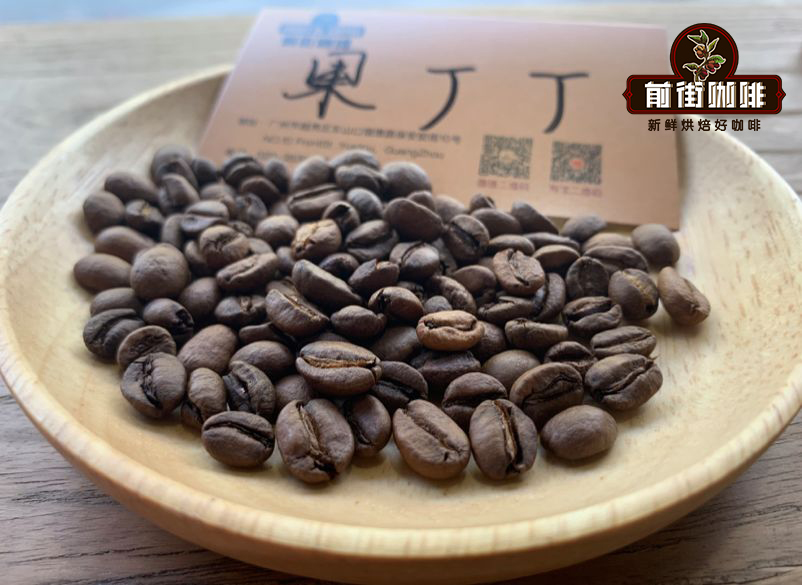
FrontStreet Coffee Ethiopia Yirgacheffe Gotiti
Region: Yirgacheffe Gotiti Cooperative
Altitude: 2,000-2,100m
Variety: Local native varieties
Processing: Washed
Flavor: Berries, citrus, tea-like notes, floral aromas
The Gotiti Cooperative sits in the Woreda district at the southeastern end of Yirgacheffe. It was once part of the Woreda Cooperative under the Yirgacheffe Union YCFCU.
As demand for traceability grew, single-origin micro-lots were gradually uncovered by coffee hunters around the world. So in 2012, Gotiti - with roughly 300 member farmers - was established independently as the "Gotiti Cooperative."
Gotiti village was one of the first to be separated out, and many of its smallholders were originally members of the Woreda Cooperative, so their processing know-how is beyond question.
The cooperative is known as the last pure land of Yirgacheffe, and it sticks to very traditional methods, using both washed and natural processing.
2. Kenya
Kenyan coffee is globally recognized for its quality, and strong state support plus a strict grading system have earned it a reputation as the connoisseur's choice. AA is the highest grade, the cream of the crop, which is why FrontStreet Coffee is so fond of the AATOP from the Thika region. TOP is a mark applied by Kenyan merchants after cupping. This lot uses the K72 double-washed fermentation method, giving it a bright, lively acidity, delicate and enticing, reminiscent of berries and red wine. In the cup, the berry aroma rises immediately, with distinct cherry tomato and black plum on the palate. Acidity and aroma linger together, with a cream-like sweetness and a long sweet finish.
FrontStreet Coffee Kenya Asalia
Region: Kenya Thika Region
Processing Station: Asali Processing Station
Altitude: 1,550-1,750m
Variety: SL28, SL34
Processing: Washed
Flavor: Pineapple, black plum, brown sugar, cherry tomatoes, plum
Thika is a small town near Nairobi, Kenya's capital. Coffee fields surround the city, and Thika itself is an industrial town ringed by farmland and waterfalls.
Asali means "honey" in Swahili (Kenya's official languages are English and Swahili). The station sits in the Thika region of the Great Rift Valley, in Kenya's Aberdare Mountains, bordering Ethiopia to the east. Its green beans are processed mainly by the washed method, graded by bean size, and valued by cupping.
Kenyan-style washed processing uses a repeated cycle of fermentation and washing. The best cherries are picked on harvest day, depulped, and fermented for 24 hours. After 24 hours they are washed in clean river water, then fermented again in clean river water for another 24 hours and washed again. The cycle repeats three times to reach 72 hours - hence the Kenyan 72-hour fermentation washed process, or K72. Long, slow fermentation at low temperatures gives the beans a brighter, cleaner yet fuller flavor.
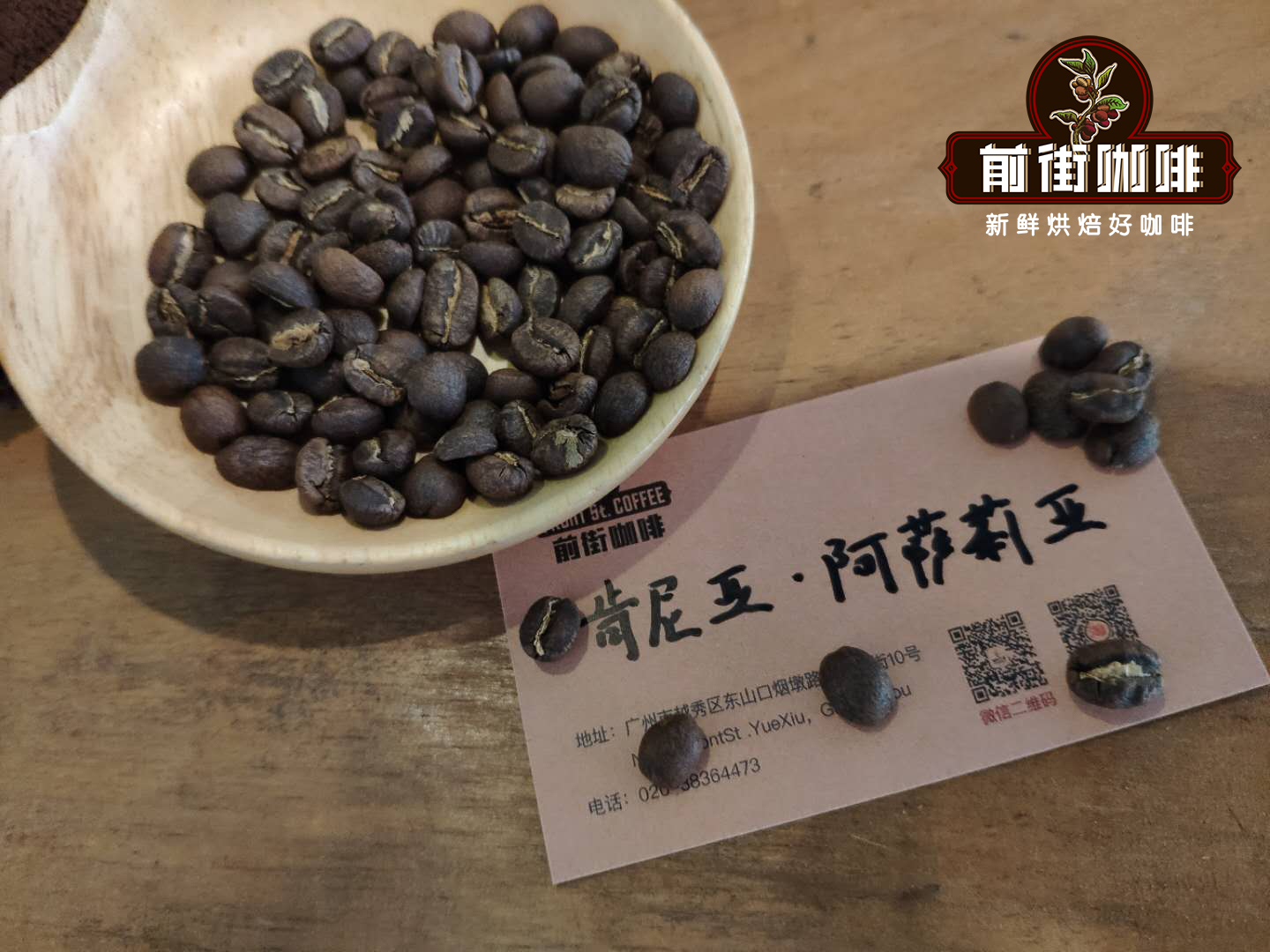
FrontStreet Kenya Asalia AA has ripe tomato and floral aromas, with cherry tomato and black plum up front, bright acidity, a clean, solid yet rich texture, prominent mid-palate sweetness with a juice-like quality, and a finish of berry, brown sugar, and green tea.
3. Panama - Geisha
Geisha is now a flagship variety of specialty coffee, and the finest examples are generally considered to come from Panama. Yet the variety was first found in 1931, in the Geisha forest of Ethiopia. It was sent to Kenya's Coffee Research Institute, then introduced to Uganda and Tanzania around 1936, and to Costa Rica in 1953. Panama only began planting Geisha in the 1970s. It was not until Daniel Peterson, owner of Panama's La Esmeralda, entered the 2004 Panama coffee cupping competition and won overnight that Geisha swept the world. Geisha has full sweetness, an exceptionally clean taste, and aromas that range from berries and citrus to mango, papaya, and peach. A very distinct bergamot-like finish is one of its signature cupping traits, making it a recognized champion among varieties. On the cupping table, Geisha is rated moderate in body, with sweet, multi-layered tropical fruit and a rose-like aromatic finish.
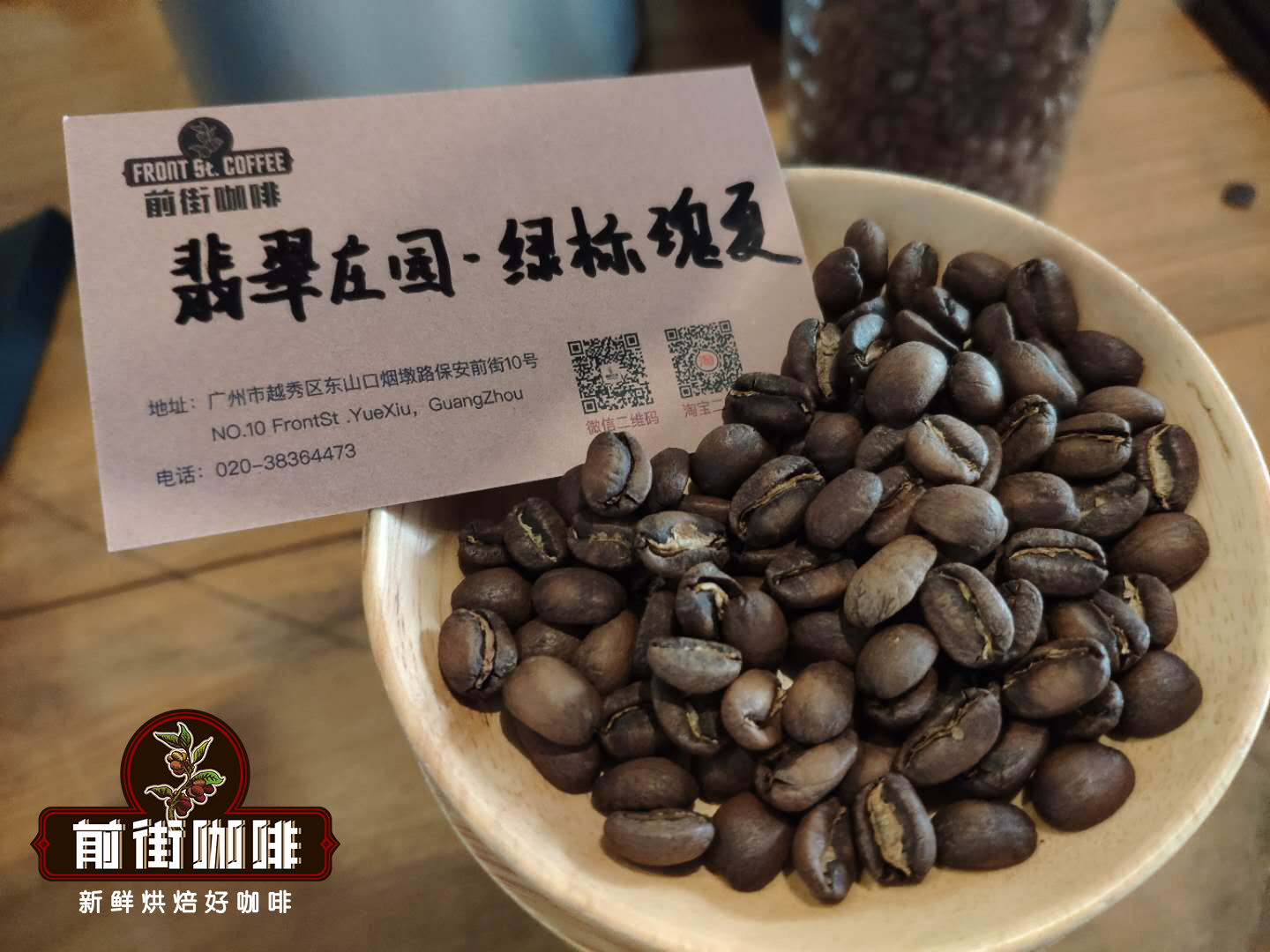
FrontStreet Coffee's La Esmeralda Green Label Geisha, for example, opens with rich jasmine and high sweetness, followed by citrus, berries, a juicy quality, cream, green tea, orange peel, and cantaloupe. The layers are generous, and floral and citrus aromas echo long into the finish.
FrontStreet Coffee Panama La Esmeralda Green Label Geisha
Region: Panama Boquete
Estate: La Esmeralda
Altitude: 1,600-1,800m
Variety: Geisha
Processing: Washed
Flavor: Jasmine, citrus, honeydew melon, berries, orange peel
The Private Collection is the Green Label Geisha, not a standalone competition lot. These are Geisha varieties grown between 1,600 and 1,800 meters, selected from micro-batches across plots such as Jaramillo and Canas Verdes.
Because it is a blended-bean model without detailed plot specification, the Green Label sometimes lands very close to the Red Label in flavor - though the next batch may differ.
While the Green Label is not as elevated as the Red Label, it still carries Geisha's classic profile: floral and fruity notes, citrus acidity, and a thick, juicy texture. The Green Label Geisha is available in both washed and natural.
4. Jamaica - Blue Mountain
The Blue Mountains lie in eastern Jamaica. Because the range is ringed by the Caribbean Sea, on clear days when sunlight strikes the water directly, the peaks reflect the sea's brilliant blue - hence the name. The highest peak reaches 2,256 meters, the tallest in the Caribbean and a well-known tourist destination. The area sits within the coffee belt, with fertile volcanic soil, clean air, no pollution, a humid climate, and year-round mist and rain (average precipitation of 1,980 mm, with temperatures around 27 degrees Celsius). That climate created the world-renowned Jamaican Blue Mountain coffee - and the world's most expensive coffee. It has everything a great coffee should: a rich, mellow taste, and a perfect balance of sweet, sour, and bitter such that no harshness remains, only a moderate and beautifully judged acidity. FrontStreet Coffee's Blue Mountain is designated by the National Coffee Board's export company, packed in wooden barrels as green beans, and carries Rainforest Alliance certification.
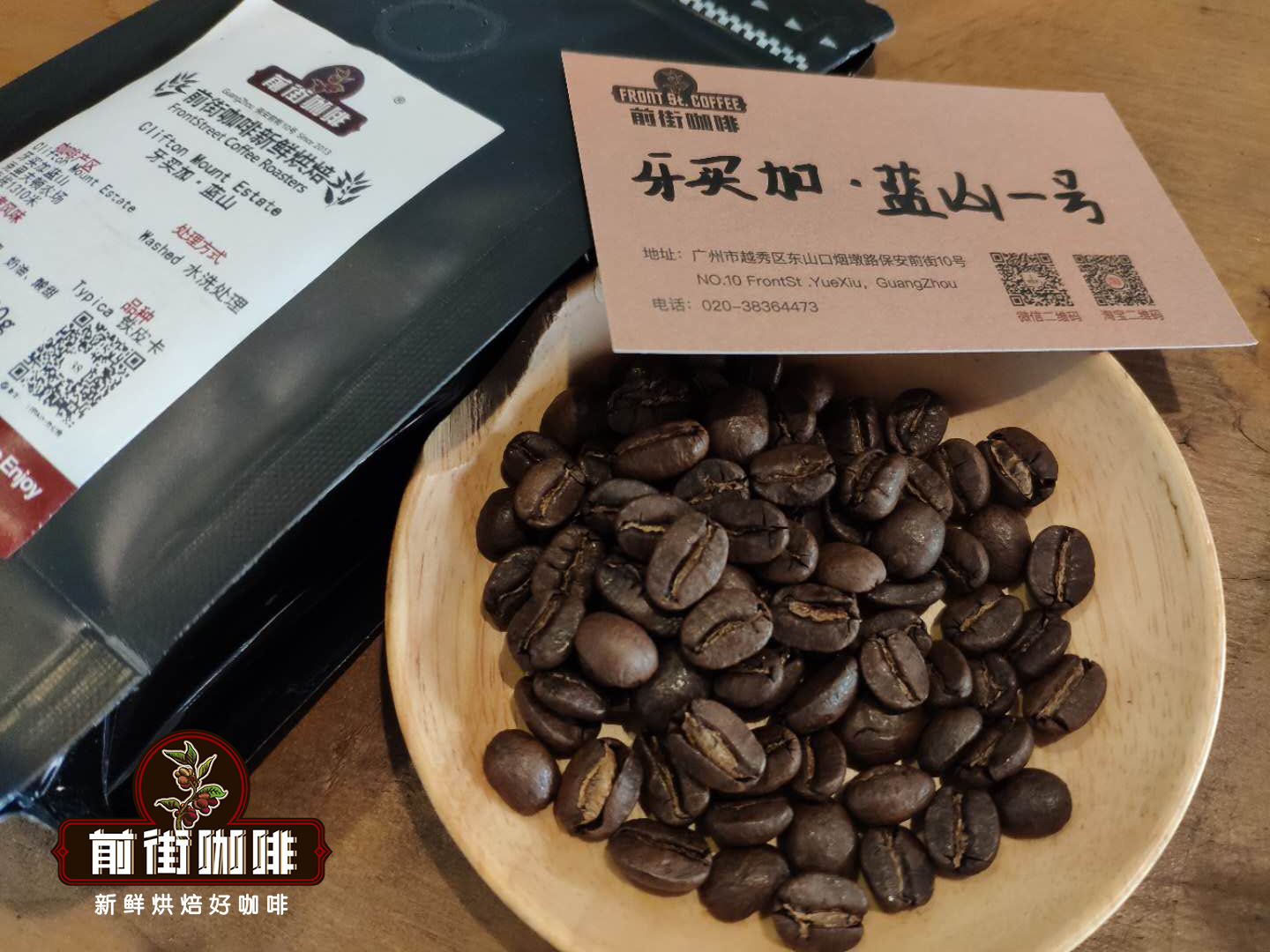
FrontStreet Coffee's Clifton Farm Blue Mountain No. 1 is clean, less rich than the previous cup, with prominent chocolate and nutty flavors and balanced sweet, sour, and bitter notes.
FrontStreet Coffee Jamaica Blue Mountain No. 1
Region: Jamaica Blue Mountain
Estate: Clifton
Altitude: 1,310m
Variety: Typica
Processing: Washed
Flavor: Dark chocolate, nuts, cream, balanced sweet-sour-bitter
5. Indonesia - Mandheling
Indonesia is one of Asia's best-known coffee producers, and Mandheling is its most famous coffee: low in acidity, high in concentration, with grassy aromas, a rich, full body, and a sweet finish that leaves a deep impression. It is a great choice for anyone who dislikes acidity. Since opening, FrontStreet Coffee has been a devoted fan of Mandheling, and the Golden Mandheling from the PWN company has been especially popular with FrontStreet customers. Golden Mandheling is the best of the best, selected from specialty grade. Mandheling that has passed multiple rounds of hand sorting must have a full, consistent appearance, with a cleaner taste and richer flavor than regular Mandheling.
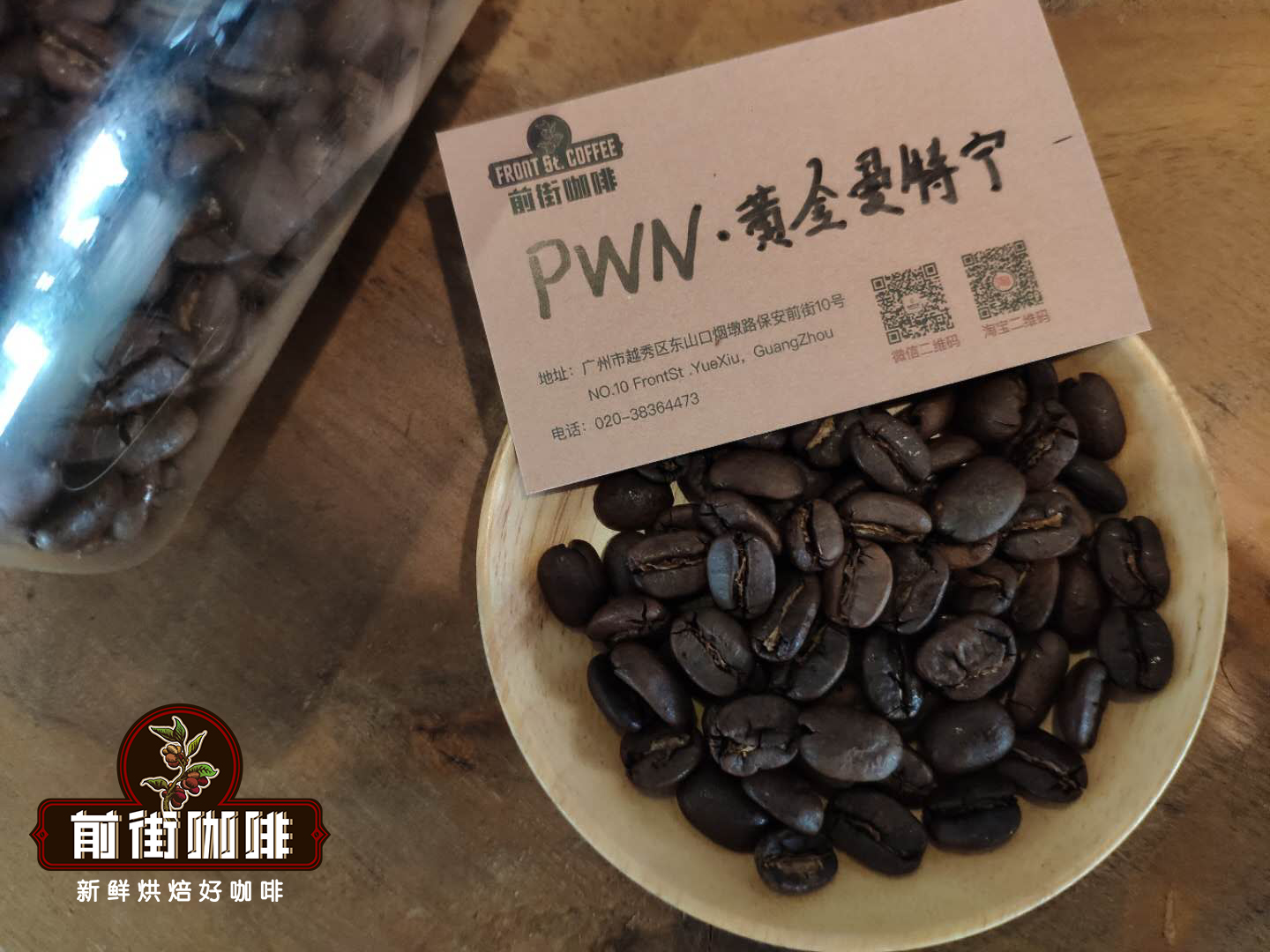
FrontStreet Coffee's Golden Mandheling is layered, mellow, and clean, with high balance, rich nut and caramel aromas, chocolate notes, and a lasting finish.
FrontStreet Coffee Indonesia Golden Mandheling
Region: North Sumatra, Aceh, Mount Gayo
Company: Pawani Company (PWN)
Altitude: 1,100-1,600m
Variety: Ateng
Processing: Wet-hulled method
Flavor: Toasted bread, nuts, pine, caramel, herbal
FrontStreet Coffee Recommendation
If you want a black coffee that shows off everything a washed Ethiopian can do, start with FrontStreet's Washed Yirgacheffe. It is the classic introduction to the region - white jasmine, bright citrus and lemon acidity, and a clean tea-like body - at a price that makes it easy to drink every day.
For more sweetness and depth, FrontStreet's Natural Red Cherry comes from the same Yirgacheffe area but is dried whole on raised beds. Alongside the region's signature florals and acidity, it adds ripe tropical fruit, a full fermented sweetness, and a creamy, honeyed texture - a wonderful contrast to drink side by side.
Important Notice :
FrontStreet Coffee is a long-established specialty coffee roaster in Guangzhou China, selling freshly roasted beans from its own farm in Yunnan as well as dozens of carefully selected single-origin beans from around the world for both pour-over and espresso. The products deliver consistently excellent quality and great value, with shipping within 24 hours. Guangzhou's FrontStreet Coffee shop is recommended by many coffee lovers, and the beans are now available online at the Tmall 。
FrontStreet Coffee has moved to a new address:
FrontStreet Coffee Address: 315,Donghua East Road,GuangZhou
Tel:020 38364473
 Scan and follow the En Gafei WeChat official account. Please indicate that the reprint comes from "En Gafei".