What Is Roasted Coffee_Common Quality and Safety Issues in Roasted Coffee Beans
For professional coffee knowledge exchange and more information on coffee beans, follow Coffee Workshop for regular updates.
How Are Roasted Coffee Beans Made?
What common accidents happen during coffee roasting, and what important considerations should you keep in mind when roasting coffee beans?
Learning the Art of Coffee Bean Roasting
1. Cleaning
Air and vibration are used to remove impurities mixed in with the coffee beans, such as ash, soil, small stones, and metal. Cleaning is usually done on specialized machinery, though manual screening also works. The beans are then passed through sieves of different sizes to grade them. Where conditions allow, a colorimeter can monitor underripe or overripe beans, selecting out those that are too light or too dark, and ultraviolet light can be used to pick out and remove rotten beans.
2. Blending
Before roasting, different varieties of coffee are blended together. By combining varieties and origins, various flavors and components are integrated to create coffee with specific flavors and to ensure consistent quality.
To find coffee suited to different tastes, coffee from different origins can be added in certain proportions to achieve the best result. Generally, wet-processed Arabica is acidic and aromatic, while natural Arabica is balanced. Robusta has a strong, bitter taste with an earthy flavor. Coffee from Kenya and Tanzania has distinct sweet-and-sour notes. Different blends create unique characteristics.
3. Roasting
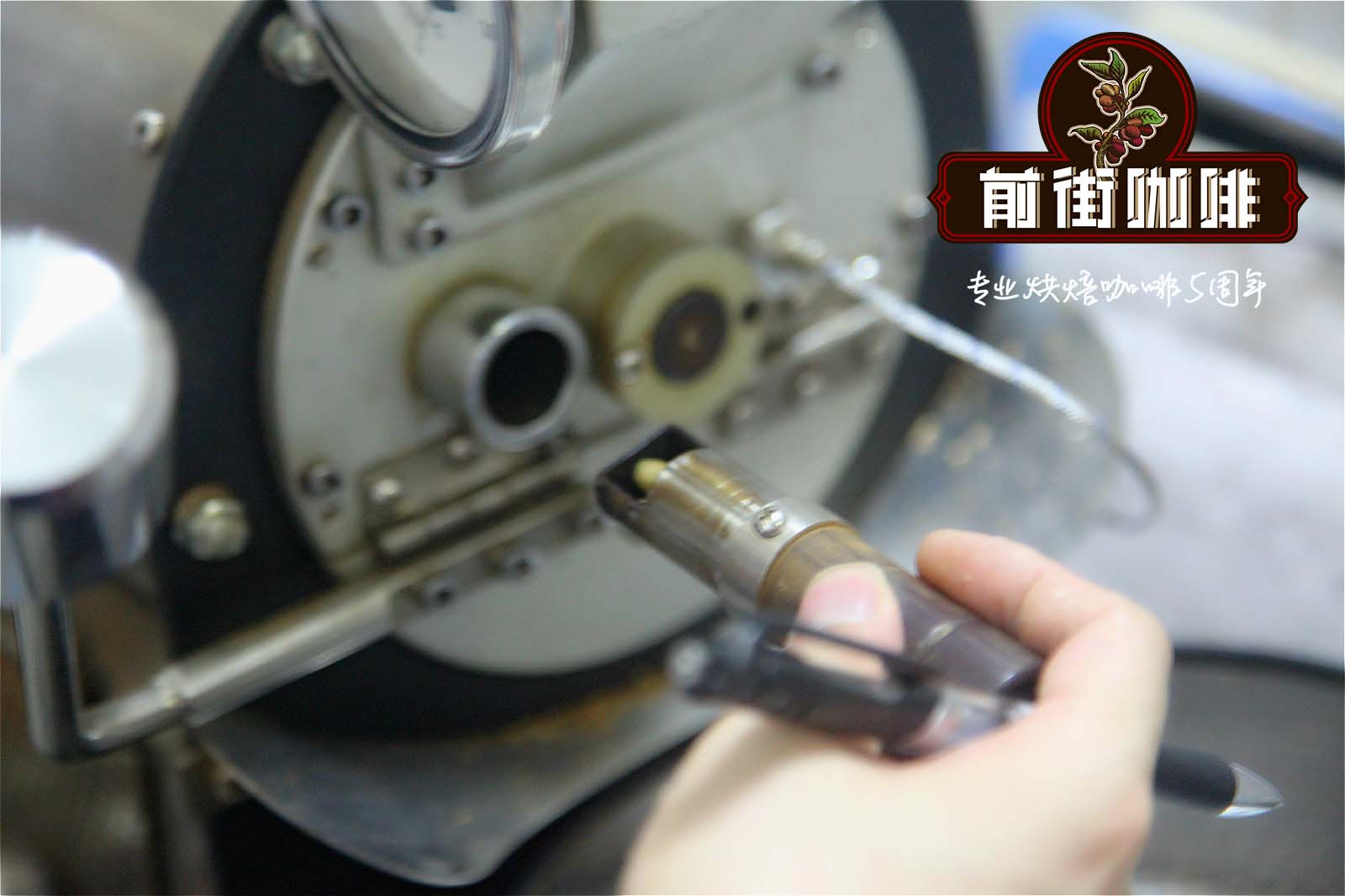
The blended beans are processed in a dry state, causing significant chemical and physical changes to their structure and components, so the beans darken and release the characteristic aroma of roasted coffee.
Initially the roasting temperature should be raised above 150°C. Through a series of Maillard reactions and Strecker degradation, the proteins and sugars in the beans react to produce flavorful, colored substances. Several of coffee's major flavor compounds form during this stage. Bean color relates to roasting temperature - the higher the temperature, the darker the color. After roasting for 8-12 minutes, the moisture in the beans has completely evaporated, the beans' mass drops by 20%, but their volume increases by 60%.
4. Cooling
Roasted beans must be cooled quickly. Cold-air blast cooling is generally used, though water cooling can also be employed.
5. Packaging
Roasted coffee also requires strict packaging and a suitable storage environment. Because roasted coffee oxidizes easily, packaging and storage are especially important.
Freshly produced roasted coffee has an excellent aroma, and that aroma should be a mark of its freshness, but it fades over time. Under normal climate conditions, how quickly roasted coffee deteriorates often depends on packaging and storage.
The purpose of packaging is to keep air and moisture away from the roasted coffee. Air humidity rises and falls constantly, and if roasted coffee absorbs air and water vapor, it can lose enough quality to lose its commercial value. Choosing the right packaging material and format is therefore key to improving a product's resistance to moisture and air.
Packaging also works continuously to protect aroma. First, it keeps the coffee's own aroma from escaping into the air; second, it keeps unpleasant external odors from contaminating the product. Fresh, aromatic roasted coffee weakens after being stored for a time, mainly because volatile aromatic substances diffuse into the surrounding space while the coffee picks up odors from its surroundings. High-quality roasted coffee therefore mostly uses sealed packaging to hold in its aroma.
Quality and Safety Issues Common During Roasting
1. Quality Loss from Unreasonable Time and Temperature Settings
During roasting, coffee beans undergo a series of physical and chemical changes under high temperature that decide their taste and flavor quality. Raising the roasting temperature can speed up the process and darken the beans, but it does not allow the Maillard reaction to fully occur, so the formation of flavor compounds is limited.
2. Flavor Loss and Off-Odors from Improper Storage and Packaging
Freshly roasted coffee should be packaged as soon as possible. Exposed to air, it oxidizes and loses its characteristic flavor. Packaging also keeps roasted coffee from picking up unpleasant odors from its surroundings, which is why most roasted coffee uses sealed packaging to hold in aroma.
Coffee beans also release a certain amount of carbon dioxide after roasting, so improper storage can cause volume expansion and damage the bag. Composite packaging with a valve should be used wherever possible. The valve is a one-way valve that keeps air out while letting the gases produced by the coffee escape smoothly. Metal cans, of course, are an even more ideal packaging material.
Roasted Coffee Bean Brand Recommendations
FrontStreet Coffee's freshly roasted Arabica beans offer full guarantees in both brand and quality. Just as important, they are extremely good value: each 227-gram package costs only about 70-90 yuan. At 15 grams per cup, a single package makes 15 cups, so each cup costs only about 5-6 yuan. Compared with the tens of yuan a cafe charges per cup, that is a genuinely considerate recommendation.
FrontStreet Coffee is a Guangzhou roastery with a small storefront but a wide variety of beans, where you can find both famous and lesser-known coffees, along with online shop service.
FrontStreet Coffee Recommendation
Roasting is only half the story for a blend - what goes into it matters just as much. FrontStreet offers five Italian-style espresso blends, each designed for a different setting, and every bean is shipped within 5 days of roasting so the flavor arrives as complete as possible.
FrontStreet Specialty Blend suits homes, offices, and specialty neighborhood cafes. Blending washed Colombian coffee with semi-washed Brazilian coffee, it shows nut, dark chocolate, and caramel notes with a comfortable bittersweet edge; paired with milk for a latte it goes down smooth, holds latte art steadily, and carries a rich roasted aroma, while a Dirty pours clean layers with a deep brown crema on top.
FrontStreet Commercial Blend suits all kinds of coffee shops. It combines washed Colombian coffee, semi-washed Brazilian coffee, and a small amount of Robusta for nut, cocoa, and caramel notes. Compared with other espresso blends, it uses the classic Brazil-and-Colombia pairing plus a little Robusta to add depth, showing complex nutty aromas of toasted bread, almond, and walnut, with good crema flow, low acidity, and a full body - an obvious choice for opening a shop.
FrontStreet Black Cocoa Blend is recommended by many baristas and suits all kinds of coffee shops, bakeries, drink shops, and home machines. Blending washed Yunnan small-bean coffee with semi-washed Brazilian coffee, it combines a nutty, ripe-plum acidity; ground, it releases creamy chocolate and cocoa-cookie aromas, tastes balanced, and pours a golden crema - a great fit for a shop or home.
FrontStreet Classic Blend is a bestseller for beginners learning latte art and for specialty shops aiming at the high end. This medium-dark three-origin espresso recipe draws on the old "Mamba" style - Mandheling and Brazil - and adds a small amount of Robusta to lift the aroma and crema, raising the flavor intensity so newcomers can pull a golden-crema espresso at home with ease.
And for anyone who has had enough of traditional darker roasts, FrontStreet Strawberry Candy Geisha Blend is the floral-and-fruity choice. Made from three single-origin coffees, this sweet espresso blend carries rose florals, and both the americano and the latte show grape, dried blueberry, sweet orange, and fruit-candy flavors for a very distinctive cup.
Important Notice :
FrontStreet Coffee is a long-established specialty coffee roaster in Guangzhou China, selling freshly roasted beans from its own farm in Yunnan as well as dozens of carefully selected single-origin beans from around the world for both pour-over and espresso. The products deliver consistently excellent quality and great value, with shipping within 24 hours. Guangzhou's FrontStreet Coffee shop is recommended by many coffee lovers, and the beans are now available online at the Tmall 。
FrontStreet Coffee has moved to a new address:
FrontStreet Coffee Address: 315,Donghua East Road,GuangZhou
Tel:020 38364473
 Scan and follow the En Gafei WeChat official account. Please indicate that the reprint comes from "En Gafei".