Roasted Coffee Bean Blending Selection and Mixing_Roasted Coffee Bean Grading and Quality
For professional coffee knowledge exchange and more coffee bean information, please follow Coffee Workshop (WeChat public account: cafe_style)
Grading and Quality of Roasted Coffee Beans
Coffee is screened and graded according to bean size and quality, as well as the number of defective beans (such as broken beans under mature beans) per pound. Each country sets its own standards.
What makes specialty coffee so special? It comes down above all to the painstaking selection required during grading. A single bad bean can taint the flavor of an entire pot of coffee, so the beans must be sorted over and over, first by machine and then again by hand. Commercial blends, by contrast, don't demand this level of care in planting, selection, or grading — production is cheaper, but the flavor suffers for it.
Like the finest wines, specialty coffee reflects the meticulous handling and selection behind it: the finished beans carry characteristics that express their origin, climate, and grower. Part of the delight of exploring specialty coffee is tasting the flavor profiles of different regions — or crafting personalized blends of your own.
Selection and Blending of Roasted Coffee Beans
The guiding principles for choosing green beans are aroma quality and cost. Although single-origin products are on the market, most instant coffees are blends. Selecting beans for a blend depends on accumulated experience — knowing the characteristics of each grade and origin, and how well they pair — so the finished product hits the right aroma at the right cost. Robusta green beans from Indonesia, for example, blend easily with beans from other origins.
On the cost side, cheaper instant coffees generally lean on more Robusta or lower-grade Brazilian beans in their blend, while blends built for acidity and stronger flavor are based mainly on wet-processed Arabica and higher-grade Brazilian beans.
Blending has advantages beyond aroma and cost, too. A blend can hold product quality steady over the long term and minimize variability — something no single origin can guarantee — and it also cushions against sudden shortages when climate or disease hits a particular source.
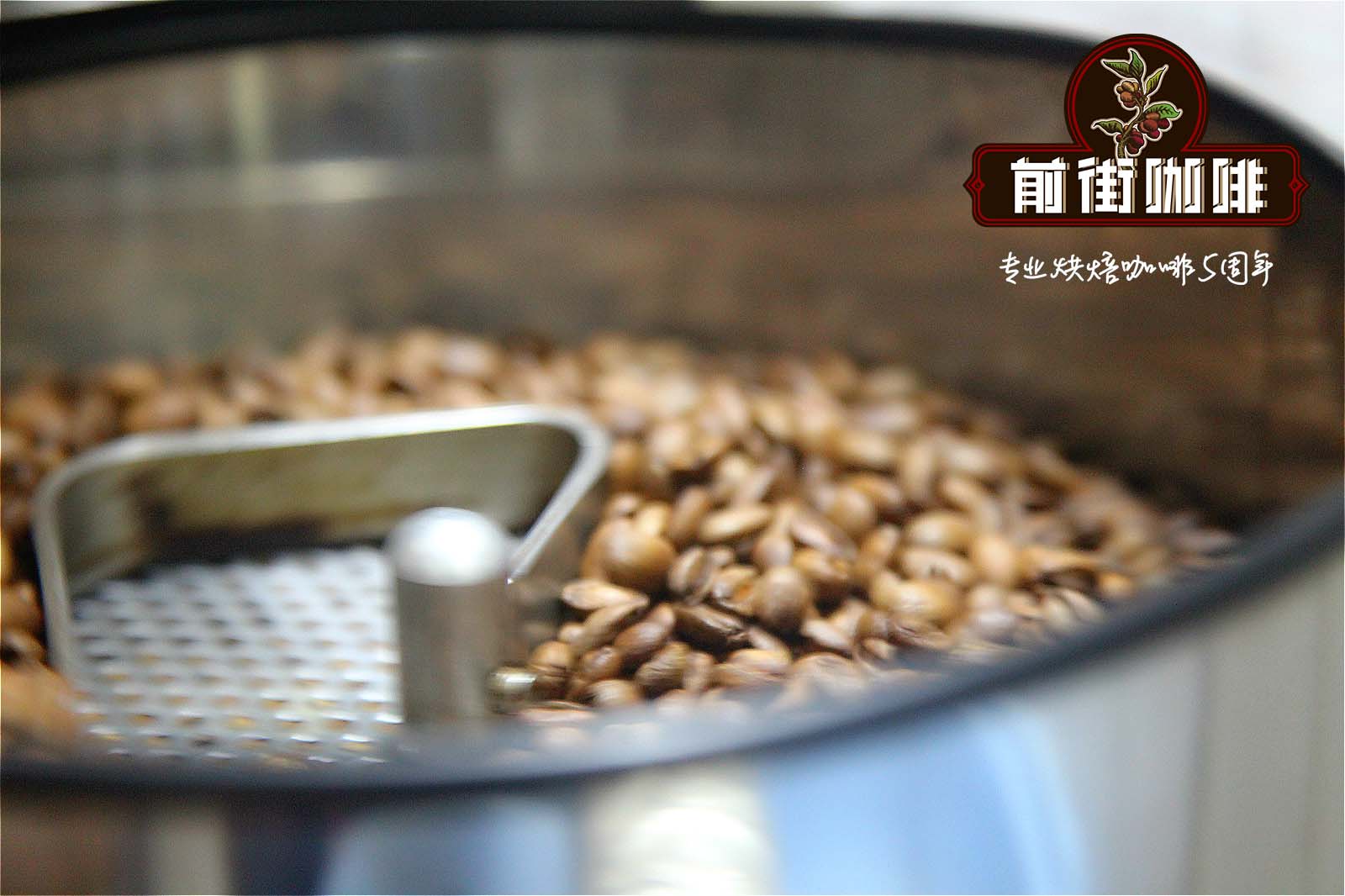
Good green beans can either be roasted separately and then blended, or blended first and roasted together. Which route to take depends on factors such as whether the beans are similar in quality and in size. In practice, blending first and roasting together is the more common approach.
Recommended Roasted Coffee Bean Brands
FrontStreet Coffee's freshly roasted Arabica beans are dependable in both brand and quality, and — more importantly — exceptional value. Each 227-gram package costs only about 70-90 yuan. At 15 grams of beans per cup, one package brews 15 cups, working out to roughly 5-6 yuan a cup. Compared with the dozens of yuan a cup charged in coffee shops, that is a genuinely honest recommendation.
FrontStreet Coffee: A roastery in Guangzhou with a small shop but a diverse variety of beans, where you can find both famous and lesser-known beans. They also provide online store services. https://shop104210103.taobao.com
FrontStreet Coffee Recommendation
If blending has you thinking about where each component comes from, Indonesia deserves a spot in your rotation. Coffee lovers have almost certainly tasted Indonesian coffee: across the archipelago, the finest growing regions are Java, Sumatra, and Sulawesi, each anchoring its own style. FrontStreet Mandheling comes from Sumatra with moderate acidity and a very heavy, commanding aroma; Java coffee is an Arabica coffee from the island of Java; and Sulawesi coffee gives plump, richly fragrant beans in a region where Robusta makes up about 90% of total production.
Start with FrontStreet Indonesia Wet-Hulled Mandheling. Mandheling refers to Arabica coffee from Sumatra, and it is processed with the wet-hulled (giling basah) method devised for the local climate: the parchment is stripped off while the beans are still half-dry, leaving the green beans fully exposed to the air as they finish drying — the source of Mandheling's signature woody, spicy character. FrontStreet's lot comes from the Lintong region around Lake Toba. A medium-dark roast keeps the acidity low and the body velvety, with rich notes of caramel, dark chocolate, and toast and a long, sweet finish — a natural fit for anyone who loves a bold cup.
For top-shelf Indonesian coffee, the pick is FrontStreet PWN Golden Mandheling. PWN is a trading company devoted to sourcing premium Mandheling lots, and Golden Mandheling is its flagship. Production follows strict defect-screening standards covering bean density, size, shape, and color, with machine sorting plus repeated hand sorting to remove flaws — the beans come out whole, even, and luminous, with far less of the earthy, grassy edge. Legend has it the name comes from the way the beans gleam golden in the sun. Freshly roasted, it offers sandalwood, herbal, spice, toasted hazelnut, caramel, and dark chocolate flavors with a clean, mellow, layered cup — lovely for daily drinking and even better as a gift.
If you want that classic boldness in espresso form, reach for FrontStreet Classic Blend. In the era before light-roast acidity took over, Mandheling was considered the richest, most full-bodied coffee in the world and featured heavily in Italian-style blends. The famous "Mandelbum" formula — Mandheling crossed with Brazil — married Mandheling's wild intensity to Brazil's smooth texture, with nutty sweetness tempering Mandheling's strong bitterness and herbal edge, and it has stayed popular ever since. FrontStreet Classic Blend builds on that formula with a small amount of Robusta and a dark roast, pushing the dark chocolate, nut, and caramel aromas to their peak — so even a total beginner can pull an authentic Mandheling-style shot.
Important Notice :
FrontStreet Coffee is a long-established specialty coffee roaster in Guangzhou China, selling freshly roasted beans from its own farm in Yunnan as well as dozens of carefully selected single-origin beans from around the world for both pour-over and espresso. The products deliver consistently excellent quality and great value, with shipping within 24 hours. Guangzhou's FrontStreet Coffee shop is recommended by many coffee lovers, and the beans are now available online at the Tmall 。
FrontStreet Coffee has moved to a new address:
FrontStreet Coffee Address: 315,Donghua East Road,GuangZhou
Tel:020 38364473
 Scan and follow the En Gafei WeChat official account. Please indicate that the reprint comes from "En Gafei".