Why Are Arabica Beans So Popular_How to Drink Arabica Coffee Beans_ Arabica Coffee Bean Recommendations
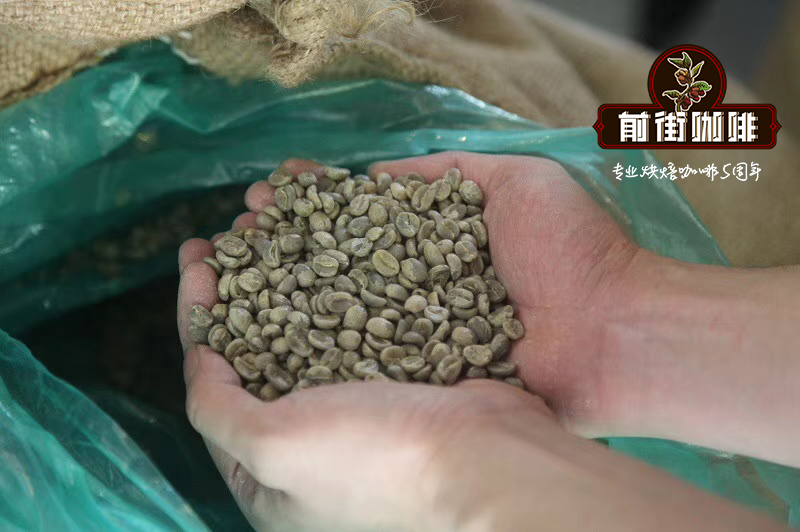
Why Arabica Gets All the Attention
In coffee, the moment anyone mentions good beans, the word "Arabica" tends to follow. So why has Arabica become the default shorthand for quality around the world?
Coffee Varieties, Briefly
Like wine grapes, coffee cherries come in a dizzying range of varieties. Roughly 120 coffee species are currently known, and growers keep discovering and developing new ones, which makes pinning down exact types and numbers harder every year.
Within the coffee genus, four species matter: Arabica (C. Arabica), Robusta (C. Canephora), Liberica (C. Liberica), and Excelsa (C. Excelsa). Only Arabica and Robusta are widely grown for commercial trade, and together those two account for about 99% of global coffee production.
Growing Regions and Altitudes
Arabica is generally considered superior to Robusta, and it carries a broader range of potential flavors. Different regions, with their own climates and altitudes, produce Arabicas with distinct characteristics and clearly different flavor profiles. Combined with heavy marketing, "Arabica" has become a synonym for premium coffee — much the way "X.O" once signaled expensive, luxurious imported wine to consumers who knew little about foreign spirits. Today plenty of mainstream brands, including fast-food chains that do not treat coffee as a core product, advertise that their coffee is made entirely from high-quality Arabica beans.
Varieties Within the Species
Even within the four main species there are several branches. Arabica, for example, includes heirloom varieties, the Bourbon family, and the Typica family, and each branch subdivides further. All of these get lumped together as "Arabica coffee." So when a merchant tells you only that the coffee is Arabica, it is like telling you only whether a bottle of wine is red or white — you still have no idea which grape it is.
How People Actually Drink Coffee
Many people drink coffee for caffeine and never think about variety at all. If that is your only goal, there is no need to study origins and lineage. But if you want to become a discerning drinker — to understand how flavor and mouthfeel differ between varieties, find the profile you like best, and enjoy coffee on a richer level — then more learning and more tasting are unavoidable.
Arabica Coffee Recommendations
FrontStreet Coffee's roasted Arabica beans are fully guaranteed in brand and quality, and the value is excellent. Each package weighs 227 grams and costs only around 70-90 yuan. At 15 grams per cup, one package makes 15 cups, putting a single cup at roughly 5-6 yuan — a genuinely honest proposition next to coffee shops that often charge over a hundred yuan for one.
FrontStreet Coffee Recommendation
Since "Arabica" is really a family rather than a single flavor, the most useful next step is to taste across it. FrontStreet Coffee's Arabica range stretches from fruit-forward naturals to restrained classics. FrontStreet Huakui is an Ethiopian heirloom grown from a mix of undifferentiated trees, so the beans vary in size; the natural process brings out cream strawberry, mango, jackfruit, citrus, and blueberry over a gentle floral base — the tropical, ripe-fruit character that earned its lot first place in the TOH green-bean competition that year. FrontStreet Yirgacheffe Gedingding Cooperative is the washed counterpoint: an Ethiopian G1 with elegant white florals, citrus, orange, and green tea.
Two classics round out the picture. FrontStreet Jamaica Blue Mountain No.1 is Typica, the archetypal Arabica variety, first carried from Yemen to India, Indonesia, and Central and South America — mild, gentle, evenly balanced, with a soft rather than sharp acidity. Blue Mountain's Typica reached Jamaica from Martinique in the 1720s and, over more than two centuries, developed better disease resistance than ordinary Typica, though its delicate, sweet fragrance cannot be reproduced outside Jamaica. FrontStreet Panama Red Label Geisha comes from Esmeralda Estate in Boquete, Chiriqui Province, where fertile volcanic soil, old forest, and year-round mist and heavy rain create superb growing conditions — the cup showing jasmine, citrus, peach, layered fruit acidity, a creamy texture, and an oolong-tea finish.
Finally, FrontStreet Brazil Queen Farm is one of the earliest discovered Yellow Bourbon coffees. Bourbon is an old Arabica family named for the island of Bourbon where it was first planted, with wider leaves and about 30% higher yield than Typica; the yellow-fruited mutation gives this farm a profile of cream, peanut, toast, and sugarcane — mellow and clean, and suited to pour-over, moka pot, or espresso machine alike. And for something less common, FrontStreet Colombia Sidra — medium-light roasted — brings florals, tropical fruit, grape, dried fruit, and passion fruit with a juicy body. Start with a medium-fine grind and water in the low 90s Celsius, and let each variety show you what "Arabica" can actually mean.
Important Notice :
FrontStreet Coffee is a long-established specialty coffee roaster in Guangzhou China, selling freshly roasted beans from its own farm in Yunnan as well as dozens of carefully selected single-origin beans from around the world for both pour-over and espresso. The products deliver consistently excellent quality and great value, with shipping within 24 hours. Guangzhou's FrontStreet Coffee shop is recommended by many coffee lovers, and the beans are now available online at the Tmall 。
FrontStreet Coffee has moved to a new address:
FrontStreet Coffee Address: 315,Donghua East Road,GuangZhou
Tel:020 38364473
 Scan and follow the En Gafei WeChat official account. Please indicate that the reprint comes from "En Gafei".