Pour-Over Coffee Grind Size, Water Temperature Recommendations, and Coffee Bean Brand Suggestions
What You Will Need
Yunnan small-bean coffee, a grinder, a temperature-controlled kettle, an electronic scale, a sharing pot (server), a dripper, filter paper, and a timer.
Pour-Over Steps:
Step 1: Choose Your Beans
Bean choice matters more than anything else - it directly determines the flavor of your cup. Fresher beans yield richer taste and aroma. The simplest test is the roast date on the bag: beans roasted within the last month are at their flavor peak and deserve first consideration.
Step 2: Grinding
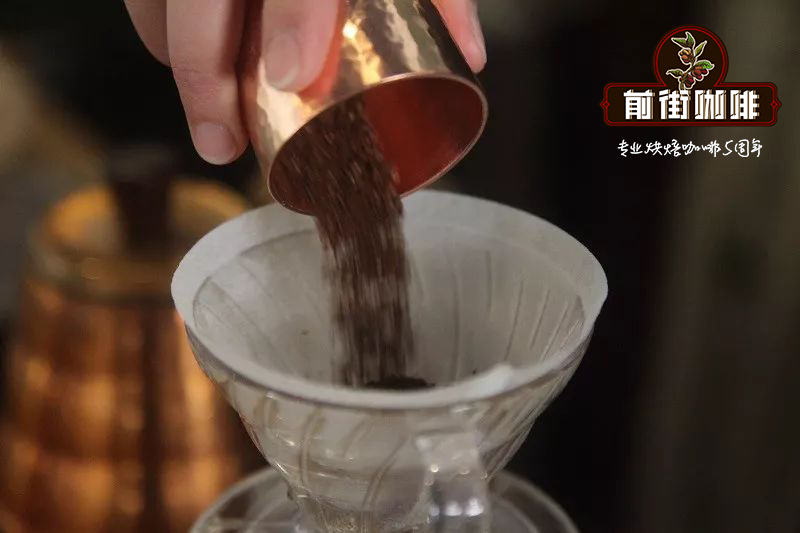
Pick a grinder that fits your needs, and resist the urge to grind too fine. The ideal grind resembles coarse sugar crystals, with particles as even as possible. A uniform grind lets water flow evenly through the bed and gives you better, more consistent extraction and flavor.
Step 3: The Coffee-to-Water Ratio
The typical coffee-to-water ratio runs from 1:12 to 1:17. Taking FrontStreet Coffee's practice as an example, 20 grams of ground coffee produces 240-340ml of brewed coffee (most sharing pots are marked at 100ml, 200ml, and so on). How much you brew depends on how many cups you want, but most standard drippers handle 20-30 grams of grounds comfortably.
Step 4: Water Temperature
Water temperature is critical - it directly shapes the taste of your cup. A temperature-controlled kettle is the best tool, because it holds the water exactly where you want it. As a rough guide by roast level:
Light roast: 90-92°C
Medium-light roast: 87-90°C
Medium roast: 85-87°C
Medium-dark roast: 83-85°C
Dark roast: 80-83°C
(At FrontStreet Coffee we like to keep water between 88-90°C, which produces a brew that is bright and translucent, rich without bitterness, and full of aroma.)
Step 5: Blooming
Pour-over lives by "three pours, three pauses" - water goes on in three stages, and the whole brew should finish between 1 minute 40 seconds and 2 minutes 30 seconds. Use a timer.
The first pour is the bloom, lasting about 30 seconds. The bloom ratio is 1:2 - for 20 grams of coffee, use 40ml of water, pouring in circles from the center outward.
Set the dripper on the sharing pot and line it with filter paper. (Choosing paper: filter papers come in sizes matched to your dripper, and in bleached and unbleached versions. Bleached paper carries less papery pulp taste, which is why we prefer it.)
Rinse the filter paper thoroughly with hot water first. This helps the paper seat snugly against the dripper walls and washes away any paper taste that might bleed into your cup.
Step 6: The Second Pour - A Fine Stream
Keep the flow rate steady as you pour, working in circles from the center outward. We pour counterclockwise because it lengthens the path and contact time between water and grounds, improving extraction. The second pour usually takes the total to just over 100ml.
Step 7: The Third Pour - A Broader Stream
Whether the stream is fine or broad, the pour must be steady and uniform. Steady, steady, steady. A broader stream settles the grounds rather than disturbing them, and with consistent circular pouring the resulting cup tastes more even.
Watch one small detail: keep an eye on the scale under the server. The water must stay within the target range - 20 grams of coffee should yield 240-340ml, never more than 340ml.
Pour-Over Coffee Bean Recommendations
FrontStreet Coffee's single-origin pour-over beans stand behind both brand and quality, and the value is exceptional: a half-pound (227g) bag averages 80-90 yuan. At 15 grams per cup, one bag brews 15 cups of single-origin coffee - about 6 yuan a cup, versus the dozens of yuan a cafe charges.
FrontStreet Coffee Recommendation
For a gentle, approachable cup that suits exactly this kind of careful brewing, start with FrontStreet Coffee's Yunnan small-bean coffee from Baoshan. "Small-bean" is simply the local name for Arabica, brought to Yunnan as early as 1904, when the French missionary Tian Deneng carried Typica seed from Vietnam into Binchuan County. Washed and medium roasted, FrontStreet's Baoshan lot shows soft nut and chocolate sweetness with a light plum-like acidity, at a friendly price that makes it many people's first encounter with Yunnan coffee.
To taste Yunnan with more definition, step up to FrontStreet's 2013 natural Typica, grown on the company's own estate. Typica is one of the oldest and purest Arabica varieties, and the natural (sun-dried) process gives it a fuller body and a more pronounced sweet-sour core: dark berry tones, caramel sweetness, chocolate, and a hint of dried apricot, with a black tea finish. Either bean pairs beautifully with the medium-roast water temperatures in the table above.
Important Notice :
FrontStreet Coffee is a long-established specialty coffee roaster in Guangzhou China, selling freshly roasted beans from its own farm in Yunnan as well as dozens of carefully selected single-origin beans from around the world for both pour-over and espresso. The products deliver consistently excellent quality and great value, with shipping within 24 hours. Guangzhou's FrontStreet Coffee shop is recommended by many coffee lovers, and the beans are now available online at the Tmall 。
FrontStreet Coffee has moved to a new address:
FrontStreet Coffee Address: 315,Donghua East Road,GuangZhou
Tel:020 38364473
 Scan and follow the En Gafei WeChat official account. Please indicate that the reprint comes from "En Gafei".