Characteristics and Stories of Espresso Beans | Espresso Bean Brand Recommendations
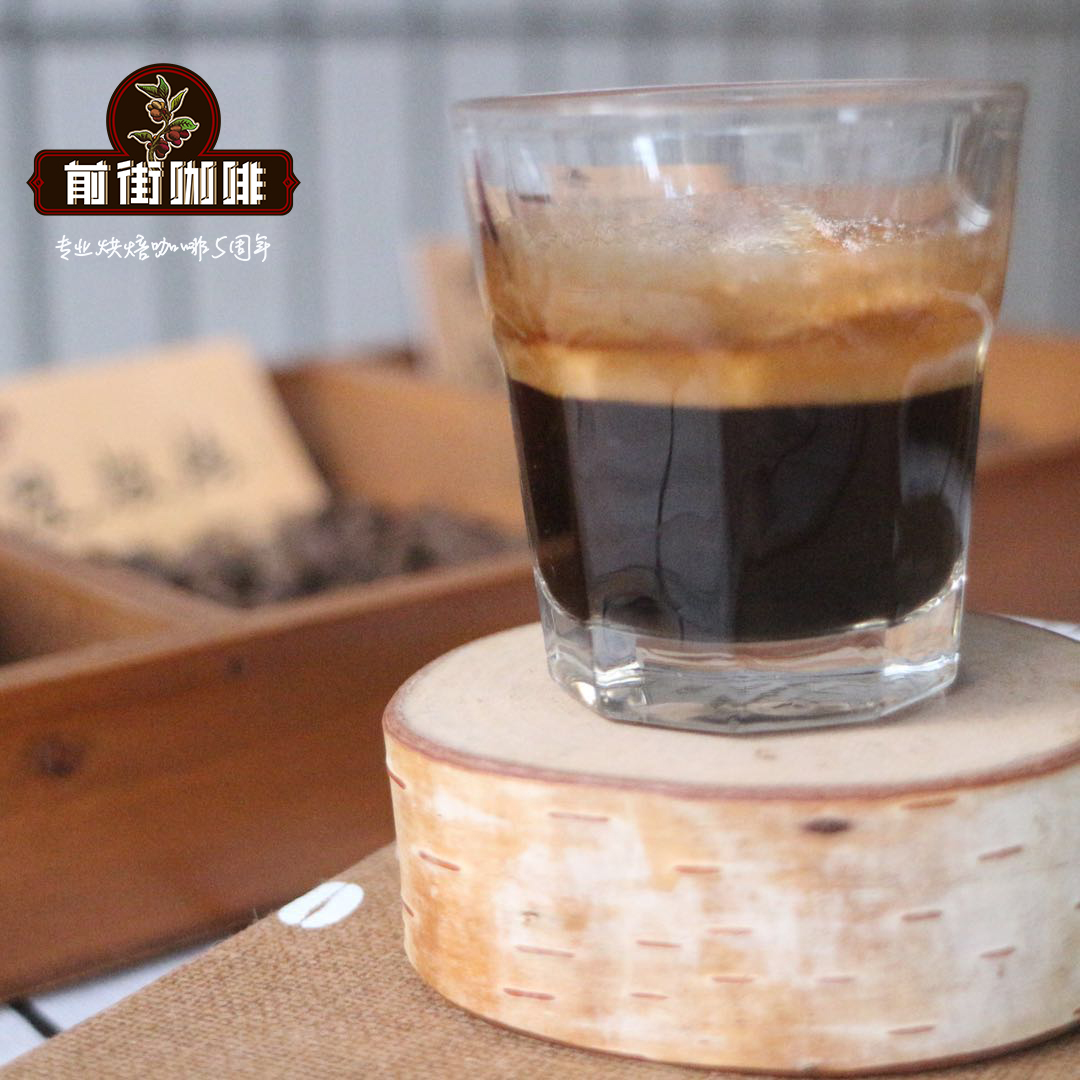
Understanding the Foundation of Espresso
Espresso is the foundation of Italian coffee culture. For baristas, pulling a shot is both the most fundamental skill and the hardest to master, because even the smallest detail can affect the quality of an espresso. FrontStreet Coffee has shared several installments of the "Coffee Development Journal" series on our public account, and the feedback has been quite positive, which shows that whether for professional reasons or personal interest, more and more people are becoming fascinated with coffee. Today FrontStreet Coffee breaks down every important step to consider when making espresso.
Starbucks has specifically developed an espresso roast, using a blend from Latin America and Indonesia. Its characteristics include a rich aroma and soft acidity, balanced by rich caramel sweetness. FrontStreet Coffee currently offers four distinct espresso blends, one of which also uses a Latin American and Indonesian combination. In what follows, FrontStreet Coffee shares the blend parameters we use.
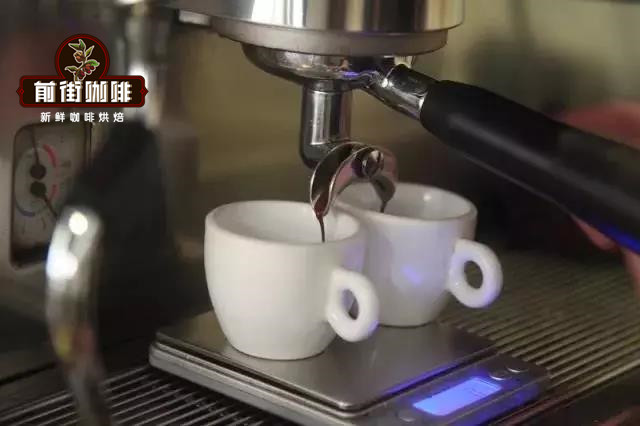
Watch How FrontStreet Coffee Makes Espresso
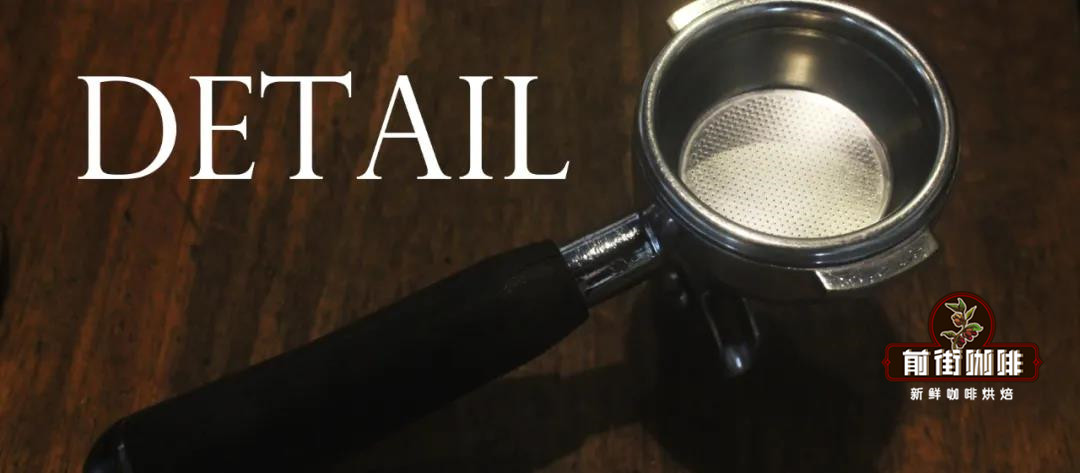
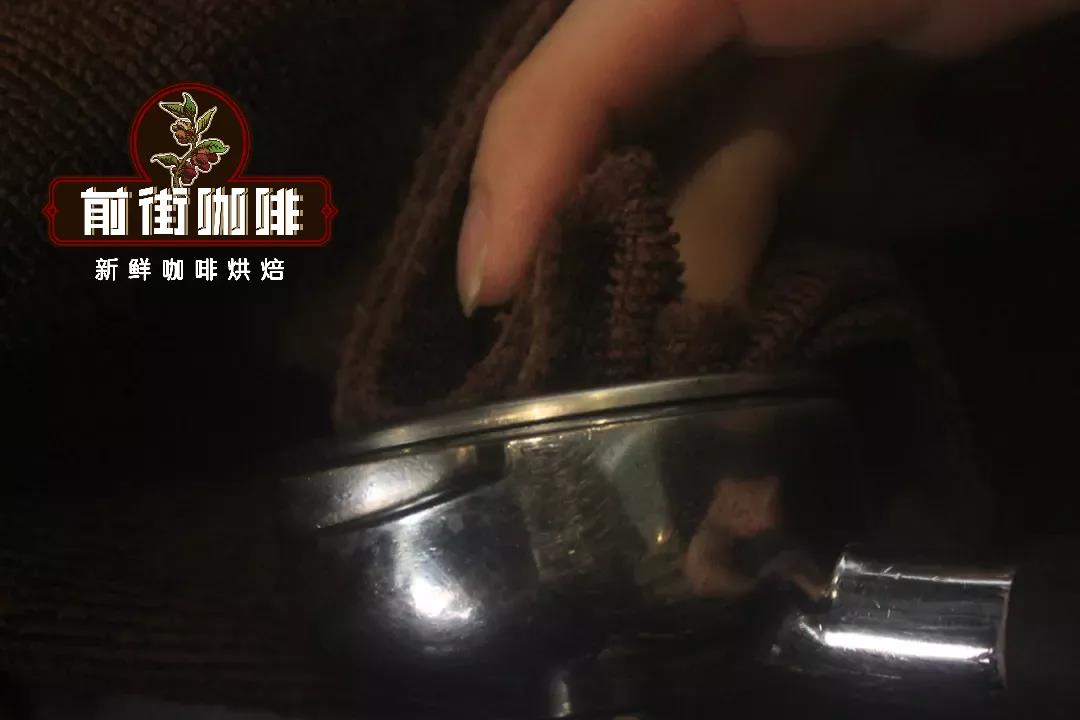
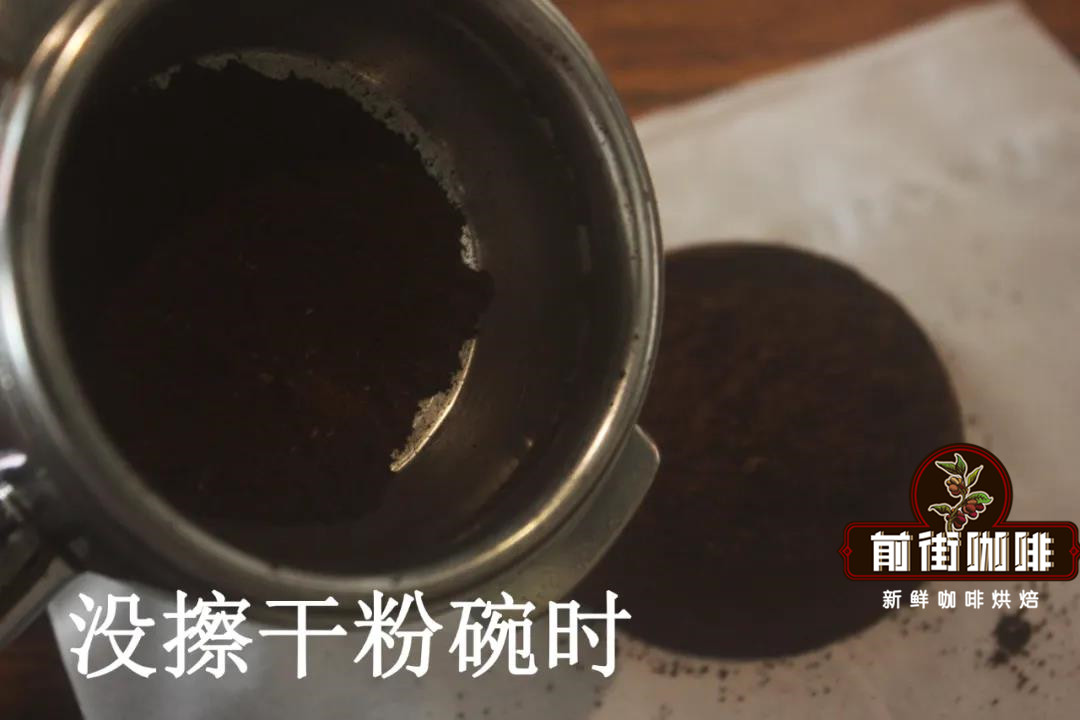
Detail 1: Dry the Portafilter Before Dosing
When you remove the portafilter from the group head, residual water remains. When you dose the coffee, moisture on the portafilter walls wets the grounds and causes uneven extraction. That is why FrontStreet Coffee always dries the portafilter before dosing.
Detail 2: Distribution
Distribution is the process of placing ground coffee into the portafilter basket and spreading it evenly. The most important aspect of this step is uniformity, not merely a smooth surface.
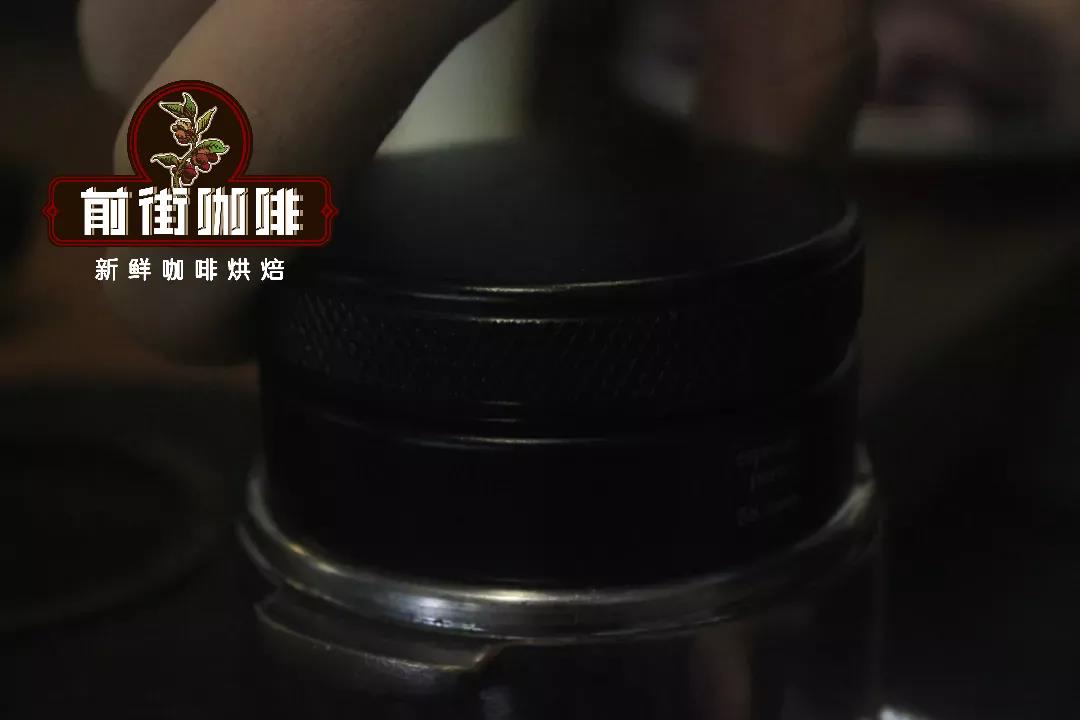
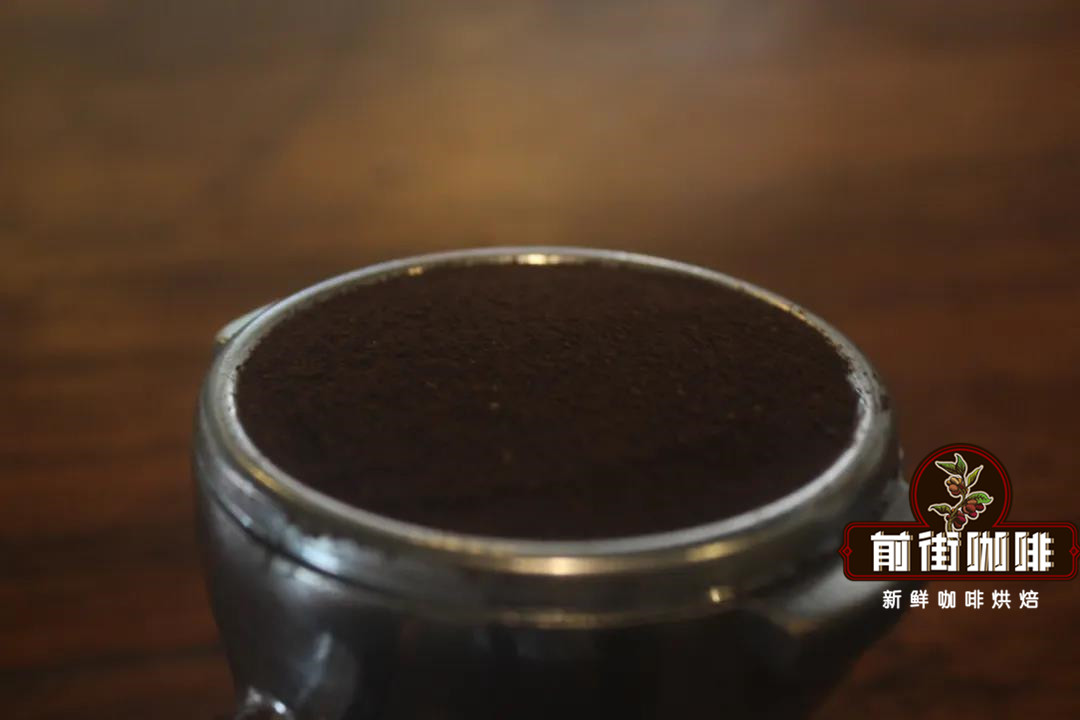
The two most important purposes of distribution are breaking up clumps and leveling the coffee bed. Most electric grinders generate static electricity while grinding, which makes grounds clump together. One purpose of distribution is to break up those clumps so the gaps between particles stay consistent. The other is leveling, which provides a foundation for even tamping later.
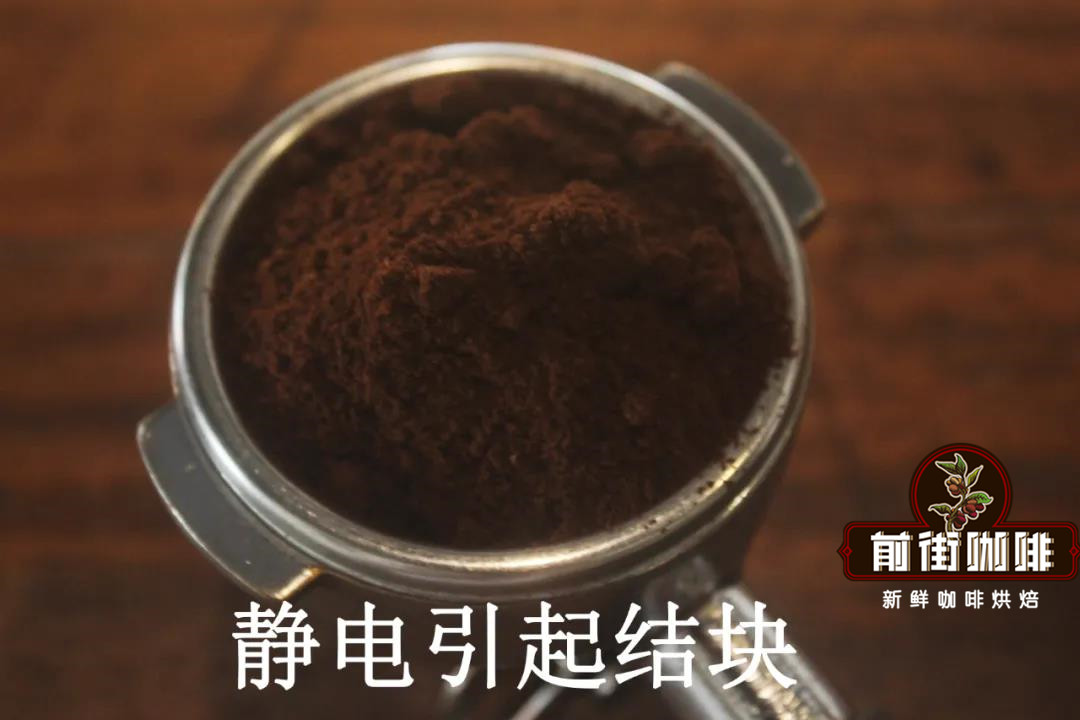
Common distribution methods include finger distribution and using a distribution tool. Finger distribution means gently moving your fingers back and forth across the portafilter basket to level the coffee. FrontStreet Coffee has noticed that some friends apply downward pressure while doing this, which should be avoided. Technically, your fingers should move horizontally along the basket edge.
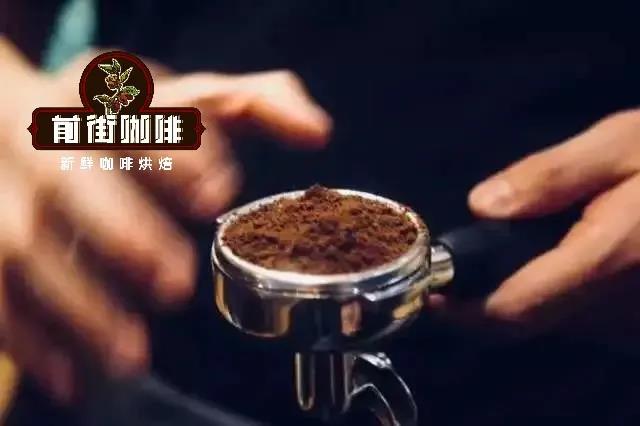
Distribution tools can mix the grounds, break up clumps, and distribute particles evenly, but they have drawbacks too: they waste coffee, the more complex tools demand specific technique, downward pressure during distribution may create internal cracks, and simply smoothing the surface does not guarantee consistent distribution and thickness.
Detail 3: Tamping Must Be Level
Tamping is using a tamper to compress loose coffee grounds so the puck can provide resistance against 9 bar of water pressure.
FrontStreet Coffee has run several experiments. If the puck is not tamped firmly enough, water flows too quickly and freely, producing an espresso with an unpleasant, watery character. If the puck is tamped too tightly, the resistance becomes too strong and the time needed for water to penetrate the puck grows longer, ultimately producing a viscous, burnt, bitter coffee. Generally, concentrating force in your arm (15-25kg) and pressing down once is enough.
Gently hold the tamper and adjust its handle until it feels like an extension of your arm. Keep your wrist straight and rest the bottom of the tamper handle comfortably in your palm. This posture minimizes pressure on your wrist.
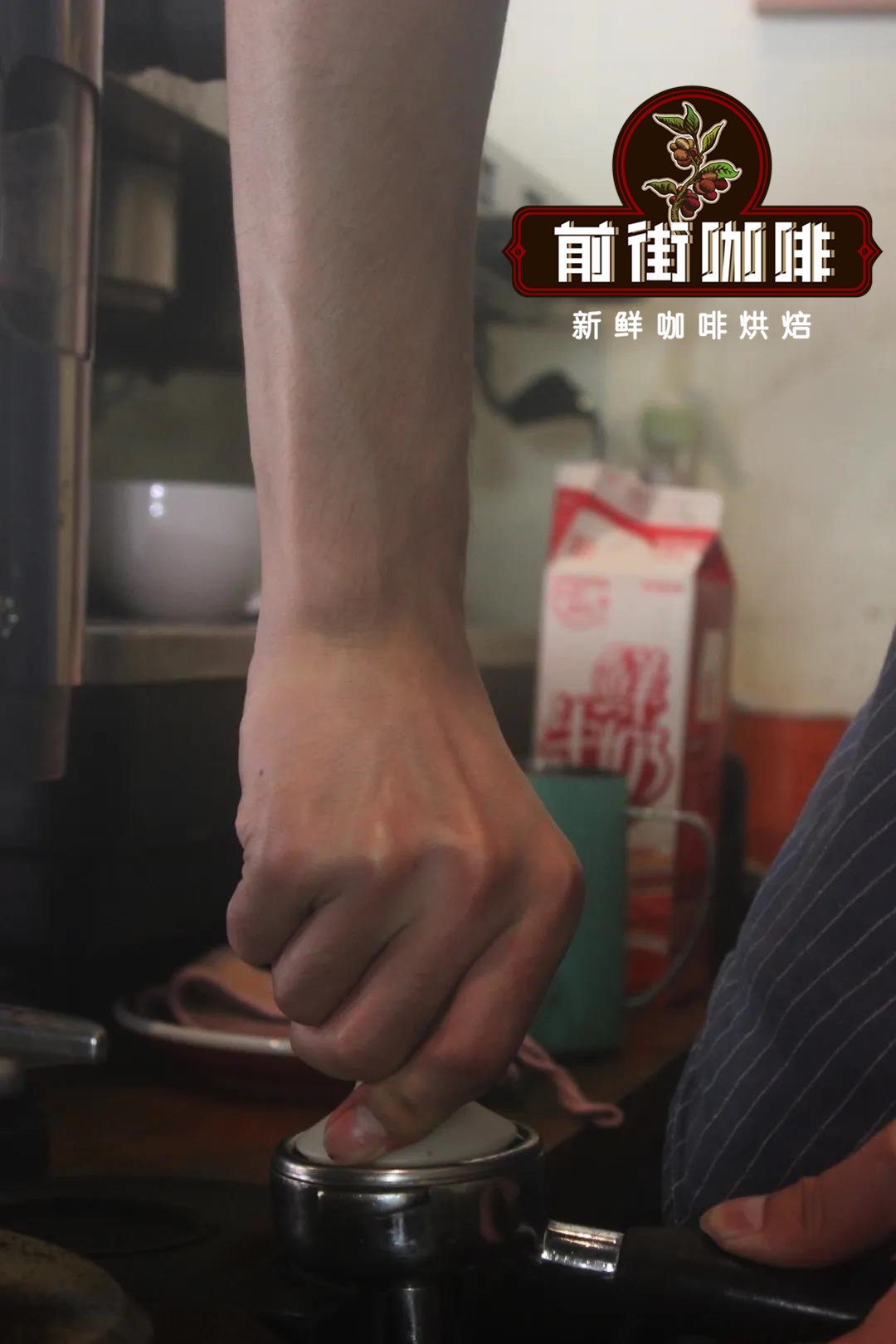
Keep the tamper level and press gently on the coffee bed. That is enough; there is no need to twist or press a second time. More tamping passes can create layers in the puck. Keep it level to avoid uneven thickness that would cause uneven extraction.
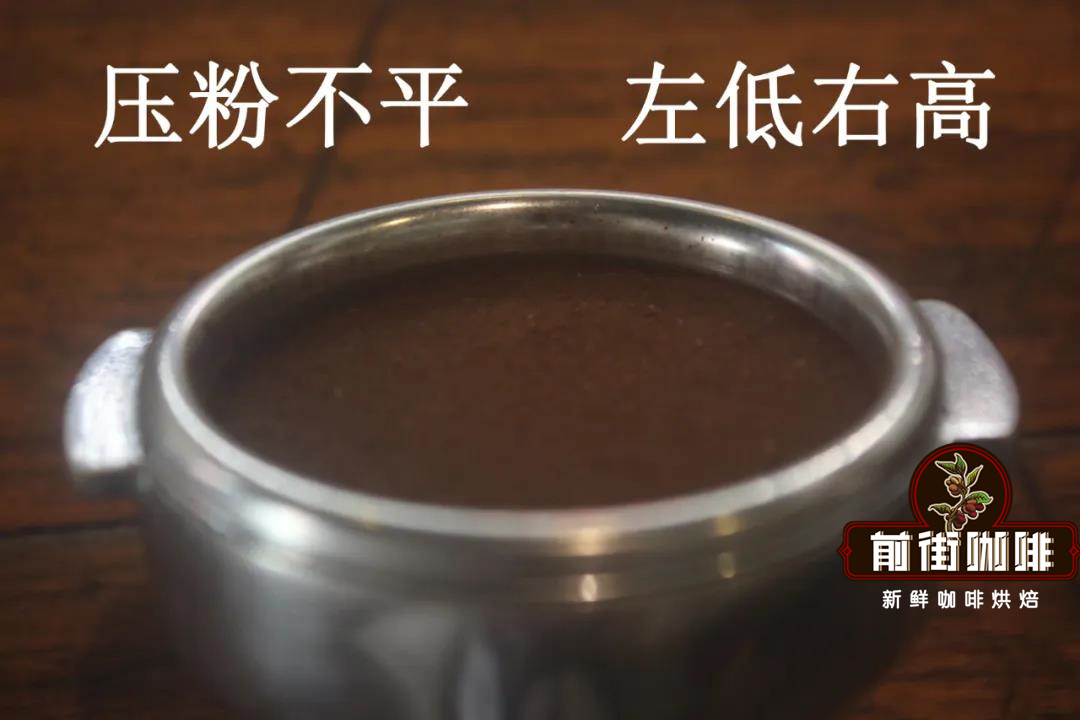
After removing the tamper, some loose grounds may remain on the portafilter walls or the surface of the puck. FrontStreet Coffee reminds you: never tap the portafilter, since this can loosen the connection between the basket walls and the puck and cause channeling. Simply flip the portafilter over to remove the loose grounds, then wipe the portafilter edge clean.
Detail 4: Extraction
After locking the portafilter into the group head, press the brew button immediately. FrontStreet Coffee found through experimentation that the longer the gap between locking the portafilter and pressing the brew button, the more the puck surface gets "scorched" by the high temperature of the group head, giving the espresso burnt, bitter flavors.
Start timing when you press the brew button. Without pre-infusion, liquid should appear after 3-5 seconds.
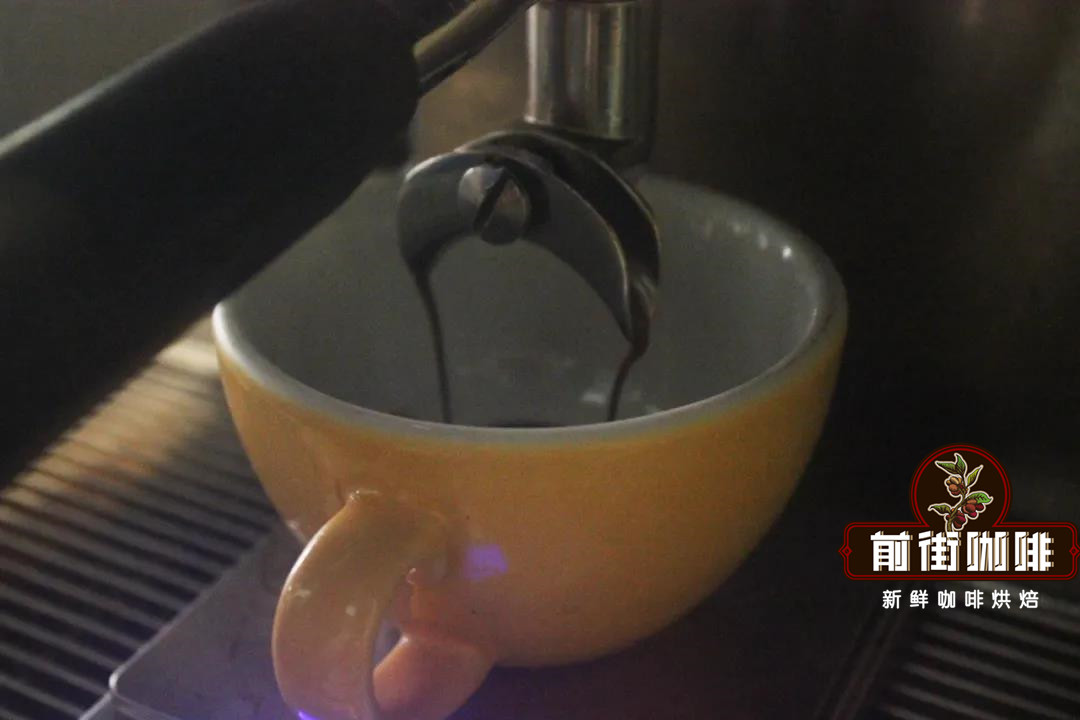
During those first 3-5 seconds, you should see thick, brown espresso flowing. If you see yellow or spurting in this phase, channeling has already occurred, possibly because the grind is too coarse or the distribution or tamping was uneven.
From 8-12 seconds, the flowing liquid will contain orange-brown crema with a stable flow rate.
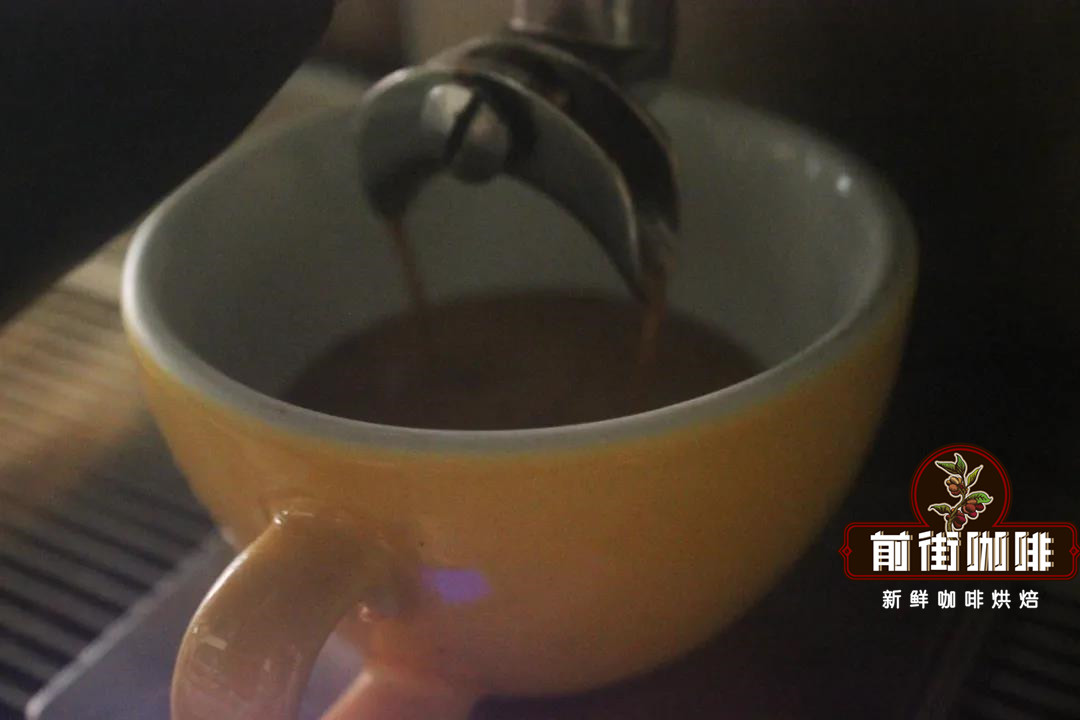
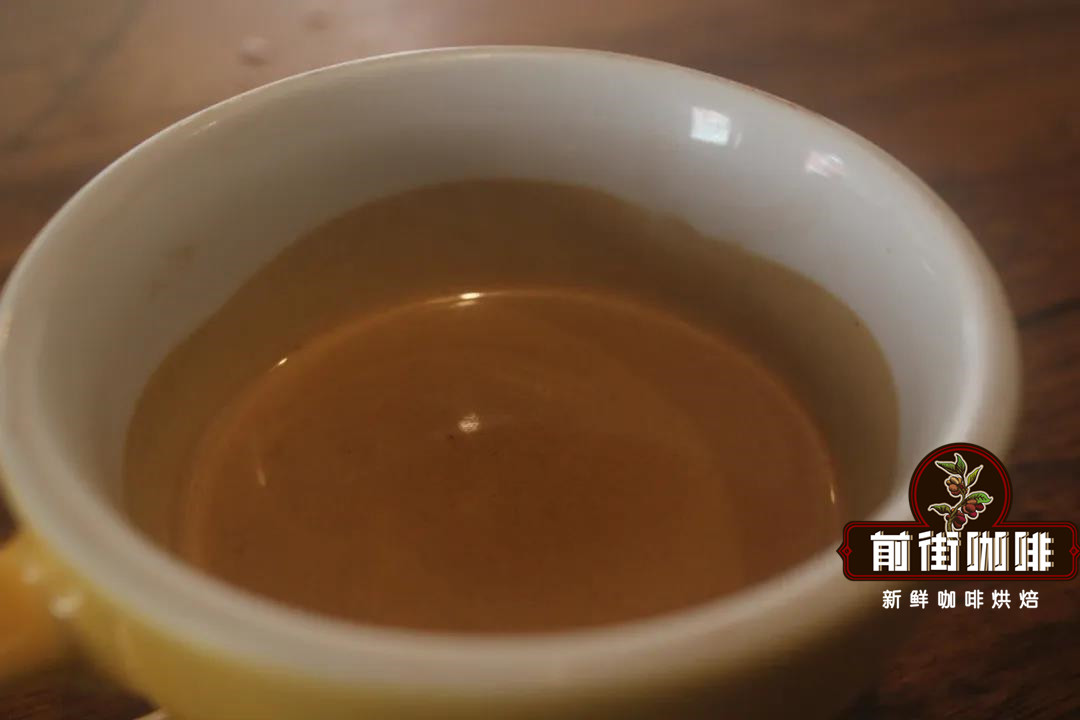
For the rest of the shot, the liquid color grows progressively lighter. The entire extraction should finish within 20-30 seconds. (FrontStreet Coffee's espresso extraction ratio is 1:2.)
Four Types of FrontStreet Coffee Espresso Beans
FrontStreet Premium Espresso Blend
Colombia : Brazil, ratio 3:7, 100% Arabica, post-roast blend.
Flavor profile: A comfortable bitterness and an extremely smooth entry; a subtle grassy aroma, fresh with a slight bitterness; sweet and smooth, with a pleasant aftertaste; medium-dark roasted. As espresso it has a soft, subtle acidity, clear sweetness, and a nutty aftertaste. The overall impression is not too stimulating, balanced, with medium crema. This premium espresso bean is suited to daily coffee shop production.
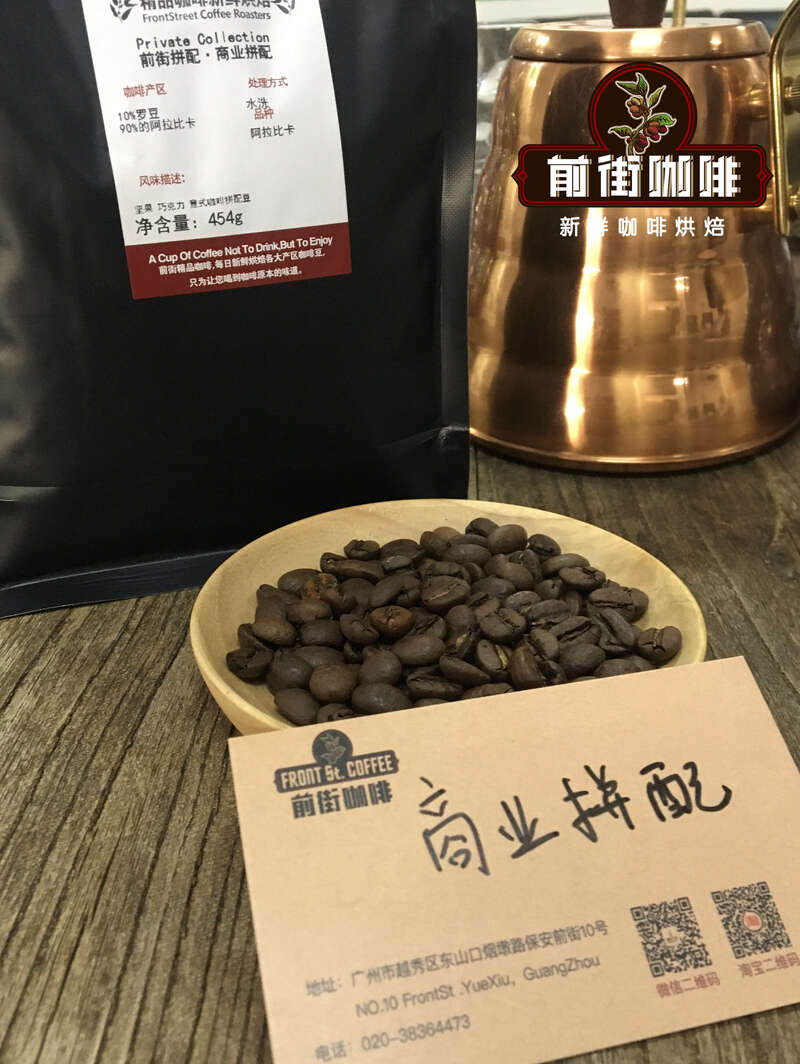
FrontStreet Commercial Espresso Blend
Colombia : Brazil : Robusta, ratio 3:6:1, post-roast blend.
On individual bean flavor, commercial beans are far less impressive than specialty beans. Commercial beans are typically chosen for blending, and with proper blending they can produce a coffee with excellent taste suited to lattes, cappuccinos, and other espresso-based drinks. When FrontStreet Coffee uses this commercial blend for espresso, the Robusta beans provide richer crema and classic flavors, meeting daily shop demands.
Flavor profile: Caramel sweetness, nutty and cocoa notes, dark chocolate flavors, balanced acidity and sweetness, a slight bitterness, and a persistent aftertaste.
FrontStreet Basic Espresso Blend
Yunnan : Brazil, ratio 3:7, post-roast blend.
Flavor profile: Soft fruit acidity, caramel sweetness, nutty and dark chocolate flavors, smooth and viscous, but relatively mild. This basic espresso bean suits shop owners and home users who prioritize cost and have moderate flavor requirements.
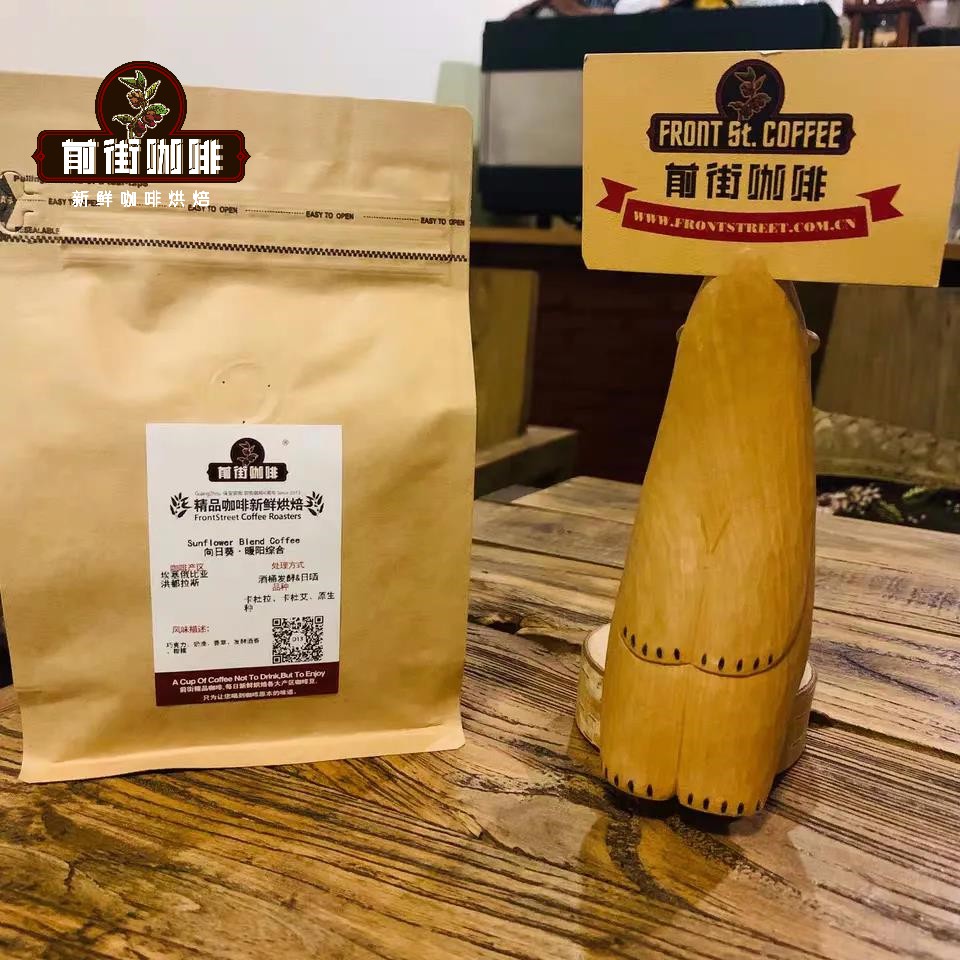
FrontStreet Sunflower Warm Sunshine Espresso Blend
FrontStreet Honduras Sherry : FrontStreet Yirgacheffe Red Cherry, ratio 6:4, post-roast blend.
Flavor profile: Distinct fruit acidity, a subtle lingering berry aroma, rich wine and chocolate flavors, and a comfortable aftertaste and finish.
FrontStreet Coffee has found in practice that adding Robusta beans to an espresso blend can provide more caffeine, better crema, and a better flavor balance. Some people still believe Robusta beans are inferior, largely because of ingrained impressions from countless articles criticizing Robusta, beyond their higher caffeine content. After multiple ratio adjustments, FrontStreet Coffee has concluded that a Robusta proportion within 10-20% is best for overall flavor expression. Exceeding this ratio can introduce rubbery flavors.
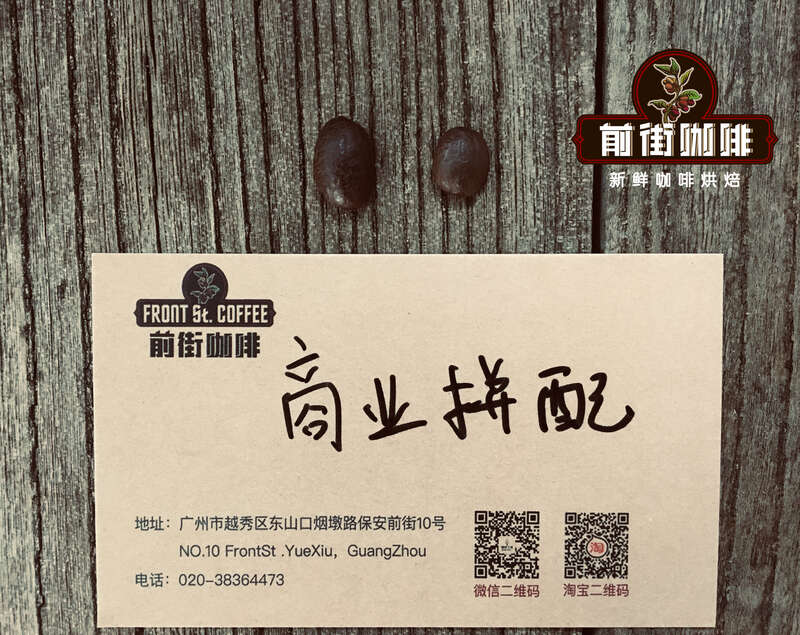
In the image below, the left side shows Arabica beans and the right side shows Robusta beans. Robusta beans are rounder in shape, while Arabica beans are more elongated. FrontStreet Coffee often meets customers who worry about identifying whether beans are pure Arabica, but they can actually be distinguished clearly by appearance.
FrontStreet Coffee Recommendation
If you love an espresso with deep body and low acidity, the Indonesian profile is a natural match. FrontStreet Indonesia Wet-Hulled Mandheling comes from the Lake Toba area of the Lindong region. The wet-hulled process, in which the parchment is stripped while the beans are half-dry, leaves the green bean exposed to the air and gives it typical herbal and spice notes. Given a medium-dark roast, it is low in acidity and full-bodied, carrying caramel, dark chocolate, and toast aromas with a long, sweet aftertaste.
For the top of that category, FrontStreet PWN Golden Mandheling is the choice. PWN sources only specialty-grade Mandheling, and Golden Mandheling is its flagship. Selection is strict, based on density, size, shape, and color, and the beans must meet G1 after machine and manual sorting to remove defects. Freshly roasted, it shows sandalwood, herbs, spice, roasted hazelnut, caramel, and dark chocolate in a clean, sweet, and remarkably layered cup.
And for an espresso built on the classic Mandheling-Brazil combination, FrontStreet Classic Blend is a long-standing favorite. Created in the spirit of the old "Mamba" recipe, it melds Mandheling's wild character with Brazil's smooth body, adding a small amount of Robusta for rich, golden crema and a deep roast that pushes dark chocolate, nut, and caramel aromas to the front. Even a beginner can pull an authentic Mandheling-style shot with it.
Important Notice :
FrontStreet Coffee is a long-established specialty coffee roaster in Guangzhou China, selling freshly roasted beans from its own farm in Yunnan as well as dozens of carefully selected single-origin beans from around the world for both pour-over and espresso. The products deliver consistently excellent quality and great value, with shipping within 24 hours. Guangzhou's FrontStreet Coffee shop is recommended by many coffee lovers, and the beans are now available online at the Tmall 。
FrontStreet Coffee has moved to a new address:
FrontStreet Coffee Address: 315,Donghua East Road,GuangZhou
Tel:020 38364473
 Scan and follow the En Gafei WeChat official account. Please indicate that the reprint comes from "En Gafei".
![El Salvador Coffee | Single Origin Coffee Bean Recommendation | Borgonovo Estate [Black Owl]](https://en.gafei.com/uploads/allimg/180915/17-1P9151PIBZ-lp.jpg)