Professional Barista Training | WBRC Coffee Competition Simulation | FrontStreet Coffee Barista Assessment Process
To keep in-store production consistently stable, FrontStreet Coffee baristas run occasional internal assessments as an everyday evaluation benchmark. These mainly examine a barista's presentation skills and bean knowledge—explaining origin information, brewing methods, and descriptions of flavor, aftertaste, acidity, and more.
Today, I'll play the role of "judge" in this explanation... haha~~
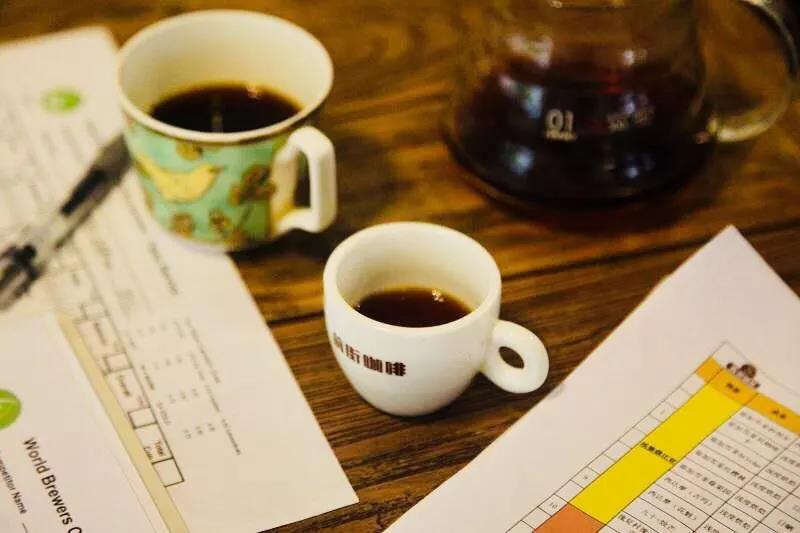
Some of you may have noticed that FrontStreet Coffee holds periodic "spot check assessments." Why? Besides testing our familiarity with the beans, the deeper purpose is to present everyone with a genuinely good cup of coffee—and to let people enjoy the taste and the story behind each one. How do the assessments work? Certainly not by simply brewing a single-origin coffee. What exactly is the process? First, let me introduce the scoring sheet we use:
World Brewers Cup (WBrC) Score Sheet
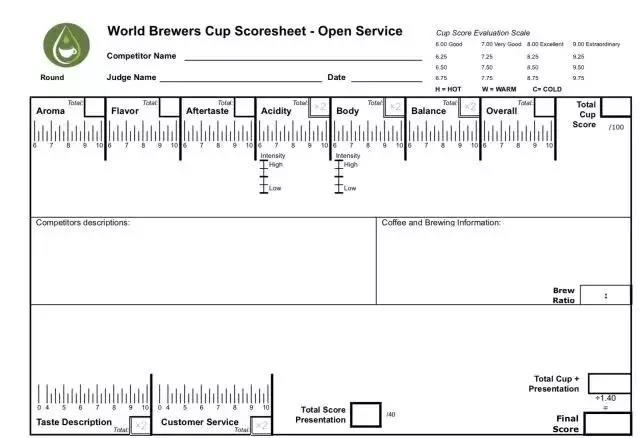
1. Wet Aroma
Broadly, the character of a coffee's wet aroma corresponds to its origin. The intensity of wet aroma, however, is usually tied to freshness—measured by the time between roasting and use—and to how well the packaging isolates moisture and oxygen. Wet aroma refers to the fragrance of the coffee liquid. It is generally less obvious to the nose than dry aroma; when identifying it by smell, we typically do so while the coffee is still hot, using the evaporating liquid to carry the aroma upward.
2. Flavor
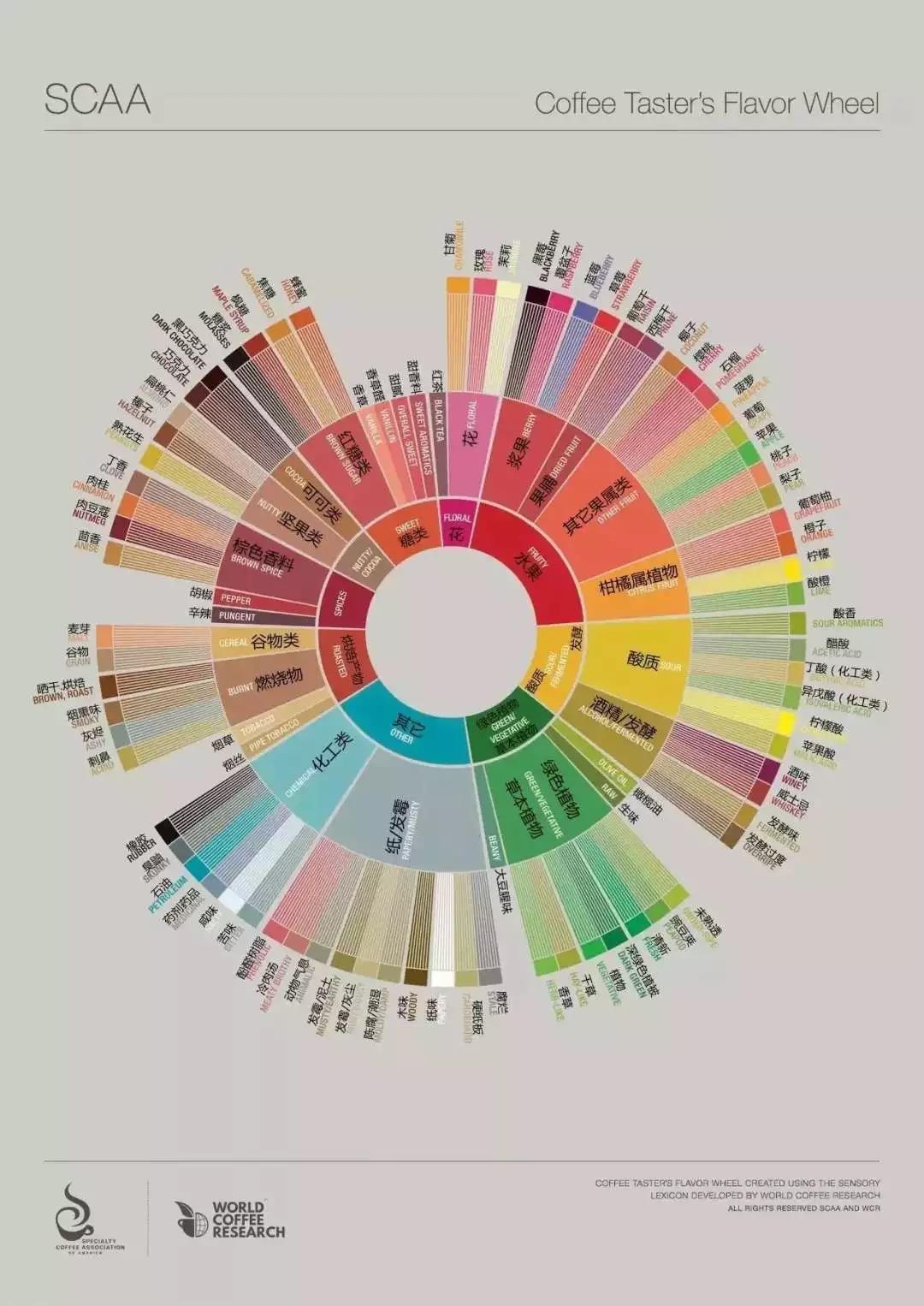
Flavor represents the main character of the coffee—the "middle section" of the sensory experience: the various tastes, smells, and retro-nasal aromas felt between the first impression of wet aroma and acidity and the final aftertaste. It combines all taste-bud perceptions with retro-nasal olfactory impressions, and the score must account for the intensity, texture, and complexity of both taste and wet aroma, evaluated through a vigorous slurp that engages every taste bud. If you're unsure how to describe it, consult the flavor wheel:
3. Aftertaste
Aftertaste is defined as how long positive flavor characteristics—taste and aroma—linger on the back of the tongue after the coffee is swallowed or spat out. After slurping, whatever tastes, aromas, or textures remain in the mouth counts; good flavors linger longer, and sweetness in particular may remain clearly perceptible or even spread after the coffee is gone.
A short aftertaste, or one with negative characteristics, diminishes the experience and scores low; an aftertaste that enhances the experience scores high. Little or no aftertaste naturally earns a low score.
4. Acidity
Acidity with positive flavors is often described as the "brightness" of coffee. Good acidity is nothing like vinegar: even bright and lively, it can express diverse acids—citrus, berries, sweet lemon, melon-like sweet acidity, or the crisp fruit acids of a just-ripe apple. Acidity with negative flavors is called "sourness": bad acidity resembles unripe fruit or vinegar, while other undesirable acids evoke overripe or spoiled fruit, with detectable fermented or rotten notes.
At its best, acidity gives coffee sweetness, a lively texture, and fresh, fruit-like character, and it is typically felt and evaluated the moment you drink. But overly strong or prominent acidity is uncomfortable, and excessive acidity may simply not suit the coffee's flavor profile.
The final mark on the horizontal scale must reflect the quality of acidity the judge perceives, judged against the flavor characteristics expected from the origin's terroir and other factors (roast level, intended use, and so on).
During assessments, we require that coffee information—origin, variety, processing method—be linked and conveyed in the presentation. Whether the acidity is high or low in intensity, if its quality is good it will be reflected in the score and the overall impression.
5. Body
How should we understand body? A viscous espresso is one manifestation of it. Viscous espresso texture has high body, but juiciness can also create a high-body feel (imagine drinking soup, juice, or fine tea). Body is not a distinct taste the palate detects—it is a feeling, a sense of weight.
The quality of body rests on the beverage's mouthfeel, especially the sensation between the tongue surface and the upper palate. A "heavy" or "light" coffee may both score high on texture, provided the liquid feels good in the mouth; some relatively "light" coffees are genuinely pleasant. Both heavy-mouthfeel and light-bodied coffees can earn high body-texture scores even though their intensities differ completely. Reference: [What is coffee body? How to brew coffee with body?]
6. Balance
Balance asks whether all of the coffee's scoring elements are harmonious. It integrates flavor, aftertaste, acidity, and body into complementary or contrasting sensations. If the coffee lacks certain aromatic or taste qualities, or if some characteristic dominates, the balance score drops. Does bright acidity still transition into sweetness? Is a viscous texture free of astringency? Harmonious flavors earn a high score here.
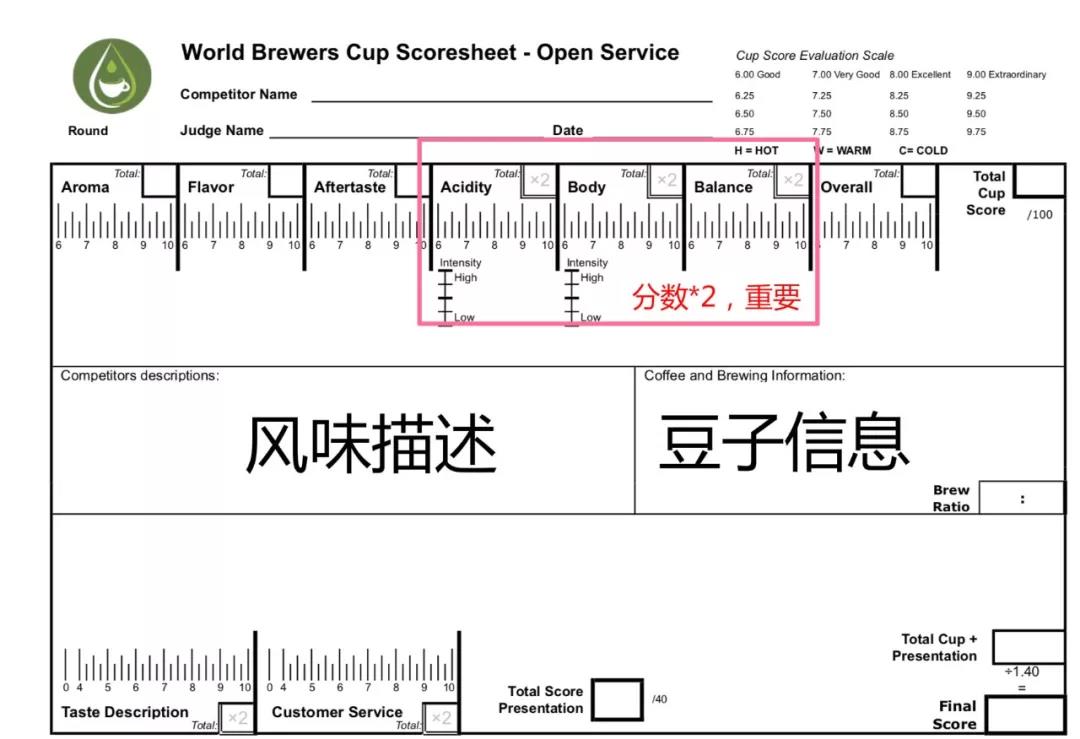
7. Overall Impression
The "Overall Impression" score reflects the judge's most complete feeling about the brewed beverage. A coffee that performs well on many levels but is somehow "not quite there" still scores lower. To earn a high score here, the coffee must fully present its unique terroir in flavor and meet the expectations those characteristics set up. The classic example: if a judge has preferred traits that cannot be properly captured in the individual categories, the overall impression score may be raised to reflect them. This category lets judges evaluate through personal perception.
Record each score by drawing a line and circling it on the intensity scale to indicate the degree of quality. If the measured degree changes—certain characteristics strengthening or fading as the coffee cools—draw another line and an arrow showing the direction of the final revision.
Scoring Scale
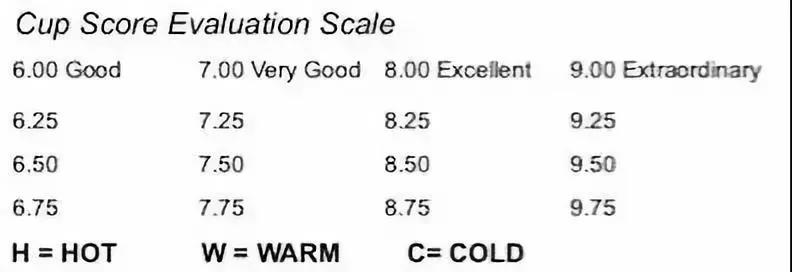
Limited to the following range:
Judges must score using this scale: Good, Very Good, Excellent, and Outstanding. Judges cannot give scores below 6.00; anything below "Good" counts as 6.00 points.
Each scoring item uses a horizontal scale (left to right) to mark the relative quality perceived for that item, based on the judge's experience and understanding of quality.
Some items also carry a vertical scale (top to bottom), used to record the intensity of a sensory element as a reference only—it does not enter the score.
Once evaluation is complete, scores are entered in the "Total" section of each table, and the scorer calculates each item's cumulative total.
So much for the theory—what about the actual assessment process, and how should a barista introduce a coffee?
First, as in real competitions, baristas prepare a presentation script. Here is Barista Xiao Yu's as an example:
Today I'm brewing an amazing bean for everyone—[Elida Natural Typica]. As the name suggests, it comes from Elida Estate in the Boquete region of Panama. Boquete is a town in Chiriquí Province near the Panama–Costa Rica border, close to the famous Barú Volcano. The east-to-west terrain lets cold air currents converge at 1670-1850 meters along the central mountain range, creating multiple microclimates across Boquete; temperature and rainfall are wonderfully suited to plant growth, so the coffee trees here thrive.
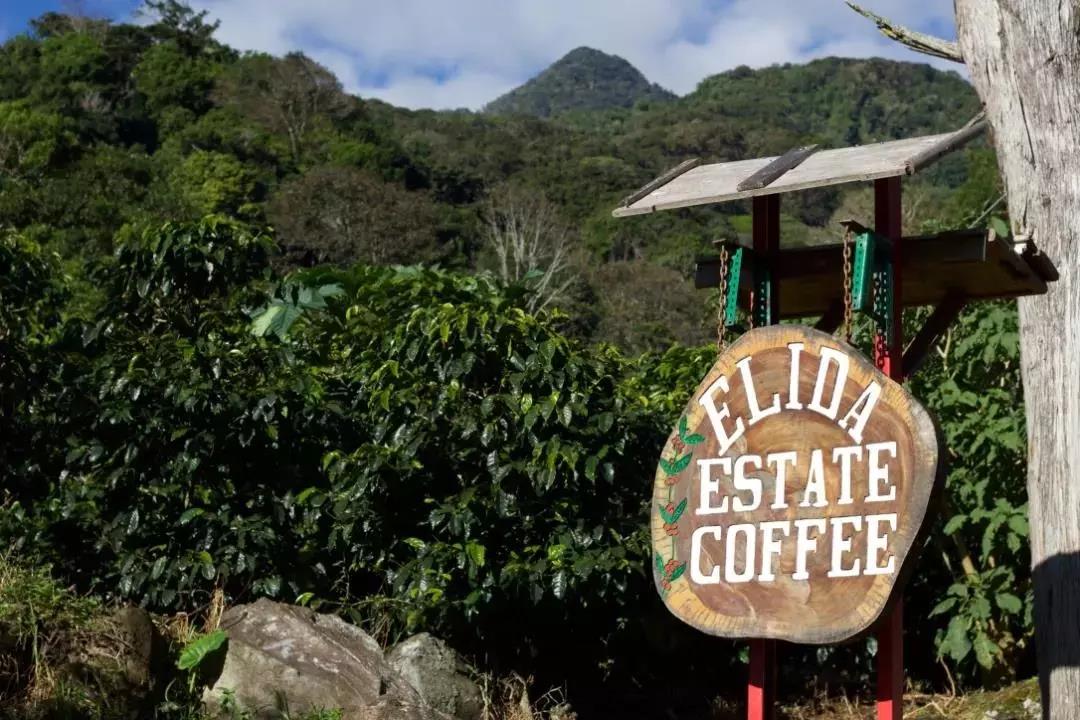
Only 30 hectares of the estate are planted with coffee; the rest remains original forest. At this altitude, low temperatures delay cherry maturation by about a full month compared with normal ripening. The fertile volcanic soil supplies ample nutrients, and combined with the excellent microclimate the Barú Volcano brings, Elida Estate consistently achieves outstanding results in cupping competitions.
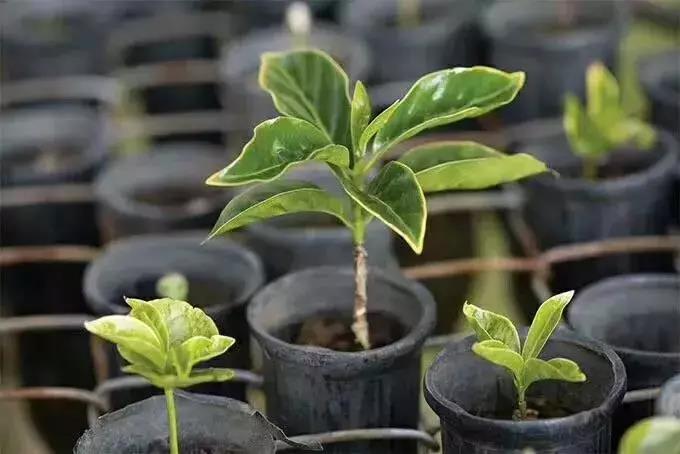
Elida grows mainly three varieties: Catuai, Typica, and Geisha. The estate's processing plant sits halfway up the mountainside, so coffee can go straight from picking to processing without quality loss. The estate is now run by descendants of the Lamastus family. This particular bean is Typica—one of the oldest known arabica varieties.
Typica has elongated beans, tall trees, oval fruits, and slightly inclined branches—four slender limbs spreading at an inclination of 50-70 degrees. Yield per tree is very low, but cupping scores are very high.
Estate owner Mr. Wilford pours considerable effort into harvesting and processing. To meet the highest standard, only hand-picked fully ripe cherries are allowed; high maturity naturally means higher sugar content in the mucilage—the foundation of quality flavor. Using refined natural processing, the beans rest on raised beds and in shaded sheds, stirred at irregular intervals, and undergo "purification" after drying—a bar more rigorous than industry norms. The coffee then rests for more than 5 months at low temperature to shed its greenness, letting the flavors develop in fuller balance.
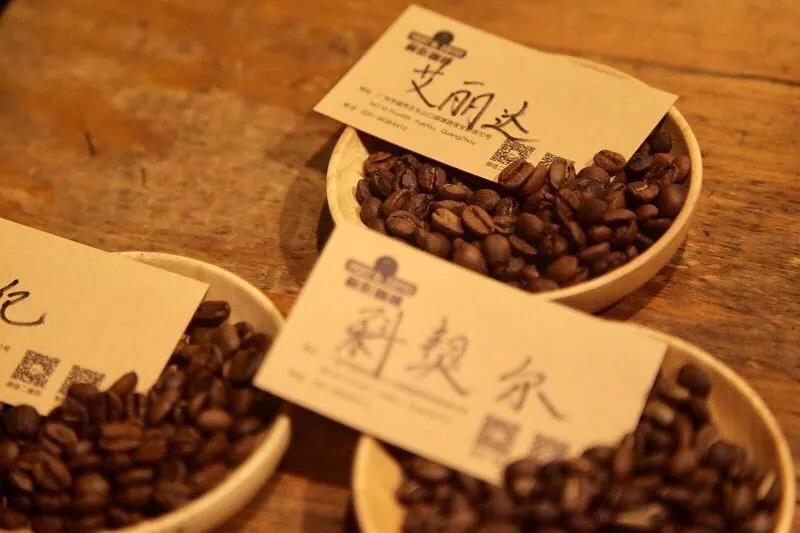
This bean carries a medium-light roast, preserving its caramel and delicate floral notes.
Today I'm using 90°C water, BG 5R (grind setting), a 1:15 coffee-to-water ratio, and V60 three-stage brewing.
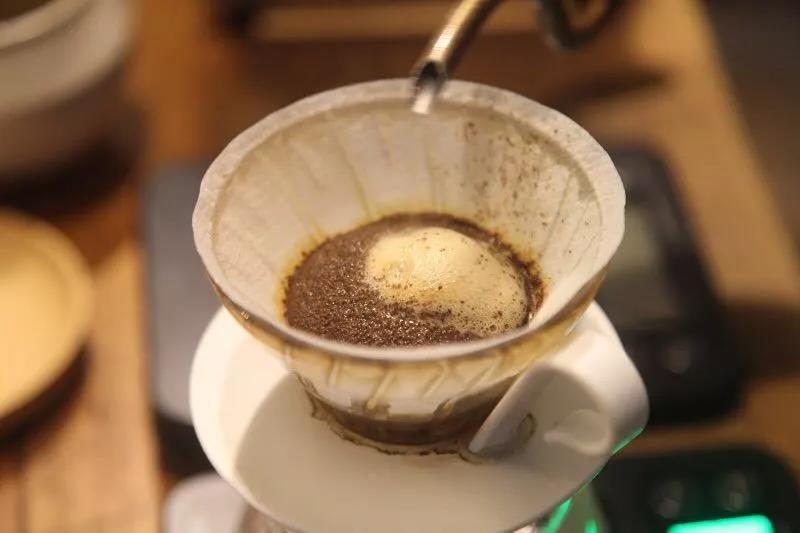
I chose the V60 to extract layered flavor in a short time. First, 25g of water for a 30-second bloom. First pour to 120g, small water flow circling slowly from inside out, slightly faster at the outer edge;
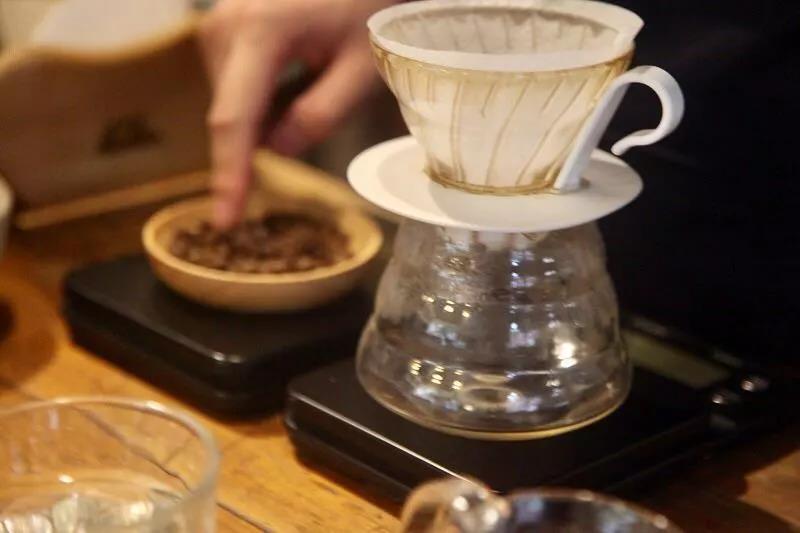
Wait for the liquid level to drop by one third to one half, then make the second pour to 225g, slightly increasing both flow and circling speed. Stop extraction at 2:05.
This cup of [Elida Natural] shows jasmine florals and orange acidity in the front, melon, cane sugar, and jackfruit sweetness in the middle, and grapefruit and green tea notes in the finish. Overall it is highly clear and smooth on the palate. I hope you enjoy it!
Then, based on this information,
As the coffee cools, judges score each item at three different temperatures:
(1) "Hot" is defined as approximately 70°C
(2) "Warm" is defined as approximately 40°C
(3) "Cold" is defined as between 25°C and 30°C
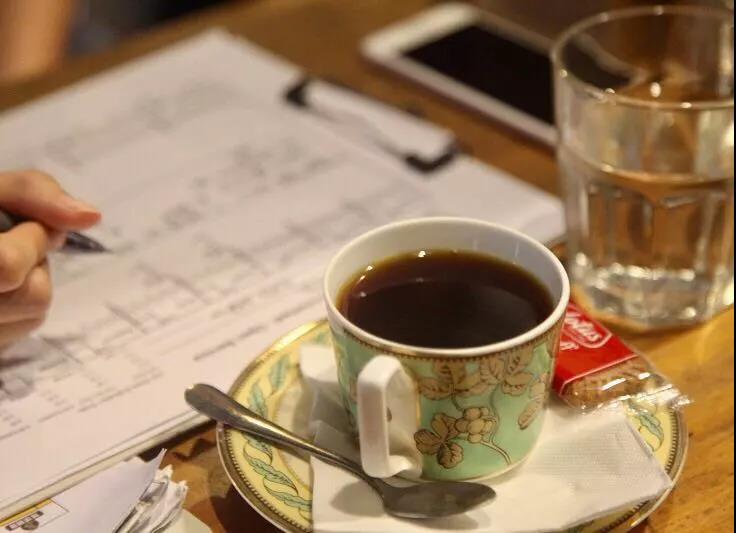
Scoring stops once the beverage cools to 25°C. After weighing all sensory characteristics, judges determine the overall impression score.
Judges must clearly mark the "Hot," "Warm," and "Cold" stage scores on the horizontal scale, using the letters H, W, and C—or circling and arrows—to show how quality changes over time.
Judges record detailed sensory impressions in the notes section as scoring references and to help competitors understand the evaluation. Notes must describe only sensory or customer-perspective feelings about the beverage, never brewing technique: describing "sharp acidity" or a "burlap bag taste" is acceptable; "brewing time too long" or "under-extracted" is not.
This is the daily assessment process for FrontStreet Coffee baristas—from a single bean's growing information through cupping, brewing, and tasting. Every barista works with dedication, striving to bring better flavors to everyone.
FrontStreet Coffee Recommendation
The Elida presentation shows how much a roast level shapes the cup, and the same logic guides FrontStreet Coffee's roasting choices. Roasting balances three elements—acidity, sweetness, and bitterness: darker means more bitter and fuller-bodied; lighter means more acidic and delicate. For balance, medium roast is the sweet spot.
FrontStreet Coffee's medium-roast picks include the Brazil Queen Estate Yellow Bourbon from Mogiana—cream-roasted peanut, chocolate, toast, and sugarcane, at home in pour-over, moka pot, or espresso machine; the Strawberry Sugar Geisha blend, marrying Costa Rican honey process with Panamanian washed Geisha for orange-blossom honey aroma and rounded sweetness across cold brew, pour-over, and espresso; the 2013 natural Typica from FrontStreet Coffee's own Yunnan estate, with soft notes of nuts, red sugar, black tea, and dried apricot at excellent value; and the Jamaica Blue Mountain No. 1, whose medium roast fuses acidity, bitterness, sweetness, and body into chocolate, roasted nuts, cream, and caramel—an elegance few coffees can match.
And if you want to taste a cup brewed to WBrC judging standards—wet aroma, flavor, aftertaste, acidity, body, balance—any of these beans, rested 4–7 days from the roast date and brewed fresh, will show you exactly what the score sheet is talking about.
Important Notice :
FrontStreet Coffee is a long-established specialty coffee roaster in Guangzhou China, selling freshly roasted beans from its own farm in Yunnan as well as dozens of carefully selected single-origin beans from around the world for both pour-over and espresso. The products deliver consistently excellent quality and great value, with shipping within 24 hours. Guangzhou's FrontStreet Coffee shop is recommended by many coffee lovers, and the beans are now available online at the Tmall 。
FrontStreet Coffee has moved to a new address:
FrontStreet Coffee Address: 315,Donghua East Road,GuangZhou
Tel:020 38364473
 Scan and follow the En Gafei WeChat official account. Please indicate that the reprint comes from "En Gafei".