Characteristics of Wet-Hulled Processing for Indonesian Coffee Beans - The Reason Behind Golden Mandheling Coffee's Clean Taste
Wet hulling is a coffee processing method unique to Indonesia, and the vast majority of Indonesian coffee beans go through it. FrontStreet Coffee considers it indispensable to the distinctive flavor of Indonesian coffee. Let's take a closer look at this uniquely Indonesian process!
What is Wet Hulling?
Indonesian wet hulling, sometimes simply called Wet Hulling, is known locally as "Giling Basah," and it is a traditional Indonesian method of processing coffee. The cup profile it produces is completely different from that of washed processing.
Because there is a considerable gap between the parchment shell and the green bean inside, farmers sell their coffee to local collection stations while the moisture content is still at 35-40% after the first drying. During collection, some lots are bagged separately while others are mixed together, so moisture levels vary from bean to bean. Some beans may be incompletely fermented or only partially dried, with mucilage still clinging to the parchment. No quality grading happens at collection - everything is simply mixed and bagged together.

After sun drying with the parchment intact brings the moisture down to 20-24%, the beans are fed into a specially designed wet-hulling machine. The machine uses heavy friction to tear the tightly clinging parchment off the green beans. At this stage a white or greenish mucus typically oozes out. Having spent so long in contact with mucilage in a humid environment, the beans come out very soft, pale, and swollen, with a gray-green color. Under the churning friction they are easily crushed or bruised, especially at the ends, forming small notches - the so-called "elephant foot" or "goat hoof" beans (known locally as "kuku kambing").
Before export, the hulled beans are laid out directly on courtyards, tarps, or even roads to finish drying. Without their parchment protection, the green beans dry very quickly, ultimately reaching 12-13% moisture. At this point they take on a deep green or blue-gray color, and are then sorted, bagged, and readied for export.

With no parchment shield, the beans sit fully exposed to environmental mold, yeast, and bacteria. Under direct sunlight, moisture evaporates fast and unevenly, leaving spotting (which can later cause uneven roasting). Excessive heat during hulling can also age the coffee prematurely - one source of the woody, earthy notes we often taste in Sumatran coffee.
Why Does Indonesia Use Wet Hulling?
The tradition of wet hulling in Indonesia stems from the local weather. Humidity holds between 70-90% year-round, typhoons roll through regularly, and in some regions annual rainfall reaches as much as 2,000mm. How does Indonesia overcome such punishing conditions to produce the rich, full-bodied Mandheling coffee? The answer is wet hulling.
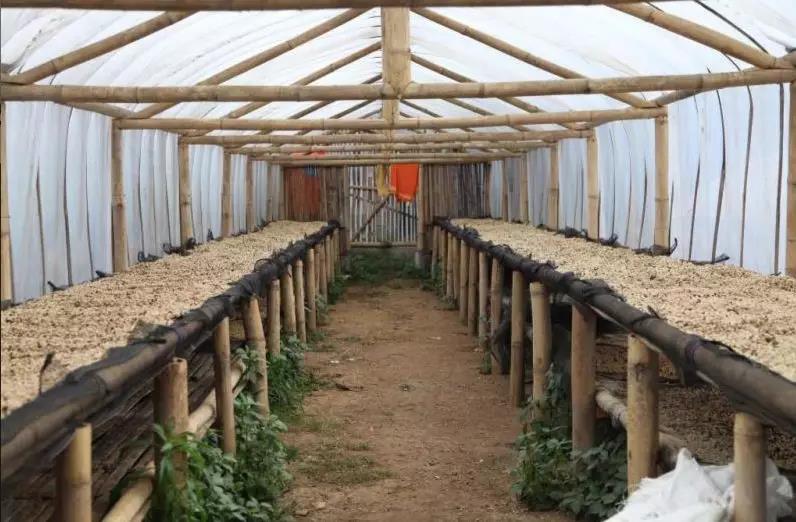
Under tropical conditions, coffee normally takes 2-3 weeks to dry. In Indonesia's especially humid climate that becomes a serious challenge: drying drags on, the beans stay at high moisture for longer, and bacteria find it easier to penetrate the green beans. In ordinary washed processing, the beans dry with the parchment intact, which offers some protection. Wet hulling instead strips the parchment for the final drying stage, exposing the bean surface directly to sunlight and letting green beans dry 2-3 times faster than washed processing would allow.
Why Does Wet Hulling Create "Goat Hoof Beans"?
When the parchment is stripped in wet hulling, the coffee's moisture content is still as high as 20-24%, whereas in most other methods moisture falls to 10-12% before hulling. In this "semi-dry" state the parchment clings to the bean surface, making it harder to remove than from "fully dry" beans, and the machine must apply greater friction. On the other hand, semi-dry beans are extremely fragile at this point, with hardness far below that of fully dried beans, so they bruise easily and form small notches - the "horse hoof" or "goat hoof" beans we mentioned (locally "kuku kambing").
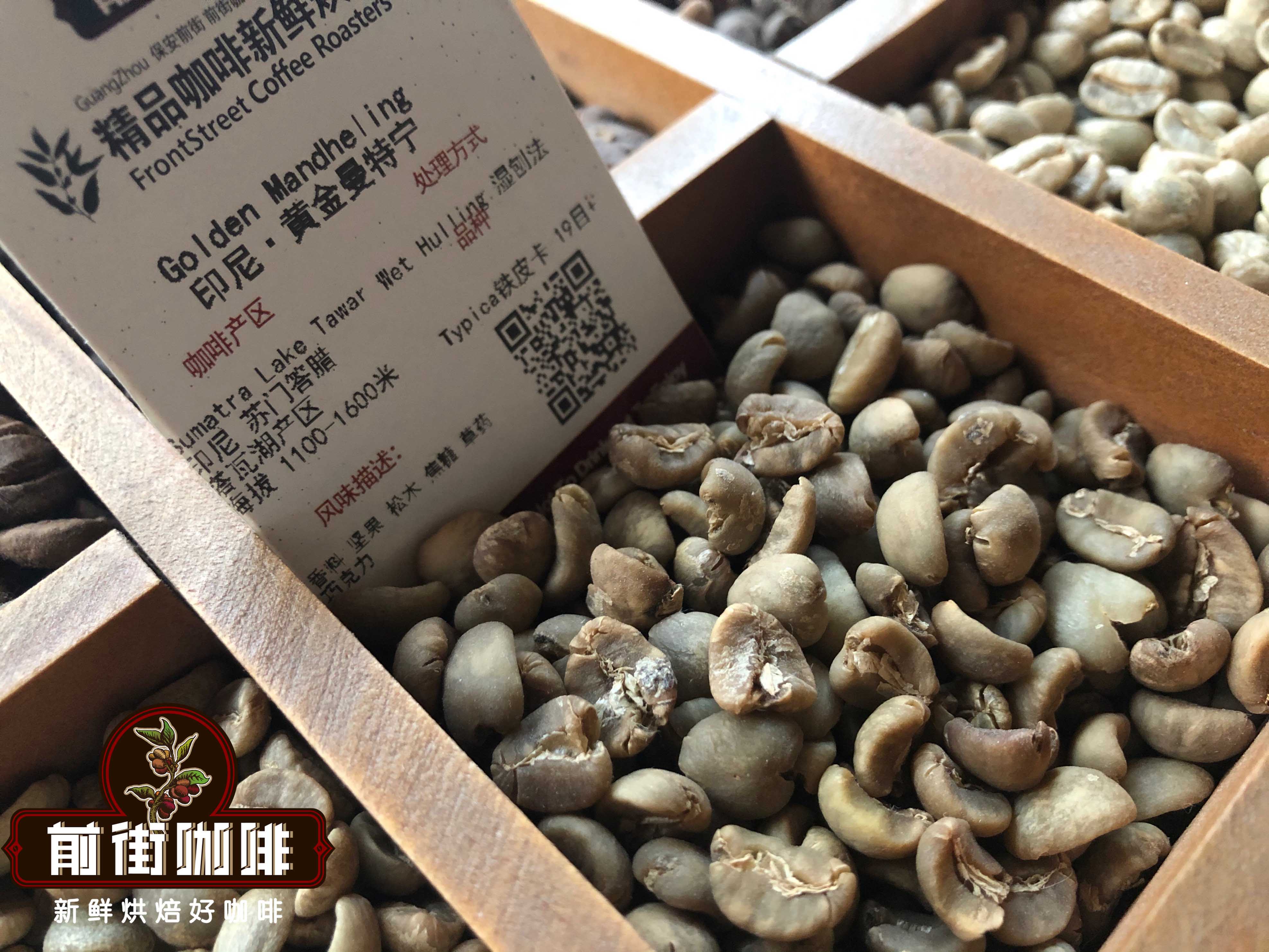
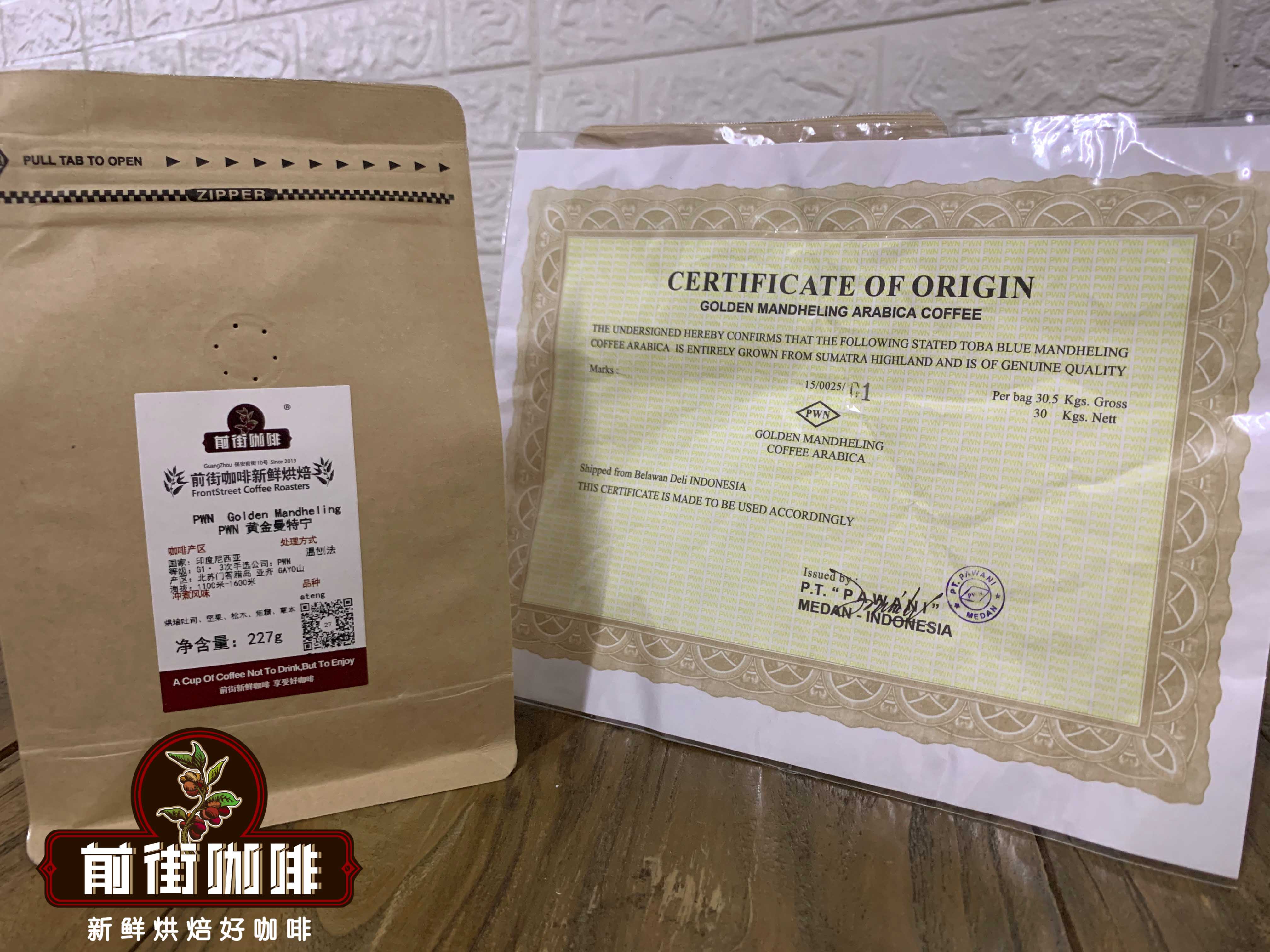
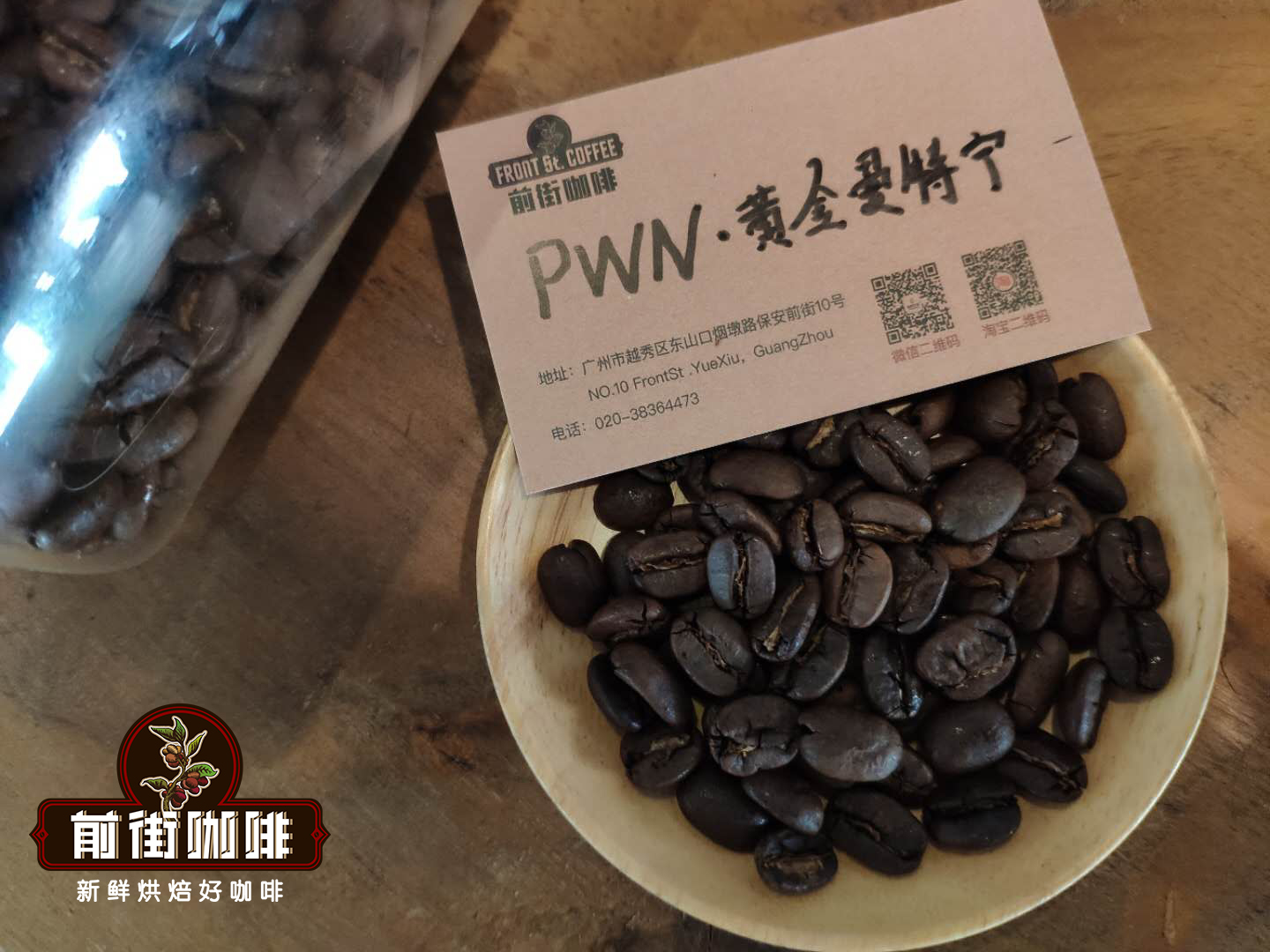
FrontStreet Coffee Indonesia PWN Golden Mandheling
Region: Gayo Mountain, Aceh, North Sumatra Island
Altitude: 1100-1600m
Variety: Ateng
Processing Method: Wet Hulling
Grade: G1 Triple Hand-Sorted
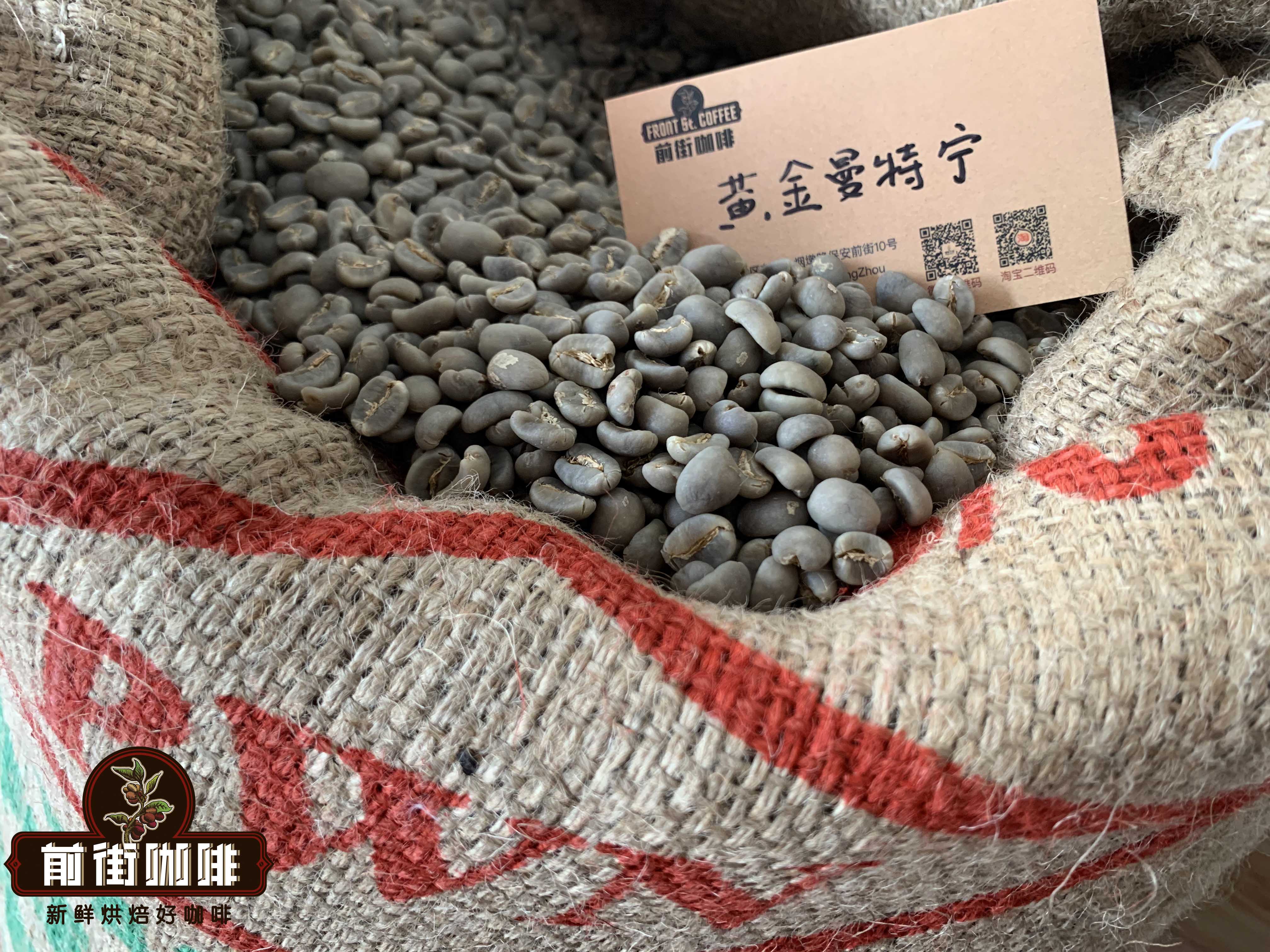
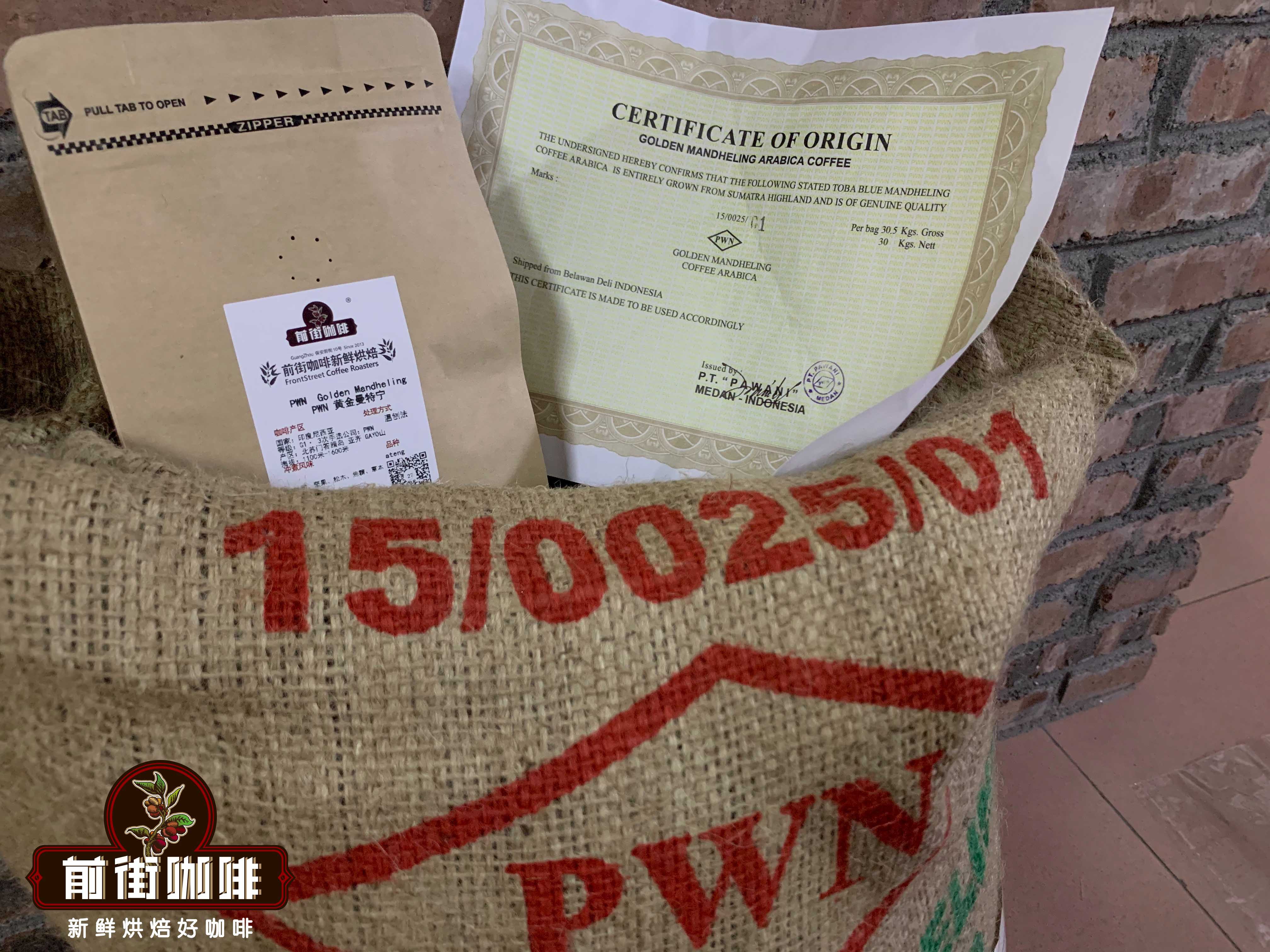
FrontStreet Golden Mandheling is a selected premium coffee from the Indonesian green-bean company Pawani. Importantly, Golden Mandheling is a trademark - a brand created to represent Indonesia's very top coffee. For that reason, Pawani searches across the whole of Sumatra to acquire excellent lots. Note that Pawani registered the Golden Mandheling trademark in Indonesia but not in every export market, so plenty of "Golden Mandheling" on the market was never exported by Pawani. Buyers should look for Pawani's (PWN) mark, typically printed on the gunny sacks holding the green beans; if in doubt, ask the seller for the PWN certificate that accompanies the beans.
As noted above, wet hulling increases the influence of environmental mold, yeast, and bacteria on green bean quality. Yet FrontStreet Golden Mandheling is celebrated for its clean, full-bodied cup that leaves a lasting impression. The reason lies in Pawani's strict selection standards. After processing, the beans are machine sorted and then hand sorted three times, with the grade marked "TP" (Triple Picked), screening out defective beans and small fragments to ensure uniform size and a low defect rate.
FrontStreet Coffee Roasting Analysis
FrontStreet Golden Mandheling is green coffee with relatively high moisture content, deviating significantly from natural-process beans in moisture level, so dehydration demands special care. For high-moisture beans, close the damper immediately after charging the beans, let them steam for 30 seconds, then open to level 3 until the beans turn light green or whiteish; then open the damper to level 4, and after first crack open to level 5 (maximum). FrontStreet Coffee recommends keeping detailed records before roasting - bean moisture content, density, origin, processing method, roasting-room temperature and humidity, and so on - and planning your roasting curve accordingly. Log the relevant chemical and physical changes during the roast; this will help you understand the final result and keep improving your curve.
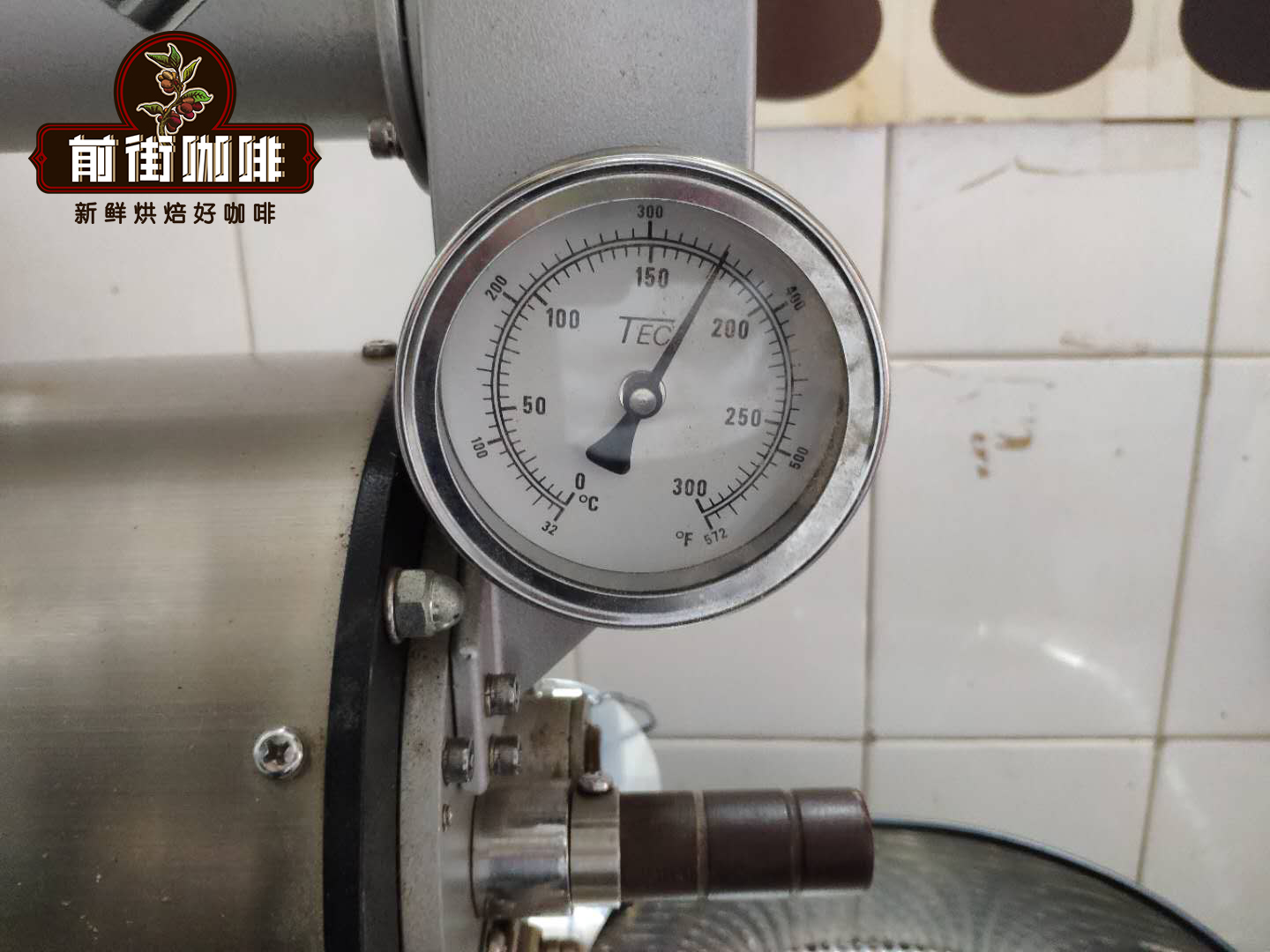
Preheat the roaster to 200°C and charge the beans with the damper at 3. After 1 minute, reduce heat to 160°C, keeping the damper unchanged. Roast until 5'40'', when the temperature reaches 148°C, the bean surface turns yellow, and the grassy aroma has completely faded - dehydration is complete. Adjust heat to 140°C and damper to 4. At 9'40'', pronounced wrinkles and black spots appear on the bean surface, and the toast aroma clearly shifts into coffee aroma, which can be read as the prelude to first crack. Listen carefully: first crack begins at 9'54''. Reduce heat to 60°C with the damper fully open (adjust the heat very carefully - don't cut it so far that the crack stalls), and drop at 204.5°C.
FrontStreet Golden Mandheling from the October 2020 harvest carries higher moisture than the May harvest. Under the same development time and drop temperature, FrontStreet Coffee's roaster lengthens the dehydration stage for the October lot, pushing the yellowing point out to 6 minutes 30 seconds.
FrontStreet Coffee Brewing Analysis
For daily brewing, FrontStreet Coffee typically reaches for a KONO dripper, because it produces a rounder, fuller-bodied flavor with more direct taste expression. The KONO does, however, exhaust gas relatively poorly: its ribs are straight and run only a quarter of the dripper's depth, and above that quarter-point the paper sits flush against the wall in a sealed state.
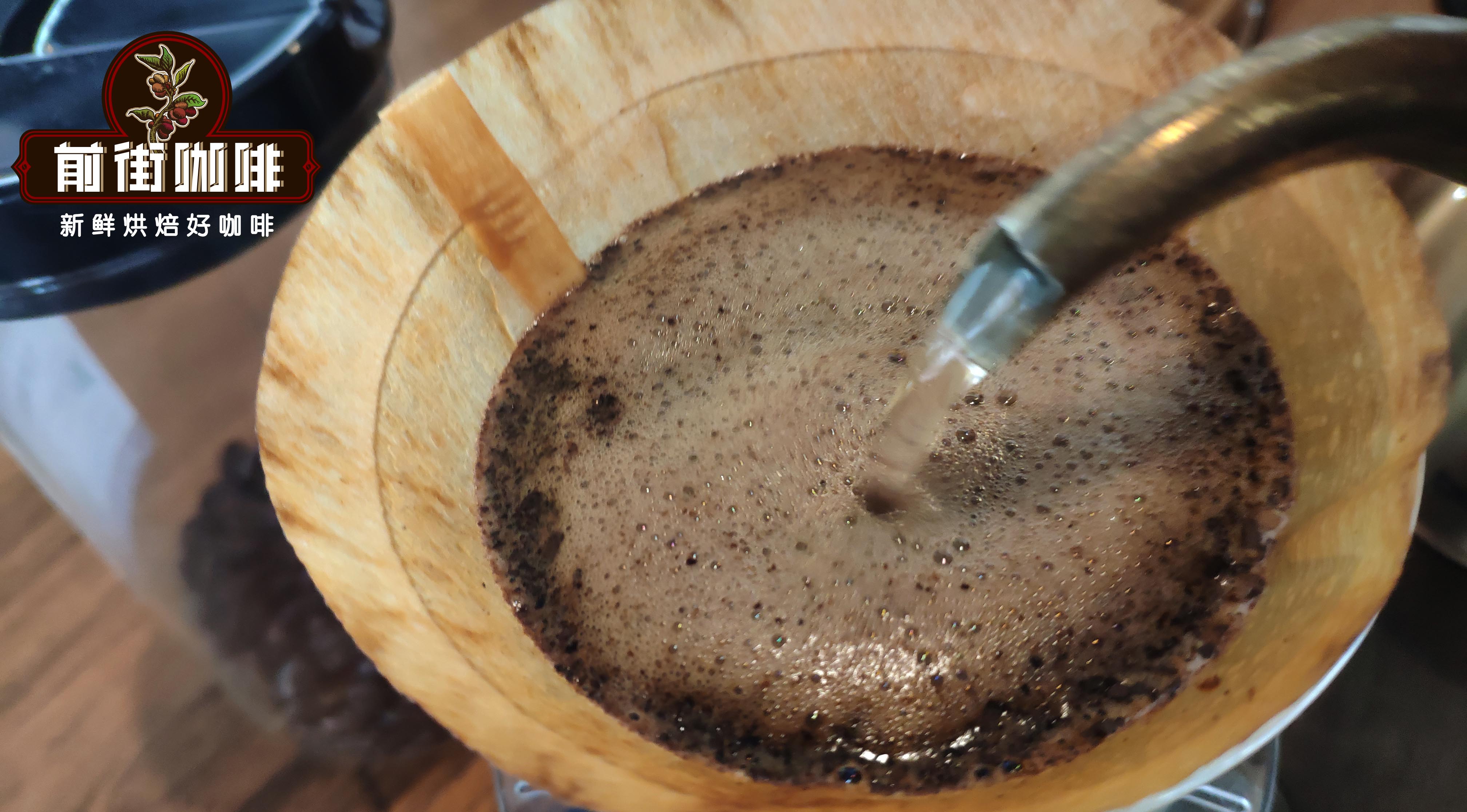
So for beans that have properly rested, the KONO is the choice: its only exhaust path is that quarter-length of ribs. As the water level rises above the ribs, the volume of water in the dripper keeps growing, building pressure through sheer water weight. With a relatively small outlet, this extends the contact time between grounds and water, and driven by the flow it extracts soluble material more effectively - generally achieving the high body and viscosity customers expect. Medium-dark roasted beans dehydrate more heavily, so they weigh less; during brewing the grounds don't sink completely to the bottom, absorbing water immediately on first infusion. Vigorous degassing wraps the grounds in bubbles and creates channels. With fresher beans these channels persist longer, dropping the water level rapidly - so use a coarse water flow and slow circular pouring.
FrontStreet Coffee Brewing Recipe
Dripper: KONO
Dose: 15g
Ratio: 1:15
Water Temperature: 88°C
Grind Size: Medium-coarse (65% pass-through rate on #20 standard sieve)
For technique, FrontStreet Coffee blooms with twice the coffee dose - 30g of water for 30 seconds. Then, with a small flow in circular motion, pour to 125g for the first infusion, continue to 225g when the water level is about to expose the coffee bed, and stop. Once the bed is about to break the surface again, remove the dripper (timing from the start of bloom). Total extraction time is 2'00".

FrontStreet Golden Mandheling Flavor Description: Nuts, chocolate, spices, herbs, caramel. FrontStreet Golden Mandheling tastes cleaner than FrontStreet Lintong Mandheling. The herbal, earthy, woody notes typical of Mandheling are almost gone, while the caramel sweetness is more intense and the fruit acidity brighter and more elegant.
FrontStreet Coffee Recommendation
If you want the definitive taste of wet-hulled Sumatra at its cleanest, FrontStreet Coffee's PWN Golden Mandheling is the benchmark. Sourced from PWN's top lots - beans screened at 18 or larger with fewer than 3 defects per 300g to meet the top G1 grade, then triple hand-sorted - it shows sandalwood, herbs, spice, roasted hazelnut, caramel, and dark chocolate, with a spotless, mellow body and wonderfully layered aroma. Because genuine PWN Golden Mandheling is exported mainly to Japan and the US in very limited quantities, look for the PWN mark and certificate when buying.
Pour-over shows this coffee at its best: use water at 87-88°C, 15g of coffee at a coarse-sugar grind and a 1:15 ratio, poured in three stages - 30ml to bloom, 100ml to lift the bed and bring up the golden foam, then a gentle center pour of 95ml to raise sweetness. The result is a thick, syrupy body with caramel sweetness and chocolate-nut depth.
If you'd rather drink it as espresso, FrontStreet Coffee's classic blend folds medium-dark Mandheling into a creamy Brazilian base, adding butter, roasted chestnut, and caramel notes plus sandalwood, herbal, and spice aromatics - and it pulls a rich, golden crema that makes latte art and Dirty drinks effortless.
Important Notice :
FrontStreet Coffee is a long-established specialty coffee roaster in Guangzhou China, selling freshly roasted beans from its own farm in Yunnan as well as dozens of carefully selected single-origin beans from around the world for both pour-over and espresso. The products deliver consistently excellent quality and great value, with shipping within 24 hours. Guangzhou's FrontStreet Coffee shop is recommended by many coffee lovers, and the beans are now available online at the Tmall 。
FrontStreet Coffee has moved to a new address:
FrontStreet Coffee Address: 315,Donghua East Road,GuangZhou
Tel:020 38364473
 Scan and follow the En Gafei WeChat official account. Please indicate that the reprint comes from "En Gafei".