Introduction to Indonesia's Three Major Coffee Brands - Which Mandheling Coffee Bean Brand is Best? Does Mandheling Coffee Taste Good?
Indonesian Coffee: A World-Renowned Legacy
When people mention Indonesia, most first think of the resort island of Bali. But did you know that Indonesia's coffee is also world-renowned? Indonesia has the largest coffee cultivation area in the world, yet because of low production efficiency its coffee output ranks third globally, behind only Brazil and Vietnam.
The History of Indonesian Coffee Cultivation
The history of coffee cultivation in Indonesia dates back to the Dutch colonial period. In 1696, the Dutch governor of Malabar in India sent a batch of coffee seedlings to the governor of Batavia (now Jakarta) in the Dutch East Indies, marking the first planting of coffee in Indonesia. That first batch of seedlings, however, was destroyed by floods. In 1699, Batavia received another gift, and this time the seedlings survived. The first harvest was welcomed in 1701, beginning Indonesia's coffee journey.
Initially, coffee was cultivated in Jakarta and nearby areas. Later, the growing area gradually expanded to central and eastern Java, as well as the islands of Sulawesi, Sumatra and Bali.
In 1711, Indonesian coffee began supplying the European market. At that time, Indonesia was the first country outside Africa and Arabia to cultivate coffee on a large scale. In the 1780s it became the world's largest coffee export region. The fame of Java coffee began here.
Indonesia's Premier Coffee Growing Regions
The best coffee growing areas in Indonesia are on three islands—Java, Sumatra and Sulawesi—which have established three major coffee brands. Among them, Indonesian Sumatra Mandheling coffee offers moderate acidity with an extremely rich, heavy aroma; Java coffee belongs to the Arabica species; and Sulawesi coffee beans are full-bodied with a rich fragrance. Robusta accounts for 90% of Indonesia's total production and is reputed to be the world's finest quality.
The Legendary Kopi Luwak
For coffee lovers, Indonesia has one coffee that is an absolute dream treasure: Kopi Luwak, or civet cat coffee. It has an alias—"the most fragrant poop in history." Although the name may not be elegant, the excellent taste is a fact. It comes from the droppings of a tree-dwelling wild animal called the civet cat on the Indonesian island of Sumatra. Local farmers usually consider finding civet cat droppings a gift from heaven, since not all civet cat feces can be found. Once a few such "coffee beans" are found, locals bend down to pick them up, carefully collect them, and then, through several processes such as selection, drying, deodorizing, processing and roasting, create the world's rarest, most unique and most expensive coffee.
Indonesian Coffee Bean Brand Recommendations
FrontStreet Coffee's roasted Indonesian coffee beans—[West Java Honey Process Coffee]—offer complete guarantees in both brand and quality. More importantly, the cost-performance ratio is extremely high. A half-pound (227 g) bag costs only about 118 RMB. Calculated at 15 g per cup, one bag makes 15 cups of coffee, with each cup costing only about 7 RMB. Compared with café prices that often run to dozens of RMB per cup, this is a genuinely conscientious recommendation.
FrontStreet Coffee Recommendation
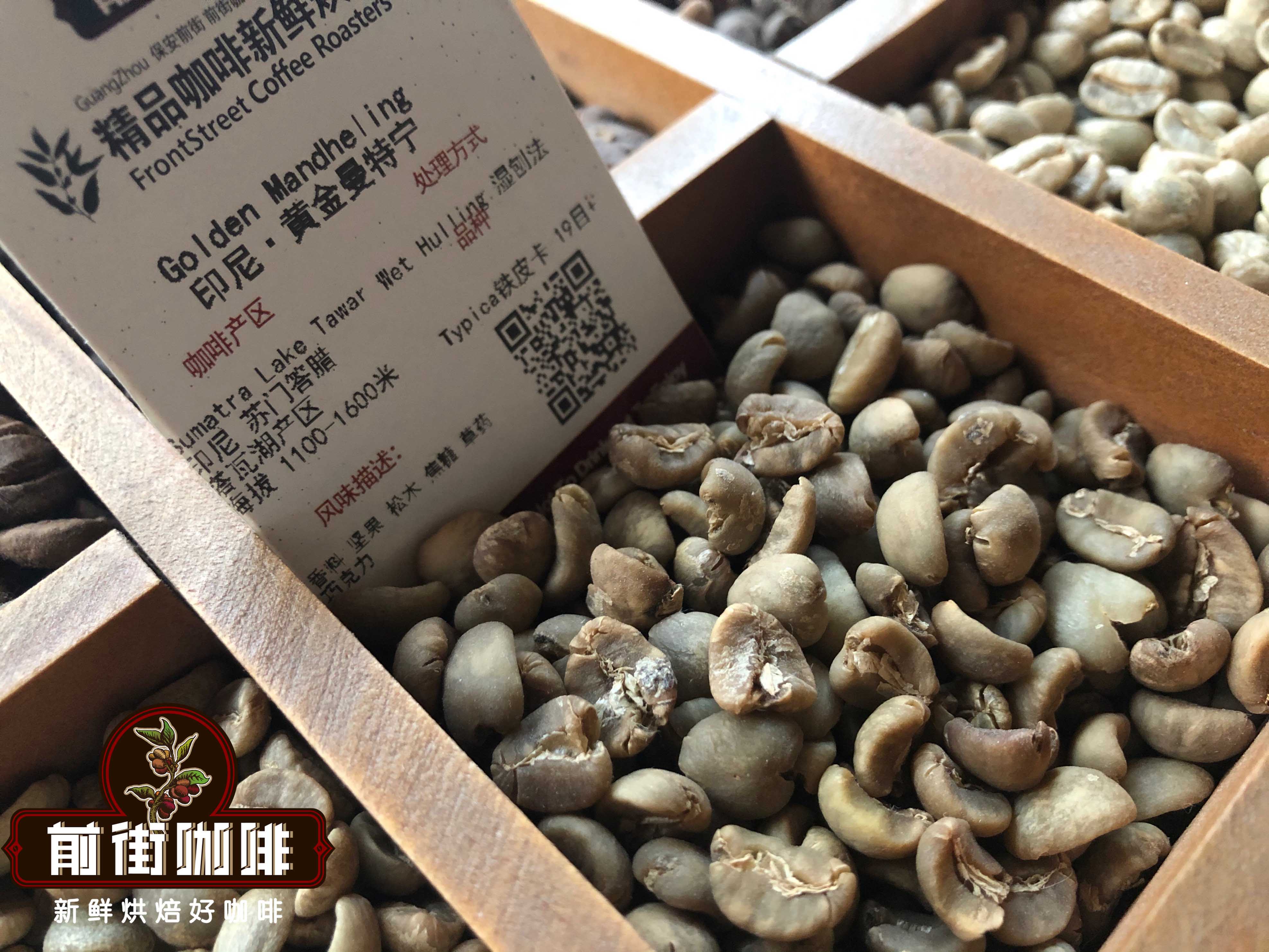
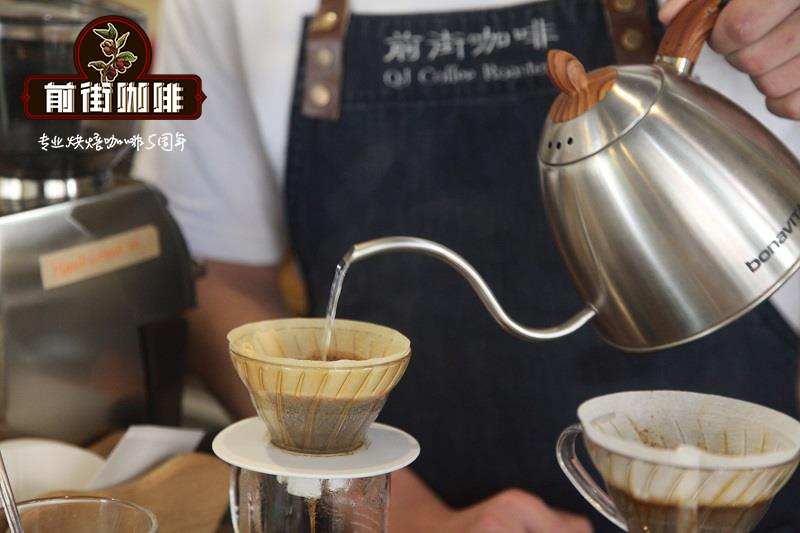
To taste Indonesian coffee at its most classic, FrontStreet Coffee's PWN Golden Mandheling is the benchmark. PWN buys only high-quality Mandheling green beans and sorts out defects so the lots reach specialty grade; Golden Mandheling is its flagship, with even, plump, translucent beans and a low defect rate. After medium-dark roasting it carries a rich roasted aroma, and the brewed cup is clean and full-bodied—ideal for anyone who dislikes acidic coffee. FrontStreet Coffee recommends brewing it as a pour-over: 15 g of coffee, a 1:15 ratio, a coarse-sugar grind and water at 87-88°C, poured in three stages—30 ml to bloom and degas, 100 ml to lift the golden foam and raise the bed, then a gentle 95 ml down the center—which better expresses its full body and caramel sweetness.
For the darker, wilder side of Mandheling, FrontStreet Coffee Lintong Mandheling comes from the traditional Lintong region around Lake Toba on Sumatra. It is rich and bittersweet, with a strong, stimulating entry and notes of clove and cedar; roasted medium-dark, it keeps Mandheling's low acidity alongside a spice and mint edge and a thick, lasting sweetness.
And if you want Mandheling in milk drinks, FrontStreet Coffee's classic blend builds on the creamy, nutty flavor of Brazilian coffee with medium-dark Mandheling, adding butter, roasted chestnut and caramel. The Mandheling lifts the body of the whole cup and gives it distinctive cedar, herbal and spice notes, while a small amount of Robusta enriches the crema, so latte art and a layered Dirty are both easy to pull.
Important Notice :
FrontStreet Coffee is a long-established specialty coffee roaster in Guangzhou China, selling freshly roasted beans from its own farm in Yunnan as well as dozens of carefully selected single-origin beans from around the world for both pour-over and espresso. The products deliver consistently excellent quality and great value, with shipping within 24 hours. Guangzhou's FrontStreet Coffee shop is recommended by many coffee lovers, and the beans are now available online at the Tmall 。
FrontStreet Coffee has moved to a new address:
FrontStreet Coffee Address: 315,Donghua East Road,GuangZhou
Tel:020 38364473
 Scan and follow the En Gafei WeChat official account. Please indicate that the reprint comes from "En Gafei".