Flavor Characteristics of Ethiopian Coffee Beans and Recommendations for Premium Ethiopian Coffee Brands
Introduction to FrontStreet Coffee Ethiopian Coffee
FrontStreet Coffee's Ethiopian coffees are processed both naturally and washed, and the two methods yield strikingly different profiles. Broadly speaking, our washed Sidamo, Yirgacheffe, and Lim coffees run slightly lighter in body with less earthiness, while naturals carry a wilder taste. That said, we've found that every batch of Ethiopian coffee can show its own character — which is exactly why frequent cupping is the only way to find the truly excellent lots.
Ethiopia is an immensely popular coffee origin, its most famous regions being Sidamo and Yirgacheffe. Because Ethiopian flavors are so distinctive, many newcomers choose Ethiopian beans as their introduction to specialty coffee.
Selecting Ethiopian Coffee Beans
Ethiopia, the birthplace of coffee, has earned its reputation many times over. It grows a huge number of varieties, and both washed and natural lots are plentiful. We've sourced many Ethiopian coffees over the years — Yirgacheffe Gedeb, Guji, West Arsi, the TOH group washed champion, Worka, and more. So how do you pick the right Ethiopian bean for yourself?
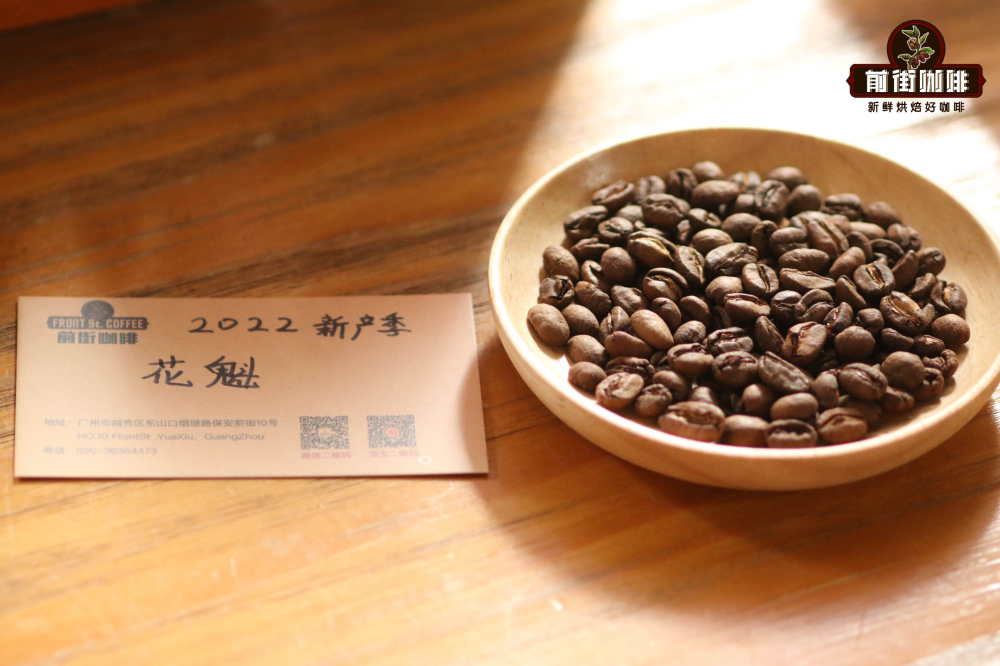
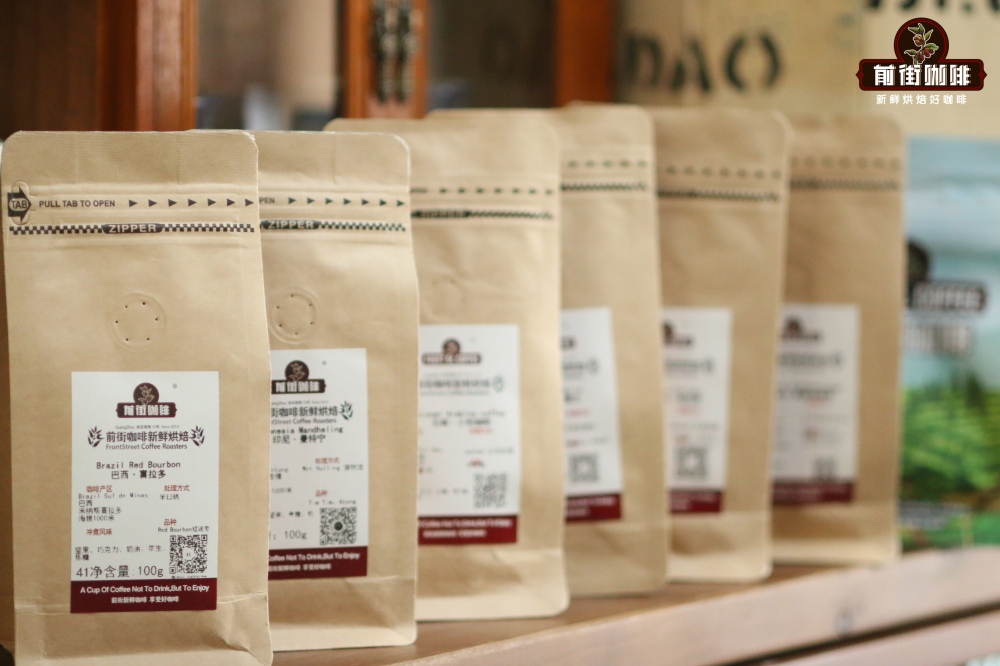
Let us introduce the best-selling Ethiopian beans in our shop right now.
Featured Ethiopian Coffee Varieties
Last year FrontStreet Coffee launched the natural Typica that took 22nd place at Ethiopia's Cup of Excellence (COE), alongside our West Arsi beans. The biggest difference between the two is variety: the COE22 is Typica, while the West Arsi is local heirloom.
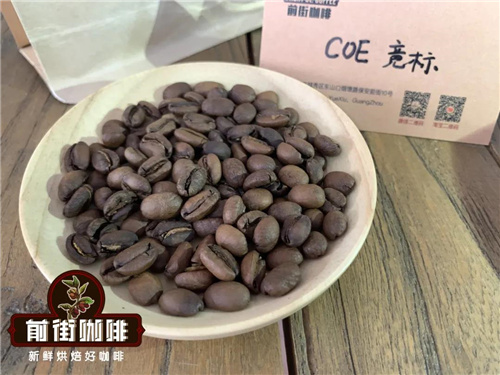
What are "local heirloom" varieties, anyway? It's a peculiarity of Ethiopia as coffee's homeland: most of its varieties are labeled this way. The country holds so many varieties — a natural gene bank for Arabica — that identification and classification are extremely difficult, and the Ethiopian government, out of a desire to protect them, declines to publish details. So they are collectively called "Heirloom."
Practically speaking: check the bag when you buy Ethiopian coffee. The variety line will read "local heirloom," whereas beans from other origins are labeled with specific names — Bourbon, Caturra, Catuai, Catimor.
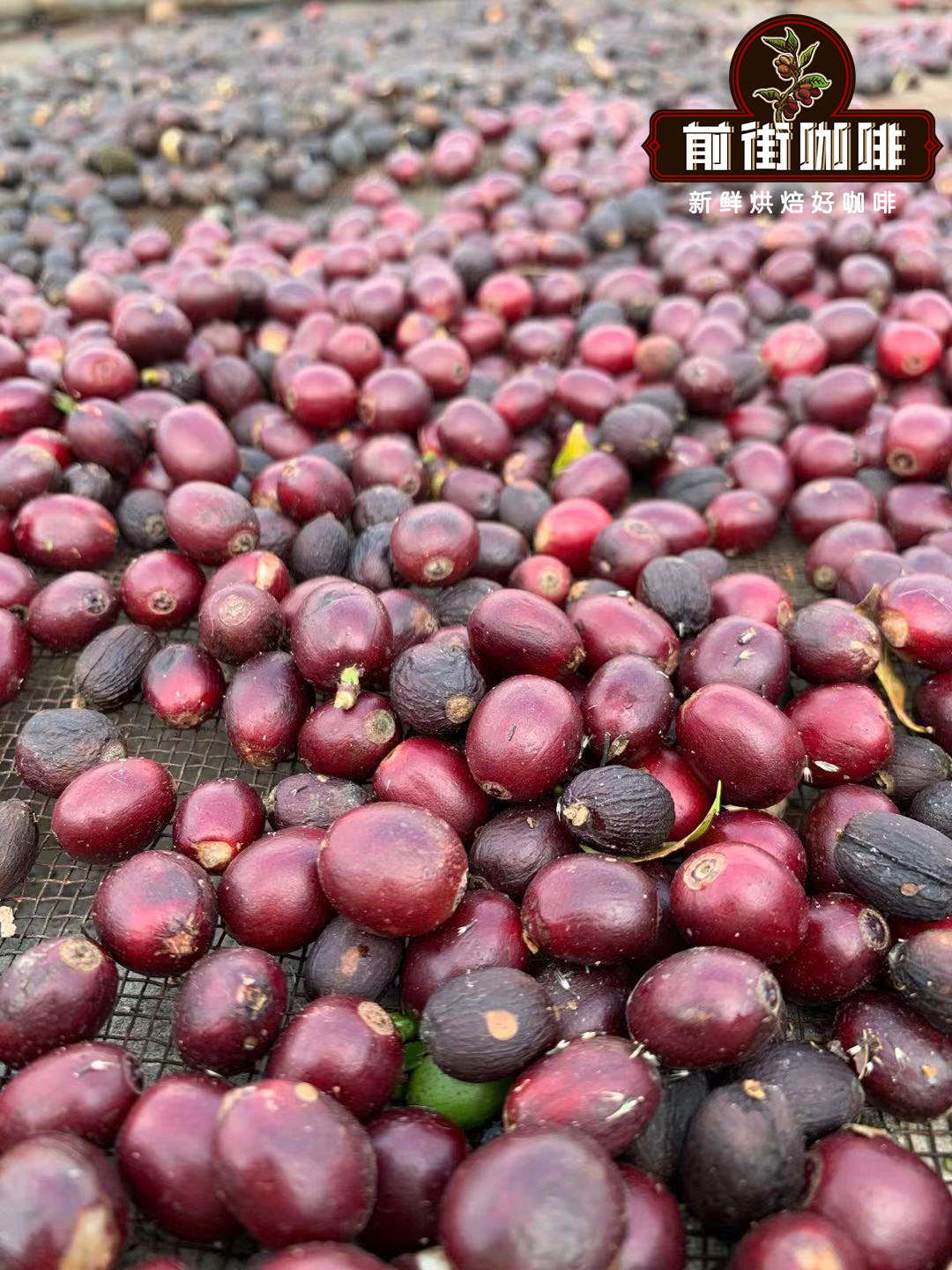
Both of the beans above are natural-processed — the oldest of all coffee processing methods. Done well, naturals show a full body, pronounced sweetness, and abundant aroma. Done poorly, they pick up earthy flavors, and the brewed coffee tastes of dirt.
Cupping Analysis
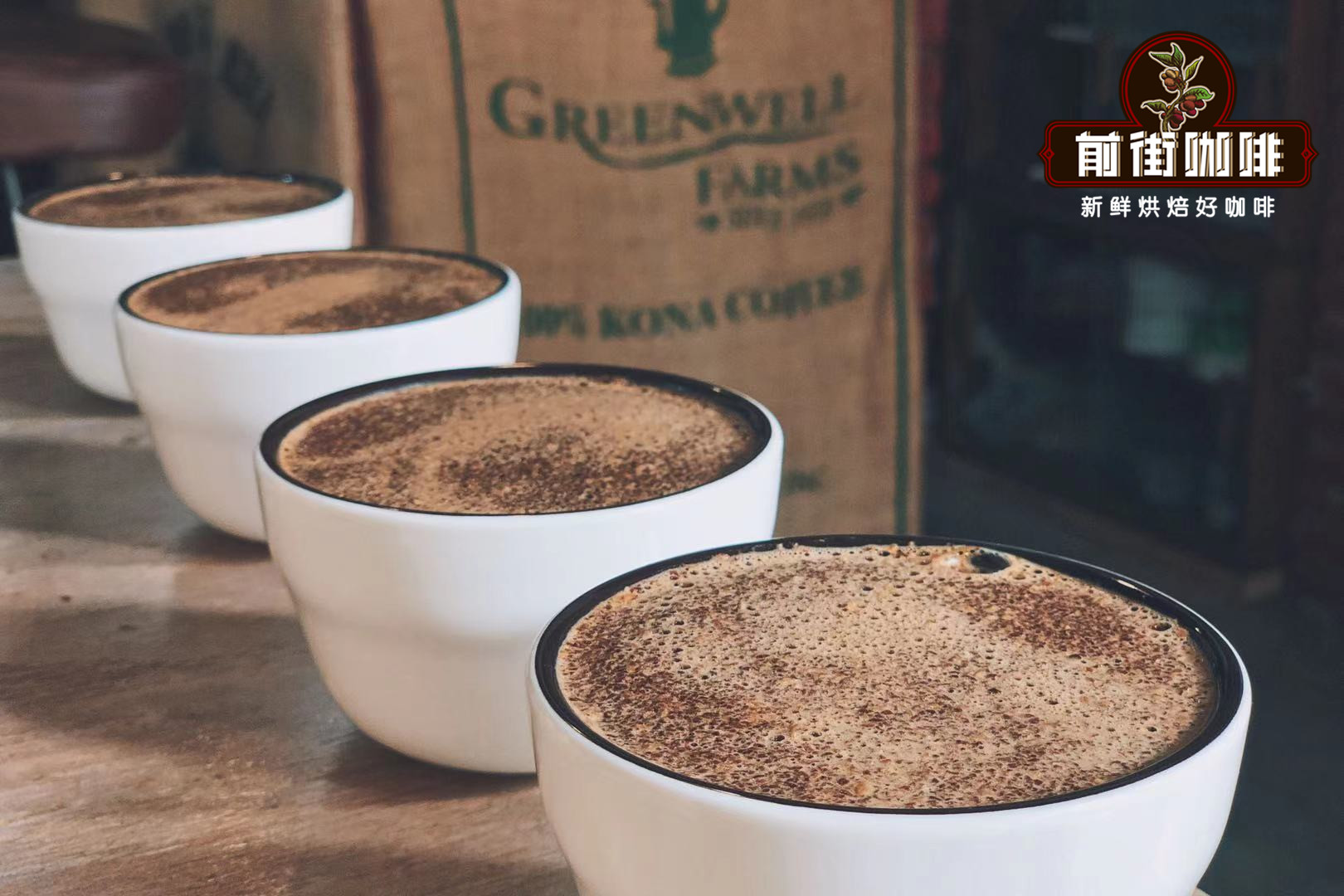
How do we tell the profiles of COE22 and West Arsi apart? Whether we're recommending beans to customers or listing a new coffee in the shop, we cup everything first.
Our baristas use 200ml standard cupping bowls, a grind passing 70%-75% through a #20 standard sieve, 11.3g of coffee per bowl, and water at 94°C. We grind first and smell the dry aroma, then fill the bowls with water to assess the wet aroma. After 4 minutes we break the crust, skim the grounds, and evaluate. Here are our cupping results for the two:
COE22:
Dry Aroma: Citrus
Wet Aroma: Citrus, Camellia
Flavor: Citrus, Lychee, Honey, Cream, Wine Aroma, Mango, Strawberry
West Arsi:
Dry Aroma: Berries
Wet Aroma: Fruit Jam
Flavor: Plum, Berries, Cranberry Jam, Nectarine, Mango, Honey
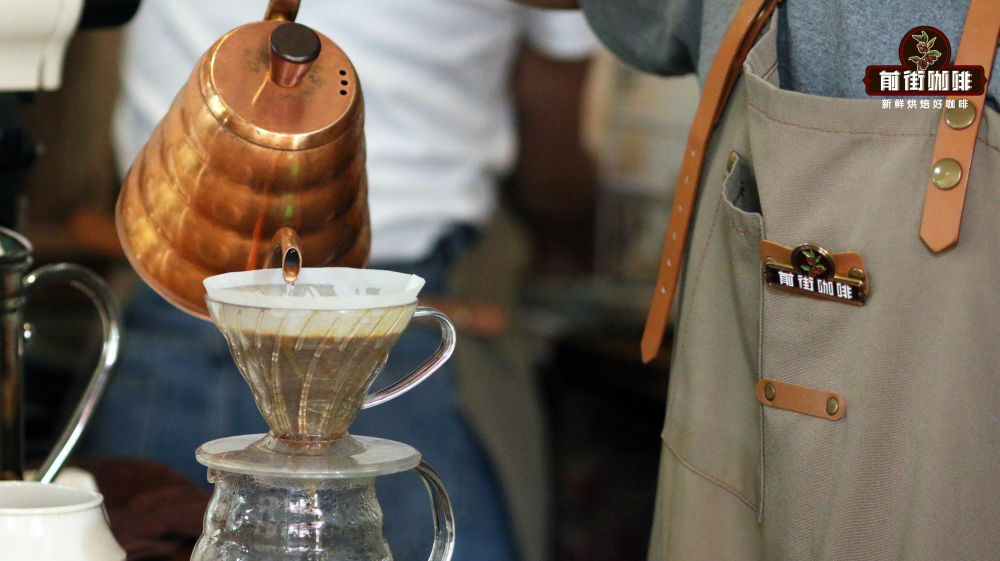
Brewed as pour-over, the West Arsi tastes of berry juice while hot, gradually revealing plum, nectarine, mango, and honey as it cools. The COE22 shows the sweet-tart pairing of strawberry and lychee, a winy ferment, creamy smoothness, and a honeyed aftertaste.
That is the charm of Ethiopian naturals. Beyond the Sidamo naturals, we also recommend the natural Red Cherry beans from Yirgacheffe.
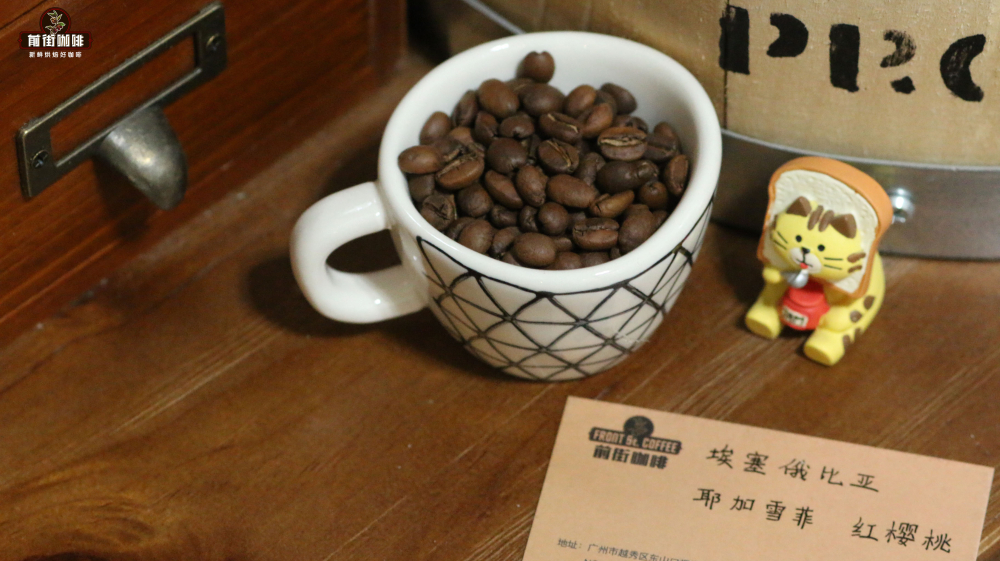
The Red Cherry Project is a collaboration between Ethiopian producers and Dutch green coffee merchants — led by the Dutch company Trabocca — that encourages and helps producers improve quality by perfecting washed, semi-washed, natural, and experimental processing.
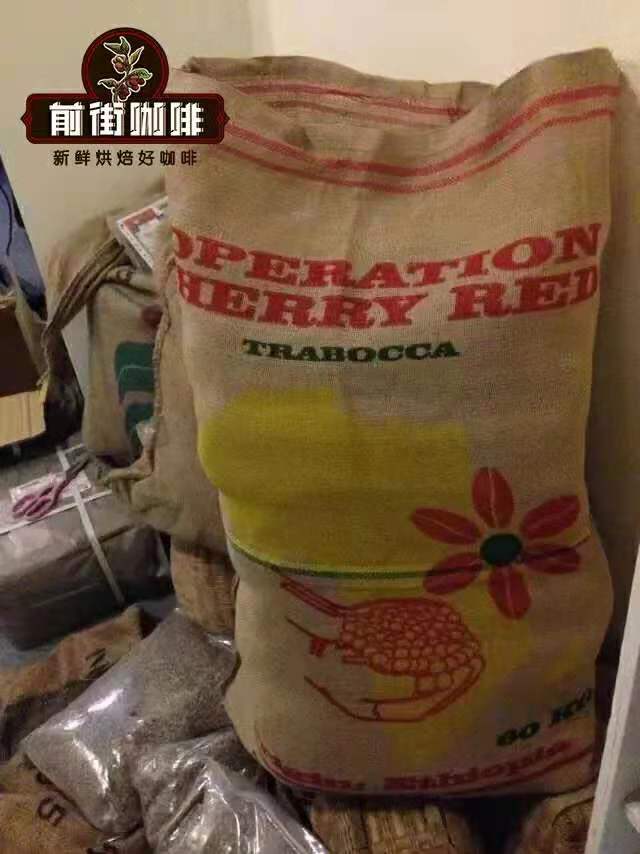
That rigor shows: our Yirgacheffe natural Red Cherry is of very high quality with an excellent taste — a bright berry aroma or a rich chocolate-like aftertaste depending on the lot, and brewed flavors of strawberry, berries, cream, and spice.
Washed Ethiopian Coffee Recommendations
Everything recommended so far has been natural. Next, a few washed Yirgacheffe beans from our lineup.
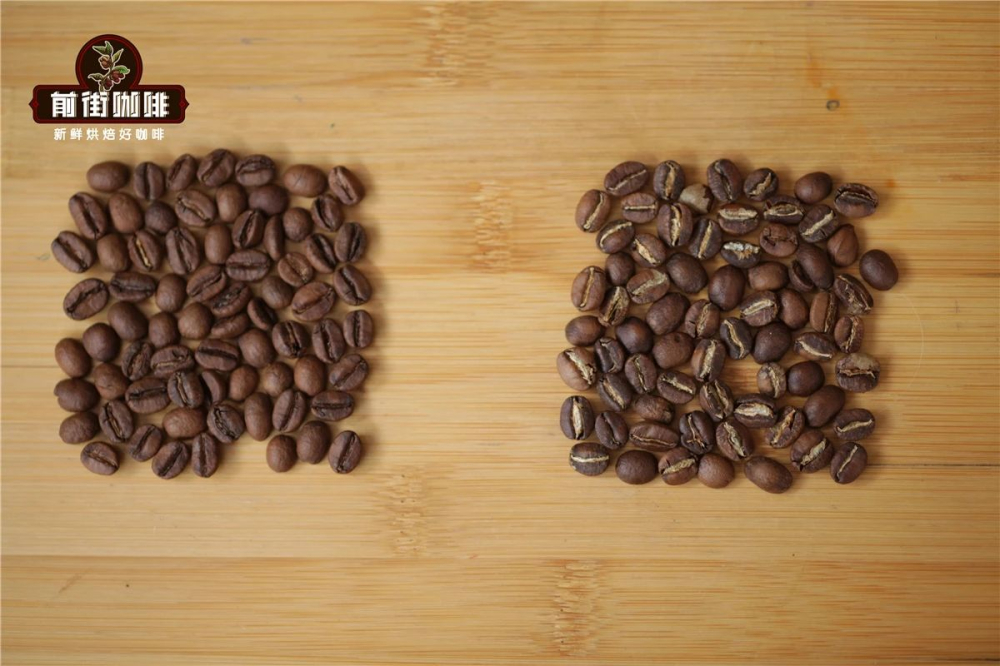
Yirgacheffe's signature profile is rich jasmine, lemon-citrus notes, and a subtle tea fragrance. The region hasn't always washed its coffee — naturals came first. But in 1972 Ethiopia introduced Central and South American washed-processing technology to raise quality, and Yirgacheffe's jasmine and citrus grew clearer and brighter for it. In our view, the fundamental difference between the two methods is that washed coffee presents a region's most basic flavors, reflecting its character directly, while natural processing layers sweetness and fermentation notes on top.
Our most recommended washed Yirgacheffes are the washed Gedeb cooperative and the washed Worka. Both suit acidity lovers especially: prominent fruit acidity with a clean, bright taste.
FrontStreet Coffee Recommendation
Here are a few more Yirgacheffe essentials from our house notes:
FrontStreet Coffee Washed Yirgacheffe (house daily coffee)
For a first taste of Ethiopia, start with our washed Yirgacheffe house coffee — white jasmine, bright citrus and lemon acidity, and a tea-like finish, at an everyday price that has made it many drinkers' first specialty bean. Yirgacheffe is a small town in southern Ethiopia's Sidamo zone at roughly 1,700–2,100 meters, with coffee grown above 1,800 meters — among the highest elevations in the coffee world. The region's fame grew so great that in 2010 the Ethiopia Commodity Exchange formally split it from Sidamo.
FrontStreet Coffee Guodingding Cooperative
Yirgacheffe breaks down into micro-regions and villages, several home to cooperatives whose seasoned processing lifts the coffee further. The standout is the washed Guodingding Cooperative in the Worka area at Yirgacheffe's southeastern end — once part of the Worka cooperative under the YCFCU union, later recognized worldwide as a "single micro-region" as drinkers chased traceability. Guodingding still processes in the most traditional washed style, and the cup has been called the last unspoiled pure land of Yirgacheffe: no traditional bitterness, just clean bright citrus-lemon acidity and jasmine fragrance.
FrontStreet Coffee Natural Red Cherry
Our Red Cherry lot is a full-red-cherry natural: only fully ripe, defect-free cherries are picked and screened, then sun-dried on raised beds, turned every 2–3 hours for the first days to prevent uneven heating and over-fermentation. After three to five weeks the dried pulp is stripped by machine, weather permitting. Because the fruit dries intact, the cup keeps its Yirgacheffe identity while gaining a natural's tropical perfume — citrus acidity, berry juiciness, honeyed sweetness, and cream-smooth texture.
FrontStreet Coffee's Yirgacheffe Pour-Over Recipe
Dripper: V60. Water: 90–91°C. Dose: 15g. Ratio: 1:15. Grind: EK43s setting 10 — fine granulated sugar, with 80% passing a #20 sieve. Pour: 30g of water for a 30-second bloom; then 95g more (scale reads about 125g), finishing around 1:00; when the bed drops to two-thirds, add the final 100g (scale reads about 225g), finishing around 1:35. Drainage completes between 2:00 and 2:10 — lift the dripper and serve.
Important Notice :
FrontStreet Coffee is a long-established specialty coffee roaster in Guangzhou China, selling freshly roasted beans from its own farm in Yunnan as well as dozens of carefully selected single-origin beans from around the world for both pour-over and espresso. The products deliver consistently excellent quality and great value, with shipping within 24 hours. Guangzhou's FrontStreet Coffee shop is recommended by many coffee lovers, and the beans are now available online at the Tmall 。
FrontStreet Coffee has moved to a new address:
FrontStreet Coffee Address: 315,Donghua East Road,GuangZhou
Tel:020 38364473
 Scan and follow the En Gafei WeChat official account. Please indicate that the reprint comes from "En Gafei".