Famous Colombian Coffee Bean Brands: Price Guide and Introduction to Colombian Coffee Varieties, Grades, and Characteristics
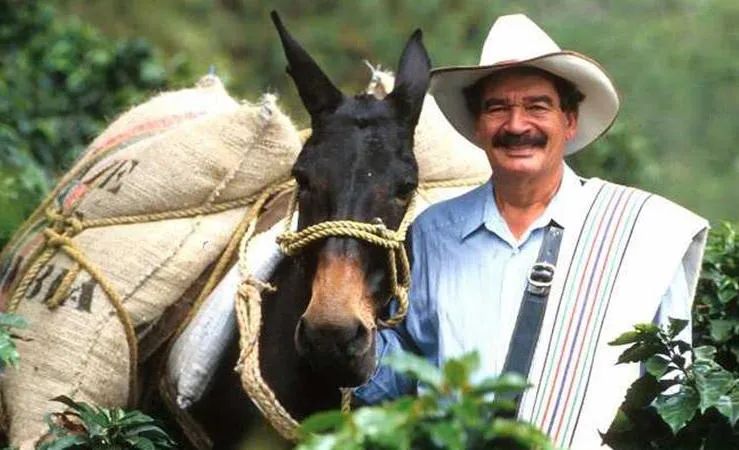
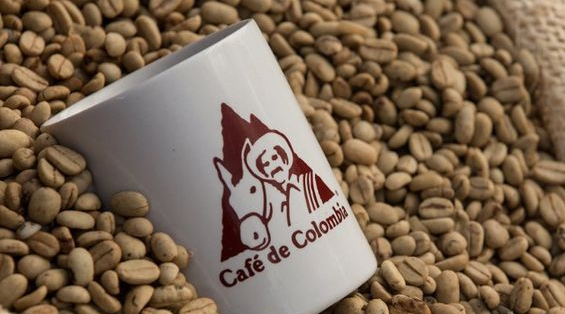
Search for Colombian coffee brands and one image shows up again and again: a kindly coffee farmer with a white straw hat, an Andean wool vest over his shoulders, a leather bag slung across his chest, canvas shoes on his feet, and a loyal mule beside him. That emblem appears in advertisements and films alike, and it has done more than anything else to fix the classic image of Colombian coffee in the minds of drinkers worldwide.
Where Colombia Grows Its Coffee
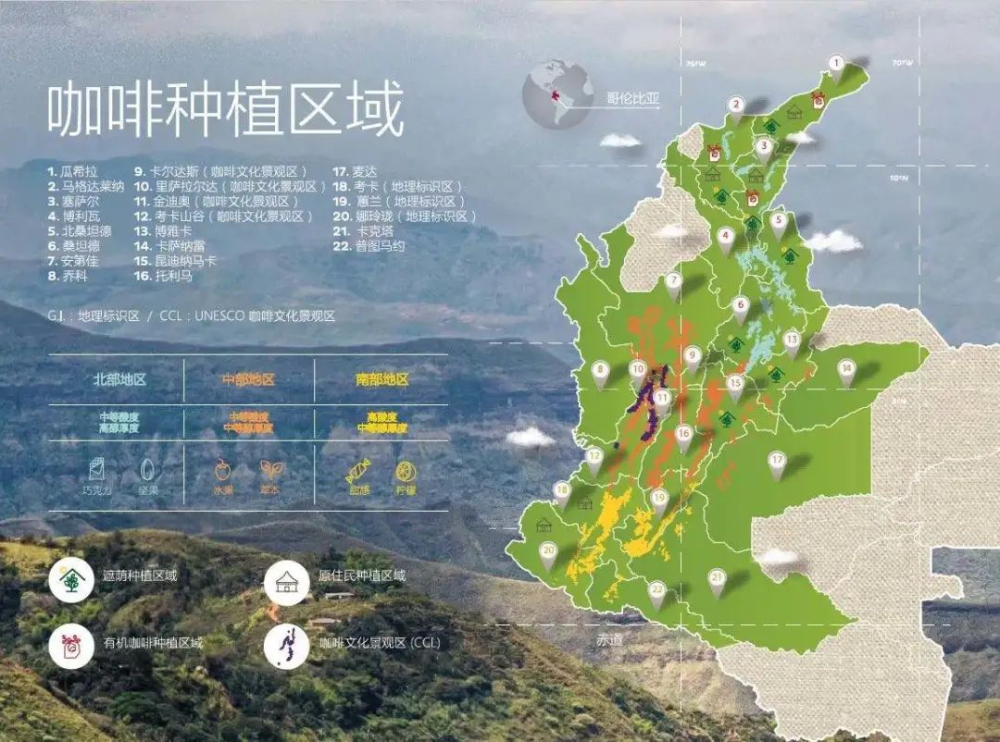
Colombia's coffee regions sit in the Andes range within the country. Climate shifts with the terrain: the southern part of the eastern plains and the Pacific coast have a tropical rainforest climate; the mountains between 1000 and 2000 meters have a subtropical climate; and the northwest has a tropical savanna climate. Average temperatures across the coffee regions fall between 18°C and 22.5°C. Because of this geographic and climatic variety, whether you prefer a round, rich cup or one with vibrant fruit, you should be able to find it in Colombia.
The growing regions have clearly defined boundaries. Influenced by the span of latitude and by the shape of the Andes, the country divides from south to north into three main zones: northern, central, and southern. The northern and southern zones have fairly distinct harvest seasons, while the central zone, depending on whether it leans north or south, has both a main and a secondary harvest, giving it two picking periods across the year. The main harvest runs from October to January, and the secondary one from April to July. The varied mountain climate means harvest happens somewhere all year round, with different coffee types ripening at different moments. That is why, in every season, you can find pickers busy among the trees.
The Regions of Colombia
In the last century, Colombian coffee was best known through the "MAM" triangle formed by Medellín, Armenia, and Manizales. As specialty coffee developed, a number of high-quality growing areas emerged in the south, including San Augustin in Huila, Popayán in Cauca, Nariño, and Tolima. Their high altitudes and distinctive processing methods yield coffee with delicate acidity and fruity flavors, and these lots regularly rank well in Cup of Excellence competitions. After many comparative cuppings, FrontStreet Coffee settled on washed beans from the Huila region as its representative Colombian coffee, offered in small packages so that anyone can experience the classic Colombian profile.
The Huila Region
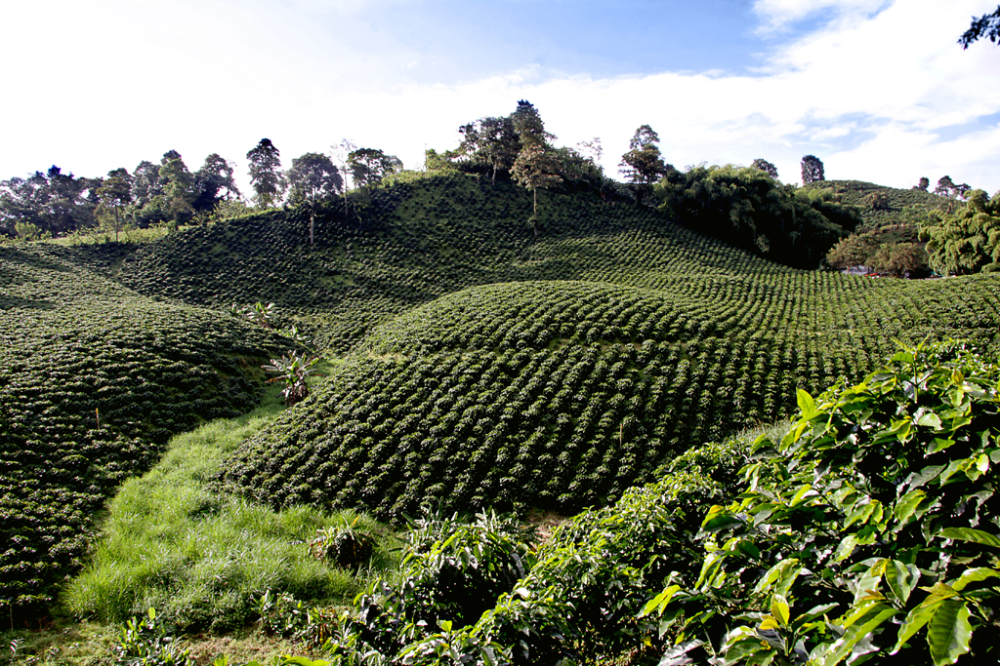
Huila province lies in the southern part of the Central Range in southern Colombia and is the country's most celebrated specialty coffee region. The land consists of hills ringed by mountains, with cultivation above 1500 meters, which supplies the altitude and the moderate temperatures that high-quality Arabica needs. Huila also has excellent soil and a strong geographic position for coffee: the country's most important rivers meet here, bringing abundant water and humidity. The climate on the valley slopes keeps cold winds out while providing cool mountain breezes without high heat, and rainfall is plentiful. For coffee growing, the conditions are exceptionally favorable.
Traditional Washed Processing
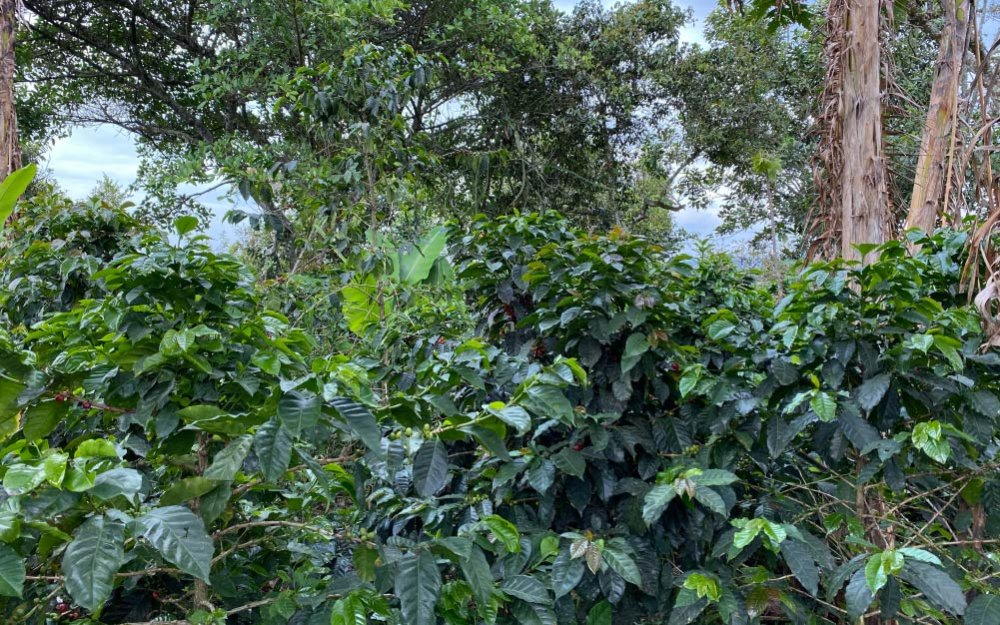
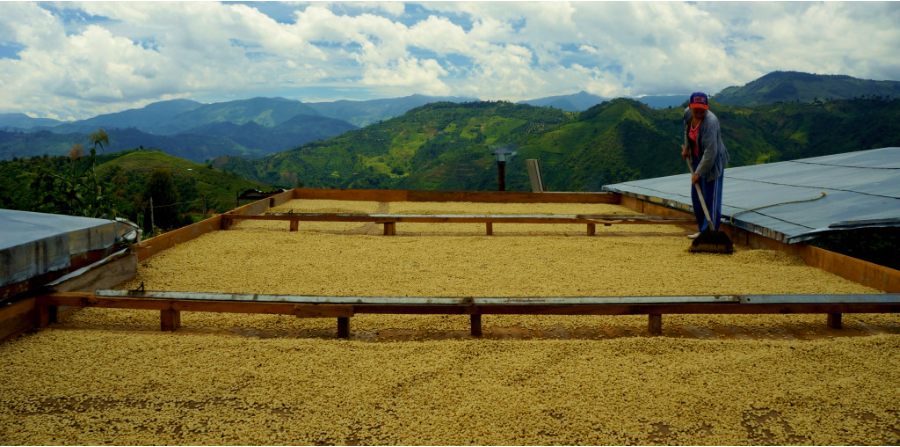
Most Colombian coffee is processed using the traditional washed method. The growing regions have water in abundance, which makes them well suited to it. Family farms are typically equipped with a dedicated pulping machine, either an Ecomill or an Eco-Pulper. Farmers pour the harvested cherries into the machine, which strips the skin and pulp while using only a very small amount of water to remove most of the mucilage. The parchment beans, still carrying a little mucilage, then go into a small pool or container, sometimes a tiled tank, to ferment overnight and loosen what remains. The next day they are rinsed thoroughly with clean water and finally spread out to dry in the sun until they reach the target moisture content. Washed processing not only protects quality but also lets Huila coffee show its most authentic character. It is for this reason that FrontStreet Coffee favors washed lots when selecting everyday drinking beans.
How Colombian Green Beans Are Graded
Colombian green coffee is currently graded by bean size. Bean size is not the primary determinant of quality or flavor, but many producing regions hold that full, uniform, large beans show the coffee reached complete maturity, can develop better aromatics, and roast more evenly, which in turn produces a more consistent flavor.
Grading uses fixed-size screens, with each specification corresponding to a different hole size. If the screen mesh is 17 mesh, for example, beans larger than that cannot pass through, so the higher the screen number, the larger the beans left sitting on top. The most common export grades are UGQ, EP, and Supremo.
Excelso UGQ 12*60 (1.5%): UGQ stands for Usual Good Quality. Bean size is above 14 mesh, with 1.5% of beans allowed to fall between 12 and 14 mesh but all required to be above 12 mesh, and more than 50% larger than 15 mesh.
Excelso EP 12*60 (10%): EP stands for European Preparation. Bean size is above 15 mesh, with 10% of beans allowed to fall smaller than 15 mesh but all required to be above 14 mesh.
Excelso Supremo 12*60 (5%): Bean size is above 17 mesh, with 5% of beans allowed to fall smaller than 17 mesh but all required to be above 14 mesh.
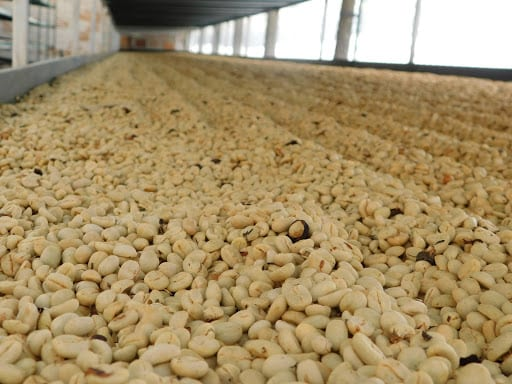
Whatever the green bean size grade, once the coffee is exported it belongs to the Excelso grade. In other words, most bags of Colombian green coffee shipped around the world today carry the Excelso designation. The Excelso export grade is the standard most widely adopted by the FNC and is also the highest grade for Colombian green bean exports.
Colombia also has beans larger than 16 mesh, called Extra; beans larger than 18 mesh, called Premium; and beans that sit almost entirely at 15 mesh, called Minama. There is also Colombian coffee that fails to meet the Excelso export grade, known locally as "Product of Colombia" and generally used for commercial-grade instant coffee.
Every Colombian farmer registers a number and records green bean information, which makes the beans traceable later. Exported Colombian green coffee is typically named in the format country plus region plus grade plus other information. FrontStreet Coffee's Huila daily beans, for example, are listed as Colombia Huila Supremo SC17/18 FNC.
FrontStreet Coffee's Brewing Suggestions
Washed Huila daily beans combine gentle acidity with a suitable body and a sweet aftertaste. FrontStreet Coffee wants to present the classic Colombian nutty notes while keeping some acidity, so it chooses a medium-dark roast. Before any bean is released, FrontStreet Coffee conducts at least one cupping, since cupping reflects a coffee's strengths and weaknesses more objectively.
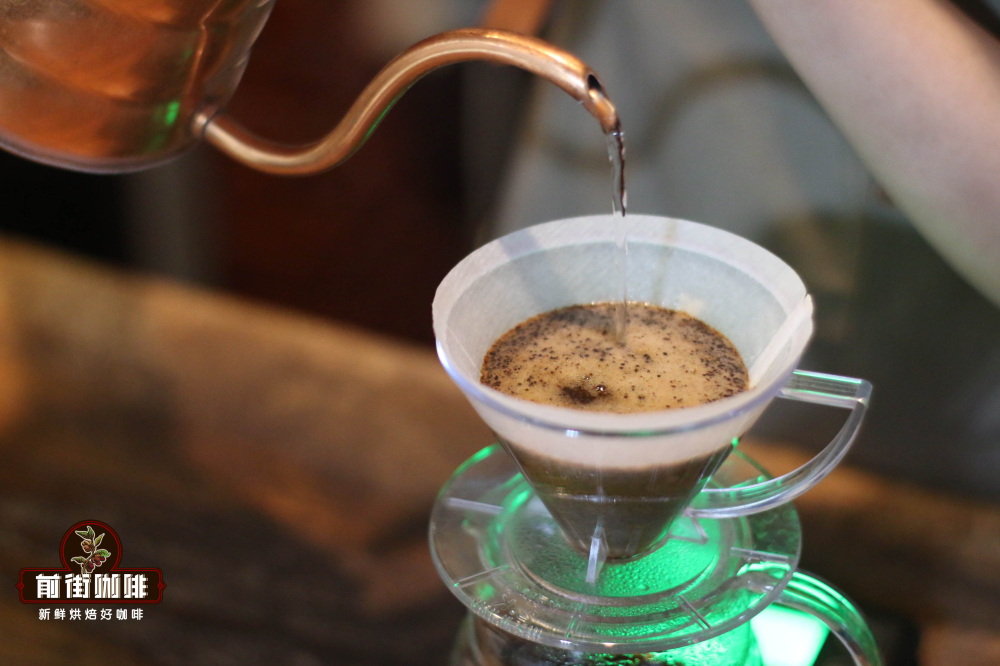
Because the Huila daily beans are medium-dark roasted, with flavors leaning toward nuts, chocolate, and a full body, the extra development makes the beans more porous and the grounds more absorbent. To avoid pulling out too many undesirable flavors, FrontStreet Coffee uses a medium grind size. Water temperature is lowered slightly as well, to keep the medium-dark roast from turning excessively bitter, and the coffee is extracted through a KONO dripper.
Brewing Parameters:
Dripper: KONO Dripper
Water Temperature: 88°C
Coffee-to-Water Ratio: 1:15
Coffee Grounds: 15g
Grind Size: EK43s - Setting 10.5 (75% pass-through rate on #20 standard sieve)
Pour the coffee grounds into the KONO dripper and wet the bed with twice the weight of the grounds, forming a dome, then let it bloom for 30 seconds. Next, pour in concentric circles from the inside out with a small stream until the scale reads 125g, then pause. When the bed drops to half the height of the dripper, continue with the same fine stream for a third pour until reaching 225g. Remove the dripper once all the liquid has filtered through; total extraction time is roughly 2 minutes.
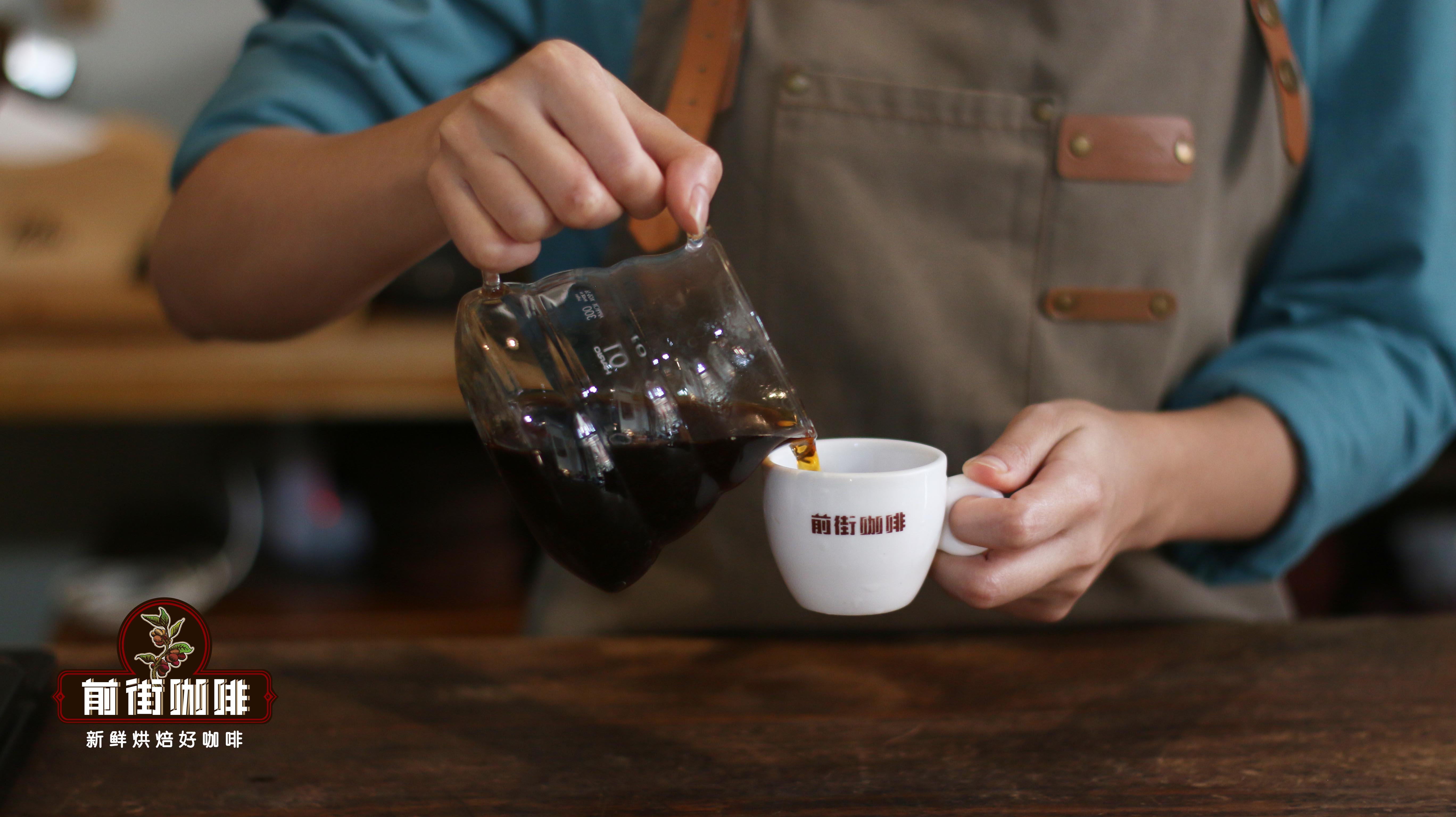
This Colombian Huila daily bean opens with clear roasted aromas of chocolate, nuts, and caramel. It is smooth and sweet, with moderate body and a clean mouthfeel. As it cools, a pleasant, gentle acidity comes forward.
FrontStreet Coffee Recommendation
FrontStreet Colombia Huila is the same everyday bean described above, and it is the most direct way to taste the classic Colombian profile. It comes from Huila province, the country's best-known specialty region, where the land is ringed by mountains, cultivation sits above 1,500 meters, and the most important rivers in Colombia converge to bring abundant water and humidity. It is washed and medium-dark roasted, so the cup centers on black chocolate, nutty sweetness, moderate oil, and a full body. It is a natural fit for pour-over and French press, and it also handles moka pot and espresso extraction for Americanos and lattes.
If you would like to compare the traditional and the modern side of Colombia, FrontStreet Colombia Finca El Diviso Sidra offers a striking contrast. Processed as a double anaerobic natural and roasted medium-light, it trades the nutty profile for a tropical, fruit-driven cup with passion fruit, grape, apricot, and dried fruit, all wrapped around a bright, juicy acidity. It works beautifully as a pour-over, cold brew, drip bag, or moka pot coffee.
For anyone building an espresso routine at home, FrontStreet Specialty Blend is the practical option. It pairs the creamy, nutty character of Brazilian coffee with the dark chocolate bittersweetness of Colombian coffee and yields a fine golden crema, which makes it ideal for a rich, smooth latte and easy to work with for Americanos, cappuccinos, and mochas.
Important Notice :
FrontStreet Coffee is a long-established specialty coffee roaster in Guangzhou China, selling freshly roasted beans from its own farm in Yunnan as well as dozens of carefully selected single-origin beans from around the world for both pour-over and espresso. The products deliver consistently excellent quality and great value, with shipping within 24 hours. Guangzhou's FrontStreet Coffee shop is recommended by many coffee lovers, and the beans are now available online at the Tmall 。
FrontStreet Coffee has moved to a new address:
FrontStreet Coffee Address: 315,Donghua East Road,GuangZhou
Tel:020 38364473
 Scan and follow the En Gafei WeChat official account. Please indicate that the reprint comes from "En Gafei".