How to Choose Coffee Beans? Which Coffee Bean Brand is Good_What Makes Coffee Beans Delicious
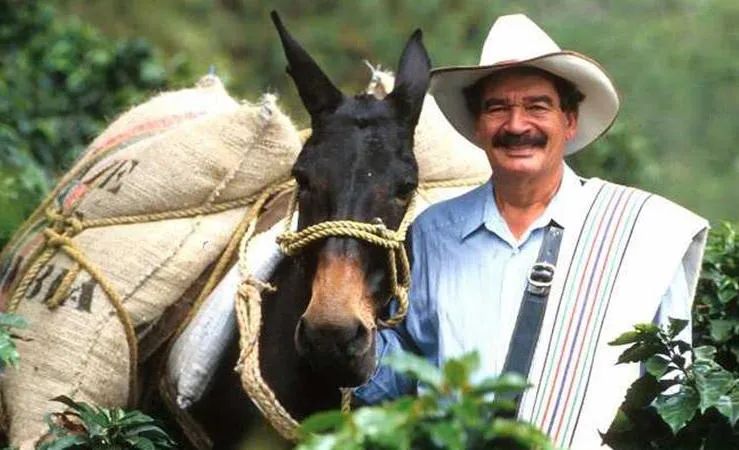
Whenever we search for Colombian coffee brands, we come across a very familiar logo: a coffee farmer nicknamed Uncle Juan, with a simple, honest face, wearing a white straw hat, draped in an Andean wool vest, carrying a leather bag across his body and canvas shoes, accompanied by his loyal mule. This symbol appears in advertisements and films around the world, carrying the classic brand image of Colombian coffee.
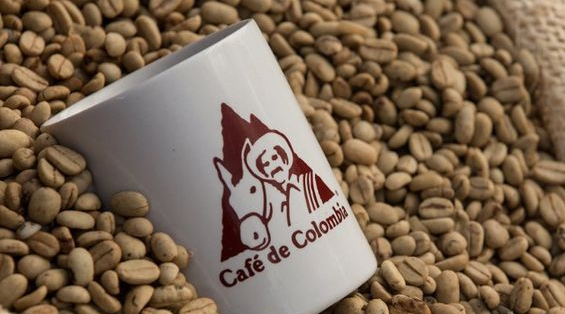
Colombian coffee is grown in the valley regions of the Andes Mountains.
Colombia's coffee-producing regions lie within the Andes, with climates that vary by topography. The southern part of the eastern plains and the Pacific coast have a tropical rainforest climate, mountainous areas at elevations of 1,000-2,000 meters have a subtropical climate, and the northwest has a tropical savanna climate. The average temperature in coffee regions varies between 18°C and 22.5°C.
Because of these geographical and climatic differences, whether you want a full, rich coffee or a vibrant, fruity one, you should be able to find it in Colombia.
Colombia's coffee regions have very clear boundaries, with latitude spanning the Andes and its terrain effects. From south to north they are divided into three major regions: northern, central, and southern. The northern and southern regions have distinct harvest seasons, while the central region, depending on whether it leans more north or south, has primary and secondary harvests, giving it two harvest periods a year. The main harvest runs from October to January, and the secondary harvest from April to July.
The diverse climate between the mountains means a harvest occurs year-round. Different types of coffee mature at different times, so busy figures can be seen picking coffee in the forests across the seasons.
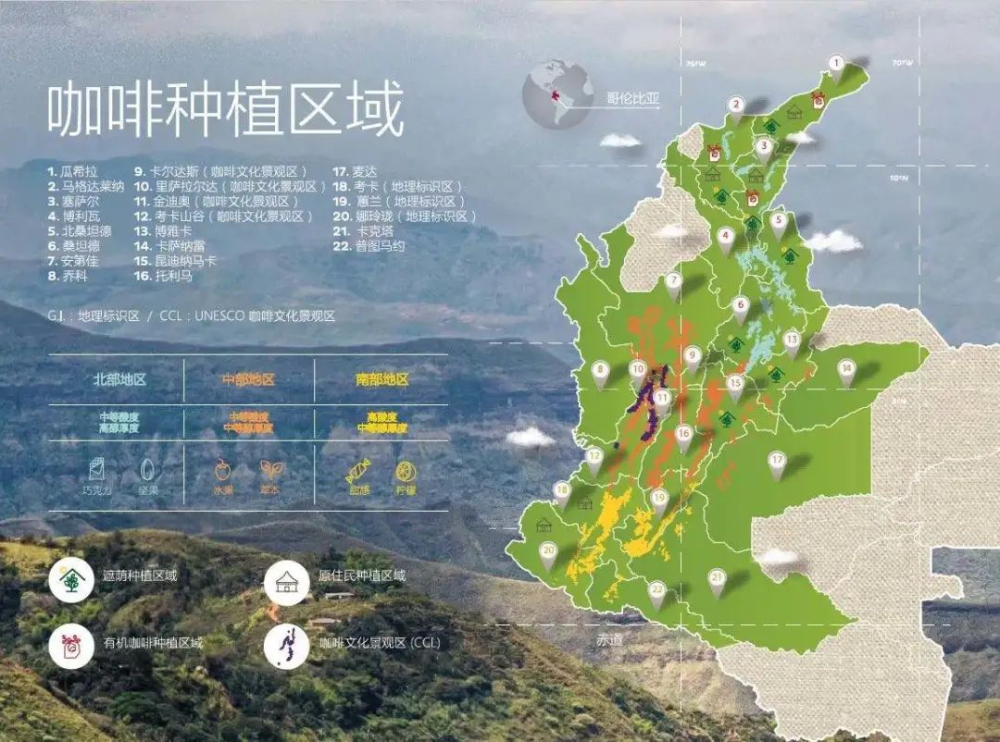
Last century, Colombian coffee was most famous for the "MAM" formed by Medellin, Armenia, and Manizales. With the growth of specialty coffee, many specialty producing areas have emerged in southern Colombia, including San Augustin in Huila, Popayan in Cauca, Nariño, and Tolima. Their high altitude and distinctive processing methods produce coffee with refined acidity and fruity flavors, often achieving excellent rankings in Cup of Excellence competitions.
After multiple cupping comparisons, FrontStreet Coffee selected washed beans from the Huila region as the representative of Colombian coffee, offering them in small packages so everyone can taste classic Colombian flavors.
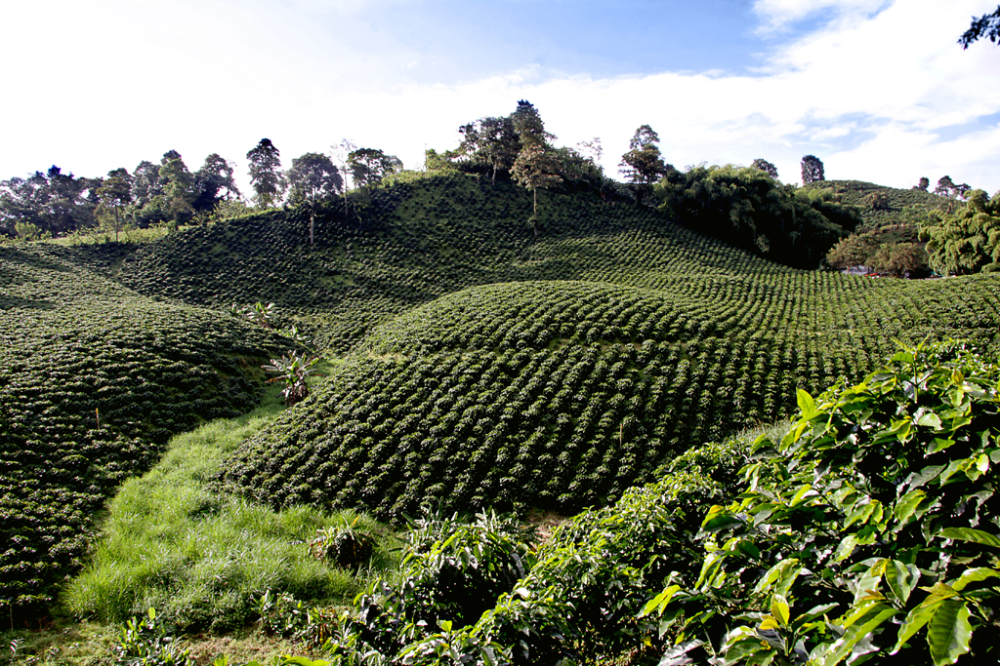
Huila Province is in the southern part of Colombia's central mountain range and is the country's most famous specialty coffee-producing region. It consists of hills surrounded by mountains, with cultivation altitudes above 1,500 meters and the high altitude and suitable temperatures needed to grow high-quality Arabica beans.
With excellent soil and geographical advantages for coffee, Colombia's most important rivers converge here, bringing abundant water and moisture. The canyon slopes keep cold winds out while providing cooling mountain breezes, without high heat, and there is sufficient rainfall, making it an exceptionally blessed region for coffee cultivation.
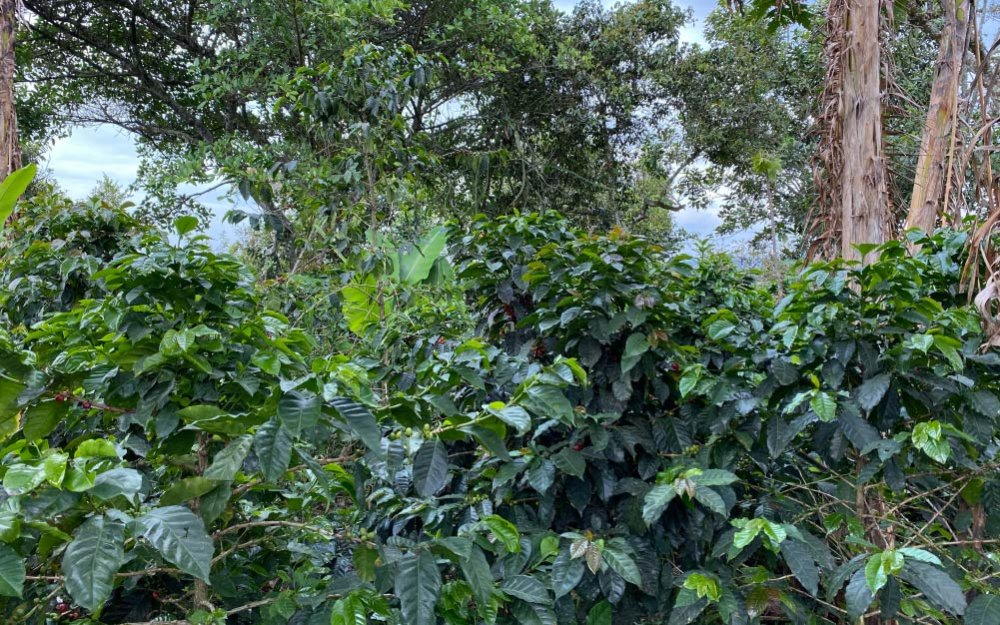
The Traditional Washing Method for Colombian Coffee
Colombia's coffee regions have abundant water resources, making them very suitable for washed processing. Family-run farms are typically equipped with special green bean processors (Ecomill or Eco-Pulper). Farmers pour the harvested cherries in, which removes the skin and pulp while using very little water to remove most of the mucilage. The parchment beans with a small amount of residual mucilage then enter a small pool or container, possibly a tiled tank, where they ferment overnight to loosen the remaining mucilage.
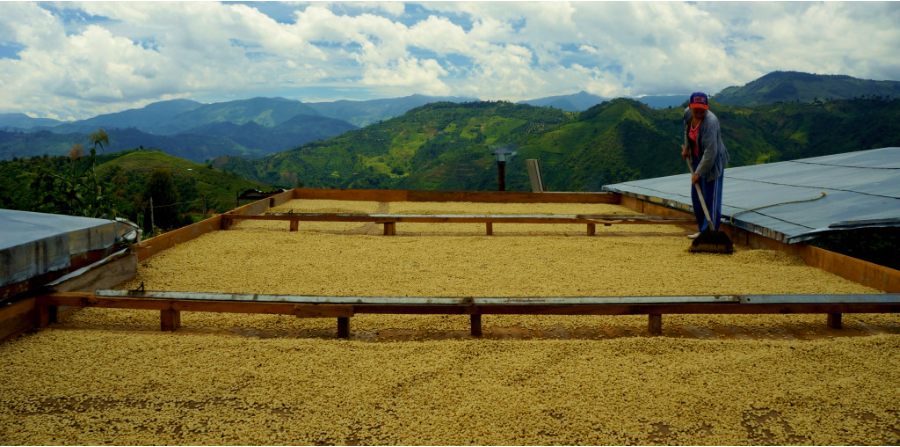
The next day they are thoroughly rinsed with clean water and finally spread out to dry in the sun until they reach the target moisture content. The washed method ensures high coffee quality and lets Huila coffee display its most authentic flavor characteristics. This is also why FrontStreet Coffee prioritizes washed batches when selecting everyday coffee beans.
Colombian Green Bean Grading Characteristics
Colombian coffee green beans are currently graded by size. Although bean size is not the main determinant of coffee quality and flavor, many producing regions believe that full, uniform, large beans indicate the coffee has reached complete maturity, can develop better aromatics, and are more conducive to even roasting, thus forming consistent flavors.
Screens of fixed sizes are used, with different specifications corresponding to different hole sizes. For example, if the screen holes are 17 mesh, beans larger than that cannot pass through, so the larger the screen number, the larger the particles that remain on the screen. The most common export grades are UGQ, EP, and Supremo.
Excelso UGQ 12*60 (1.5%): UGQ stands for Usual Good Quality. Green beans are above 14 mesh, allowing 1.5% of beans to fall between 12 and 14 mesh, but they must be above 12 mesh, with over 50% larger than 15 mesh.
Excelso EP 12*60 (10%): EP stands for European Preparation. Green beans are above 15 mesh, allowing 10% of beans to be smaller than 15 mesh, but they must be above 14 mesh.
Excelso Supremo 12*60 (5%): Green beans are above 17 mesh, allowing 5% of beans to be smaller than 17 mesh, but they must be above 14 mesh.
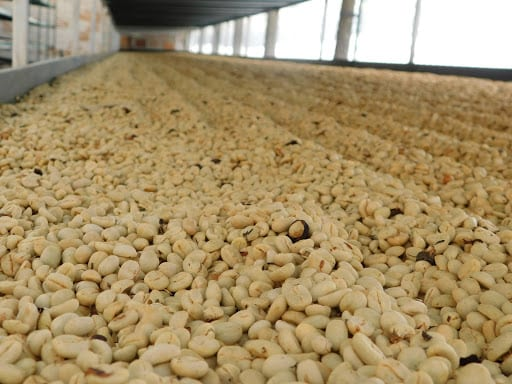
Regardless of the green bean size grade, as long as beans are exported they belong to the Excelso grade. In other words, most Colombian green bean bags exported worldwide today must be marked with the Excelso designation. The Excelso export grade is currently the most widely used standard adopted by FNC and the highest grade for Colombian green bean exports.
Colombia also has beans above 16 mesh called Extra, those above 18 mesh (even larger than Supremo) called Premium, and beans almost uniformly at 15 mesh called Minama, among others. Colombia also has beans that do not reach the Excelso export grade, locally called "Product of Colombia" and generally used for commercial-grade instant coffee.
In Colombia, each farmer reports a number and inputs green bean information, which facilitates future traceability. The names of exported Colombian green beans typically follow the format of country + region + grade + other information. For example, FrontStreet Coffee's Huila daily coffee beans are Colombia Huila Supremo SC17/18 FNC.
FrontStreet Coffee's Brewing Recommendations
The washed Huila daily coffee beans have both soft acidity and an appropriate body with a sweet aftertaste. FrontStreet Coffee aims to present classic Colombian nutty notes while preserving some acidity, so it chooses a medium-dark roast. Before introducing any coffee bean, FrontStreet Coffee conducts at least one cupping evaluation, which lets us more objectively demonstrate the coffee's strengths and weaknesses.
Because the Huila daily beans use a medium-dark roast with flavors leaning toward nutty, chocolate-rich, full-bodied profiles, the increased roast makes the beans more porous and the grounds more absorbent. To avoid extracting excessive off-flavors, FrontStreet Coffee chooses a medium grind. On temperature, FrontStreet Coffee slightly lowers the water temperature to avoid excessive bitterness from a medium-dark roast, pairing it with a KONO dripper.
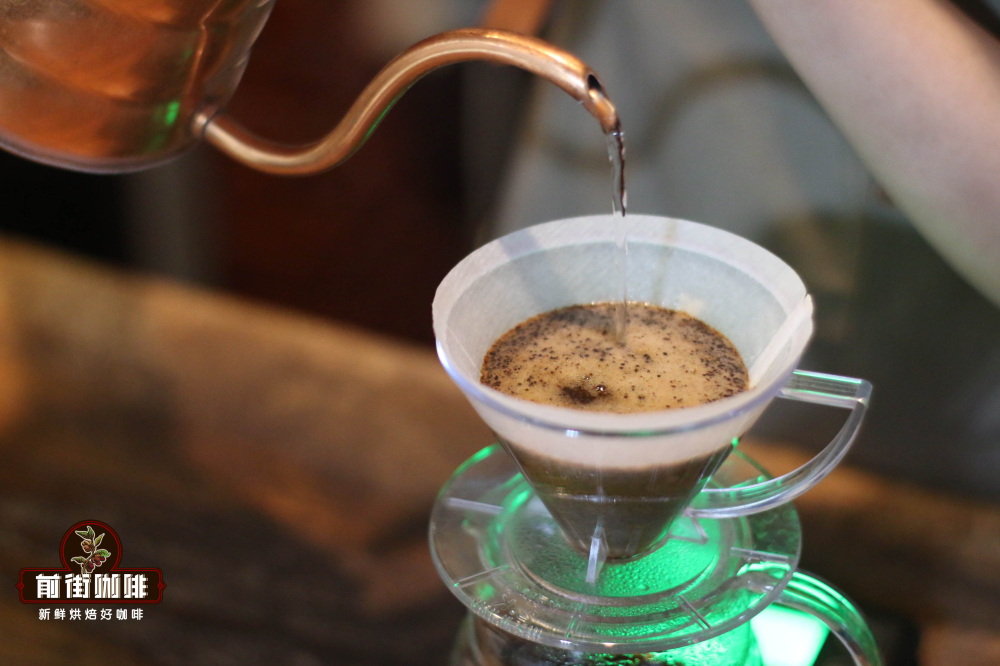
Dripper: KONO dripper
Water temperature: 88°C
Coffee-to-water ratio: 1:15
Coffee grounds: 15g
Grind size: EK43s setting 10.5 (75% pass-through rate for the #20 standard sieve)
Pour the coffee grounds into the KONO dripper, wet the coffee bed with twice the amount of water as the coffee grounds to form a dome, and let it bloom for 30 seconds. Then, with a small stream, pour in circles from inside to outside until reaching 125g, then segment. Wait until the coffee bed drops to half the dripper's height, then continue with the same fine stream to inject the third segment to 225g, until all the coffee liquid has filtered through, then remove the dripper. The time should be approximately 2 minutes.
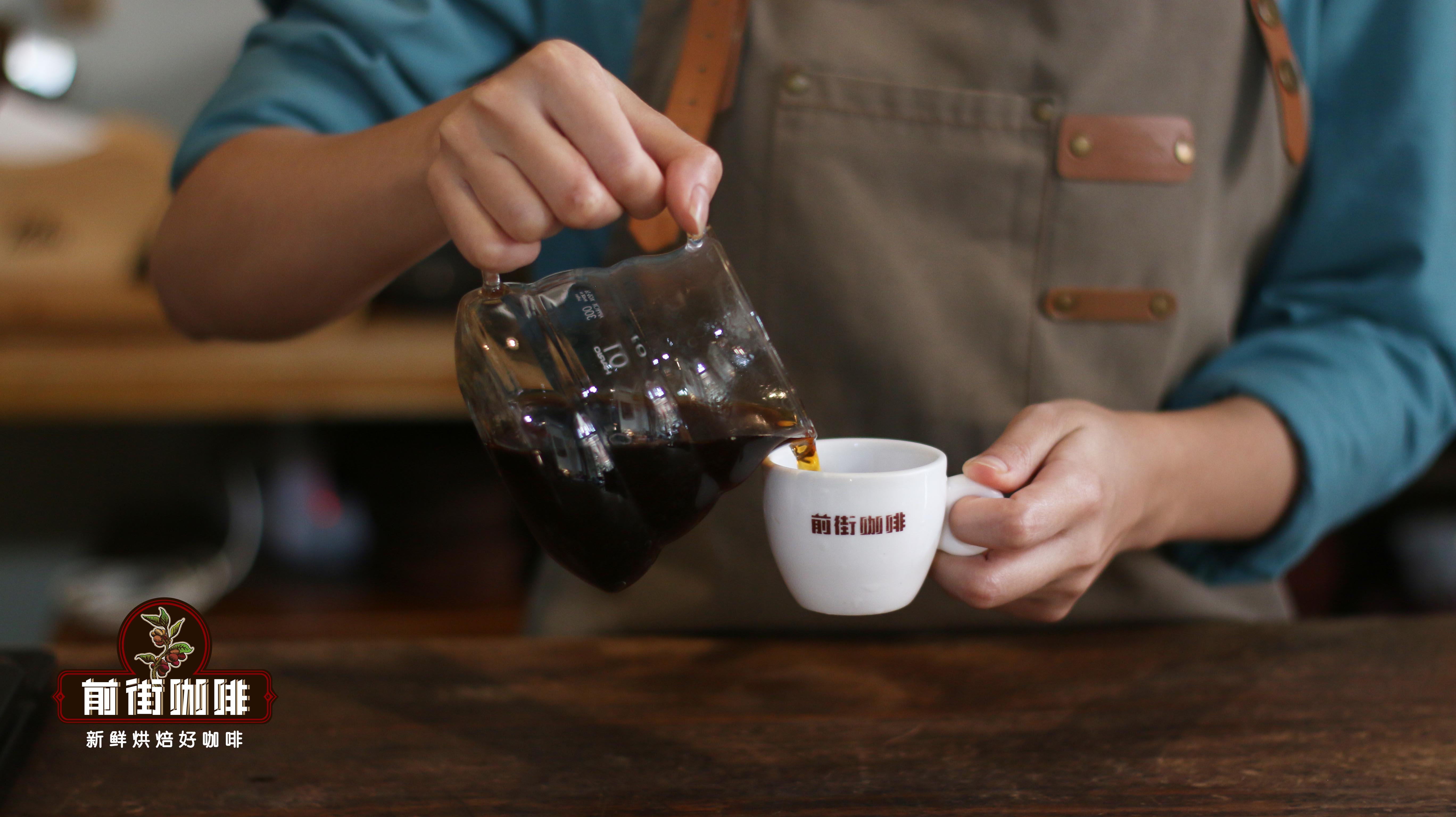
This Colombian Huila daily coffee bean has distinct roasted aromas of chocolate, nuts, and caramel on entry. It is smooth and sweet, with moderate body and a clean taste. As the temperature drops, you can experience a pleasant, soft acidity.
FrontStreet Coffee Recommendation
To understand the Colombian region, FrontStreet Colombia Huila is the ideal starting point. It uses a medium-dark roast to bring out dark chocolate and nutty sweetness, moderate oil, and a full body, and it suits not only pour-over and the French press but also the moka pot and espresso machine, where it makes an Americano or latte with ease.
For a more innovative Colombian processing method, FrontStreet Colombia Finca La Divisoria Sidra shows a different side of the country. In recent years Colombia has moved beyond washed processing toward anaerobic fermentation, in which coffee ferments in a low-oxygen or oxygen-free environment inside a pressure-resistant stainless steel tank while temperature, time, and pH are controlled. This anaerobic natural Sidra converts more tropical fruit aroma, and at a medium-light roast it delivers complex passion fruit, grape, apricot, and dried fruit notes in pour-over, cold brew, drip bags, and the moka pot.
And for a home espresso machine or moka pot, FrontStreet Premium Blend is a strong recommendation. Designed for coffee shops, it joins the creamy nut aroma of Brazil with the dark chocolate bittersweet of Colombia, showing fine, golden crema during extraction. Paired with milk it makes a rich, smooth latte, and it is equally friendly as the base for an Americano, cappuccino, or mocha.
Important Notice :
FrontStreet Coffee is a long-established specialty coffee roaster in Guangzhou China, selling freshly roasted beans from its own farm in Yunnan as well as dozens of carefully selected single-origin beans from around the world for both pour-over and espresso. The products deliver consistently excellent quality and great value, with shipping within 24 hours. Guangzhou's FrontStreet Coffee shop is recommended by many coffee lovers, and the beans are now available online at the Tmall 。
FrontStreet Coffee has moved to a new address:
FrontStreet Coffee Address: 315,Donghua East Road,GuangZhou
Tel:020 38364473
 Scan and follow the En Gafei WeChat official account. Please indicate that the reprint comes from "En Gafei".