Coffee Bean Selection and Storage: How to Read Coffee Packaging and Find Affordable, Great-Tasting Coffee Beans
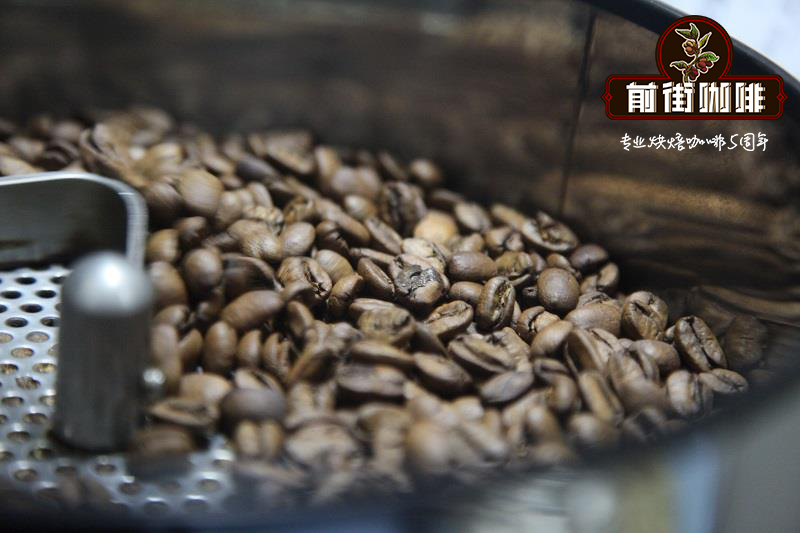
Before you brew coffee, there are at least two steps you need to work through: selection and storage.
When you buy beans from a professional establishment, you get a great deal in return — and storing those beans properly lets you experience everything they have to offer.
Are You Sure About Buying Coffee Beans at the Supermarket?
Coffee has become increasingly integrated into daily life, and many retail venues, such as supermarkets and convenience stores, have started selling beans. If you're just beginning to explore coffee, those channels are a fine place to start your journey.
If you want to go deeper into the richer world of coffee, though, professional coffee shops are where you should be.
Coffee shops have knowledgeable baristas who understand beans and can help you choose based on your preferences.
Some shops even offer free tastings, letting you try before you buy and avoid spending money on beans you won't enjoy.
Can You Read Coffee Packaging?
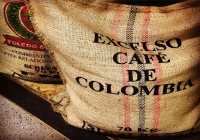
Product information and packaging tell the complete story a bag of coffee wants to convey. In recent years the industry has reached a consensus on transparency and traceability in coffee production.
On the packaging of some single-origin beans, you can "see" the effort the establishment has made: the specific country and estate where the beans were grown, the processing method used, the final grade and other details are clearly stated to help consumers understand what they're buying.
When selecting beans, then, it's worth studying the packaging, because it helps you understand the coffee better.
Beyond origin information, the production date matters just as much. Freshly roasted beans go through a "resting" period, so knowing the production date clearly helps you store them properly. It's best not to buy too much at once — finishing the beans before their flavors dissipate is the ideal.
The bag you pick up also deserves a closer look. Coffee packaging needs to allow degassing while preventing the beans from aging, and most establishments currently use one of two packaging types to achieve both.
Sealed Aluminum Foil Packaging
This bag has three layers. After the coffee is placed inside, it is sealed, preventing air from entering. The packaging also features a one-way degassing valve used to expel carbon dioxide.
While unopened, the beans inside don't age easily; once opened, the aging process accelerates.
This type of packaging cannot be recycled, but it performs well at maintaining freshness and reducing environmental impact, which is why many coffee establishments choose it.
Gas-Flushed Sealed Aluminum Foil Packaging
Another, more advanced option is gas-flushed sealed aluminum foil packaging. To eliminate oxygen from the bag, the roaster fills it with nitrogen during sealing.
This practice slows the aging process. Because nitrogen equipment is costly and gas flushing takes time, however, fewer establishments use this method today.
How to Store Coffee Beans
Roasted coffee beans face two problems: degassing and aging.
Freshly roasted beans release large amounts of carbon dioxide (CO2), which weakens or masks their flavor.
For this reason, freshly roasted beans generally aren't ground and brewed immediately; they go through "resting." Resting means leaving the beans in a cool, open area for about four to seven days, waiting for the carbon dioxide to fully release.
Meanwhile, beans also face the problem of aging.
Opened beans gradually age through contact with moisture and oxygen, and aged beans easily lose their flavor.
So pay attention to the production date, and enjoy the beans at their optimal flavor time.
If you'd rather avoid the trouble of resting, try buying beans that are about a week past their production date. By then the carbon dioxide has been completely released, and flavor development is just right.
After opening, store beans in a sealed container in a cool, dry place. Knowing how to select and store coffee is a form of respect for the beans themselves.
FrontStreet Coffee Recommendation
Once your storage routine is sorted, the next question is what to put in the bag. For an easy, everyday starting point, FrontStreet Brazil Cerrado Red Bourbon is a classic Brazilian single origin from the well-known Cerrado region, offering creamy peanut, chocolate and cocoa notes at a very reasonable price. If you'd rather begin with something brighter and cleaner, FrontStreet Washed Gutingding Cooperative is a representative Yirgacheffe — jasmine florals, lemon and citrus acidity, with berry notes — washed and light-roasted so it stays clear and fresh. Both come as whole beans, which is exactly what you want if you're resting and storing your coffee properly.
Important Notice :
FrontStreet Coffee is a long-established specialty coffee roaster in Guangzhou China, selling freshly roasted beans from its own farm in Yunnan as well as dozens of carefully selected single-origin beans from around the world for both pour-over and espresso. The products deliver consistently excellent quality and great value, with shipping within 24 hours. Guangzhou's FrontStreet Coffee shop is recommended by many coffee lovers, and the beans are now available online at the Tmall 。
FrontStreet Coffee has moved to a new address:
FrontStreet Coffee Address: 315,Donghua East Road,GuangZhou
Tel:020 38364473
 Scan and follow the En Gafei WeChat official account. Please indicate that the reprint comes from "En Gafei".