5 Key Perspectives on How to Choose Coffee Beans_ What Brand of Coffee Beans is Good_ How to Select Coffee Beans
Finding Your Perfect Coffee: A Beginner's Guide
When it comes to choosing coffee, are you just starting out, or still hesitant to step into the world of coffee? Do you find yourself overwhelmed by the dazzling array of beans on the market, unsure where to begin?
If you haven't yet built a systematic understanding of coffee and tend to struggle with decisions, why not follow our guide and start with these fundamental questions to better understand your own preferences?
Black Coffee or Milk Coffee?
Many people are used to drinking coffee with milk, while the trend of enjoying specialty black coffee is growing fast. It's time to pick a side.
If you prefer coffee with milk, it is better to brew something stronger using an espresso machine or moka pot, which makes espresso beans the ideal choice.
For black coffee lovers, pour-over drip, siphon brewers, and similar tools work best, making single-origin beans the preferred option. Some drinkers, of course, choose to drink espresso straight, without adding milk.
Fruity Acidity or Rich Bitterness?
Different coffees offer vastly different flavors, and no single word could sum them up. For beginners, though, the most intuitive distinction is probably the two taste tendencies: acidity and bitterness.
Many people say, "I don't like acidity in coffee," but acidity is actually one of the important characteristics of high-quality coffee. Those who dislike coffee acidity have often simply never experienced good acidity. Premium varieties such as Yirgacheffe and Kenya both have pronounced acidity. These beans are usually roasted to light or medium levels, which allows for more delicate layers and distinct, clear flavor.
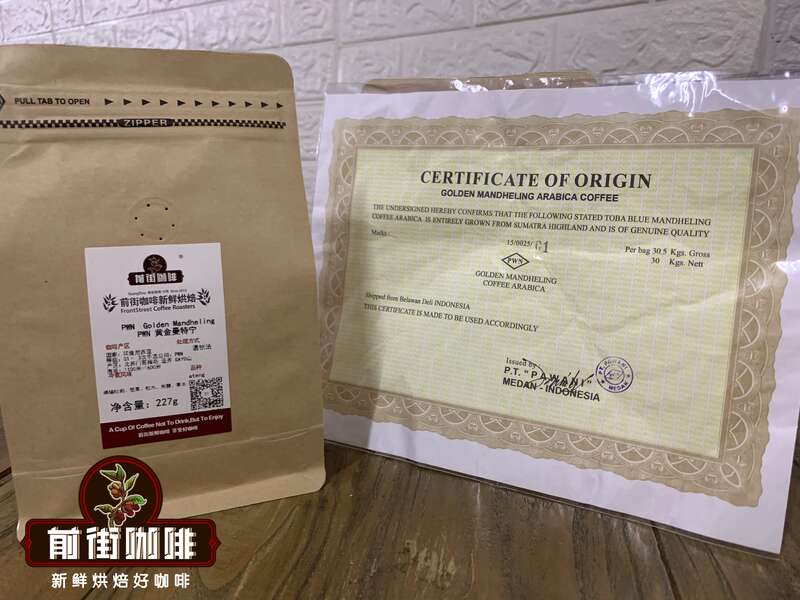
If you only enjoy rich, bitter flavors and firmly reject acidity, we won't stand in your way. Mandheling-style coffees, known for their mellow flavor and low acidity, have always been popular. They are usually roasted darker, so the sweet-bitter taste is more pronounced, with a rich, thick texture.
There are also beans with balanced flavors, holding a good balance between bitterness and acidity. These are typically medium-roasted and tend to be easily accepted by most people.
Fresh or Not Fresh?
Whatever the variety, freshness is non-negotiable. Coffee beans can have a long shelf life, but the optimal tasting period is about one month. After that, the flavors slowly diminish as time passes. So always choose beans with a recent roast date.
Pre-ground coffee is not recommended. For a discerning barista, coffee begins to lose its aroma just 40 seconds after grinding; even for the most forgiving barista, coffee ground half an hour earlier has already lost much of its aroma. Buy fresh beans and grind them yourself just before brewing.
There is one exception: if you're in the office or traveling and fresh grinding is inconvenient, relatively fresh drip-bag coffee is a good option. With double-layer sealed packaging, these bags let you enjoy aromatic coffee anytime, anywhere without carrying a load of brewing gear.
This Origin or That Origin?
Most specialty coffees can be traced back to their origin, or even to a specific estate. Origin information doesn't guarantee good beans, and judging solely by country isn't entirely accurate, but origin still provides valuable reference.
Kenyan coffees from Africa, for example, often have distinct fruit notes; Guatemalan coffees from South America are typically mellow with a slightly wild character; Indonesian Mandheling tends to be low-acid and mellow, while Ethiopian Yirgacheffe often has pronounced flavor characteristics.
Blend or Single Origin?
Single-origin beans often lack the complex flavors needed to brew a delicious cup. Many blends contain three to seven different coffees. Master roasters understand each bean's character and combine them artistically to create desired new flavors; the knowledge they use to blend can be considered the industry's deepest secret.
In the United States, 100% Arabica beans are used to create the finest blended coffees. In Italy, some Robusta is added to blends to increase crema, caffeine content, and flavor complexity.
Whether to roast first or blend first has always been debated among roasters. Generally, roasting each single origin separately before blending allows each coffee's distinctive flavor to be maximized, producing the best results.
FrontStreet Coffee is a roastery in Guangzhou with a small shop but a diverse lineup of beans, where you can find both famous and lesser-known lots, along with online store services.
FrontStreet Coffee Recommendation
If the origin question above points you toward Ethiopia, FrontStreet Coffee's washed Yirgacheffe staple lot is the classic first step, known for white jasmine, bright citrus and lemon acidity, and a tea-like body, at a price that makes it a welcoming entry to specialty coffee.
For a finer washed micro-region, FrontStreet Coffee's Gotiti Cooperative coffee comes from the Worka area of Yirgacheffe and follows the most traditional washed processing, showing fresh citrus and lemon acidity with jasmine fragrance and none of the bitterness people often associate with coffee. And for anyone convinced they don't like acidity, FrontStreet Coffee's natural Red Cherry is a good test: made only from fully ripe red cherries dried on raised beds, it balances typical Yirgacheffe elegance with tropical fruit, delivering citrus acidity, juicy berry, honeyed sweetness, and a creamy, smooth texture.
Important Notice :
FrontStreet Coffee is a long-established specialty coffee roaster in Guangzhou China, selling freshly roasted beans from its own farm in Yunnan as well as dozens of carefully selected single-origin beans from around the world for both pour-over and espresso. The products deliver consistently excellent quality and great value, with shipping within 24 hours. Guangzhou's FrontStreet Coffee shop is recommended by many coffee lovers, and the beans are now available online at the Tmall 。
FrontStreet Coffee has moved to a new address:
FrontStreet Coffee Address: 315,Donghua East Road,GuangZhou
Tel:020 38364473
 Scan and follow the En Gafei WeChat official account. Please indicate that the reprint comes from "En Gafei".