Recommended Specialty Pour-Over Coffee Brands - Flavor Profile and Taste Introduction for Single-Origin Coffee Beans
Which brands of specialty coffee beans are best for pour-over brewing? Customers often put this question directly to FrontStreet Coffee's baristas. As the coffee market expands and the specialty coffee sector continues to grow, consumers have an ever-wider choice of brands. Search for specialty coffee beans on any major e-commerce platform and you will find scores of roasters, many of them staffed by professionals eager to introduce their recommended brands. With a little exploration, you can certainly find a specialty coffee brand that matches your taste and quality standards.
FrontStreet Coffee believes, however, that a roaster can only call itself a specialty coffee brand if it meets one essential condition: everything it sells must be specialty coffee. That may sound obvious, but what exactly qualifies as "specialty coffee"? The first person to apply the word "specialty" to coffee was Erna Knutsen, the so-called "godmother of specialty coffee." In a 1974 interview with Tea & Coffee magazine, she introduced the concept to distinguish high-quality beans from mediocre commercial bulk coffee. She emphasized that the soul of specialty coffee lies in how coffees from different regions express distinct regional flavors, shaped by altitude, soil and water, climate, processing method, and cultivation care. Notably, the term only spread worldwide after the founding of the Specialty Coffee Association of America.
In 1982, inspired by the godmother of coffee, Ted Lingle, Donald Schoenholt, and 46 others co-founded the Specialty Coffee Association of America (SCAA). In 2009 the definition was refined: only coffee scoring 80 points or above on the cupping table may be called specialty coffee. For an explanation of how the scoring works, you can find plenty of material on this very website.
Today many cafés and bean brands are trending toward single-origin coffee, but FrontStreet Coffee believes single-origin merely signals a transparent, traceable origin — hardly a guarantee of quality. Specialty coffee, by contrast, values both the influence of origin on cultivation and the coffee's flavor and taste characteristics.
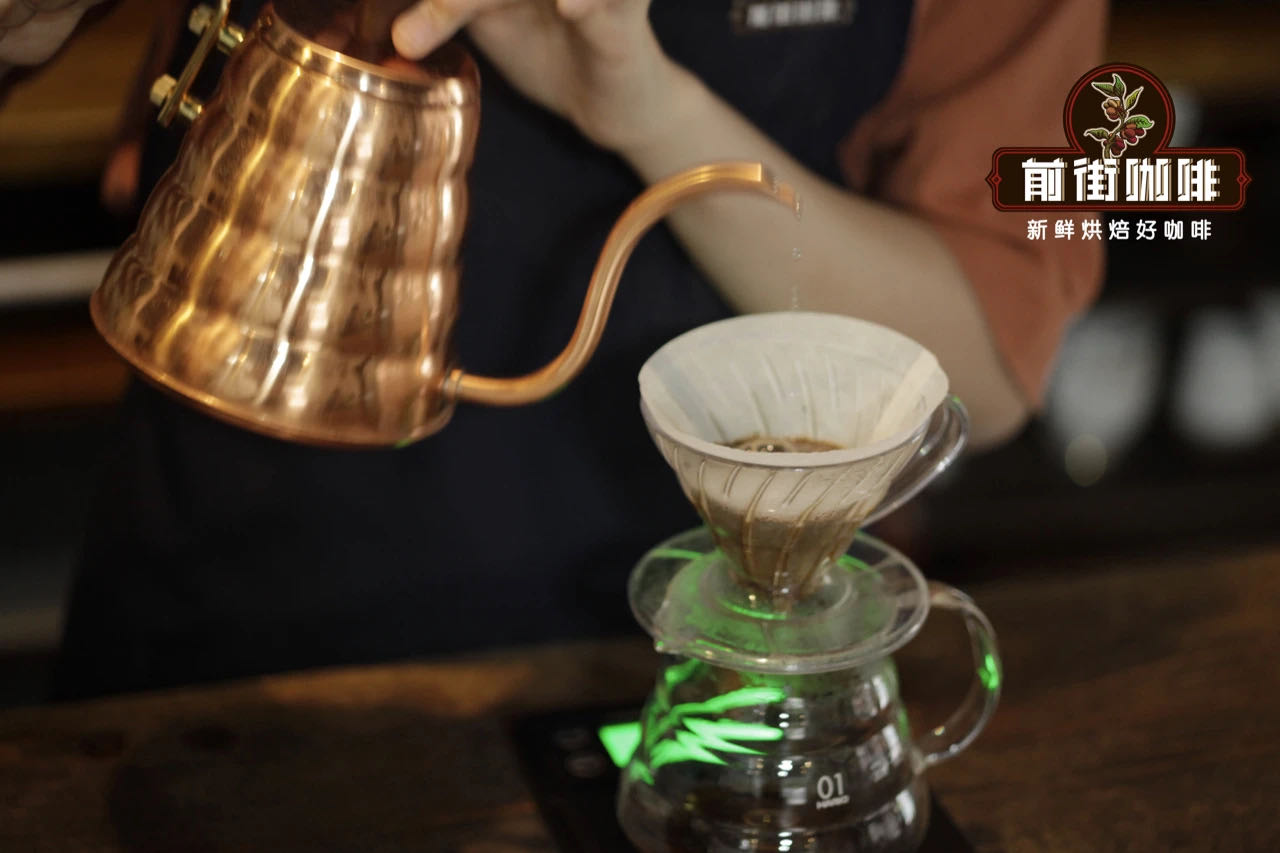
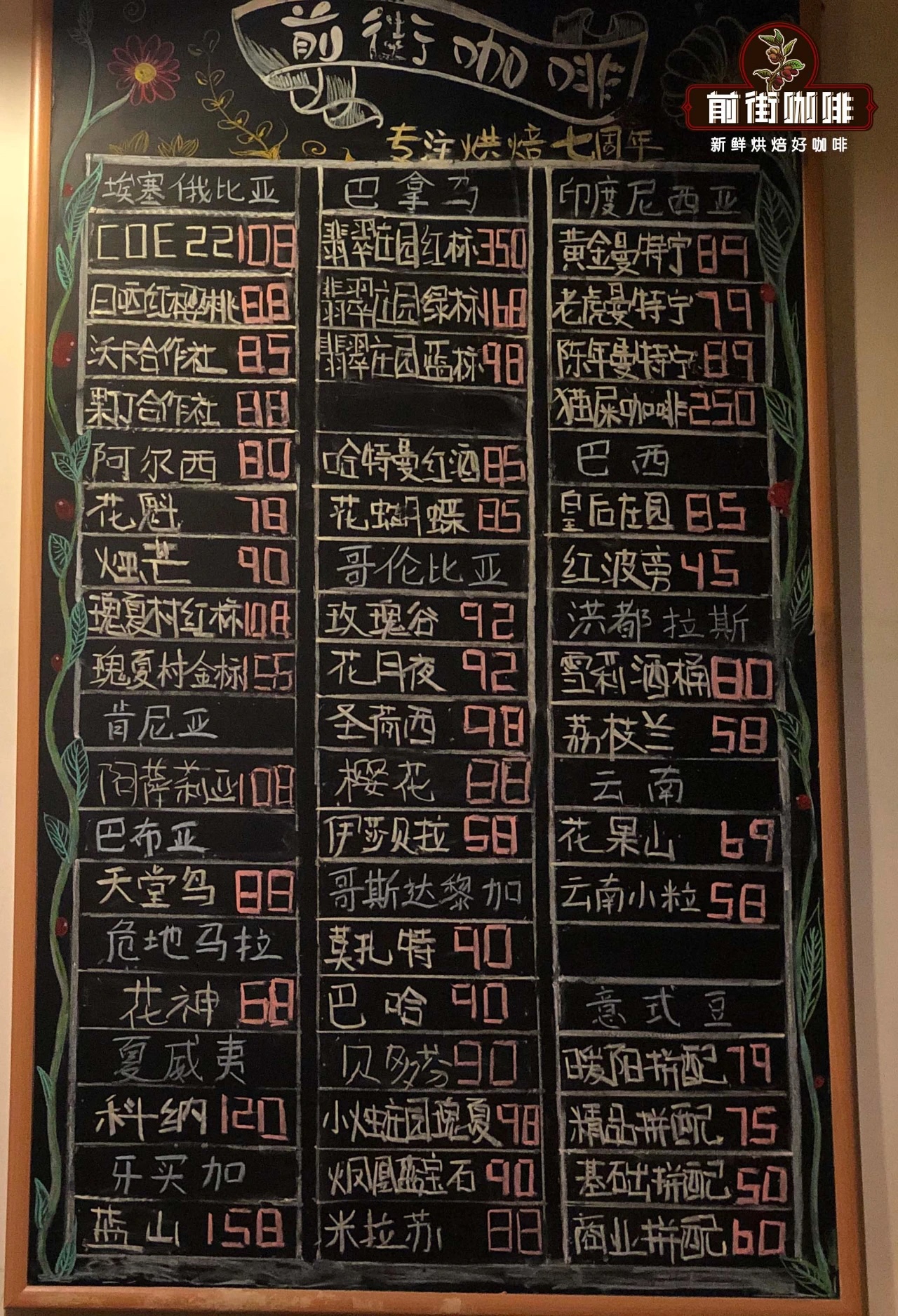
That is the introduction to specialty coffee brands. To build a lasting brand, FrontStreet Coffee believes a roaster must guide consumers and deliver real value to them. FrontStreet Coffee was founded in 2013 and therefore has eight years of history. Over those eight years its bean menu has grown to more than 50 single origins, ensuring that every customer can find beans to suit their palate. Yet more is not always better: too many options can intimidate beginners, and an overload of information can actually make it harder to find the right coffee. Every bean FrontStreet Coffee selects therefore represents either the classic flavor of its region or has a special story of its own.
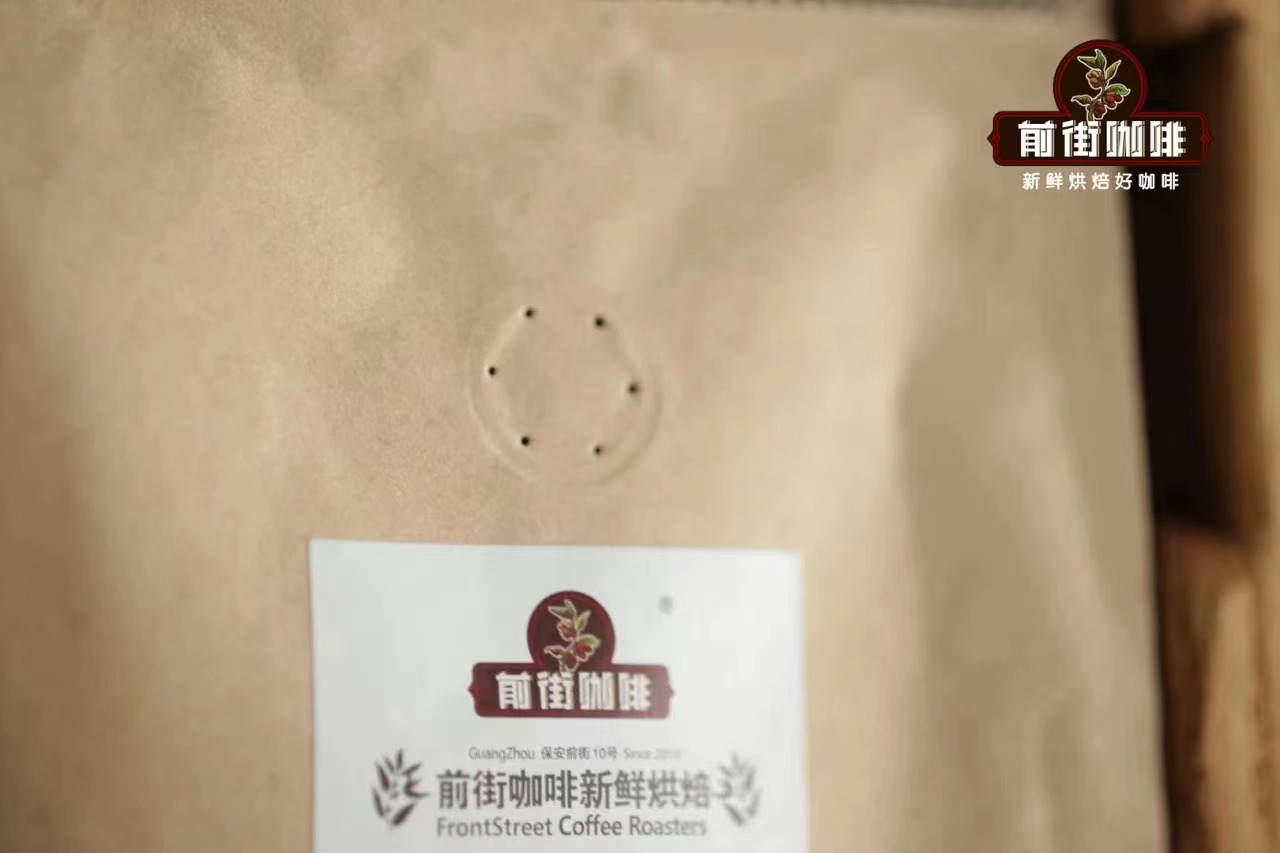
Fresh roasting is another cornerstone of FrontStreet Coffee's promise. Even beginners should know how much fresh roasting matters. After roasting, beans release gases — chiefly carbon dioxide — for a period of time, and once this release passes a certain point the coffee's flavor peaks and tastes its best. FrontStreet Coffee therefore roasts to order: once a customer places an order, the roasters roast and ship the same day, so the beans rarely reach the customer more than 5 days past the roast date.
Remember: there are thousands of excellent coffees out there, and the best one is simply the one that suits you. Some drinkers chase floral and fruity aromatics, others fermented, wine-like notes, and some prefer the traditional, deep coffee profile. Below, FrontStreet Coffee briefly introduces 10 beans for these different audiences.
We begin with an entry-level bean: FrontStreet Coffee's Yirgacheffe. Many coffees are named after their region, location, estate, or variety, and Yirgacheffe is no exception — it is an administrative district within Ethiopia's Sidamo province. Because its coffees express such a pronounced terroir, the area was designated as a separate Yirgacheffe region. The Yirgacheffe Coffee Farmers Cooperative Union, founded there, now counts 28 member cooperatives and over 45,100 farmers. FrontStreet Coffee currently carries four Yirgacheffe selections: the Natural Red Cherry, Gedeb, Worka, and Konga.
FrontStreet Coffee Recommendation: Yirgacheffe Red Cherry
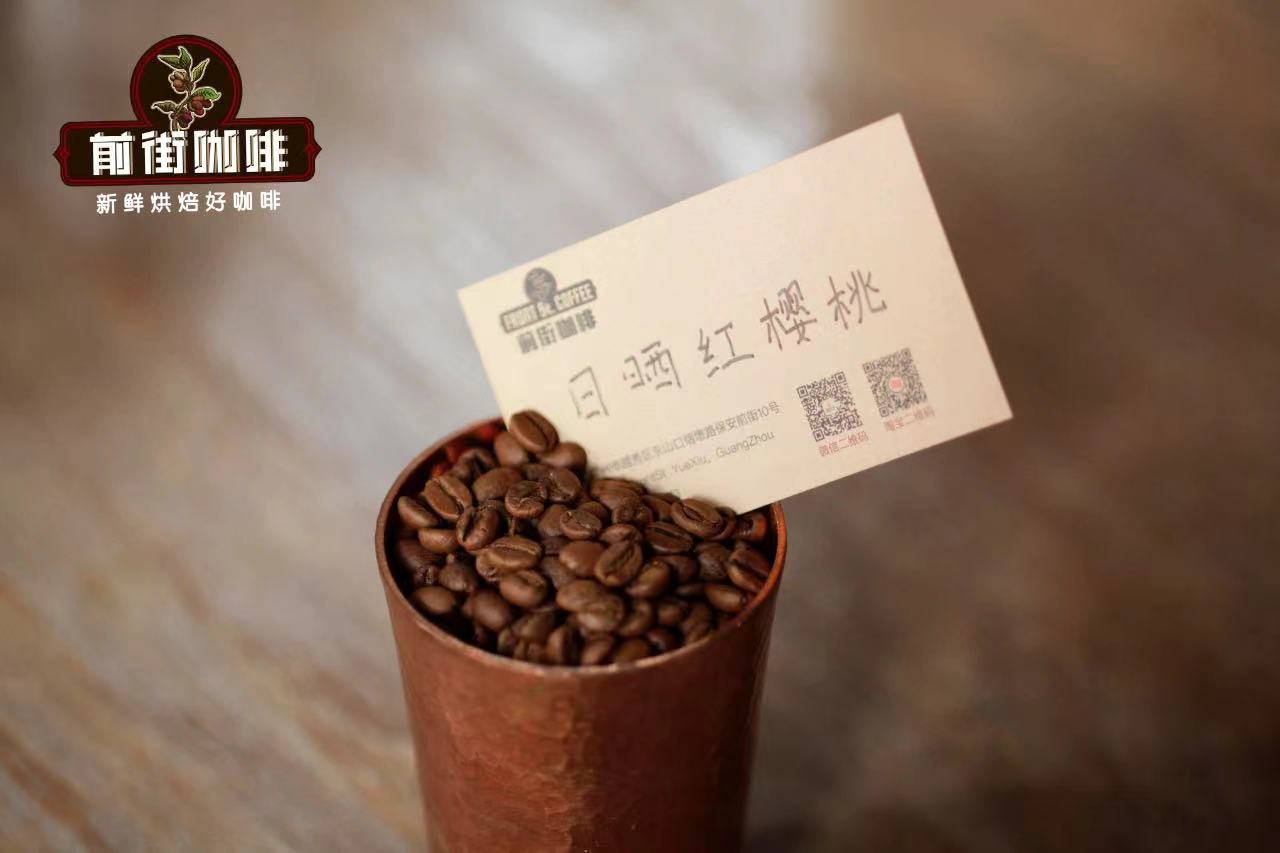
In 2007 the Dutch trading company Trabocca launched the Red Cherry Project, designed to incentivize farmers to produce the very highest quality coffee and to reward their efforts, whether the lot was washed, semi-washed, natural, or semi-natural. Each lot — roughly 1,500 to 3,000 kilograms — must be hand-picked from 100% ripe red cherries, hence the name. FrontStreet Coffee's Natural Red Cherry comes from this program, and the green bean quality is superb: citrus and berry flavors laced with gentle fermented fruit notes.
FrontStreet Coffee Recommendation: Yirgacheffe Gedeb
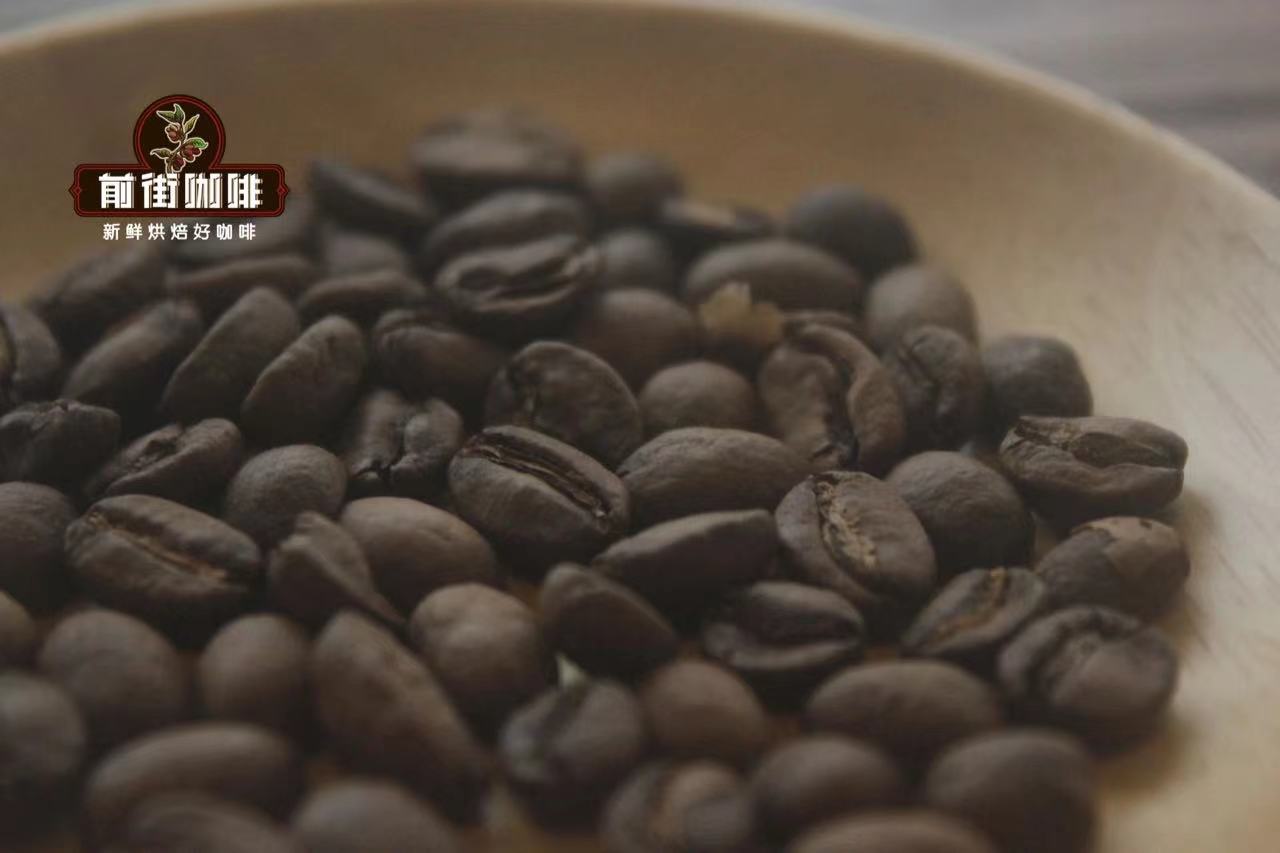
The Gedeb Cooperative sits in the Worka area at the southeastern tip of Yirgacheffe. It was originally part of the Worka Cooperative under the Yirgacheffe Union, but as demand for traceability grew, distinct micro-regions were progressively separated out and Gedeb became independent. It was among the first village areas to process its coffee independently, and many of its smallholder farmers are also Worka Cooperative members, so their craft is beyond question. Hailed as the last unspoiled corner of Yirgacheffe, Gedeb still uses very traditional green-been processing.
FrontStreet Coffee Recommendation: Yirgacheffe Worka
Worka Cooperative was established in 2005 and joined the celebrated Yirgacheffe Coffee Farmers Cooperative Union (YCFCU) the same year; it is renowned for premium natural-processed Yirgacheffe and numbers about 300 coffee farmers. FrontStreet Coffee's Worka offers lemon acidity and jasmine florals, with a faint black-tea aftertaste and a sugarcane-sweet finish.
FrontStreet Coffee Recommendation: Yirgacheffe Konga
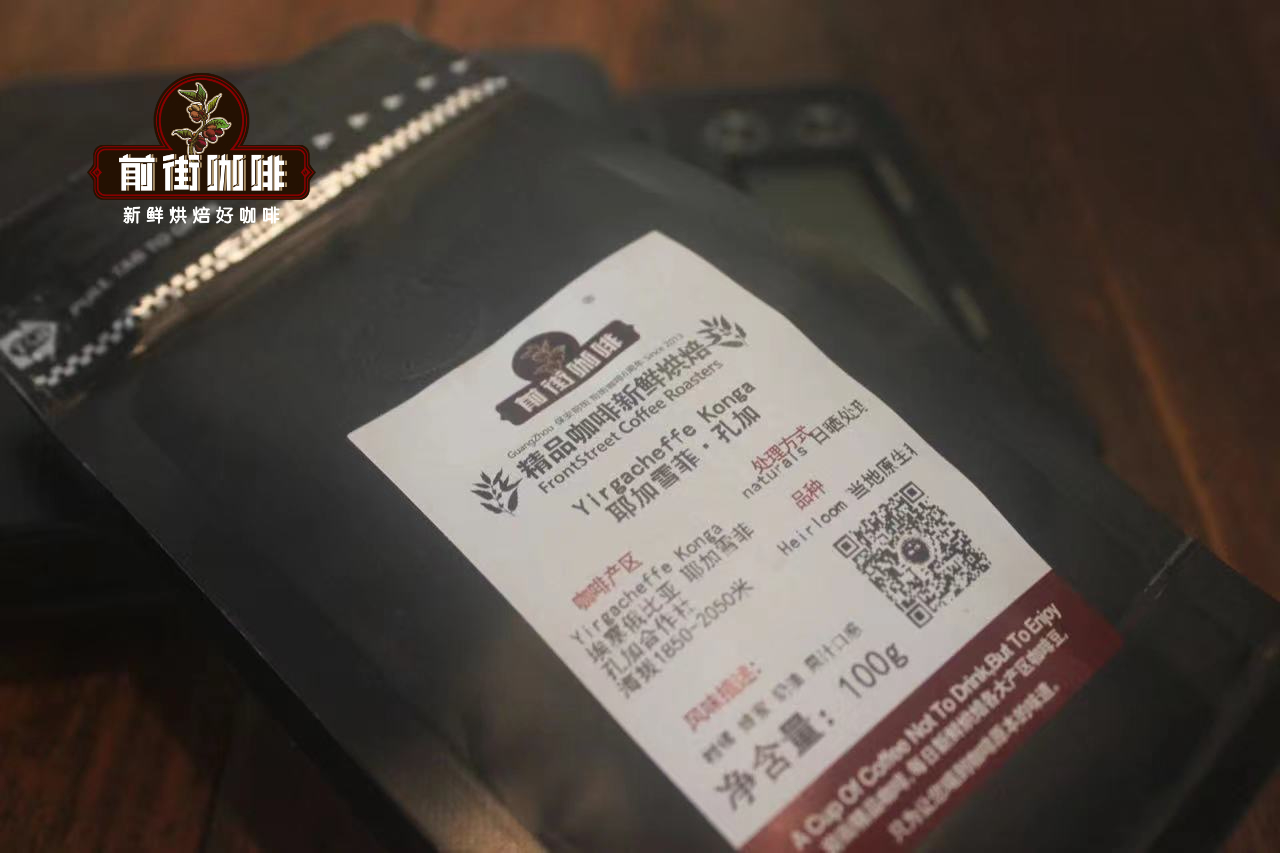
Konga Cooperative was founded in 1994 and joined the YCFCU in 2002. Its smallholder farmers cultivate plots averaging less than 1.25 hectares at altitudes of 1,800–2,000 meters, producing green beans of very high quality. When FrontStreet Coffee cupped this Konga, we were deeply impressed: the dry aroma carries a delicate white-floral scent with distinct berry notes while hot; as the cup cools, the citrus acidity grows steadily brighter. The washed process keeps the coffee clean and silky, with a fruit-tea character at lower temperatures.
Sweet Coffee Recommendations
Lovers of sweetness, look here. Honey processing is a method of preparing harvested coffee cherries: the skin and pulp are removed as usual, but instead of washing off the mucilage layer, the beans are dried with it still attached. Fermentation is therefore gentler, and less of the beans' sugar converts into acid. Costa Rica produces honey-processed coffees in abundance. Here are two worth knowing:
FrontStreet Coffee Recommendation: Costa Rica Blueberry
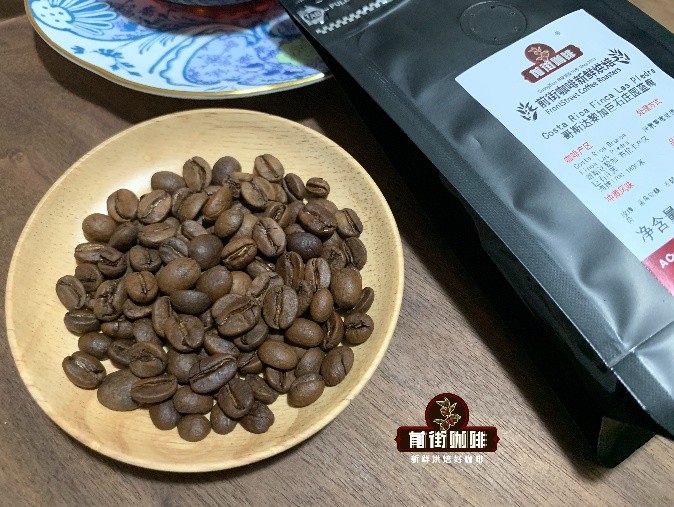
FrontStreet Coffee's Costa Rica Blueberry is a bean we have been championing with great enthusiasm. Rose florals entwine with the sweetness of blueberry candy, distinct fermented notes, and a cool, minty finish that is thoroughly intoxicating. The coffee grows in Costa Rica's Brunca region, an environment ideally suited to cultivation: abundant rainfall, fertile volcanic soil, and average altitudes of 1,700–1,800 meters. FrontStreet Coffee's honey-processed lineup also includes the Costa Rica Musician Series.
FrontStreet Coffee Recommendation: Costa Rica Mozart
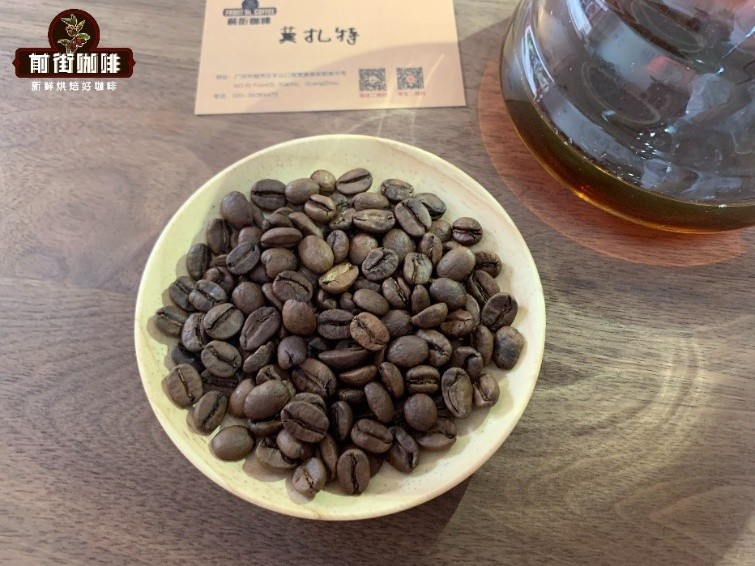
This bean belongs to FrontStreet Coffee's Musician Series and comes from Costa Rica's Tarrazú region — one of the country's 8 major growing regions — specifically the Canet Estate. Its layered florals, raisin sweetness, and berry character have made it a customer favorite. The other Musician Series beans FrontStreet Coffee has sourced are in a similar vein, and it is great fun to taste side by side and pick out the differences.
Traditional Flavor Recommendations
For those who prefer classic, full-bodied flavors, the next two beans are good news. Chinese coffee culture has been shaped most deeply by traditional Japanese coffee, which favors dark roasts. Although lighter-roasted, flavor-forward coffee has only been popular here for a short while, it quickly captured nearly half the market — today almost every young customer who walks into FrontStreet Coffee asks for a light roast. If you are the exception, do not miss the PWN Golden Mandheling on our bean menu. Compared with other Mandhelings, it offers a longer aftertaste and a more pronounced sugarcane aroma.
But here is a little secret: not every Mandheling deserves the name "Golden Mandheling." Only Mandheling purchased by the PWN company qualifies as authentic. How can you verify that what you bought is genuine? FrontStreet Coffee offers two checks:
Ask the seller for two things: the PWN logo on the coffee bag and the factory certificate for PWN Golden Mandheling.
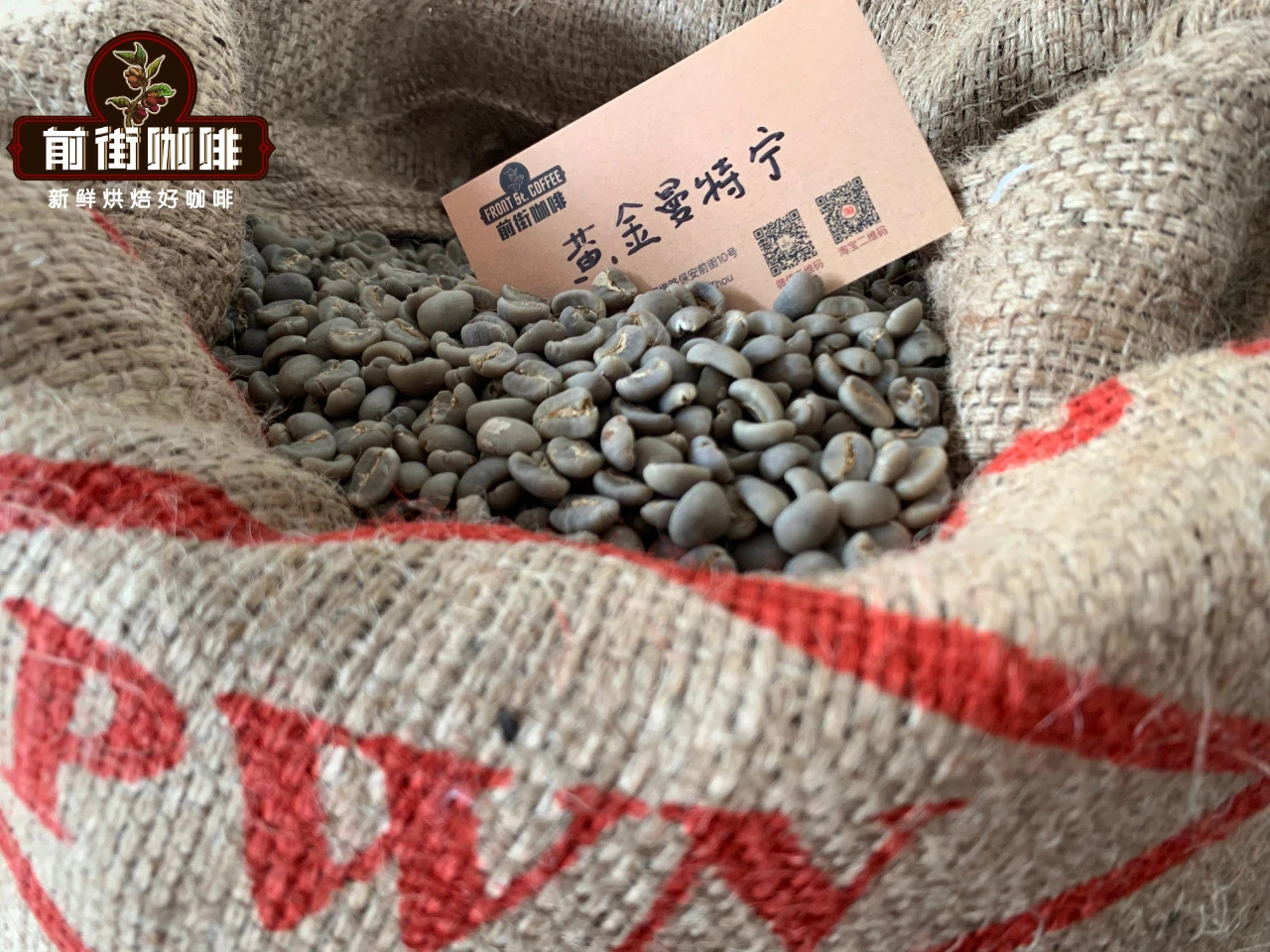
FrontStreet Coffee's baristas find that this Golden Mandheling shows refined herbal notes, more prominent caramel sweetness, and a more composed, elegant fruit acidity — rich sweetness, full body, and wild spice. Ordinary Mandheling is usually roasted past second crack to mute off-flavors, but this Golden Mandheling already shows excellent clarity and sweetness before second crack, giving the roaster far more room for interpretation.
Mild Flavor Recommendations
If Mandheling feels too intense, try FrontStreet Coffee's Brazil. Unlike Mandheling, Brazilian coffee lacks the natural herbal character of Indonesian coffee and instead leans nutty. Both are low in acidity, though Brazilian coffee reveals a slight acidity as it cools.
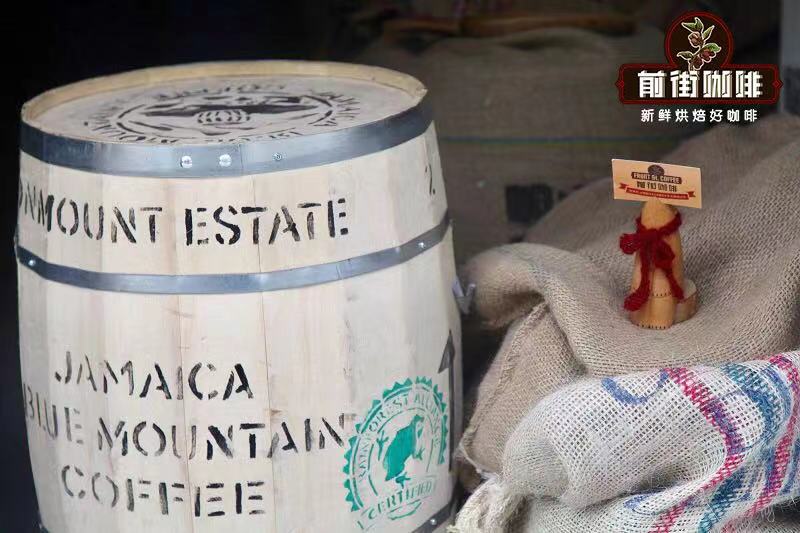
And if balanced flavor is what you seek, FrontStreet Coffee's Blue Mountain is the perfect choice — our Blue Mountain No. 1 from Jamaica's Clifton Estate, elegant and impeccably balanced between sweet, sour, and bitter. At 158 yuan per 100 grams, however, it may not be friendly to every budget. Not to worry: FrontStreet Coffee also carries the Paradise Bird bean from Papua New Guinea, known as the "Little Blue Mountain," at 88 yuan for 227 grams. Like our Blue Mountain it is a Typica variety, with slightly higher acidity, yet it still delivers that palate-coating smoothness and ample body.
That concludes FrontStreet Coffee's selection of ten of the most suitable and popular single origins, organized by regional flavor. We hope it helps you get started with specialty coffee and find the delicious coffee that suits you best.
FrontStreet Coffee Recommendation
For pour-over brewing, the Hario V60 dripper is the classic starting point. Its maker, Hario, was founded in Tokyo in 1921 as a producer of laboratory-grade heatproof glassware, and the V60 itself was redesigned in 2004 and launched the following year, named for its distinctive 60° V-shaped cone. That geometry funnels the water toward the center of the bed, extending the contact between water and coffee for a fuller extraction, while the single large outlet lets flow speed depend entirely on the brewer's pouring control.
The V60's fast, expressive extraction suits light-roasted, floral-fruity coffees in particular: think the classic citrus, berry, and jasmine character of a Yirgacheffe like FrontStreet's Guodingding, the loud tropical-fruit aromatics of FrontStreet's Ethiopia Huakui with its strawberry, passion fruit, and jackfruit notes, or the raisin-sweet character of FrontStreet's Mozart from Costa Rica. Fans of the traditional full-bodied profile can still use the V60 with FrontStreet's Jamaica Blue Mountain No. 1 or the PWN Indonesia Golden Mandheling — a deep-roasted, low-acid cup layered with herbs, dark chocolate, and a faint earthiness that remains the first choice for drinkers who love body and shy away from acidity.
Important Notice :
FrontStreet Coffee is a long-established specialty coffee roaster in Guangzhou China, selling freshly roasted beans from its own farm in Yunnan as well as dozens of carefully selected single-origin beans from around the world for both pour-over and espresso. The products deliver consistently excellent quality and great value, with shipping within 24 hours. Guangzhou's FrontStreet Coffee shop is recommended by many coffee lovers, and the beans are now available online at the Tmall 。
FrontStreet Coffee has moved to a new address:
FrontStreet Coffee Address: 315,Donghua East Road,GuangZhou
Tel:020 38364473
 Scan and follow the En Gafei WeChat official account. Please indicate that the reprint comes from "En Gafei".