Peruvian Coffee - LAS ORQUIDEAS Farm [Caturra Variety] Coffee Bean Growing Information Introduction
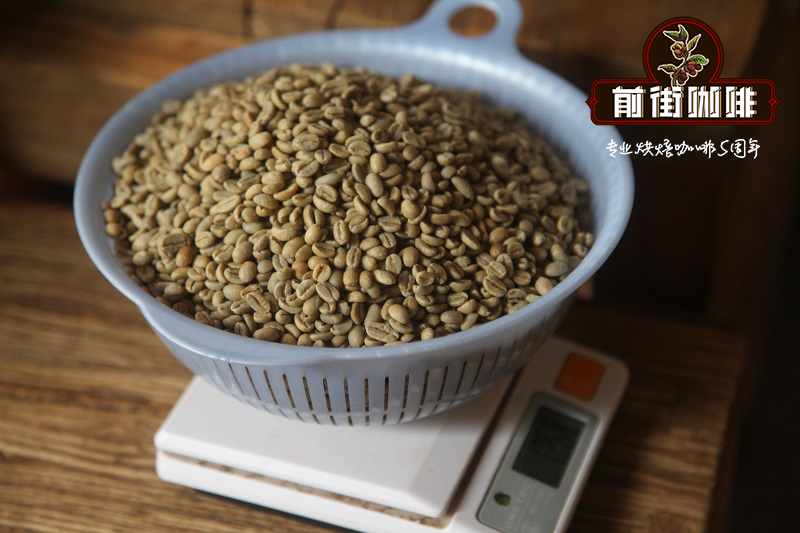
Peru Coffee - LAS ORQUIDEAS Farm [Caturra Variety] Coffee Bean Cultivation Information Introduction: How Does Peru Coffee Taste?
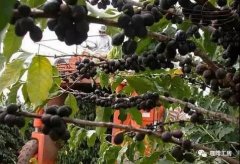
Farm Las Orquídeas is located in the Triunfo district, belonging to the Jalca Grande district of Chachapoyas province, in the Amazonas region, two and a half hours from Rodriguez de Mendoza, at an altitude of 1950 masl. Its total area is 15 hectares, of which 4 hectares are dedicated exclusively to coffee cultivation.
In 2012, Mr. Tito Huaman Hall achieved victory in his search for land suitable for coffee cultivation. This is how his estate "Las Orquídeas" began implementation that same year, and to date the owner has managed to produce one of the best coffees in the region with great satisfaction.
Orquídeas means "orchid" in Spanish.
Farm Information
Region: AMAZONAS
Harvest Year: 2017
Harvest Months: May to July
Farm Name: LAS ORQUIDEAS
Altitude: 1950 masl
Coffee Mill Type: Washed
Flowering: From May to July
Soil Type: Clay
Temperature / Average Temperature: 17 degrees Celsius
Average Rainfall: 2500 mm
Type of Shade Trees: LEGUMES
Shade Density: 15%
Types of Plants and Animals Present: Orchids, SAMCAPILLA, GALLITO DE LAS ROCAS, LOROS
Fertilization Method: Organic fertilizer
Environmental Protection Measures: [Not specified]
Processing Type: Washed
Fermentation Type: 12 to 18 hours
Variety: Caturra
Certification: Organic
History of Coffee in Peru
Coffee was introduced to Peru in the mid-18th century through the neighboring country of Ecuador, but commercial exports did not begin until the late 19th century. Production only increased significantly after the 20th century, when Peru defaulted on loans to the British government and more than two million hectares were transferred to British ownership (under the name "Peruvian Nation") as repayment. A quarter of this was used for agricultural production, including coffee, at which point the export trade began in earnest.
Throughout Latin America, the early days of Peruvian coffee production were characterized by large concentrations of land in the hands of wealthy (mostly European) elites; however, when workers migrated from other regions of Peru (such as the highlands) to these farms to provide labor, they began to open their own independent plots, quite easily, since land was abundant.
In the post-war years, as British companies left, these small-scale "campesino" producers remained. This trend was consolidated in the 1950s and 1960s, as the Peruvian government engaged in land reform and encouraged coffee cultivation as part of a series of socioeconomic development measures. This crop, very suitable for small farmers, led to a demographic change in the country's coffee production, with small-scale indigenous farmers now responsible for most of the country's production. Early military dictatorships in the mid-20th century further supported this image through the partial co-operativization of the country's producers, arguably one of the only potentially positive legacies of that era. During the period 1970-1980, under the quota system of the International Coffee Agreement, profits were successfully channeled to state-supported coffee cooperatives, which were responsible for exporting 80% of the product in the 1970s. Of course, much of the profit flowed into government coffers, and while supporting cooperatives, this situation also fostered complacency, with few operational improvements during this period.
Fujimori's structural adjustment policies in the 1980s further weakened autonomy and capacity building, and after the economic crisis, the rise of the Shining Path and the subsequent violence had a considerable impact on coffee cultivation (in fact, on all agriculture). Coffee production required significant capital and labor investment, and many farmers migrated from rural areas to relatively safer urban environments, causing the collapse of already fragile trade networks.
This downward trend was largely reversed in the mid-to-late 1990s with the shift to "ethical" coffee. Despite historically low prices, "solidarity" networks prioritized trading fairly and ecologically-friendly coffee, driving a coffee boom in Peru. In fact, the area dedicated to coffee cultivation increased from 163,000 hectares in 1995 to 215,000 hectares in 2005. This made Peru the only Latin American country, besides Brazil, that defied the production decline during the period of historically low prices. Specialty imports (including certified coffees) began in 1997 and gradually increased, contributing to Peru's current position as the world's seventh-largest producer. However, exports fell by more than 40% in the 2013/14 and 2014/15 harvest years (production fell by more than 30%), largely due to the impact of coffee leaf rust, which has a significant effect in this country where coffee is grown without pesticides or fungicides. Peru is currently the world's largest exporter of organic coffee, with approximately 90,000 hectares of organic certification. This is mainly due to smaller producers' lack of resources to invest in chemical inputs; after the coffee leaf rust crisis, however, it is difficult to say how long this will last.
Today, approximately 223,000 Peruvian families have committed about 425,000 hectares to coffee production, and another 300,000+ people depend on the coffee industry in some way. Production remains concentrated in the Cajamarca region in the north of the country, where half of the nation's coffee is grown. More than 70% of this is Typica, followed by Caturra (20%) and other varieties (10%). Other regions also produce coffee, such as Cusco and Junín in the south.
As mentioned earlier, Peru's production today is very small, with an average farm area of less than 3 hectares. Associated with this structure are problems typically related to small-scale producers in Latin America, such as difficulty accessing credit and managing inefficient production and processing. Cooperatives help producers reduce risk and provide access to the resources necessary for harvesting, and currently most of Peru's coffee is collected from small farms and then bulked together before being milled and sold through these cooperatives, with the largest representing up to 2,000 farmers and 7,000 hectares. However, although many of these cooperatives place great importance on improving processing, productive inputs remain a blind spot. While this is changing, the slow progress in focusing on production and quality, combined with the lack of existing infrastructure (processing and transportation), gives Peru a poor reputation.
Nevertheless, with twenty-eight cited microclimates, Peru has the potential to improve regional coffee characteristics, as a quarter of its coffee is grown between 1,200 and 2,000 meters, and there is great potential to develop greater traceability and identify small specialty producers, which Mercanta is currently working on.
FrontStreet Coffee Recommended Brewing Method for Peru Coffee
Dripper: Hario V60
Water Temperature: 88 degrees Celsius
Grind Size: Fuji Royal grinder setting 4
Brewing Method: Water-to-coffee ratio 1:15, 15 g of coffee, first pour 25 g of water, let bloom for 25 seconds, second pour up to 120 g then pause, wait until the water level in the coffee bed drops to half before continuing to pour, slowly pour until reaching 225 g, extraction time around 2:00
Analysis: Using a three-stage brewing method to clearly distinguish the flavors of the coffee's front, middle, and back sections.
FrontStreet Coffee Recommendation
Washed Caturra from a small organic farm like Las Orquídeas tends to be clean, sweet, and gently balanced, and if that style appeals to you, FrontStreet Coffee's Jamaica Blue Mountain No.1 is a natural comparison. Made from the Typica variety, it is washed, roasted medium-dark, and shows a refined balance of sweetness, acidity, and bitterness with cream, caramel, chocolate, and nut notes and a clean, lingering finish. If you would like something brighter and more fruit-driven while staying clean and washed, FrontStreet Coffee's Kenya Little Tomato is made from the SL28 and SL34 varieties and given a 72-hour double washed fermentation, giving vivid cherry tomato and dark plum notes over a full, juicy body with a clean, long finish. Both beans reward the same gentle V60 approach recommended above, and both are a good way to keep exploring the clean, sweet side of washed Arabica.
Important Notice :
FrontStreet Coffee is a long-established specialty coffee roaster in Guangzhou China, selling freshly roasted beans from its own farm in Yunnan as well as dozens of carefully selected single-origin beans from around the world for both pour-over and espresso. The products deliver consistently excellent quality and great value, with shipping within 24 hours. Guangzhou's FrontStreet Coffee shop is recommended by many coffee lovers, and the beans are now available online at the Tmall 。
FrontStreet Coffee has moved to a new address:
FrontStreet Coffee Address: 315,Donghua East Road,GuangZhou
Tel:020 38364473
 Scan and follow the En Gafei WeChat official account. Please indicate that the reprint comes from "En Gafei".