
Coffee Processing Methods | Tree-Drying Process | Flavor and Characteristics of Tree-Dried Coffee
Tree Dry Process
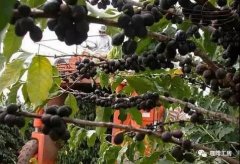
Some coffee farmers deliberately let the cherries dry naturally on the tree, a technique called "dried on the tree" or "tree dry process." The beans come from a late harvest, after the cherry has already dried on the branch. Simply put, in seasons with plenty of sunshine the cherries are left to dry on the tree until they become purple-black dried fruit, and only then are they harvested and processed using the conventional dry method.
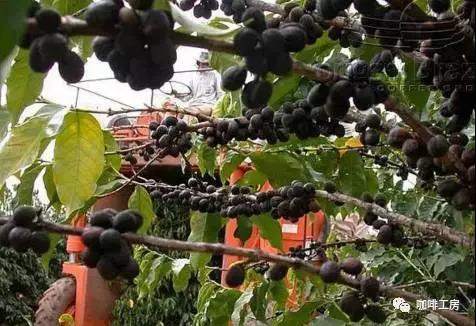
Drying on the tree is common in Yemen and Brazil, and recently beans from Bali, Indonesia, have been found using the technique as well. Growers there break the branches without harvesting the fruit, which increases the coffee's sweetness while reducing its brightness. It also lets the cherries stay on the tree longer without fermenting, provided the temperature is moderate and the trees are shaded. In low-altitude, high-temperature areas it is best avoided, because the cherries will start fermenting on the tree and damage the coffee's flavor quality.
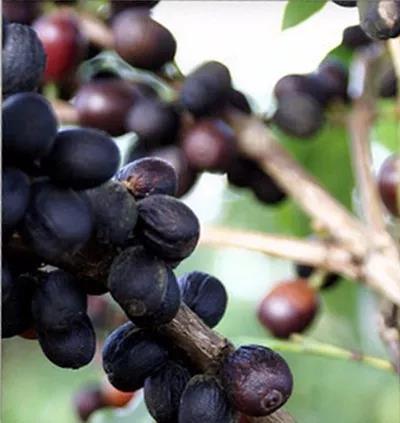
Tree-dried fruit, as the name suggests, is fruit dried on the tree. When cherries dry naturally on the branch, they not only absorb nutrients from the tree but also soak up abundant sunlight, giving a richer aroma, sweetness, and flavor. The trade-off is a shorter harvest window and more fruit falling during drying, which makes it a more expensive specialty coffee. Grown this way, tree-dried fruit has excellent acidity and sweetness along with wonderful bitterness and balance. The aftertaste may show some bitterness, but the fruit itself has a unique texture that is both clean and flavorful.
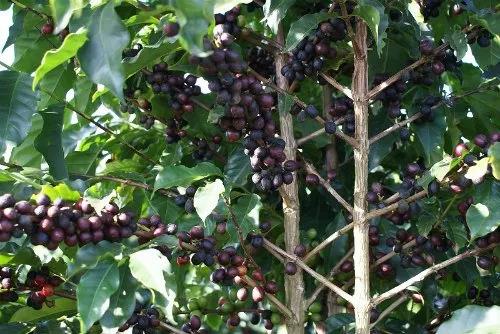
How Is Tree-Dried Fruit Coffee Processed, and What Are Its Characteristics?
The tree-drying process needs enough sunlight for the fruit to dry evenly on the tree, and it must be harvested by hand, one by one, to make sure each fruit is dried to an adequate degree. Only fruit from the top and middle of the tree can be harvested; fruit below the middle does not get enough sunlight to dry properly and cannot be used. In other words, many fruits from trees processed this way are unusable and must be discarded or sold cheaply.
After harvesting, the fruit must be rack-dried. Hand-harvested, fully ripe brown fruit still has uneven moisture and sweetness. Rack drying evens out the moisture and lets the sweetness develop more completely.
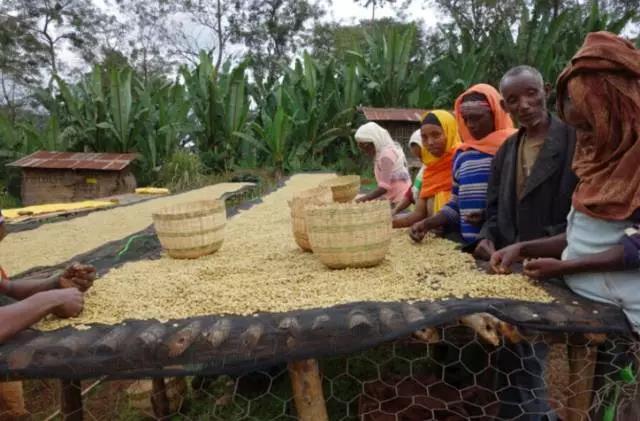
Ethiopia is also widely considered the birthplace of coffee, and with more than four thousand unnamed coffee varieties within the country, the variety column on Ethiopian coffee is often simply marked "Heirloom." The beans vary in size, and a single lot can contain more than ten different varieties, unlike Central and South American coffees that can be sorted into specific varieties. A major recent development, however, is that the world-renowned green coffee merchant Ninety Plus (or 90+) has begun planning and cultivating single-variety Yirgacheffe beans, calling them VARON (Variety + One single).
FrontStreet Coffee is a Guangzhou roastery with a small shop but a wide selection of beans, where you can find various famous and lesser-known coffees, along with online shop service.
FrontStreet Coffee Recommendation
Brazil is one of the classic homes of the natural, tree-dried style, and its coffees are prized for balance above all. As the largest coffee producer in the world, Brazil grows a huge range of coffees, and Brazilian beans tend to carry moderate acidity with a fine balance of sweetness, bitterness, and body, which is why they take so well to a medium roast: the result is an inviting nutty aroma, a smooth body, and a light acidity, usable as a single origin or in a blend.
For a gentle introduction to the Brazilian profile, try FrontStreet Brazil Cerrado. Semi-washed and medium roasted, this classic single origin is a red Bourbon, showing creamy peanut, baked bread, caramel, and hazelnut aromas with a rounded body, low acidity, and a light bitterness; it works in a pour-over, a moka pot, an espresso SOE, a siphon, or a French press.
For something sweeter and more distinctive, FrontStreet Brazil Queen's Estate comes from Mogiana, near South Minas, where fertile red volcanic soil helps the fruit take up nutrients and develop a full aroma. Its yellow Bourbon variety, a natural mutation of red Bourbon, has a cleaner fruit character, and through pour-over, moka pot, or a home espresso machine it offers a sugarcane sweetness plus fruit and chocolate notes rarely found in other origins.
Brazil also sits at the heart of FrontStreet's espresso blends. Low acidity, balance, and a friendly price have made Brazilian coffee the first choice in many specialty recipes, and it appears in FrontStreet Classic Blend, FrontStreet Specialty Blend, FrontStreet Black Cocoa Blend, and the shop-oriented FrontStreet Commercial Blend. In each, the Brazilian component supplies chocolate and cream aromas along with a soft sweet-bitter edge, and its balance helps keep extraction stable.
Important Notice :
FrontStreet Coffee is a long-established specialty coffee roaster in Guangzhou China, selling freshly roasted beans from its own farm in Yunnan as well as dozens of carefully selected single-origin beans from around the world for both pour-over and espresso. The products deliver consistently excellent quality and great value, with shipping within 24 hours. Guangzhou's FrontStreet Coffee shop is recommended by many coffee lovers, and the beans are now available online at the Tmall 。
FrontStreet Coffee has moved to a new address:
FrontStreet Coffee Address: 315,Donghua East Road,GuangZhou
Tel:020 38364473
 Scan and follow the En Gafei WeChat official account. Please indicate that the reprint comes from "En Gafei".
![Peruvian Coffee - LAS ORQUIDEAS Farm [Caturra Variety] Coffee Bean Growing Information Introduction](https://en.gafei.com/uploads/allimg/180910/14-1P9101P23Y42-lp.jpg)