
Introduction to Single-Origin Peruvian Coffee Beans - Caturra from Agmer Colorado Coffee Farm
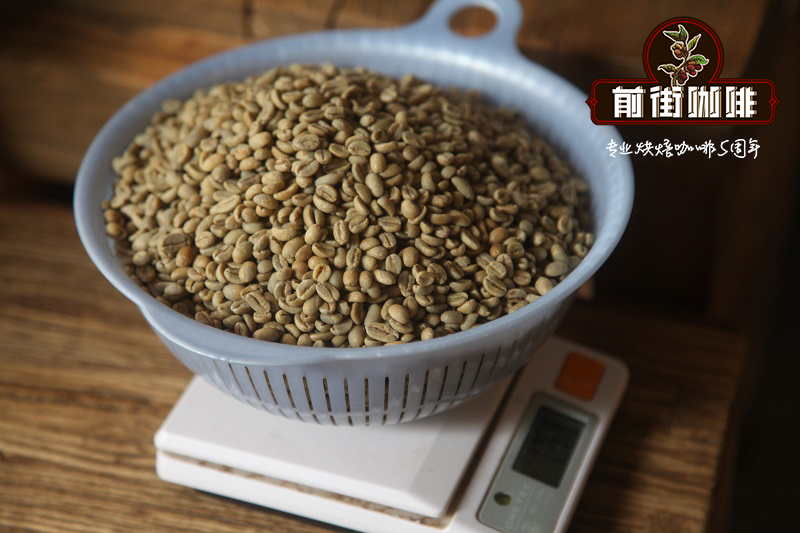
Peru Single Origin: Caturra from Agmer Colorado Farm
This lot comes from Gilmer Córdova of Agmer Colorado Farm, grown on red and yellow Caturra trees of the Arabica species. It placed sixth in the 2017 Peru Cup of Excellence. The coffee was conventionally wet-processed — that is, washed — with the skin and pulp removed before drying. Red Rooster, an organically certified micro-roaster founded in 2010 with a focus on socially conscious, premium coffee, brought this lot to market.
The farm itself has a family story. Gilmer's father acquired the land in 1990 and passed it down to his son: the original 0.5-hectare plot has since grown to 7 hectares, 4 of which are planted with coffee — a mix of common varieties with Caturra dominant. Cherries are picked only when ripe, depulped the same day, fermented in cement tanks, then washed and dried. Gilmer works under the shade of wild trees, fertilizes with compost and bird guano, and uses no herbicides — a young, innovative producer who brings the same care to farm management as to the final cup.
Peruvian Coffee: History and Context
Coffee arrived in Peru fairly early, in the mid-18th century, but commercial exports did not begin until the 20th century, when European demand rose and Indonesian production fell sharply. British involvement gave exports a particular boost: in the early 20th century, the British government received roughly 2 million hectares of land from the Peruvian government as repayment for defaulted loans, much of which was converted into British-owned coffee plantations.
As in much of Central and South America, the 20th century saw large European landholdings sold off or redistributed into ever smaller, more fragmented farms. This gave farmers independence but cut them off from resources and larger commercial markets. Unlike countries where cooperatives dominate the coffee economy, Peru long lacked organizations and infrastructure to provide farmers with economic or technical support. Even so, the country now produces large volumes of certified organic coffee alongside Fair Trade, Rainforest Alliance, and UTZ certified lots, and about 30% of the nation's small farmers belong to democratically run cooperatives.
As of 2010, Peru ranked fifth in world Arabica production and exports. The remoteness of its farms and the tiny average plot size have held back large-farm differentiation — which in other origins enables micro-regional branding — though as everywhere in specialty coffee, this is changing fast. Peru's lush highlands and well-adapted heirloom varieties give growers real potential to overcome the infrastructure and market-access barriers, and as production grows, those advances are increasingly likely.
Farm Details and Technical Data
The producer's father bought the land in 1990, when the farm relied on just 0.5 hectares of typical varieties and Caturra. By 1997 the whole holding could be planted, keeping the same varieties. Today the farm covers 7 hectares with 4 in production, sits at 1850 meters above sea level, and yields 80 to 100 quintals from those 4 hectares.
General Technical Information:
- Region: Cajamarca
- Harvest Year: 2017
- Harvest Months: May to October
- Farm Name: Finca Ecológica Agua Colorada
- Altitude: 1850 m
- Mill Type: Washed
- Flowering: Second week of May
Crop Technical Information:
- Soil Type: Clay loam
- Average Temperature: 23°C
- Average Rainfall: 1400 to 1600 mm
- Harvest Method: Manual
- Flora and Fauna: Wild trees, mohema, heliconia; squirrels, sajino, parrots
- Fertilization: Island bird guano, compost
- Herbicides: None
- Environmental Protection: Solid and liquid waste management
- Processing: Washed
- Fermentation: Cement tanks
Tasting Notes and Brewing Recommendations
In the cup: rich sweetness, floral tones, roasted cocoa almonds, caramel, and musky aromas. The acidity structure is balanced and sweet, the acidity juicy, and the mouthfeel refreshing and velvety.
FrontStreet Coffee Pour-Over Recommendation:
- Dripper: Hario V60
- Water Temperature: 90°C
- Grind Size: Fuji Royal grinder at setting 4 (medium-fine)
- Brewing Method: Water-to-coffee ratio 1:15 with 15 g of coffee. Pour 25 g of water to bloom for 25 seconds. Pour to 120 g, wait for the water level to drop to half, then continue pouring slowly up to 225 g total. Total extraction time around 2:00.
Analysis: A three-stage pour separates the early, middle, and late phases of extraction, making each layer of flavor clearly distinguishable.
FrontStreet Coffee Recommendation
Caturra belongs to the great old Bourbon family of Arabica, and if this Peruvian lot whets your appetite for the variety, FrontStreet Coffee keeps several Bourbons in the lineup. The FrontStreet Brazil Cerrado red bourbon — red bourbon being the most widely planted variety in Brazil — is medium roasted and shows cream, nuts, bread, and chocolate, and pairs wonderfully with milk. The FrontStreet Brazil Queen Estate yellow bourbon, a natural mutation found in São Paulo state, grows at 1400 meters here and is roasted medium-dark to bring out cream, peanut candy, and chocolate, with a sugarcane sweetness, an almond finish, and beautiful crema when pulled as espresso or brewed in a moka pot. And for a brighter expression, the FrontStreet Rwanda red bourbon — Rwanda is over 90% Bourbon-derived stock grown at 1700 to 2000 meters in volcanic soil — is roasted medium-light to preserve its fresh acidity, full body, and floral, citrus character.
Important Notice :
FrontStreet Coffee is a long-established specialty coffee roaster in Guangzhou China, selling freshly roasted beans from its own farm in Yunnan as well as dozens of carefully selected single-origin beans from around the world for both pour-over and espresso. The products deliver consistently excellent quality and great value, with shipping within 24 hours. Guangzhou's FrontStreet Coffee shop is recommended by many coffee lovers, and the beans are now available online at the Tmall 。
FrontStreet Coffee has moved to a new address:
FrontStreet Coffee Address: 315,Donghua East Road,GuangZhou
Tel:020 38364473
 Scan and follow the En Gafei WeChat official account. Please indicate that the reprint comes from "En Gafei".
![Peruvian Coffee - LAS ORQUIDEAS Farm [Caturra Variety] Coffee Bean Growing Information Introduction](https://en.gafei.com/uploads/allimg/180910/14-1P9101P23Y42-lp.jpg)
![Nicaragua Coffee Bean Selection - La Divina Providencia Coffee Farm [Pacamara]](https://en.gafei.com/uploads/allimg/180910/14-1P9101S9105b-lp.jpg)