Best Single-Origin Coffee Beans for Cold Drip Brewing - Comparing Flavor Profiles of Ice Drip, Cold Brew, and Iced Pour-Over Coffee

When summer arrives, nothing beats a refreshing glass of iced coffee. If you shun high-calorie drinks, savor a long aftertaste, and love exploring new flavors, you should meet the goddess-tier drinks of the iced coffee world: ice drip coffee and cold brew coffee. Compared with hot-water extraction, they offer uniquely wonderful flavors — refreshing overall yet full of coffee character. A glass on a scorching day is pure satisfaction. Let FrontStreet Coffee introduce you to both.
Ice Drip Coffee
Ice drip coffee is also known as Dutch coffee. The story goes that while the Netherlands ruled Indonesia and cultivated many intensely flavored Robusta varieties there, the Dutch invented a device that brews coffee with slowly dripping cold water — a way to make those quite bitter beans drinkable in the tropics.
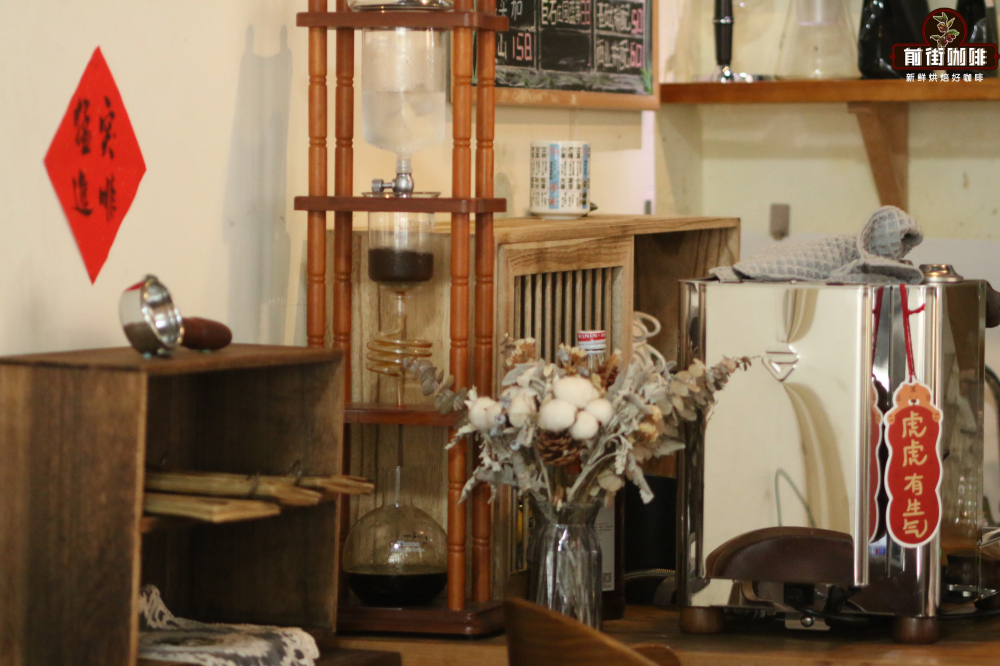
Unlike hot brewing, rich substances are hard to extract in ice water. Coffee drawn out with ice water captures mainly the sweet and sour elements, and thanks to the long extraction time its caffeine content runs higher than hot-brewed coffee — which made ice drip coffee a Dutch favorite: refreshing and energizing at once.
Though the Dutch invented it, an interesting twist is that you can hardly find this coffee in the Netherlands today. Instead, it sparked a craze across Asia. In Japan, ice drip has centuries of history — hence the names "Kyoto coffee" or "Japanese-style slow drip." In South Korea, nearly every cafe sells it, and many famous ice drip equipment brands come from Japan and Korea, such as Tiamo, Hario, and others.
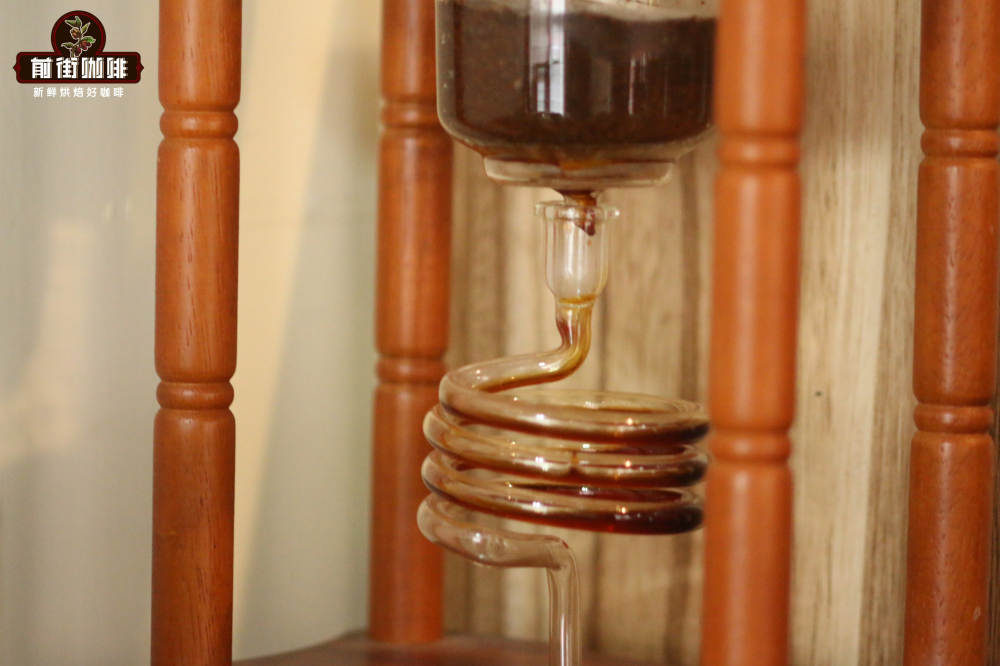
FrontStreet Coffee uses a Tiamo ice drip pot. To make ice drip coffee, use 60g of coffee ground to a sugar-granule consistency (75% pass-through on China's No. 20 standard sieve) to extract 600g of coffee liquid (a 1:10 coffee-to-water ratio), made with a 1:1 ice-water mix.
Place a round of filter paper at the bottom of the powder cup and wet it so it clings to the walls. Add the 60g of grounds and gently shake level. Then lay a second piece of filter paper on top of the bed: its tension spreads the water evenly across the surface for even extraction — without it, the steady drips would dig a pit into the bed over time.
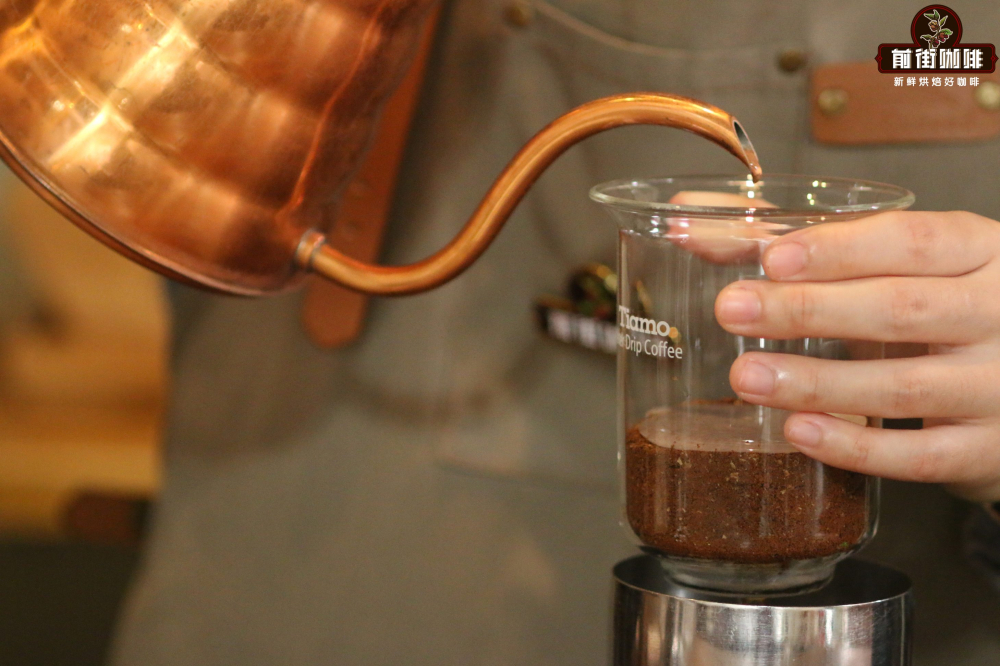
Once the papers are in place, wet the whole bed with ice water — this plays the role of the bloom in pour-over, improving extraction efficiency and consistency. Fill the drip bottle with the 1:1 ice-water mix and set the drip rate; FrontStreet Coffee suggests 6 drops per 10 seconds. When it's done, pour the brew into a clean, sealed, dry, oil-free bottle and refrigerate it to mellow, letting the ice drip's flavor molecules open up before tasting.
Delicious, yes — but ice drip is fussy to make, since you must keep checking whether the ice water is still dripping. Though ice looks perfectly clean, any tiny impurity can block the valve, which is opened very small. And with drips falling at an average of 6 per 10 seconds, one extraction session typically takes 6-8 hours.

A full ice drip tower isn't cheap either, so people invented cold brew to enjoy low-temperature coffee more conveniently at home.
Cold Brew Coffee

Where ice drip extracts by percolation, cold brew is far simpler. Take a clean, oil-free sealed container, combine ground coffee with ice water or room-temperature water at a suitable ratio, refrigerate for 8-12 hours, then filter. Because it's immersion extraction, the coffee shows a much fuller taste and body.
FrontStreet Coffee typically uses a sealed cold brew pot. Use 60g of coffee at the same sugar-granule grind (75% pass-through on China's No. 20 standard sieve), add 600g of room-temperature or iced water (a 1:10 ratio), and stir so every ground meets the water. Seal, refrigerate 8-12 hours, then filter out the grounds for a full-flavored, full-textured iced coffee. Add 1-2 ice cubes to taste, diluting slightly before drinking.

Low-temperature extraction never draws out the impurities and bitterness of the beans — the main reason so many people love cold brew. It tastes fresh and faintly sweet (acidity and bitterness both softened) with a smoother texture. The downside: the long contact time gives it the highest caffeine content of any iced coffee style. If you're caffeine-sensitive, don't overdo it!
Choosing the Beans
As noted above, low-temperature extraction can't pull out the full-bodied substances, so FrontStreet Coffee recommends beans with prominent acidity and aromatics for cold brew or ice drip. Light to medium roasts, or specially processed beans, are the natural choices.

FrontStreet Coffee's daily iced lineup typically includes its Honduras Sherry beans (fermented wine aroma, vanilla cream, nuts), Ethiopia Yirgacheffe Geding beans (citrus, honey, green tea), Ethiopia Sidamo Guji Flower Queen beans (complex berry juice, rose, black tea), Panama Butterfly Geisha beans (white florals, citrus, honey, green tea), and Costa Rica Strawberry Candy beans (strawberry hard candy, raisins, fermentation). All of them share rich aromatics and vivid sweet-and-sour notes — exactly what a refreshing summer iced coffee needs.
Storing Cold Brew
Once cold brew is made, should it go back in the fridge?
For cafe service, FrontStreet Coffee seals and refrigerates cold brew for 3-4 hours after filtering before serving. Freshly made cold brew is perfectly drinkable — so why chill it further?

It's a habit of seasoned coffee drinkers: after ice drip finishes, the brew should rest in a clean container in the refrigerator overnight for better flavor. Overnight refrigeration means sealed, low-temperature storage — think of it as "aging," with two purposes: controlling fermentation and preventing spoilage.
Home refrigerators may look clean but harbor microorganisms invisible to the naked eye, which can spoil food if you're careless. So the container must seal well and be thoroughly cleaned. Low temperature not only slows bacterial growth but lets the coffee's dissolved substances undergo slow, controlled fermentation — which is why longer-stored ice drip develops an ever more intense "wine" aroma, even though it contains no alcohol at all.

Compared with ice drip, cold brew — which soaks the grounds overnight — already has fully developed flavors; a few more chilled hours mainly let the dissolved compounds ferment further, rounding the coffee into something more transparent and mellow.
How Long Does Cold Brew Keep?
How long can refrigerated cold brew last?
FrontStreet Coffee has noticed that many people brew a big batch at once and store it in the fridge, pouring a glass whenever they like. Without labeling, it's easy to forget how many days the coffee has been in there — inviting spoilage.

First, low-temperature fermentation never truly stops — refrigeration only slows it. Over time the dissolved substances keep changing until the coffee spoils. And every time you open the cap, the liquid meets fresh air: aromas escape, and bacteria may get in.
Generally, for both flavor and safety, FrontStreet Coffee recommends drinking any low-temperature extraction — ice drip or cold brew — within 5 days of preparation.
FrontStreet Coffee Recommendation
For iced brewing at home, FrontStreet Coffee's PWN Golden Mandheling is worth a look on the dark side of the menu: Indonesia's PWN company selects only high-quality Mandheling lots, machine-sorted once and hand-sorted three times, so the beans are full, even, and luminous with a very low defect rate. Freshly roasted, it gives sandalwood, herbal, spice, roasted hazelnut, caramel, and dark chocolate notes in a clean, rich, mellow cup — the classic Indonesian style that made Sumatra famous.
If you'd rather follow the article's advice and go bright and fruity for cold brew, FrontStreet Coffee's Ethiopia Yirgacheffe Guodingding cooperative lot delivers jasmine florals with bright citrus and lemon acidity over a green-tea sweetness — its clean washed profile thrives in low-temperature extraction, whether drip bag, pour-over, or an overnight cold brew at a 1:10 ratio.
Important Notice :
FrontStreet Coffee is a long-established specialty coffee roaster in Guangzhou China, selling freshly roasted beans from its own farm in Yunnan as well as dozens of carefully selected single-origin beans from around the world for both pour-over and espresso. The products deliver consistently excellent quality and great value, with shipping within 24 hours. Guangzhou's FrontStreet Coffee shop is recommended by many coffee lovers, and the beans are now available online at the Tmall 。
FrontStreet Coffee has moved to a new address:
FrontStreet Coffee Address: 315,Donghua East Road,GuangZhou
Tel:020 38364473
 Scan and follow the En Gafei WeChat official account. Please indicate that the reprint comes from "En Gafei".