How to Drink Cold Drip Coffee, What Coffee Beans to Use, and How Cold Drip Coffee Ferments
Cold Brew Coffee Methods
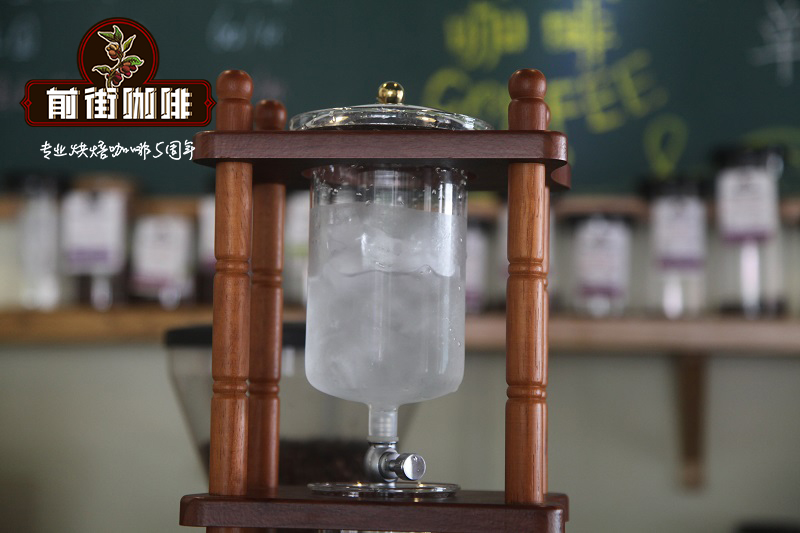
Cold coffee can generally be divided into three preparation methods: water drip, ice drip, and cold brew. Because the extraction conditions differ, the three produce different flavors and textures, yet all belong to the cold coffee family. The principle behind them is the same as cold-steeped tea - low temperature and long steeping time slowly draw the flavor out of the coffee.
Water Drip Method
Extracted with room-temperature water and consumed directly, resulting in a rich, mellow texture reminiscent of whiskey.
Ice Drip Method
Extracted with ice water and consumed directly, creating a light, refreshing experience similar to cocktails.
Cold Brew Method
The extracted coffee is refrigerated to ferment, or the grounds are steeped at room temperature and then refrigerated to ferment, producing an aged character similar to aged rice wine.
Tea Bag Steeping Method
Steeped in cold water like a tea bag and refrigerated to ferment, resulting in a refreshing experience much like cold-brewed tea.
If you make cold coffee in a cold drip tower or brew pot, it can be served with or without ice. Cold drip towers typically use a 1:12 coffee-to-water ratio, so the concentration is not especially high; at room temperature it drinks about as strong as pour-over coffee. Thanks to the long, low-temperature extraction, however, the body is thicker than regular hot coffee that has simply been cooled.
For the tea bag method, the concentration is lower still, so it can be drunk without ice - but the extraction rate is lower too, and the watery texture becomes more noticeable as it warms up.
Cold Brew Coffee with Bubbles and Nitrogen
For the second style of cold brew coffee, the coffee-to-water ratio is typically a little larger than for water drip or ice drip, or the extraction rate and concentration are lower, so the resulting drink is more moderately concentrated. In recent years it has often been served as nitro coffee (infused with nitrogen), creating a beer-like drinking experience. Beyond the visual appeal, the aroma is noticeably enhanced.
Nitrogen-infused cold brew has a refreshing, silky-smooth texture.
Alternatively, to taste, mix cold brew with soda water, tonic water, or cola for another kind of bubbly, cool, refreshing drink.
Special Flavors with Milk
Light roast beans are usually chosen to enjoy floral and fruity aromas and sweet-sour flavors, so those are mostly drunk plain. Dark roast beans, with their heavier body, make an intense cold brew that pairs well with milk, producing a fragrant, silky drink. Different dairy products create different textures, though, and they fall into two camps: fresh milk and creamer. Fresh milk contains more water, so cold brew with fresh milk tastes more refreshing with a thinner body. Creamer (which leans toward cream) has less water, so the overall texture is richer and the body thicker.
Cold brew coffee with milk and no sugar is essentially a cold brew latte, and it naturally carries a sweet aftertaste.
Mature Flavors with Fermented Agricultural Products (Alcohol)
A splash of Irish whiskey (grain-based) or brandy (fruit-based) adds a special dimension.
Of course, you can add any alcohol you like, but Irish whiskey is grain-based, unlike most Scotch, which is made from barley. With single malt whisky enjoying its recent boom, people want to savor the delicate flavor changes of the spirit itself - and once cold brew coffee goes in, those delicate notes vanish. It is a pity to waste a fine bottle of whisky worth thousands. Brandy below V.S.O.P. grade tastes fresher and costs less, so it works well too. You can certainly add V.S.O.P. or better brandy, but the same point applies - it is a pity, just as single-origin cold brew is best drunk plain to appreciate the beans' original character. Additions are fun, but they can also drown the flavor of good beans. So for cold brew with alcohol, the usual advice is to use a cold brew made from dark roast blends - simply put, to create the richest variations at the lowest cost.
FrontStreet Coffee's Recommended Ice Drip Coffee Recipe:
30g [Hartmann] + 30g [Flower Queen], which will have rich fermented fruit aroma.
FrontStreet Coffee Recommendation
Cold extraction amplifies floral and fruity notes while muting woody and roasted flavors, so lightly to medium roasted beans show best. If you love florals in your iced coffee, FrontStreet Coffee's natural-process Flower Queen from Ethiopia is the pick: sun-drying lets the beans absorb abundant sweetness inside the cherry, and brewed cold it unfolds magnolia, cream strawberry, dried mango, guava, and black tea notes.
For a cold brew with full-on juice character, choose FrontStreet Coffee's Kenya Cherry Tomato. From the Thika region at 1550-1750m, grown on SL28 and SL34 and processed with Kenya's distinctive 72-hour double-washed (K72) fermentation, its cherry tomato, snow pear, black plum, and dried dark plum acidity shines in cold extraction - low bitterness, full acidity turned bright, wonderfully refreshing over ice.
Cold brew also consumes more coffee than pour-over, so blending is a smart way to balance flavor and cost: FrontStreet Coffee's Colombia Sidra, with its passion fruit, grape, apricot, and dried-fruit sweetness, can be mixed at a 1:2 ratio with Costa Rica Tarrazu, keeping the Sidra florals and Tarrazu's crisp citrus acidity while stretching your budget. And for an adventurous cup, FrontStreet Coffee's Strawberry Candy Geisha blend - Panama Geisha florals married to Costa Rica honey process - makes a cold brew that, given a little time to ferment and settle, tastes almost like fruit wine.
Important Notice :
FrontStreet Coffee is a long-established specialty coffee roaster in Guangzhou China, selling freshly roasted beans from its own farm in Yunnan as well as dozens of carefully selected single-origin beans from around the world for both pour-over and espresso. The products deliver consistently excellent quality and great value, with shipping within 24 hours. Guangzhou's FrontStreet Coffee shop is recommended by many coffee lovers, and the beans are now available online at the Tmall 。
FrontStreet Coffee has moved to a new address:
FrontStreet Coffee Address: 315,Donghua East Road,GuangZhou
Tel:020 38364473
 Scan and follow the En Gafei WeChat official account. Please indicate that the reprint comes from "En Gafei".