Coffee Tasting | How to Identify Single-Origin Bean Flavors Through Aroma Bottles and Cupping
Professional Coffee Knowledge Exchange
Previously, I wrote three installments of coffee tasting steps for beginners, and today I continue the series.
Coffee Beginner Level 1 | Top 10 Characteristics of American Coffee Growing Regions, Starting with Balanced American Beans to Learn Coffee
Coffee Beginner Level 2 | Which Beans Are More Acidic, Which Are Sweeter, Understanding Coffee Processing Methods
Coffee Beginner Level 3 | Experiencing the Fascinating Acidity of Coffee, Characteristics of African Coffee Growing Regions
After learning to identify the acidity of African beans with professional terms like [coffee blossom], [lemon acidity], and [citrus acidity], some friends may wonder how I can list so many descriptors. The secret is simple: smell more [aroma bottles]—pairing the corresponding aroma bottle with a cupping session to identify the flavors of single-origin beans.
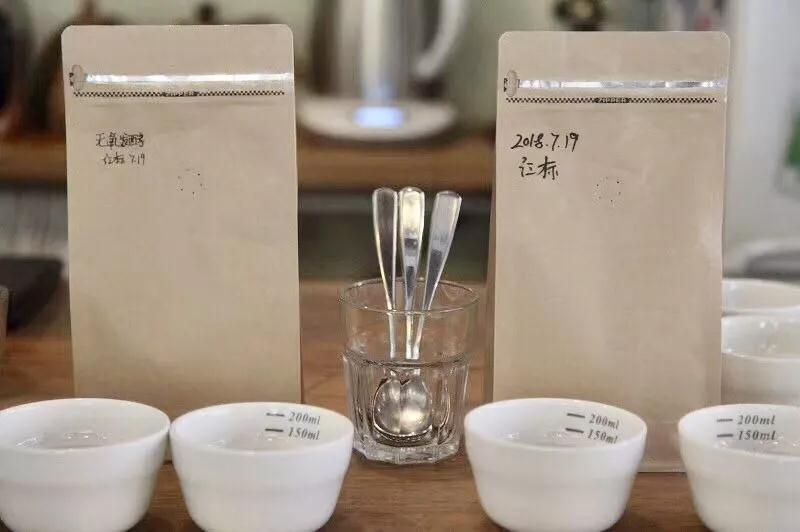
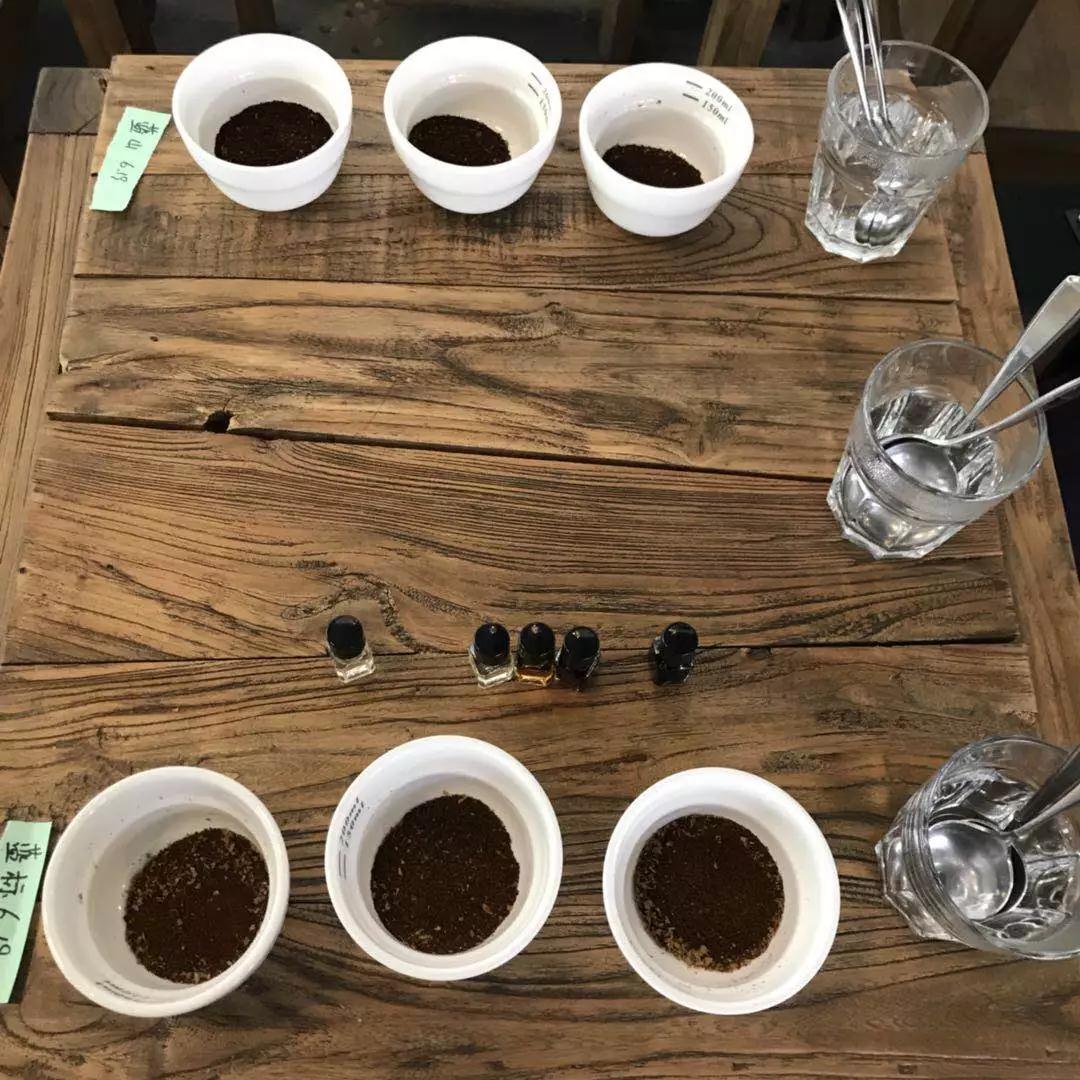
1. Cupping Required Tools:
- Roasted bean samples
- Grinder
- Glass cups or porcelain bowls (cupping containers of the same material must be used within one session—commonly 5oz or 6oz Manhattan glasses or rock glasses; for white porcelain, a capacity of 175-225ml is recommended)
- Cupping forms, empty bowls for spitting, cupping spoons, electric kettle, timer
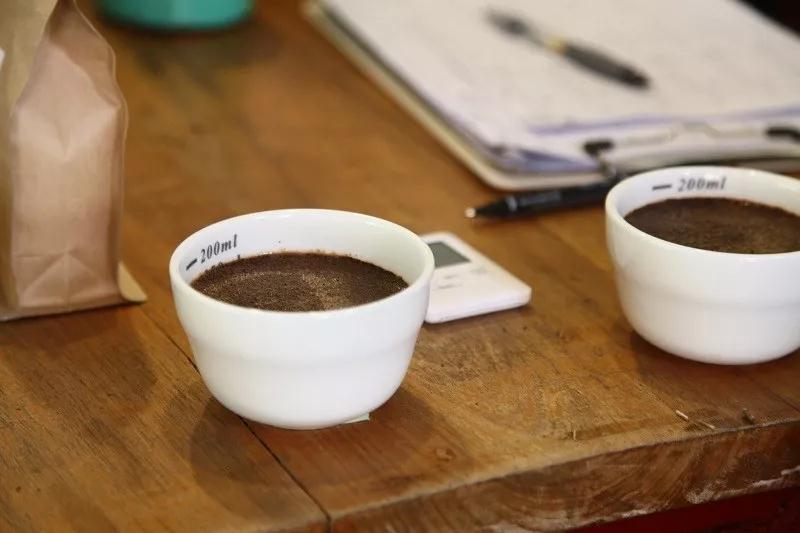
2. Basic Cupping Environment Requirements:
- A cupping table (essential)
- Clean, quiet, and free of interfering aromas
3. Roasting (Preparing Cupping Samples):
Sample roasting should be completed within 8-24 hours before cupping, with the beans resting at least 8 hours after roasting.
Roast degree: Based on the M-Basic (Gourmet) Agtron standard, from light to light-medium, with whole-bean value 58 and ground value 63, matching 55-60 on the Agtron color scale.
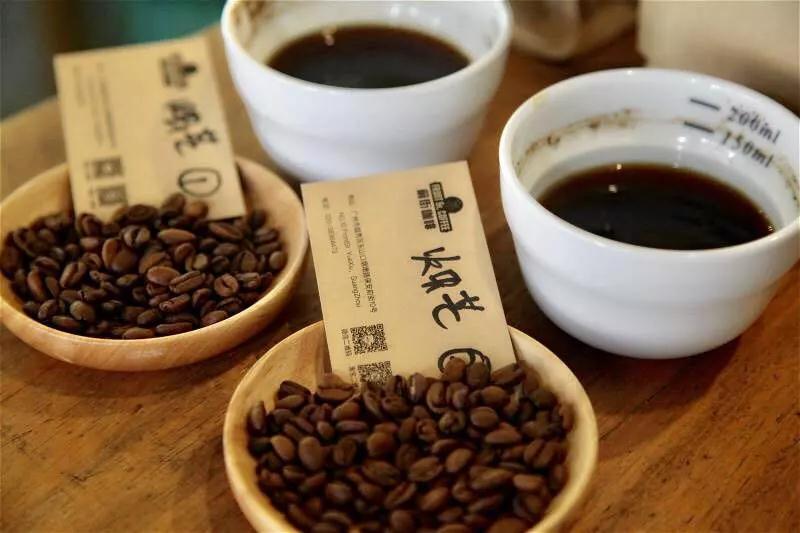
Roasting time: more than 8 minutes but within 12 minutes, without scorching or tipping.
Roasted beans must be air-cooled immediately, never water-cooled.
Once the samples cool to room temperature (about 20°C), seal them in airtight containers or bags until cupping begins, minimizing air exposure and preventing contamination.
Store the samples somewhere cool; freezing or refrigeration is unnecessary.
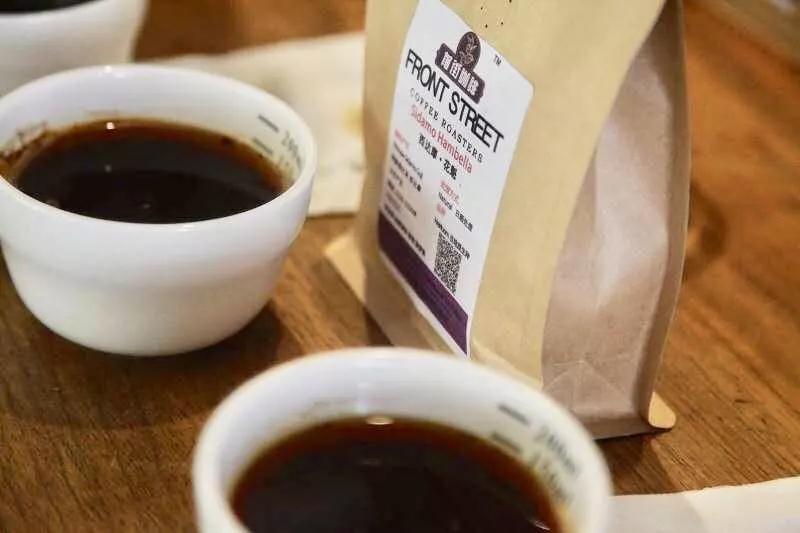
4. Determining Coffee Amount:
8.25g of coffee to 150ml of water, which complies with the Golden Cup optimal brewing ratio. The dose can be adjusted to the capacity of your cupping vessels, within roughly plus or minus 0.25 grams.
5. Water Injection:
Grind the samples immediately before cupping, and complete water injection within 15 minutes of grinding. The grounds should not steep longer than 30 minutes after water is added.
Following the ratio above, weigh the water against the weight of the whole beans (not the ground coffee).
Grind slightly finer than for regular paper-filter brewing—if you normally grind to regular sugar granules, cupping calls for roughly fine sugar granules—so that about 70-75% passes through a US 20-mesh sieve. For more accurate testing, prepare 5 cups of each sample.
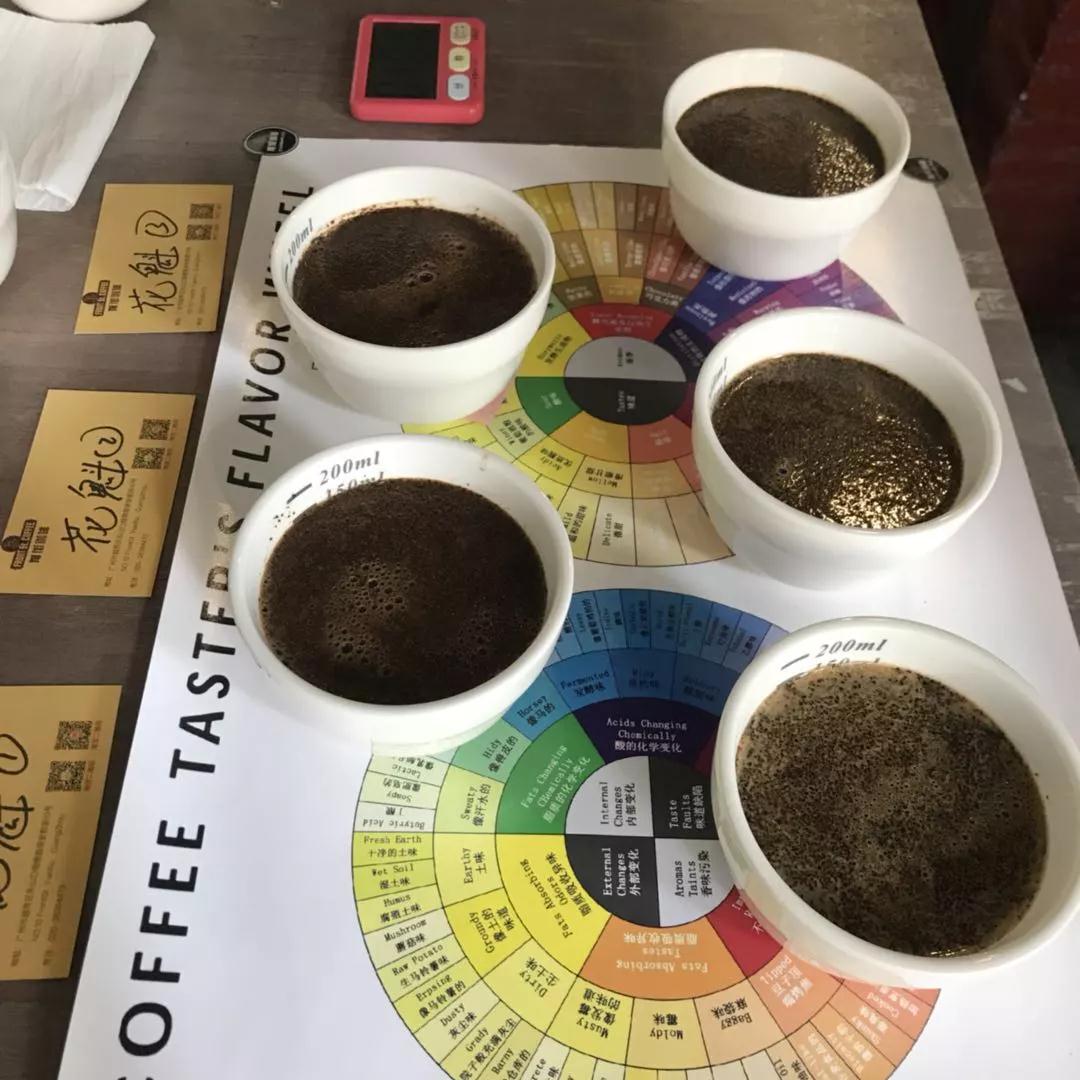
Regarding Water Quality:
Avoid water with any aroma, as well as distilled or soft water. The ideal total dissolved solids (TDS) is 125-175ppm, never below 100ppm or above 250ppm (TDS too low means over-extraction; too high means under-extraction). Brewing temperature is 93-94°C. Wait 3 to 5 minutes after pouring before tasting.
All this standardization exists to control the variables that affect flavor, so the coffee's character can be judged accurately through quantified scoring. Cuppers can then point clearly to flavor differences between samples as a reference for assessing quality.
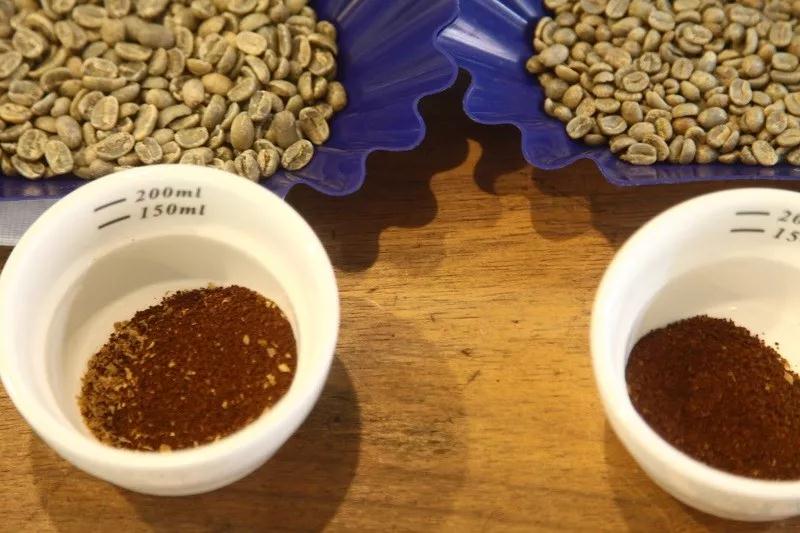
Cupping Details - Grind Size
SCAA cupping standards define grind size as 70% to 75% of particles passing through a 20-mesh sieve.
Note:
When moving to each new sample, clean the cupping spoon thoroughly, then rinse it with ice water to avoid cross-contamination of flavors.
Taste each sample repeatedly in cycles until the coffee reaches room temperature. Before each tasting, try to forget the previous sensations so you meet the next sample with the freshest perception.
During tasting you may spit out most of the liquid, but swallow at least a small portion to experience the sample's aftertaste.
Cupping Process
1. Grind the beans to be cupped (Grind size: BG: 3B)
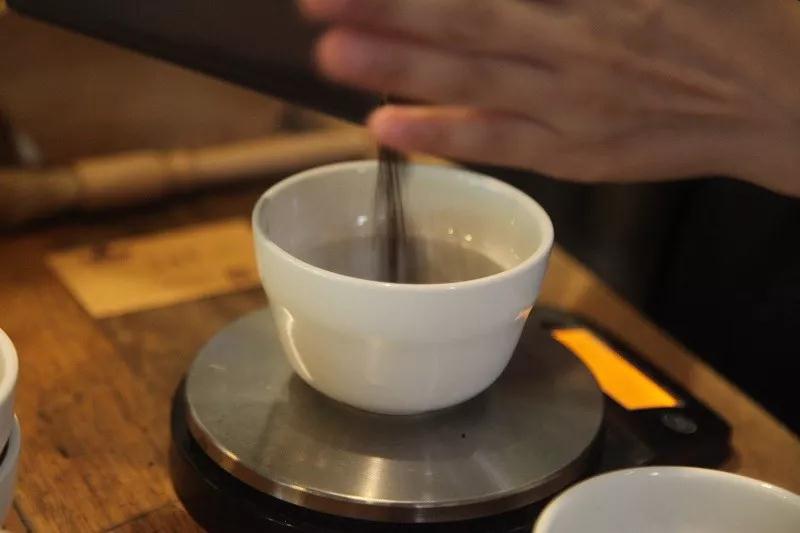
2. Smell the dry aroma
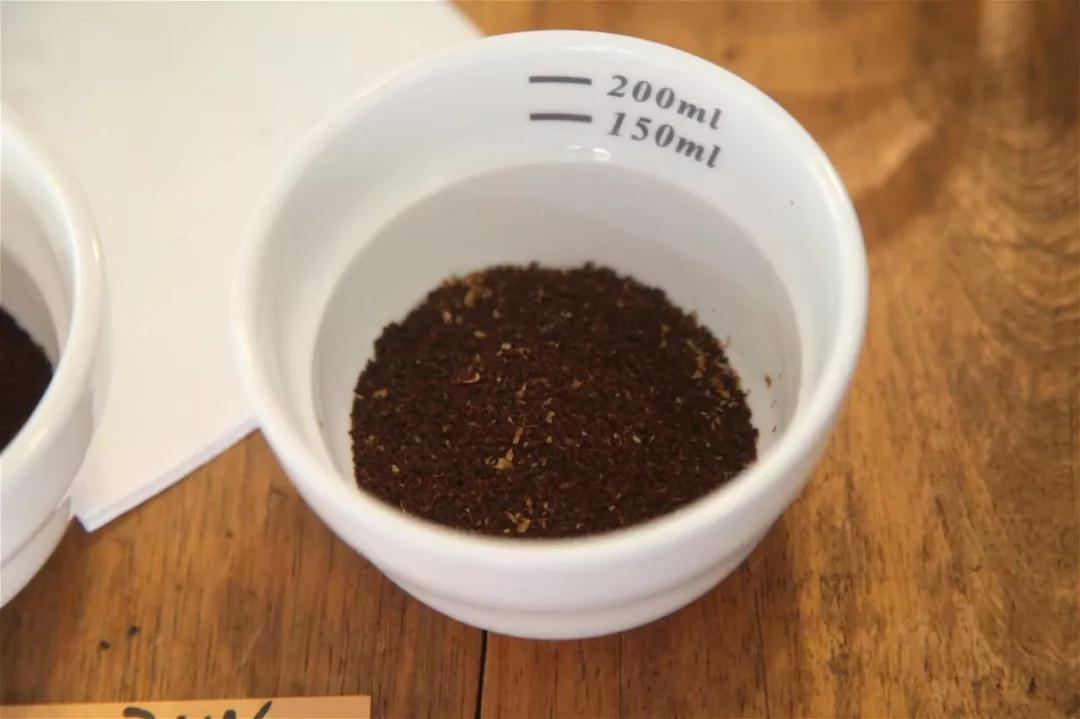
3. Pour hot water (94°C) into the cup until full, while timing for 4 minutes
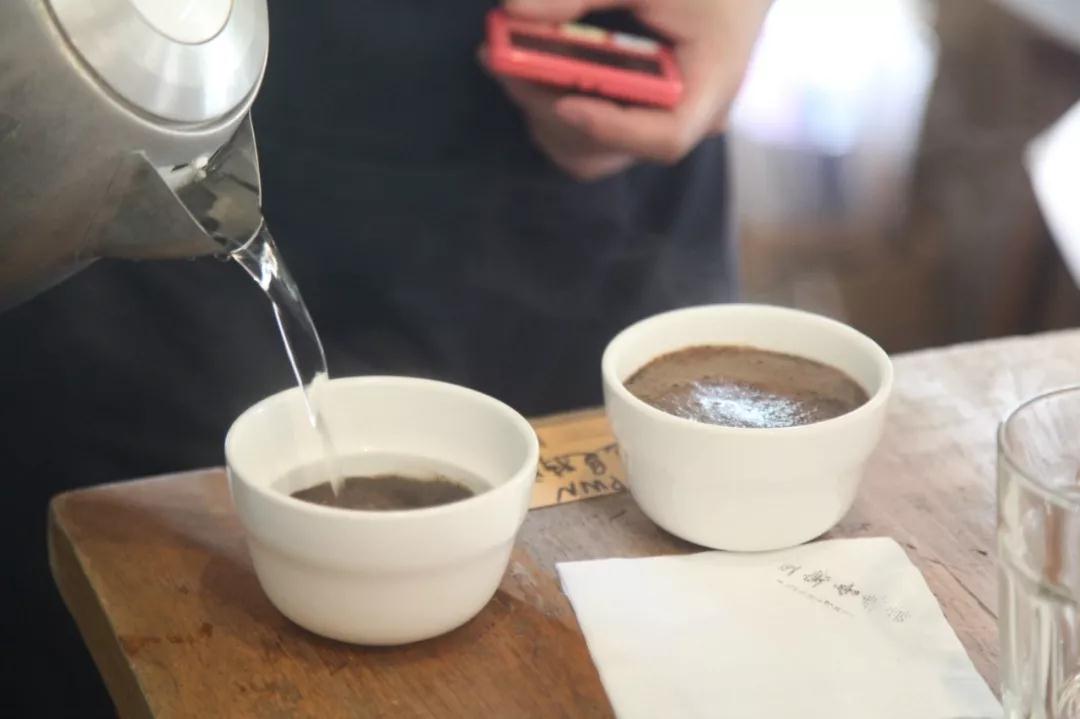
4. After 2 minutes, smell the wet aroma
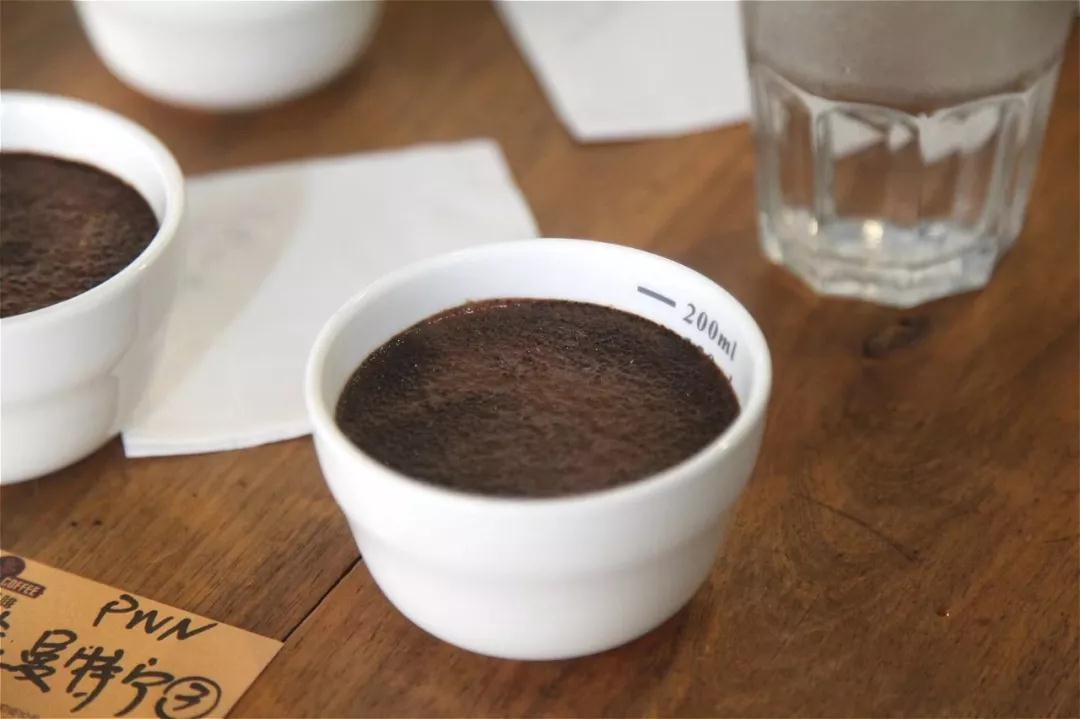
5. After 4 minutes, break the crust
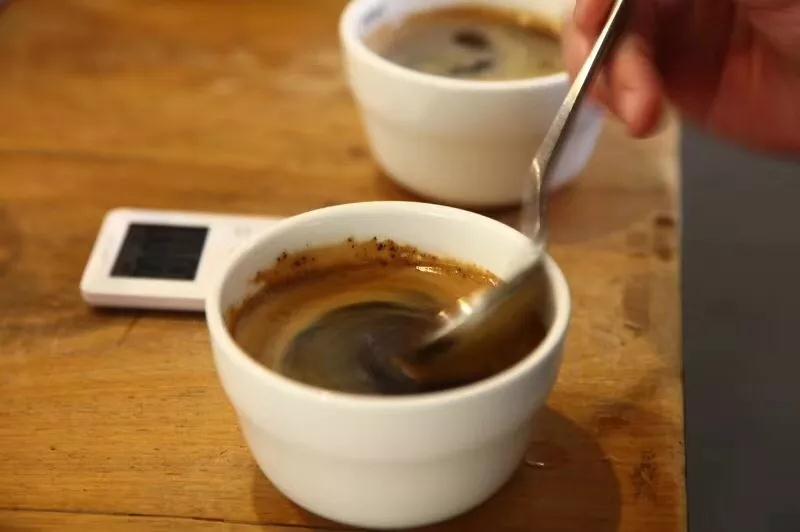
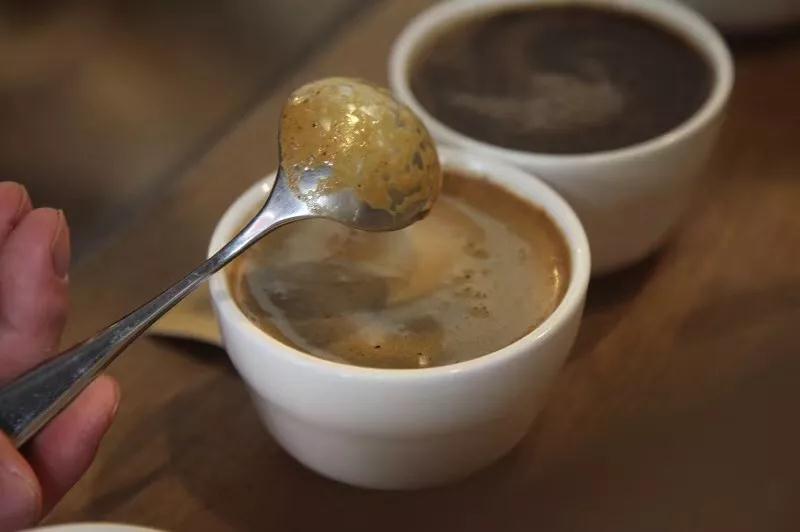
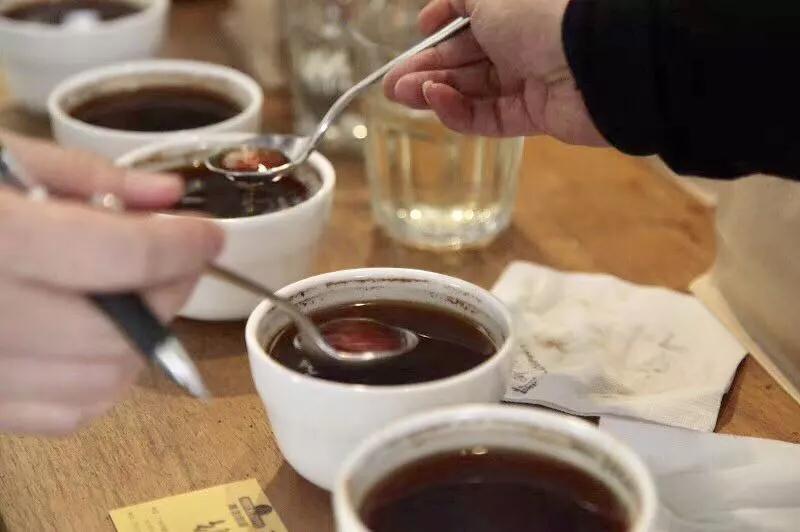
"Breaking the crust": use the cupping spoon to push aside the floating grounds, releasing the aroma trapped beneath and confirming the coffee's aromatic performance. Stir gently about 3 times, then let it rest for 2 minutes.
6. After 2 minutes, skim the crust
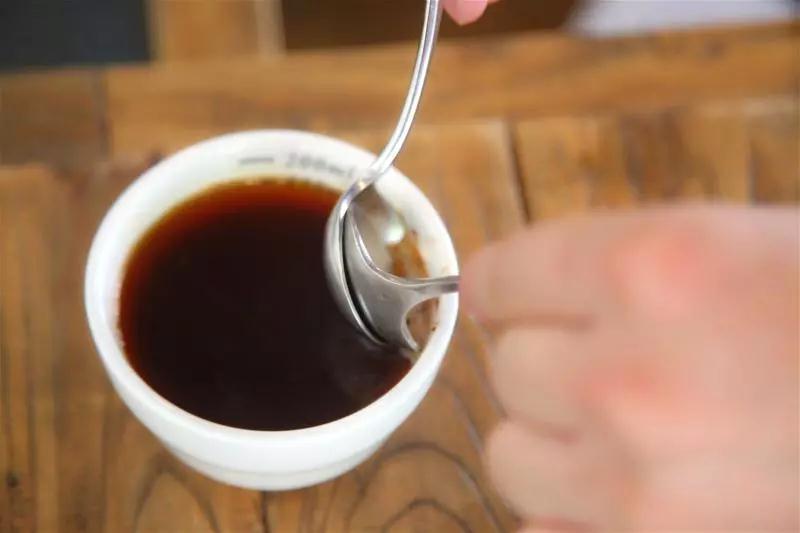
"Skimming": scoop away the surface foam with the cupping spoon, cleaning the spoon each time so no off-flavors carry into the cup.
7. Scoop up the coffee liquid with a cupping spoon and slurp. Slurping aerosolizes the coffee in the mouth, so the flavor molecules present far more clearly.
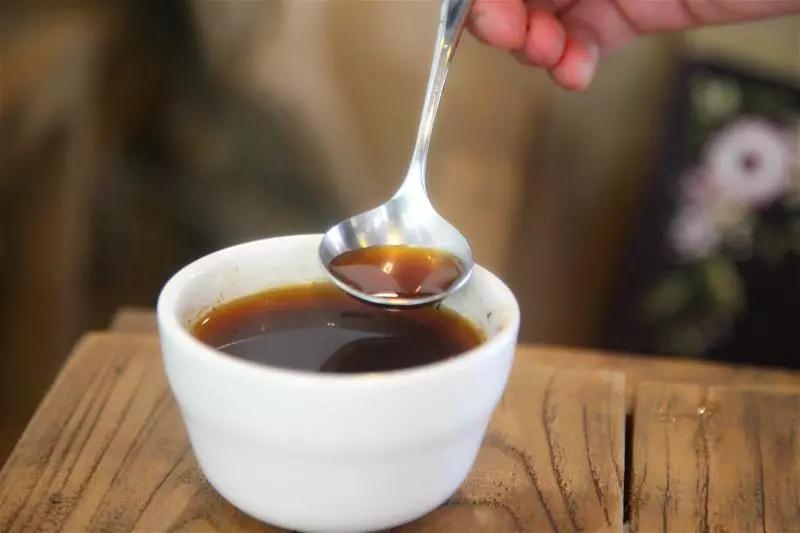
8. Spit the coffee into the spittoon.
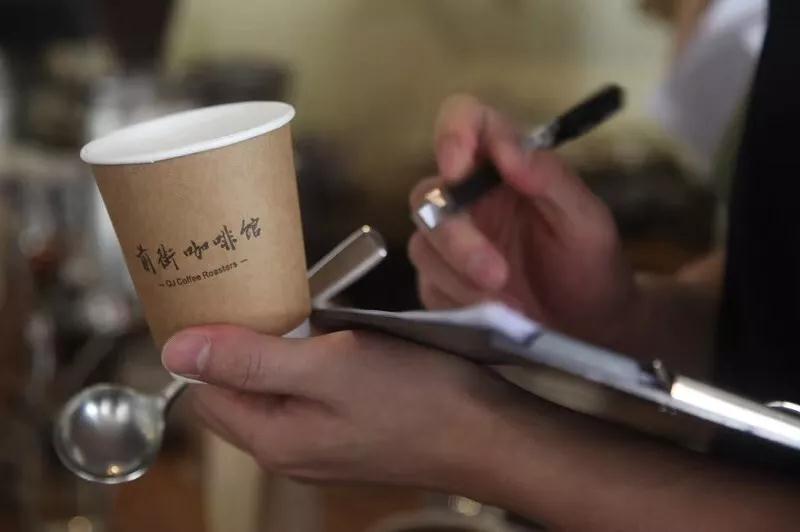
Aroma bottles systematize aromas with essential oils that present distinct smells, calibrating your coffee nose and helping you memorize specific aromas.
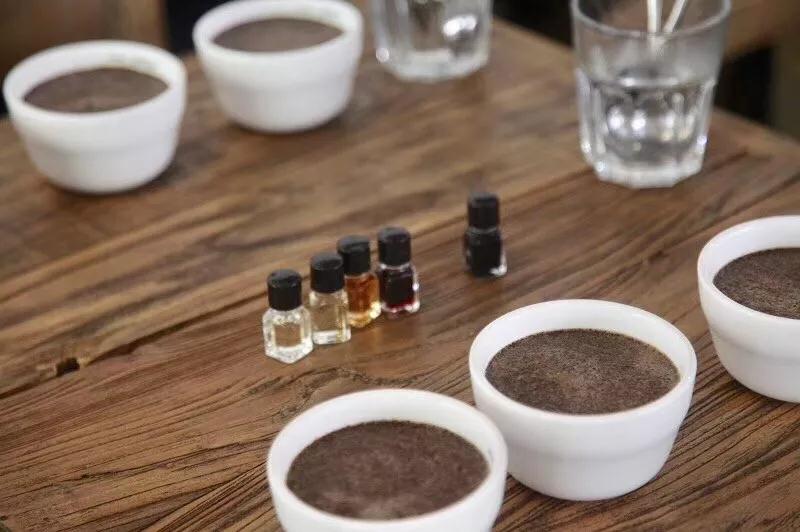
Two major aroma kits dominate the market: the 36-scent Le Nez du Café ("the coffee nose") by France's Edition Jean Lenoir, and the 100-scent Coffee Flavor Map released this year by Korea's Scentone. SCAA-certified courses currently use the 36-scent version. Beyond helping you memorize flavors, its four major categories teach you what aromas coffee develops across the roasting process—a complete education in coffee aroma. What are the four categories?
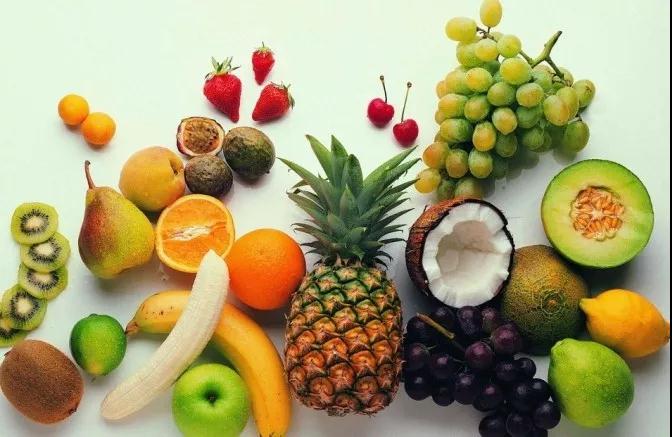
1. Enzymatic Group
(Fruits): Lemon, Apple, Apricot
(Vegetables): Potato, Cucumber, Garden Peas
(Floral Nectars): Coffee Blossom, Tea Rose, Honeyed
2. Sugar Browning Group
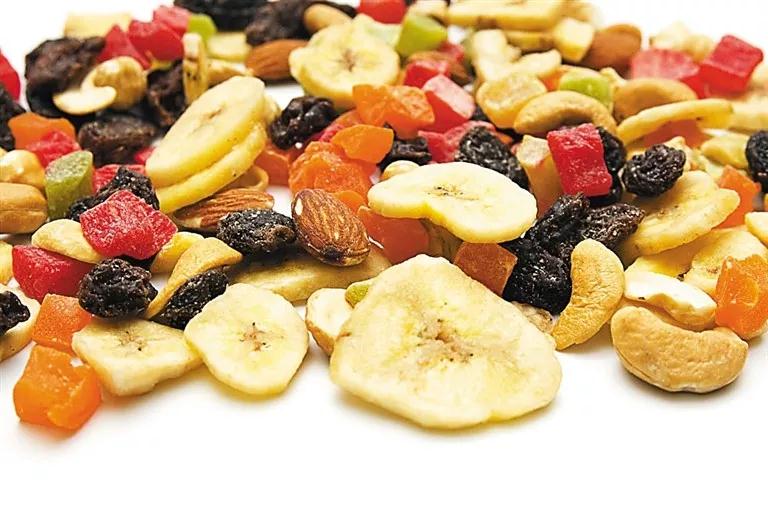
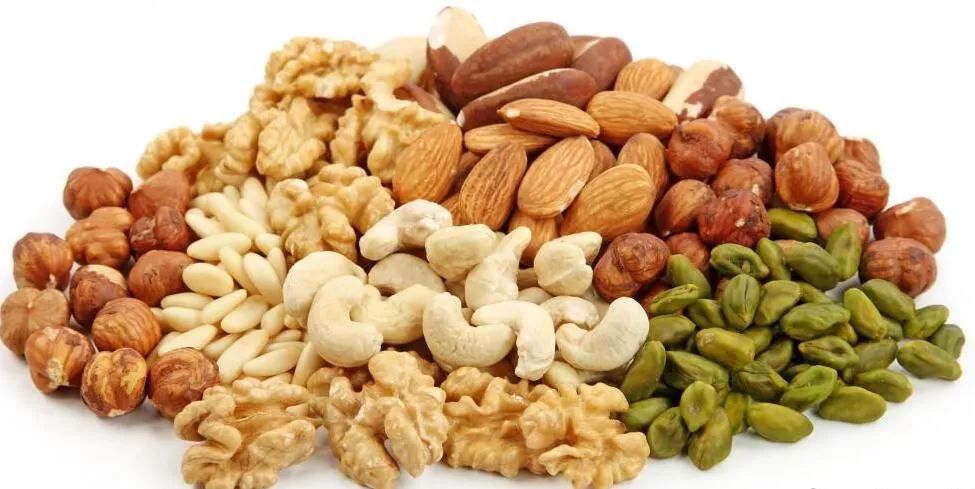
(Four Nuts): Roasted Almonds, Roasted Peanuts, Roasted Hazelnuts, Walnuts
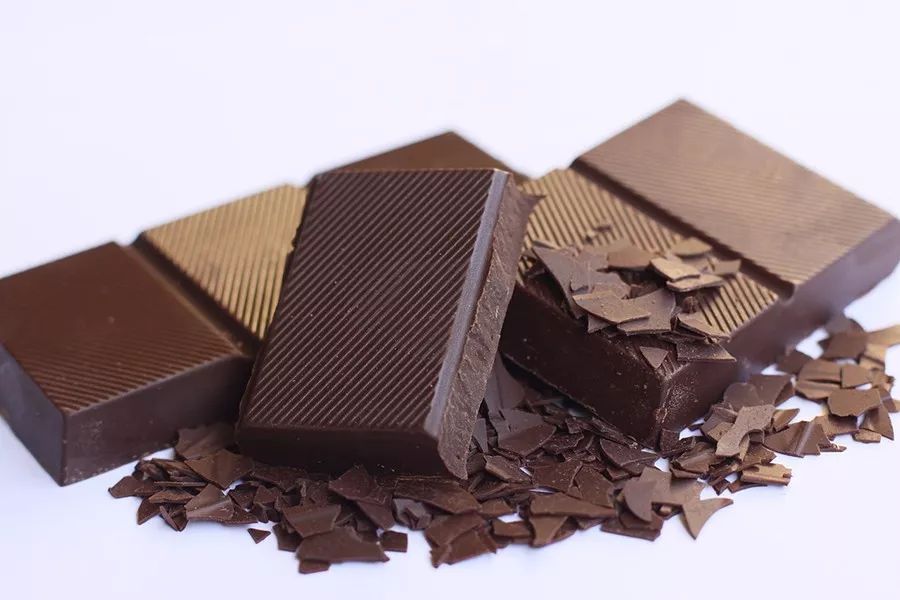
(Three Sweets): Caramel, Chocolate, Vanilla
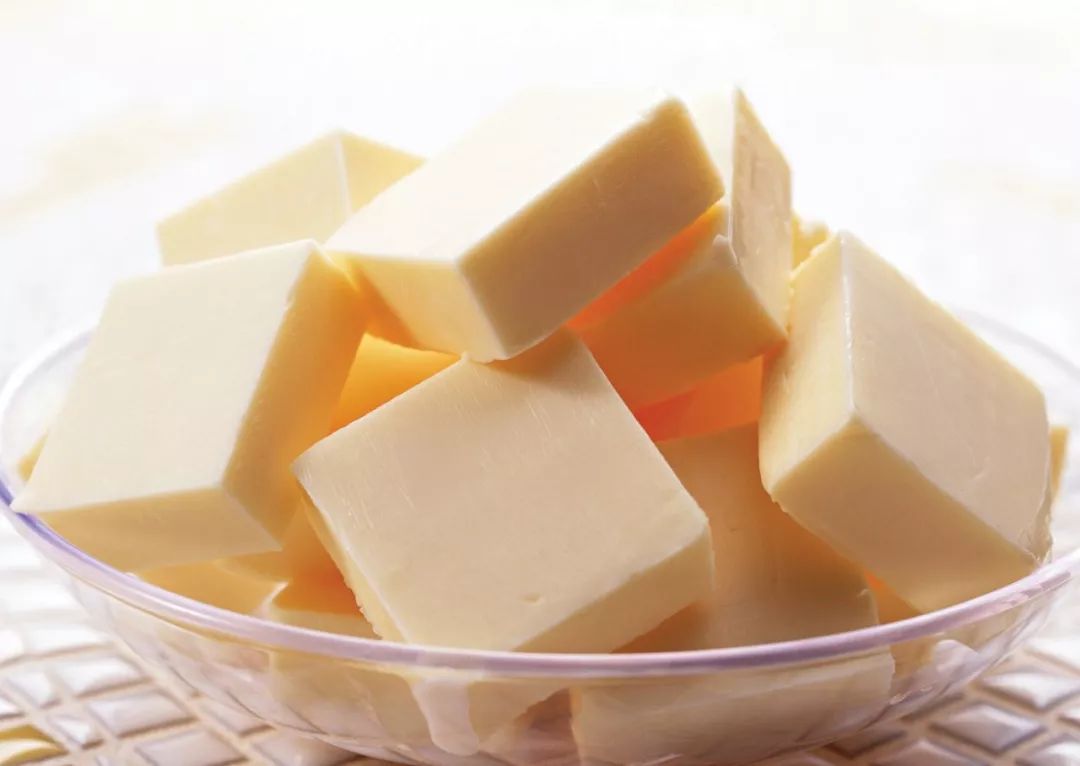
(Two Meals): Toast, Fresh Butter
3. Dry Distillation Group
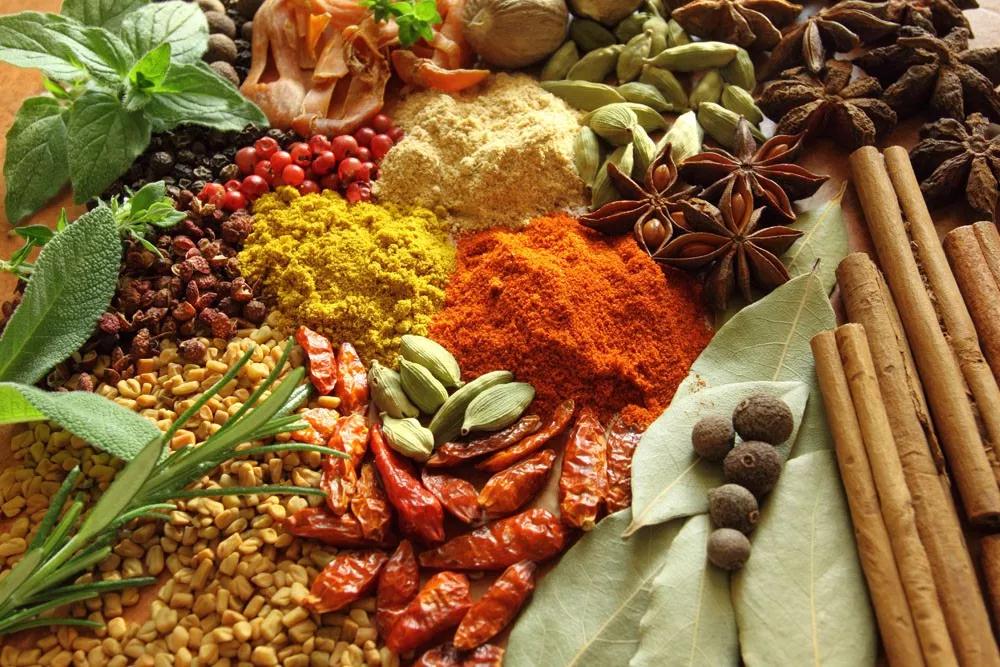
(Spices): Pepper, Coriander Seed, Clove-like
(Beverage Ingredients): Black Currant-like, Maple Syrup, Malt
(Herbal Processing): Roasted Coffee, Pipe Tobacco, Cedar
4. Aromatic Taint Group

(Wet Earthy): Earthy, Straw, Medicinal
(Dry Irritating): Rubber, Leather, Smoke
(Pleasant Aromas): Coffee Pulp, Basmati Rice, Cooked Beef
Daily training can be as simple as eating more fruits and paying attention to their aromas. For deeper training, compare aroma bottles with freshly ground coffee—dry aroma, wet aroma, and flavor. Smelling too many vials at once can make you dizzy, so smell the cap first, then the oil, sweeping side to side to let your nose take in the aroma fully. Comparing smells sharpens discrimination, and whichever kit you use, consistent practice will steadily improve your sense of smell.
Once you understand the 36 aroma categories, how do you apply them to tasting? Let's run through several single-origin beans as examples.
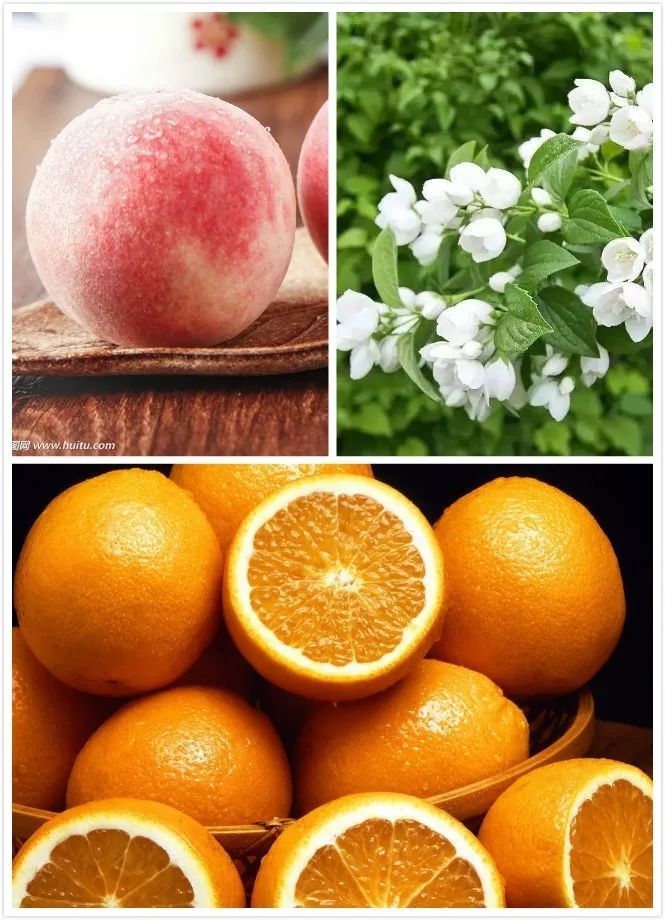
Beans dominated by floral and fruity notes: floral aromas are round and gentle, comfortable; fruit aromas are fresh, lively, and invigorating—recalling oranges, peaches, and other tropical fruits that make the mouth water.
[FrontStreet Coffee Flower Butterfly]
Flavors: Citrus, jasmine, honey peach, grape, caramel, honey, and a charming high-mountain tea aroma;
[Sidamo Horse Queen]
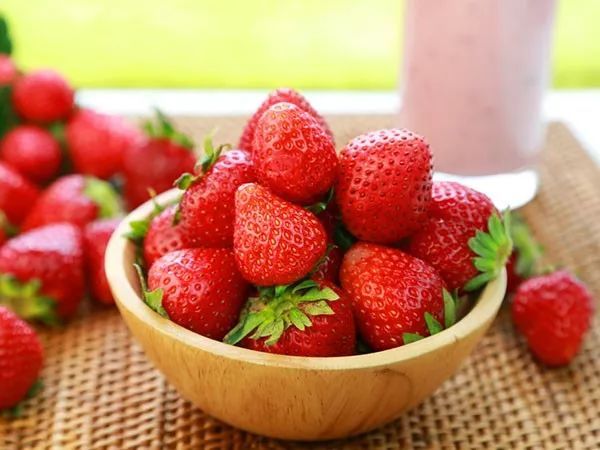
Flavors: Passion fruit, fermented wine aroma, strawberry, jackfruit
[Sun-dried Yirgacheffe Red Cherry]
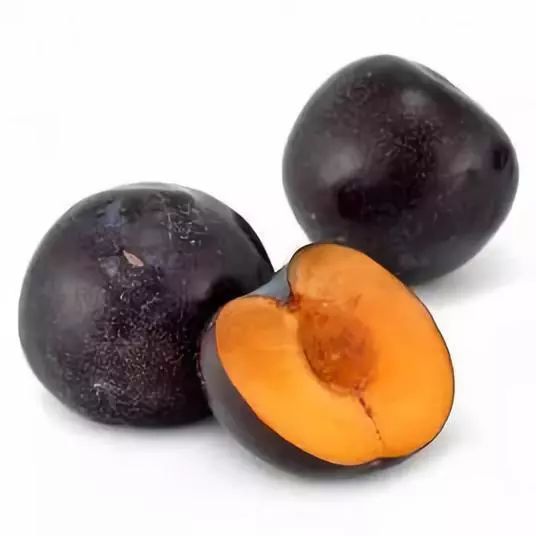
Flavors: Strawberry, apricot, sucrose
[Kenya Sun-dried Bourbon Hania]
The dry aroma shows sun-dried fermentation, dried fruit and vanilla, caramel, and mixed fruits with a solid juice-like body; the aftertaste brings berries, rich jackfruit, and coffee blossom.
Beans dominated by caramelized and dry-distillation flavors:
[Golden Mandheling]
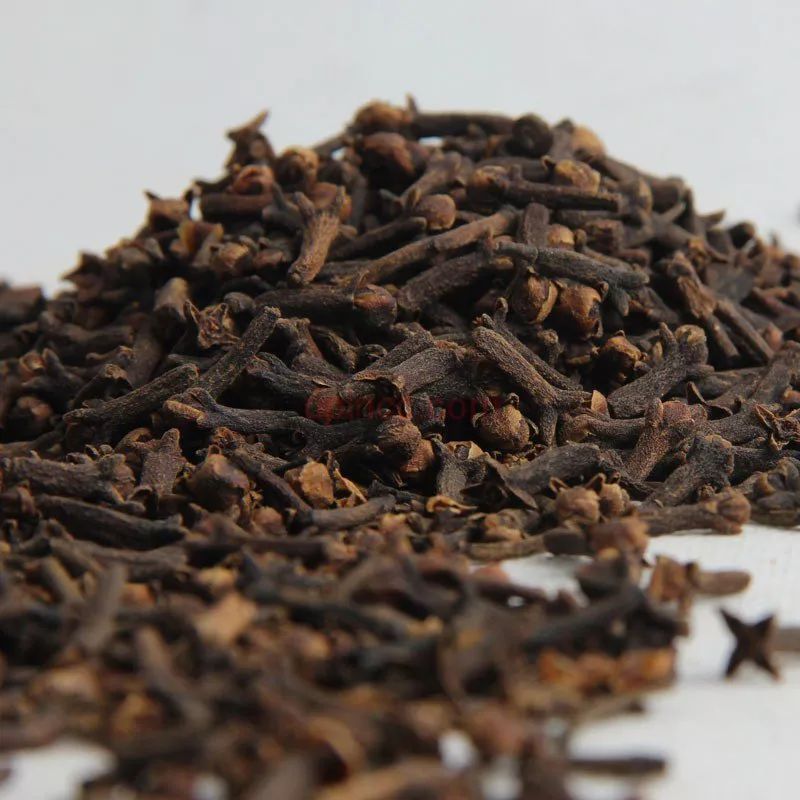
Flavors: Fine herbs, clove, pine, caramel, cream, nuts, dark chocolate
[Jamaica Blue Mountain]
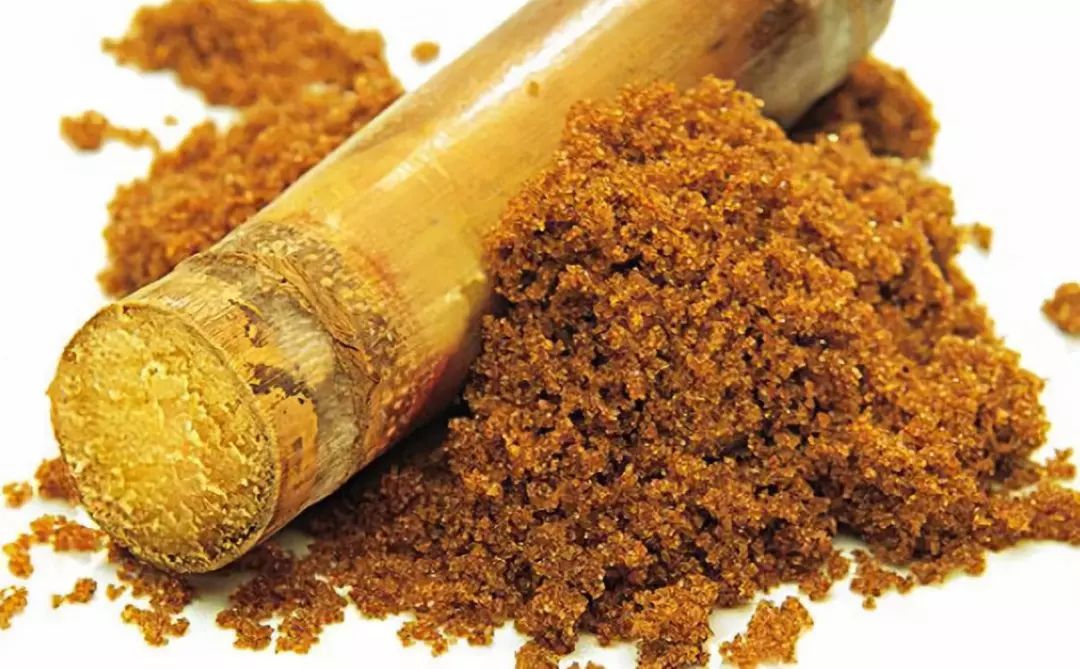
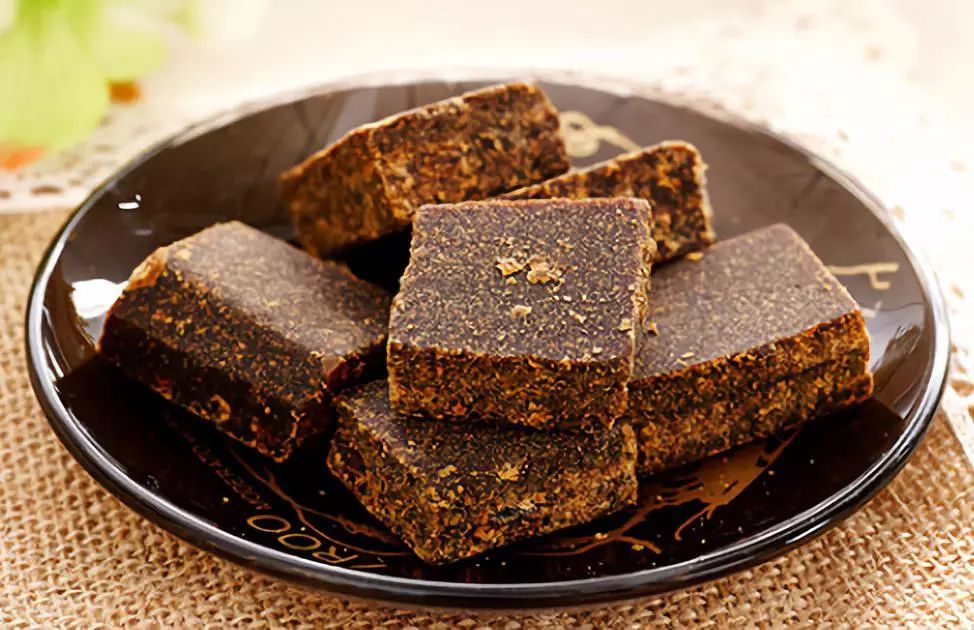
Flavors: Chocolate, nuts, cream, brown sugar. Sweet, sour, and bitter in perfect balance, with moderately gentle acidity and a slight fruit aroma.
[Yunnan Flower Fruit Mountain]
Flavors: Melon and fruit, nuts, milk chocolate, cream, herbs, brown sugar, honey;
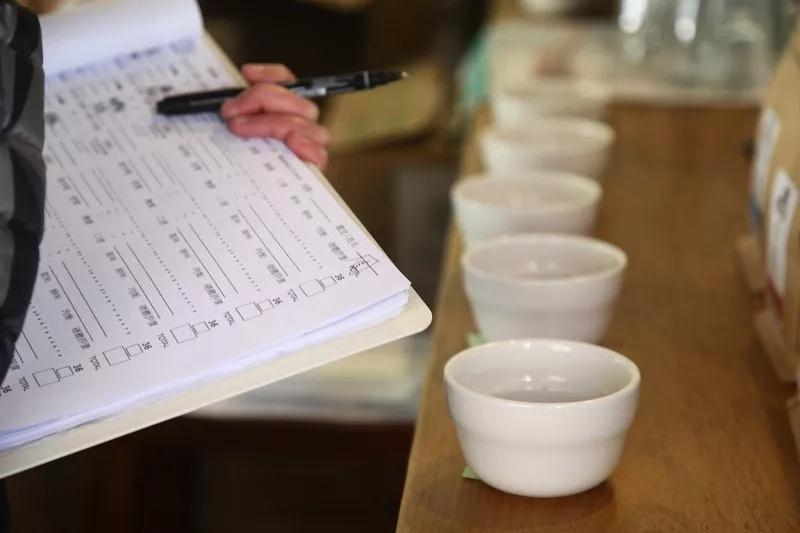
During cupping, we compare these flavors and score them on the form:
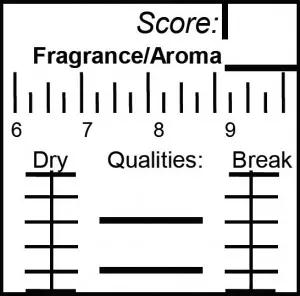
First: Fragrance/Aroma
Aroma has two parts: dry and wet. The first impression, scored right after grinding, is the dry aroma—coffee blossom, roasted hazelnut, roasted almond are all pleasant notes. After water is added, the wet aroma that bursts out when the crust breaks opens new possibilities—honey, lemon, apricot, each mouth-watering.
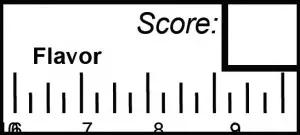
Second Scoring Item: Flavor
Flavor is the first item perceived and scored once the liquid drops to 71°C and slurping begins; it covers all taste impressions and retronasal olfaction. Cuppers fold every perceived flavor into this item. Flavor is one of the most important scores and the basis for describing the sample's character—more and better flavors score higher.
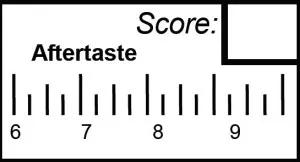
Third Scoring Item: Aftertaste
Aftertaste covers the tastes, aromas, and textures that remain after swallowing or spitting. Good flavors linger: if sweetness remains clearly in the mouth after spitting—even spreading—this item scores high; little or short aftertaste scores low.
Fourth Scoring Item: Acidity
Good acidity is nothing like vinegar—it is bright and lively, expressing citrus, berries, or sweet lemon; melon-like sweet acids; or the crisp fruit acid of a just-ripe apple. All of these are high quality. Bad acids resemble unripe fruit or vinegar, and undesirable ones—overripe or spoiled—show fermented or rotten fruit notes. The finer the acidity, the higher the score.
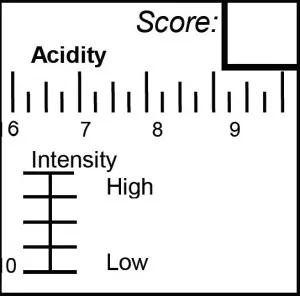
Fifth Scoring Item: Body
Body is not about taste but about the substances and textures felt in the mouth—oiliness, viscosity, and quality sensation together. Milk versus water: the former scores far higher on texture. Thick soup versus clear soup: the former's weight and texture far exceed the latter's.
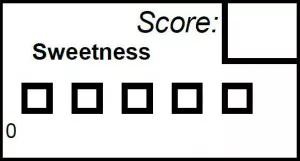
Sixth: Uniformity
Simple to score: do the 5 sample cups taste different? Does any cup show a defect? If they are all consistent, award a full 10 points!
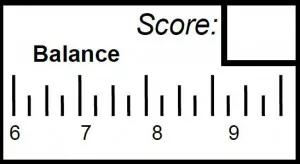
Seventh Scoring Item: Balance
Balance asks whether the coffee's attributes harmonize: the acidity may be bright, but does it also turn sweet? The body may be viscous, but is it free of astringency? Are the various flavors in harmony? If so, score it high.
Eighth Scoring Item: Clean Cup
Cleanliness is essential for specialty coffee. A clean cup means complete freedom from taints and faults: spoilage, earthiness, medicinal iodine notes, fermented acidity, rubber, onion, astringency—any of these signals insufficient cleanliness.
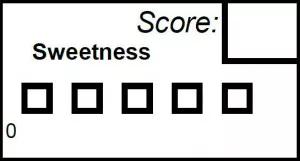
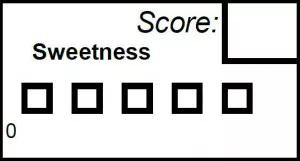
Ninth Scoring Item: Sweetness
Sweetness indicates the cherries were harvested at optimal maturity without unripe beans mixed in, and reflects overall quality. Only just-ripe fruit, processed carefully, yields strong sweetness. Sweetness comes in many forms—sugarcane, caramel—and can be noted during evaluation. Coffee always contains some sweetness, so as long as you perceive it, this item scores well.
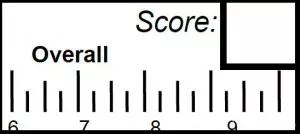
Tenth Scoring Item: Overall
Excellent beans can be matched to specific aroma bottles. If you don't own a kit, simply taste more fruits and smell more flowers—steady practice makes flavor identification progressively easier.
Today's sharing ends here; I hope it helps.
FrontStreet Coffee Recommendation
The best way to train the nose and palate described above is to cup great beans, and FrontStreet Coffee's sun-dried Yirgacheffe Red Cherry is the classic choice for practicing with light roasts. Red Cherry comes from the famous Yirgacheffe region and was among the first coffees to champion all-red-cherry natural processing, so its quality runs high. Roasted medium-light, it smells of ripe fruit on the dry aroma, enters with a clear fermentation note and berry character, then—once the cup cools a little—shows citrus acidity, the smoothness of cream, and a finish with the juice of ripe grapes: a superb reference for the enzymatic group of the aroma kit.
For practicing sugar-browning and sweet aromas, try the FrontStreet Queen Estate Yellow Bourbon. Queen Estate is a specialty farm in Brazil and Yellow Bourbon an outstanding variety, with natural processing amplifying its sweetness—a true all-rounder that works in a pour-over, French press, moka pot, or espresso machine. Roasted medium, it offers nuts, cream, cane sugar, and soft fruit acidity, giving you a clean benchmark for the nut, caramel, and butter vials. Cup both side by side and you will quickly learn to sort enzymatic florals from browning sweets—exactly the discrimination the scoring form rewards.
Important Notice :
FrontStreet Coffee is a long-established specialty coffee roaster in Guangzhou China, selling freshly roasted beans from its own farm in Yunnan as well as dozens of carefully selected single-origin beans from around the world for both pour-over and espresso. The products deliver consistently excellent quality and great value, with shipping within 24 hours. Guangzhou's FrontStreet Coffee shop is recommended by many coffee lovers, and the beans are now available online at the Tmall 。
FrontStreet Coffee has moved to a new address:
FrontStreet Coffee Address: 315,Donghua East Road,GuangZhou
Tel:020 38364473
 Scan and follow the En Gafei WeChat official account. Please indicate that the reprint comes from "En Gafei".