Espresso | The Foundation of Italian Coffee, How is Espresso Really Made?
Single Origin vs. Espresso Coffee
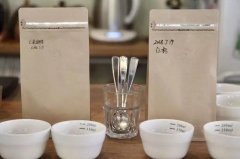
Walk into any specialty coffee shop today and browse the options, and you will not have much trouble spotting two main categories: single origin coffee and espresso coffee.
So how exactly is an espresso base built?
Today I would like to share my experience with you.
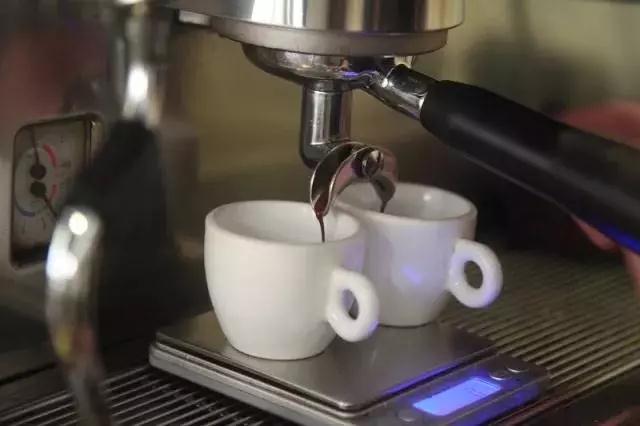
Factors Affecting Espresso Flavor
First, we should understand what factors influence espresso flavor:
(1) Water Pressure
Modern espresso machines use a pump to control water output and adjustable water pressure. The ideal water pressure for espresso is generally 9 BAR, widely considered the most suitable pressure.
(2) Boiler Pressure
Boiler pressure affects the water temperature for brewing and the force of the steam. The higher the boiler pressure, the higher the water temperature and the stronger the steam; conversely, lower pressure means cooler water and weaker steam. Boiler pressure is generally around 1 BAR, although this value is still debated today and every barista has their own view.
(3) Water Temperature
Water temperature must be set according to the requirements of different coffee beans. Some are constrained by boiler pressure, while others allow flexible, precise settings. Based on most baristas' experience, a water temperature between 90-92°C is suitable. Each barista can adjust it flexibly according to their own understanding and needs, shaping a personal style of espresso by hand.
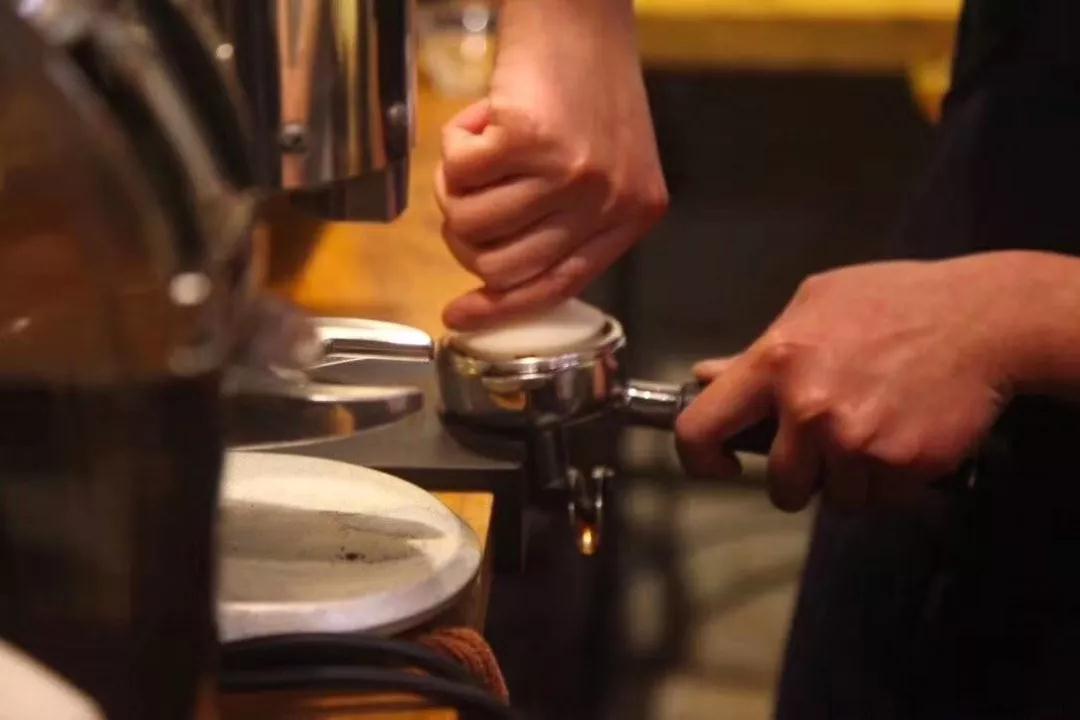
(4) Tamping Pressure
Tamping comes in many styles, and it is rare for two people to tamp in exactly the same way. Generally, a heavy tamp requires around 25kg/m² of pressure, but tamping is in fact the most flexible parameter among the golden rules. Because we use a constant-pressure tamper, the tamping force stays basically consistent.
(5) Coffee Bean Grind Size
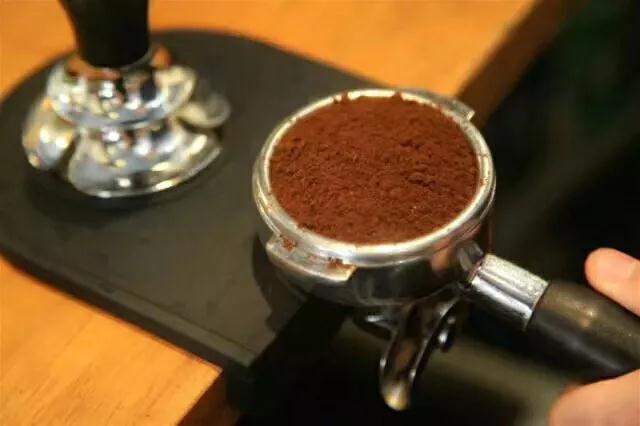
Espresso uses extremely fine grounds. The finer the grind, the slower the water flows through the coffee bed; the coarser the grind, the faster it flows. Adjusting grind size changes extraction time while still reaching the desired extraction amount. Consider this scenario: a fixed 20g of coffee grounds extracted into 40g of espresso in 25 seconds. Everything looks perfect, but when you taste it the body is thin and the acidity is sharp. Clearly this espresso is under-extracted and weak. Grinding finer solves both the under-extraction and the low concentration, reducing sharp acidity and increasing richness.
(6) Dose Amount
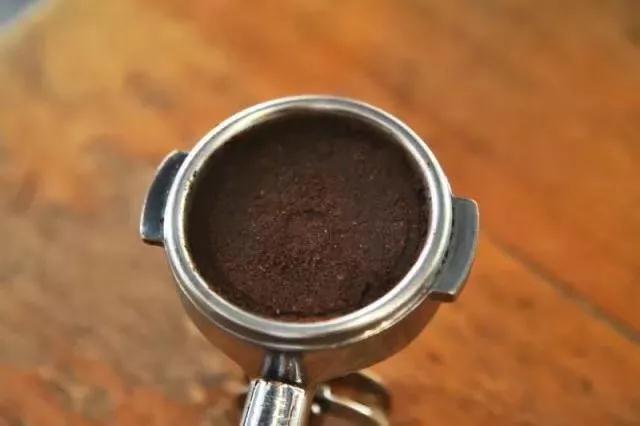
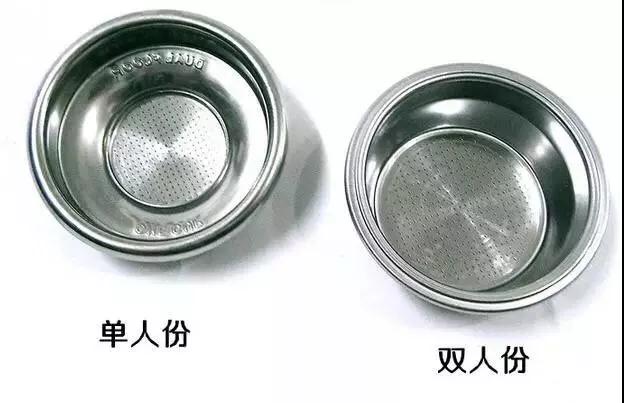
For a single shot of espresso we use 12-14g of coffee grounds, and for a double shot, 20-22g.
(7) Extraction Time
The golden rule specifies an extraction time of 25-28 seconds, but extraction time is really a combined expression of tamping, dose, and grind size, and it has to be adjusted according to the barista's understanding.
(8) Extraction Yield
For a single extraction we pull 20-21g of liquid, and for a double extraction, 40g of liquid. A few Italians may use a single dose yet extract only 15ml of coffee liquid.
(9) Crema
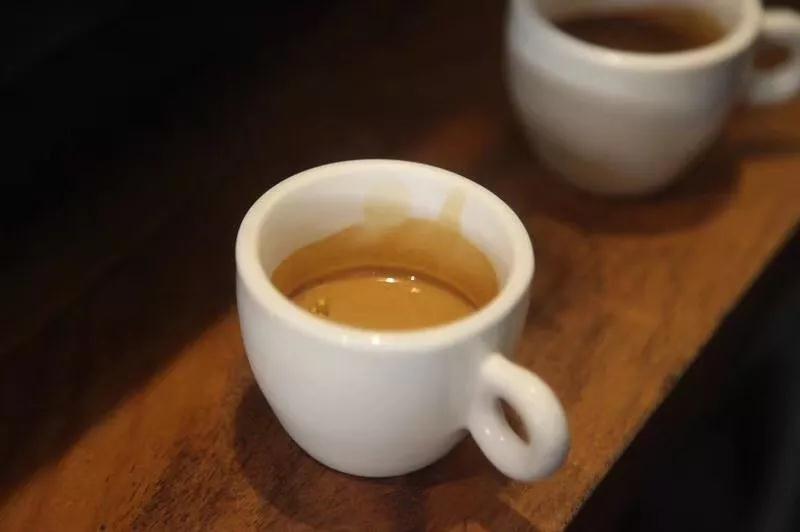
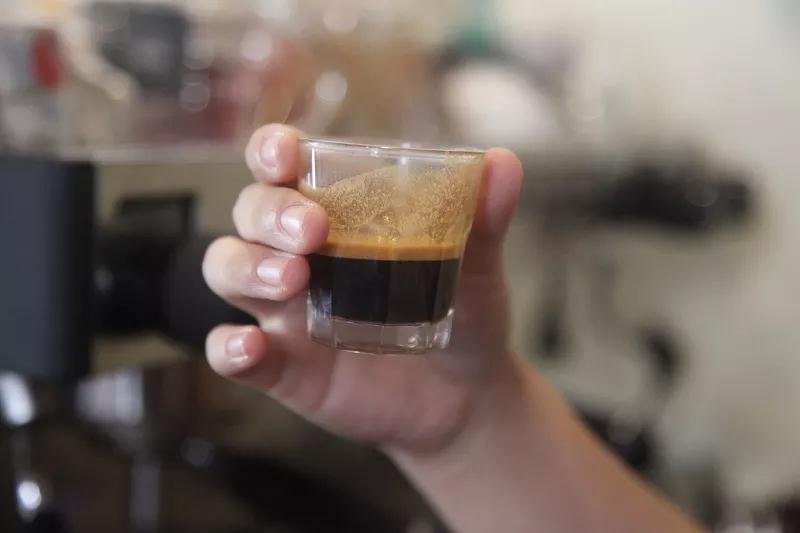
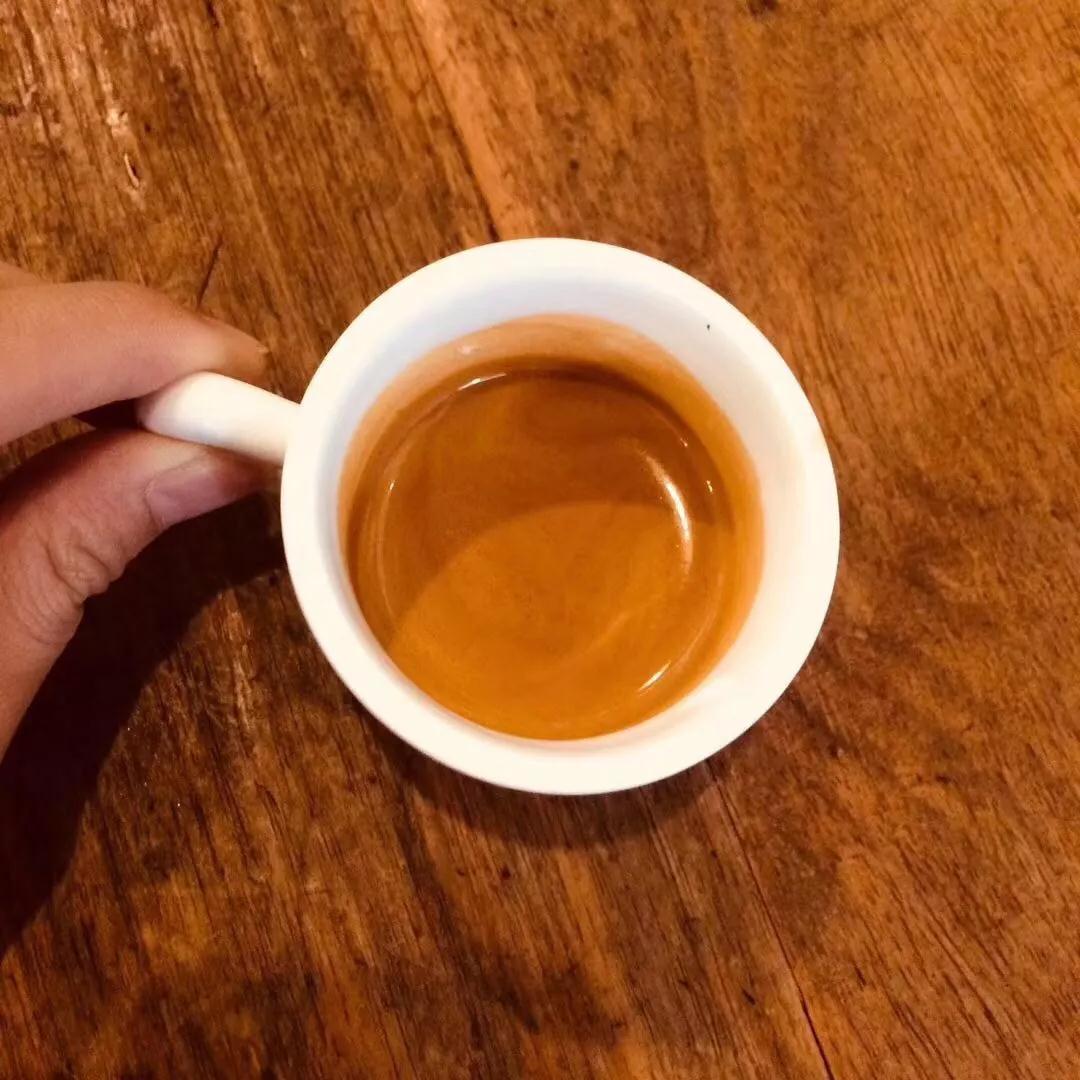
The complexity of crema cannot be explained in just a few words. Simply put, a good espresso needs rich, golden-brown crema.
Professional Tips
(1) We use a Fiorenzato 900N espresso grinder and a Faema E78 espresso machine, with a tamper. Water pressure, boiler pressure, and water temperature stay basically unchanged. We add new beans daily, shake the bean hopper evenly, grind out old beans from the burrs, and use fresh coffee grounds to clean any old powder left inside.
(2) We have settled on our technique for receiving and distributing grounds. For our blend we use Colombia and Brazil in a 4:6 ratio. The overall flavor is sweet and fragrant, with mild, non-irritating acidity, balanced sweet and sour notes, and medium crema.
An ideal espresso should achieve balance among all its elements, with distinct flavor characteristics and a sweet aftertaste in the throat rather than bitterness. More specifically, it should have moderate acidity, bitterness, and sweetness, rich flavors, a solid, concentrated body, and a lasting aftertaste that feels refreshingly citrus-like in its acidity.
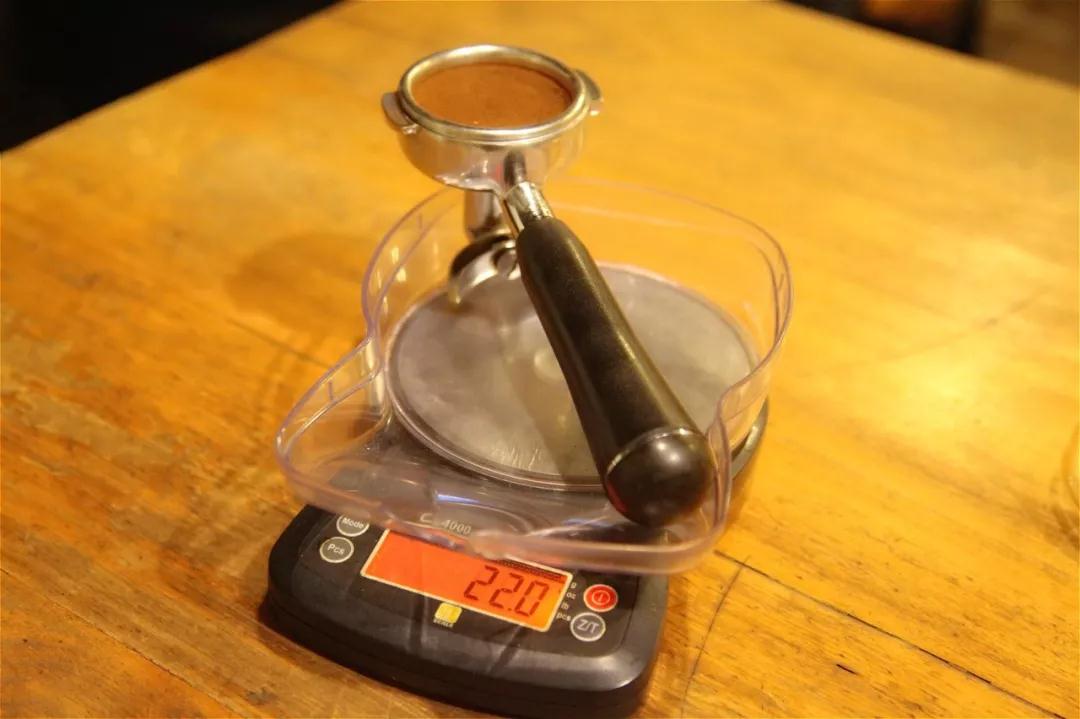
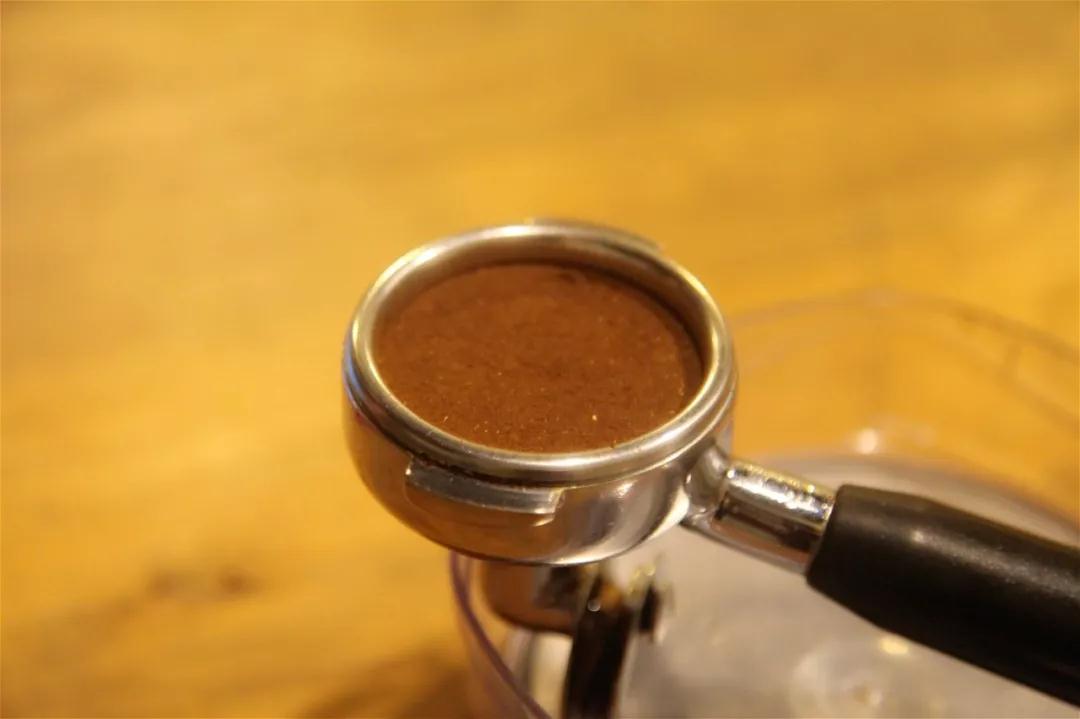
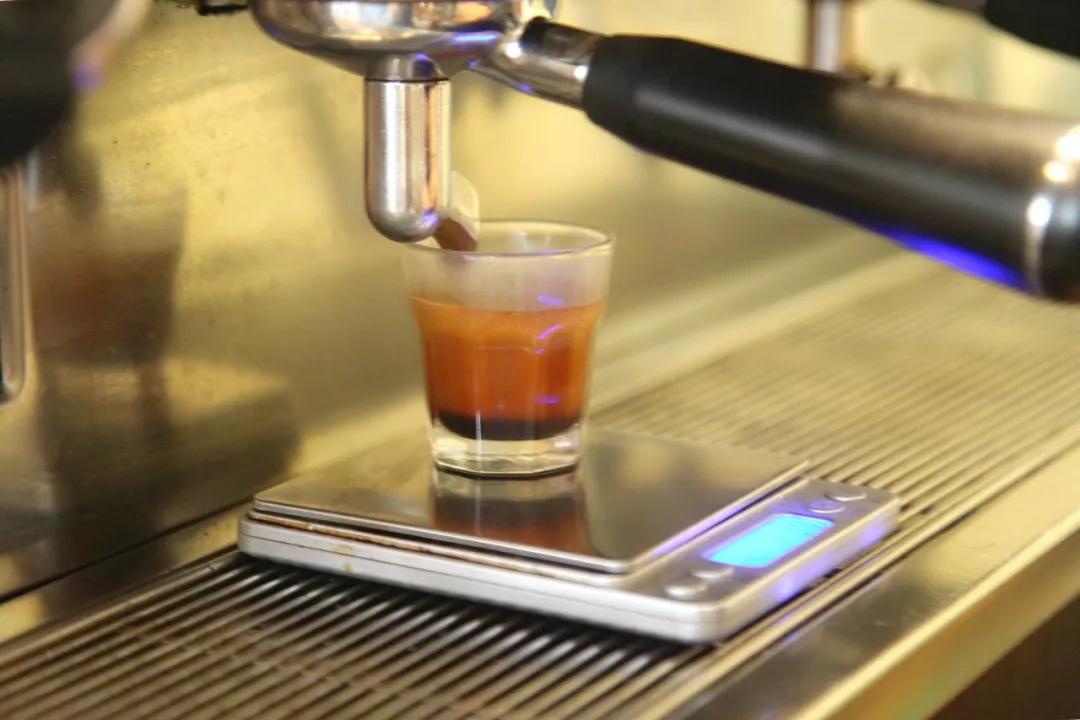
Double dose: 22g, extracted into 40g of liquid, time: 27 seconds.
Espresso Blends
Blend beans are mostly used for espresso drinks such as espresso, Americano, latte, or cappuccino. The coffee flavor is more balanced, smoother, and more stable, which makes it appealing to a wider public.
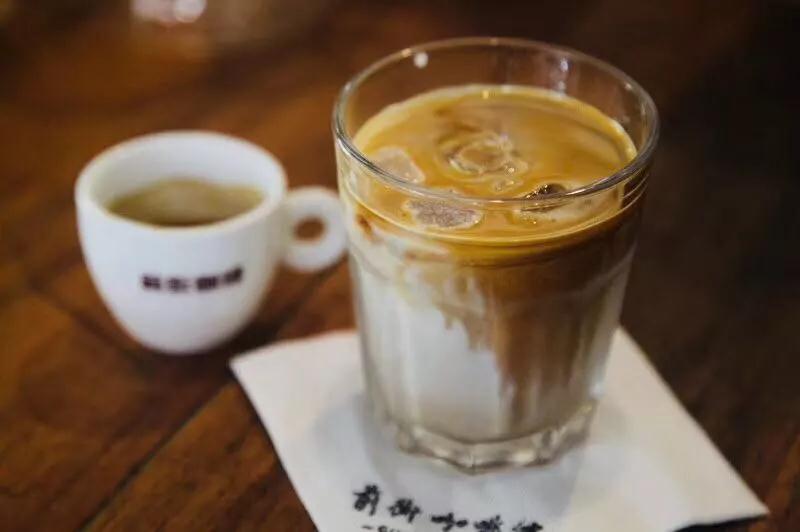
Blended coffee, also called mixed coffee, combines various single-origin beans to make full use of the strengths of each one. Blend beans are made from coffees of different origins to create a more balanced flavor profile.
For example, if one bean is smooth but lacks aroma, another bean rich in aroma can be added. The advantages of individual beans complement each other, either compensating for or enhancing flavors, creating a richer new taste. Sometimes beans are blended first and then roasted, which is called green blending; sometimes they are blended after roasting, which is called roasted blending.
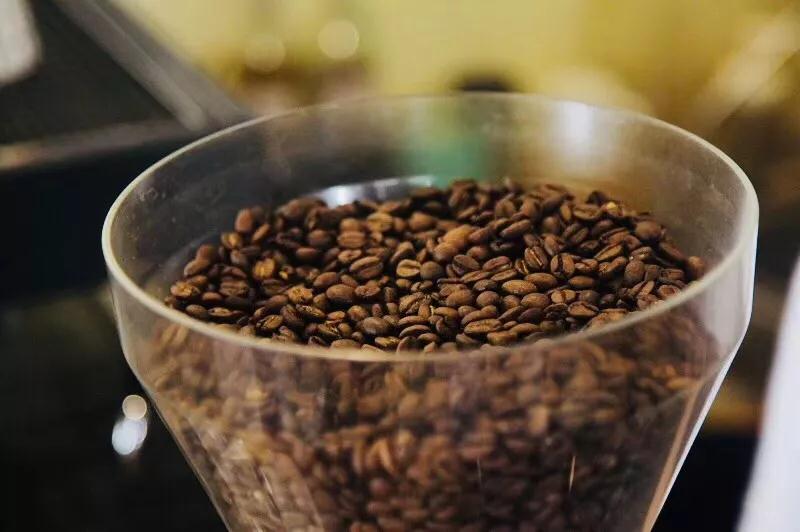
Post-roast blending allows each bean to be roasted to a different degree so that every component performs at its best.
Before blending, you must first understand the different flavors of coffee varieties from around the world, because beans have different characteristics depending on origin. Different beans have distinct personalities shaped by variety and origin, with subtle differences in acidity, bitterness, sweetness, aroma, and body. Single-origin coffee often focuses more on expressing the unique character of one particular type.
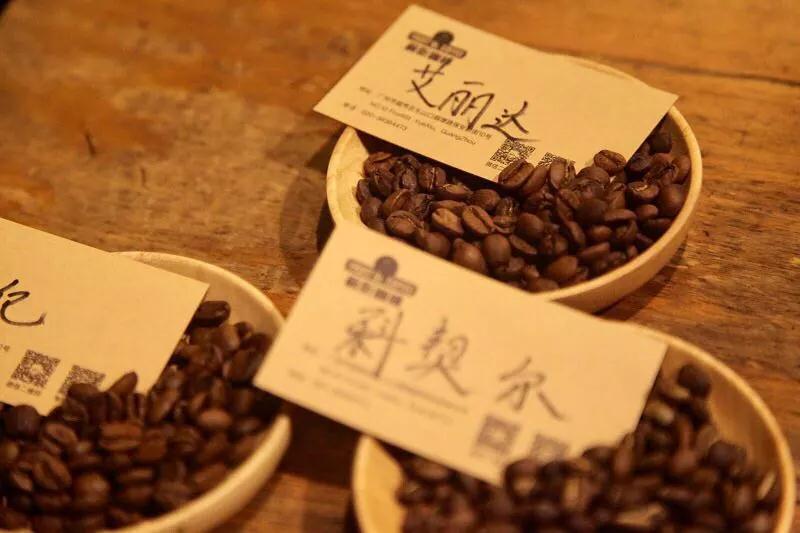
The Rise of Single Origin Espresso (SOE)
SOE has become popular in recent years. SOE stands for Single Origin Espresso. It is not necessarily equivalent to specialty coffee, but if you choose a single-origin bean with an easily identifiable flavor for your SOE, you can create espresso with a unique and typical character. Think of the classic citrus note of Yirgacheffe or the fruity notes of Kenya. Espresso amplifies the coffee's flavor, so those specific notes stand out more than they would in a pour-over. That said, although SOE shows outstanding character, because it comes from a single origin its defects are also easily amplified. Roasting and grind size both affect the flavor, so it is not necessarily better tasting than a blend.
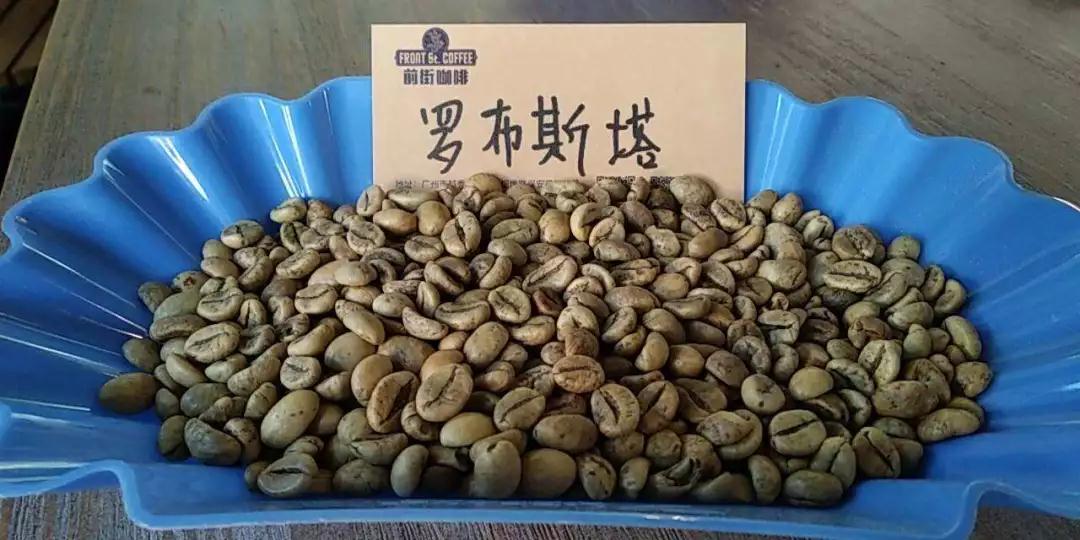
Robusta
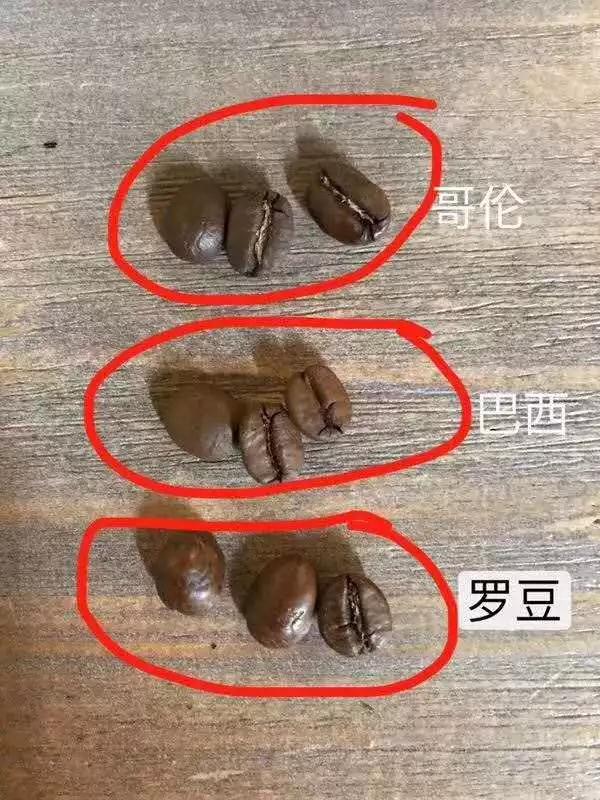
Mainly used in espresso blends to add body and produce rich crema. Robusta beans are oval, spherical, or nearly spherical, with a straight center line.
Arabica
Arabica grown in different regions, at different altitudes, and in different climates has its own character, showing completely different personality flavors. Unroasted, it smells of fresh grass. After proper roasting, it reveals fruitiness (light to medium roast) and caramel flavors (dark roast). Suitable for single origins and various blends, and can be brewed with many extraction techniques.
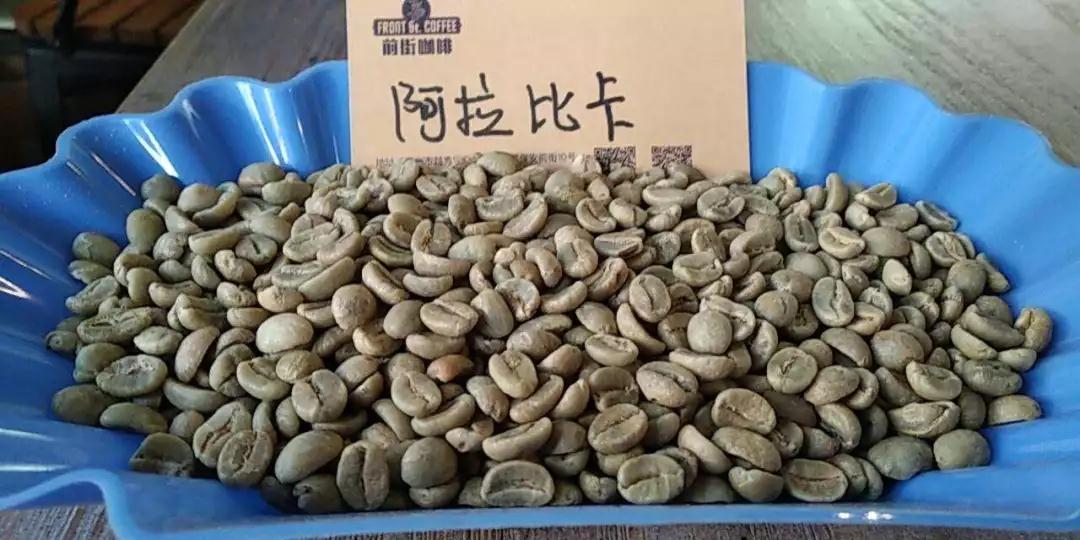
Arabica coffee beans are long-oval and flat, with an S-shaped or C-shaped center line.
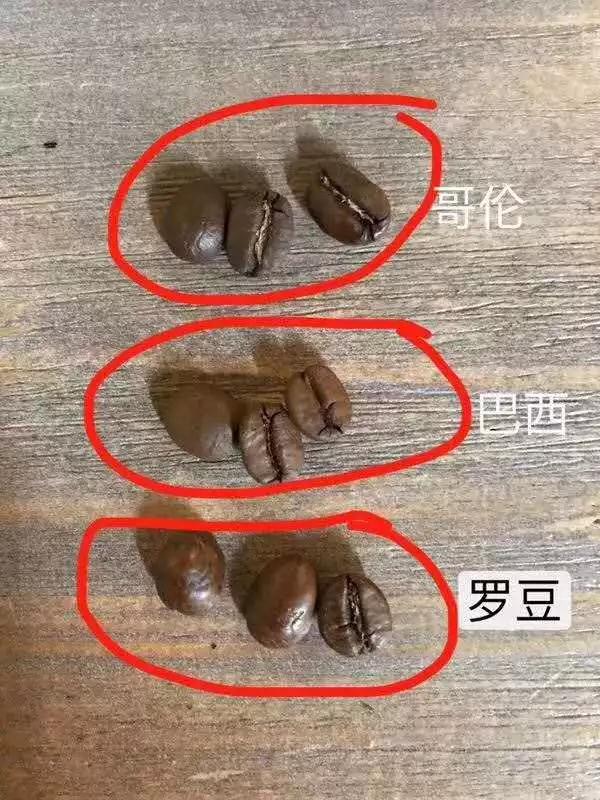
How Much Robusta Is Suitable for Espresso Blends?
For the blend beans typically used by independent cafes, we believe 10% Robusta, or up to 20%, is suitable. Beyond that proportion, a rubbery taste tends to appear.
How Do We Blend?
(1) FrontStreet Coffee Espresso Blend No. 2: Colombia and Brazil in a 3:7 ratio, 100% Arabica. Flavor characteristics: a comfortable bitter-sweet taste and an extremely smooth entry; a light grassy fragrance and a fresh aroma with a touch of bitterness; sweet and smooth with a pleasant aftertaste. Roasted medium-dark, it makes an espresso with soft, mild acidity and a sweet, nutty aftertaste. The overall impression is not too stimulating, balanced, with medium crema.
(2) Commercial Blend:
Colombia, Brazil, and Robusta in a 3:6:1 ratio, green-blended.
In terms of individual bean flavor, commercial coffee beans are far inferior to specialty coffee beans, so commercial beans are generally chosen for blending. Once blended, they can still produce coffee with an excellent taste, suitable for making lattes, cappuccinos, and other espresso drinks. When we use our commercial blend for espresso, the Robusta makes the crema richer and the flavor classic, with caramel sweetness, nutty and cocoa-like notes, dark chocolate, a balance of sweet and sour, a slight bitterness, and a lasting aftertaste.
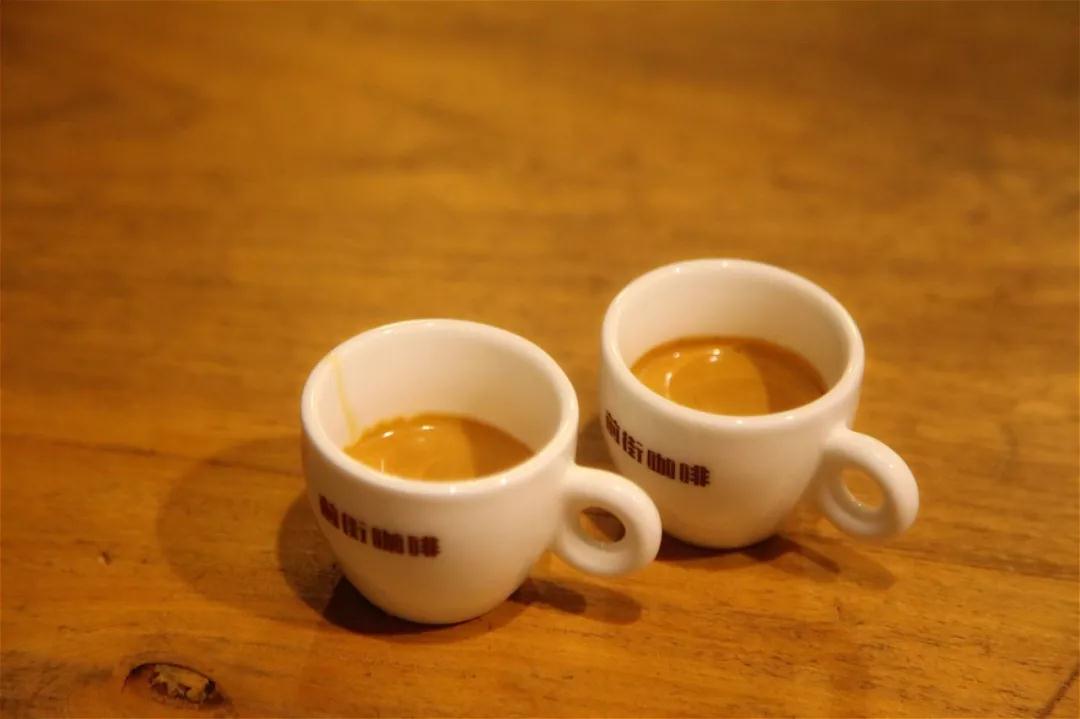
(3) Basic Blend:
Yunnan AA and Brazil in a 3:7 ratio, roasted blend, with soft fruit acidity, caramel sweetness, nutty and dark chocolate notes, smooth and thick, but with a relatively light taste.
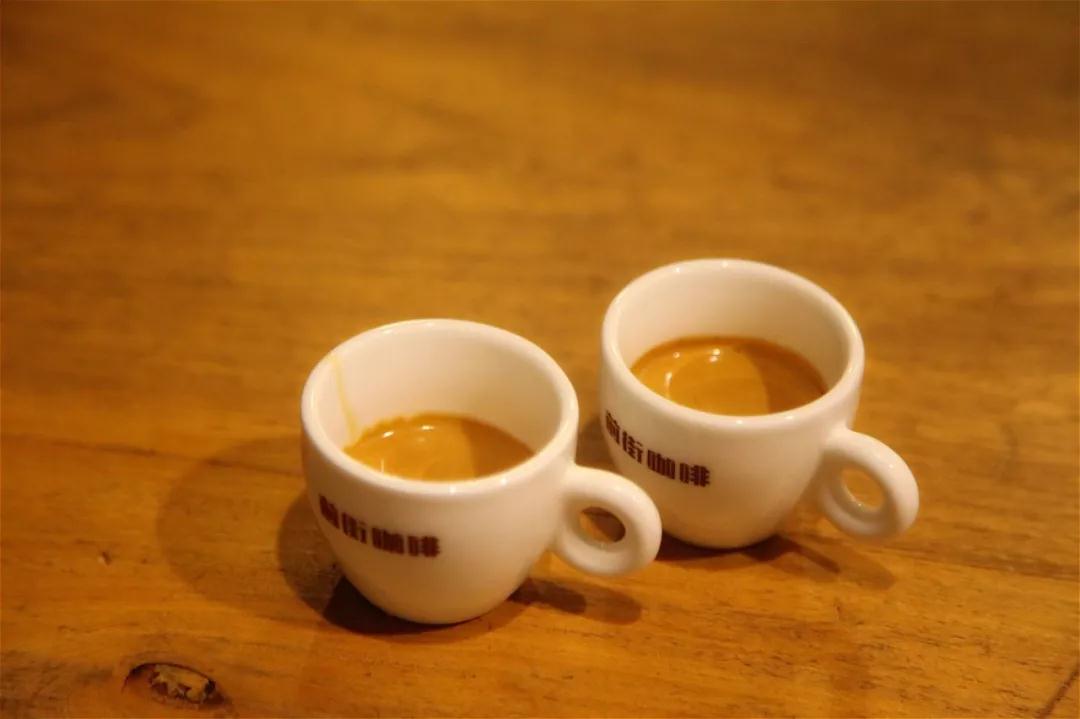
Adding Robusta to some espresso recipes can bring more caffeine, better crema, and flavor balance. Commercial blends with Robusta, and even the 100% Arabica "Specialty Espresso No. 2", actually contain less than 10% Robusta. If you are making milk coffee you basically cannot taste it, but the overall crema of the coffee will be noticeably improved.
FrontStreet Coffee Recommendation
For an espresso base with the rich, stable crema described above, FrontStreet Coffee's Classic Blend is designed specifically for espresso and moka pot brewing, and its traditional Mamba-style recipe delivers dense, fine crema even on a basic home machine. If you want a nuttier, more affordable daily option, FrontStreet Coffee's Black Cocoa Blend is 100% Arabica with abundant crema and a full body at an approachable price. For a single-origin espresso, the Brazil Queen Estate SOE showcases the sweet, low-acid Yellow Bourbon character that comes through beautifully in milk.
Important Notice :
FrontStreet Coffee is a long-established specialty coffee roaster in Guangzhou China, selling freshly roasted beans from its own farm in Yunnan as well as dozens of carefully selected single-origin beans from around the world for both pour-over and espresso. The products deliver consistently excellent quality and great value, with shipping within 24 hours. Guangzhou's FrontStreet Coffee shop is recommended by many coffee lovers, and the beans are now available online at the Tmall 。
FrontStreet Coffee has moved to a new address:
FrontStreet Coffee Address: 315,Donghua East Road,GuangZhou
Tel:020 38364473
 Scan and follow the En Gafei WeChat official account. Please indicate that the reprint comes from "En Gafei".