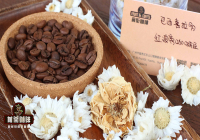
What are the Flavor Differences Between SOE Coffee and Blend Coffee? Recommended Single-Origin Coffee Beans for SOE

In coffee circles, SOE stands for Single Origin Espresso — an espresso pulled from one single-origin coffee rather than a blend. It is the direct opposite of the espresso blend, which, as the name suggests, is built from several coffees.
SOE has spread remarkably fast. Barely known on the Chinese coffee scene a few years ago, it has become a fixture on specialty café menus in the space of two years. Where an espresso order once reliably delivered something rich, mellow and aromatic, SOE lets the drinker taste the particular character of one coffee.
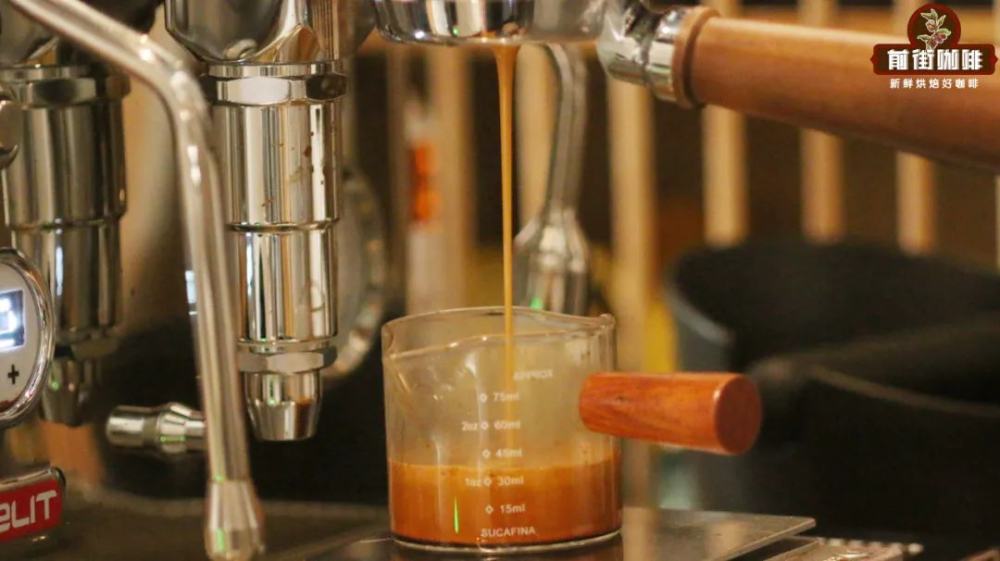
Is SOE popular simply because it tastes better? And why does it cost more than a standard espresso? FrontStreet Coffee takes a closer look at what SOE really is.
What Exactly Is SOE?
Now that SOE is everywhere, drinkers often measure it against espresso made from a blend. A common assumption is that because it comes from a single origin, it must be superior to a blend.
Coffee is an agricultural product, and its flavor shifts with terroir and weather from one year to the next. A single-origin bean can show its own character vividly, but it struggles to deliver consistent espresso year after year. That gap is exactly why blending exists: combining beans from different origins in set proportions yields a cup whose flavor stays stable over time.
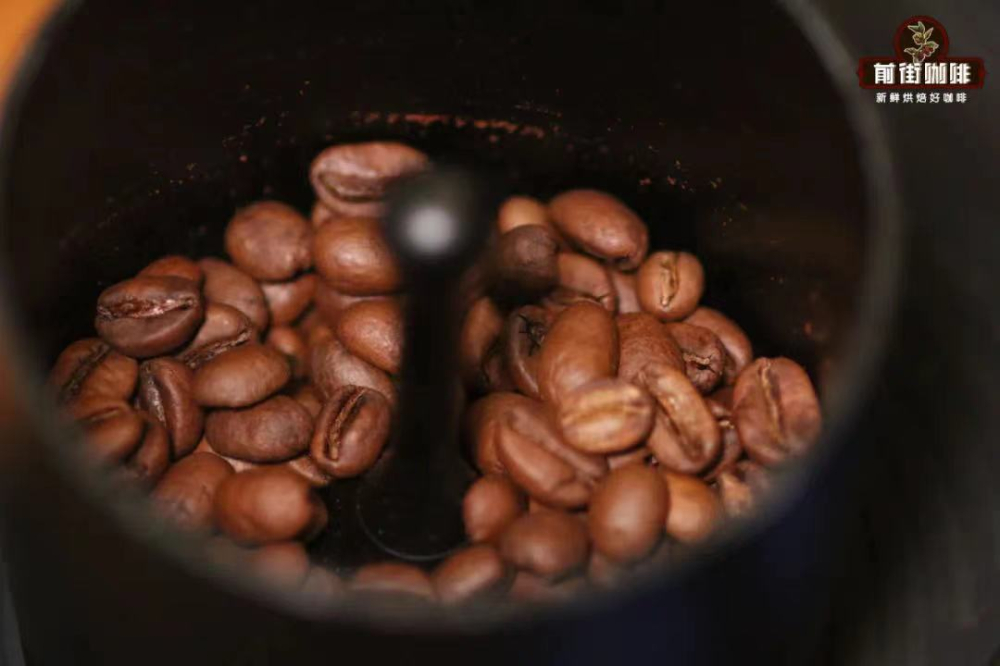
The main reason SOE costs more than a blend-based espresso is the price of the single-origin beans themselves, plus the extra coffee needed to dial in the grinder every day. To offset that, cafés usually add a surcharge.
At FrontStreet Coffee we don't believe SOE is automatically better than a conventional espresso, or the reverse. What matters is whether the person drinking it enjoys the cup. If you like lively, expressive coffee character, choose SOE. If you prefer a rich, mellow shot, a blend will serve you better.
About Espresso Blends
Traditional espresso has always been a blend. In Italy a single bag may hold several coffees, sometimes dozens. The great strength of blending is consistency: when one bean's quality slips, supply falls short or the price climbs, the roaster can swap in a comparable coffee without disturbing the overall flavor. Not surprisingly, some well-known roasters guard their blend recipes like trade secrets.

Blending itself comes in two forms. Raw blending means mixing green beans in the recipe's proportions and roasting them together. Post-roast blending means roasting each green coffee separately, then combining them in the set proportions.
All four espresso blends sold by FrontStreet Coffee use post-roast blending. When green beans differ widely in quality, roasting them separately gives better control over each batch. Post-roast blending also makes the proportions more precise, since every coffee loses a different amount of weight during roasting, and it is easier to adjust the ratio later. The trade-offs are obvious: a blend of 3 coffees means at least 3 roast batches, and matching their color values — their roast levels — takes real experience.

FrontStreet Coffee roasts its blends this way. While developing a recipe, the team keeps adjusting roast levels and ratios, then records the roast curves and the proportions once the cup is stable.
"FrontStreet Coffee - Sunny Blend Coffee Beans": Ethiopian natural-processed red cherry coffee (30%) + Honduras sherry-barrel coffee (70%), with rich wine aroma, vanilla cream, berry sweetness and acidity, and roasted nut notes.
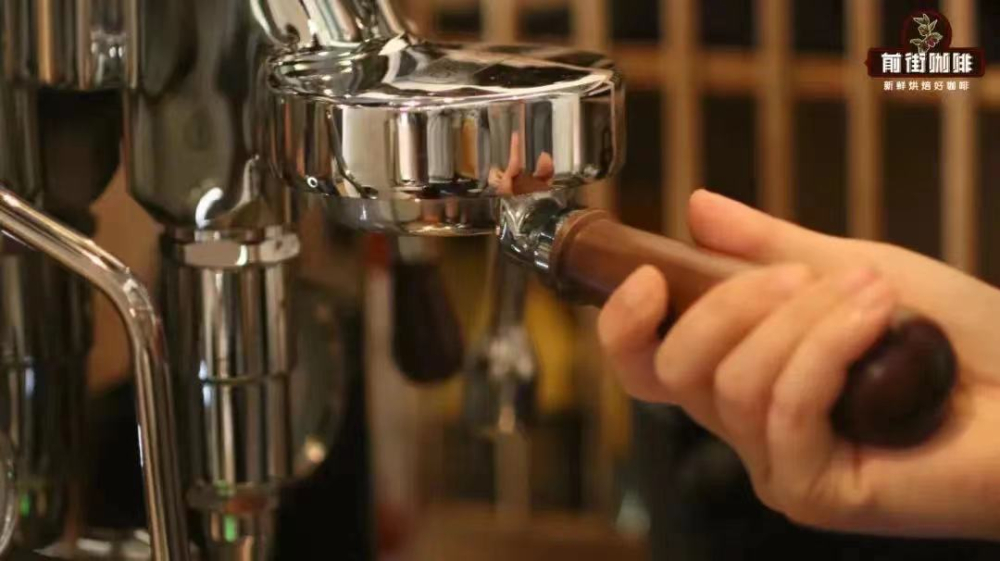
"FrontStreet Coffee - Specialty Blend Coffee Beans": Colombian washed coffee (30%) + Brazilian natural-processed coffee (70%), with nut, dark chocolate and caramel flavors.
"FrontStreet Coffee - Commercial Blend Coffee Beans": Robusta washed coffee (10%) + Colombian washed coffee (30%) + Brazilian natural-processed coffee (60%), with nut, cocoa and caramel flavors.
"FrontStreet Coffee - Basic Blend Coffee Beans": Yunnan washed small-bean coffee (30%) + Brazilian natural-processed coffee (70%), with mild fruit acidity, caramel and nut flavors.

SOE Coffee Bean Recommendations
For SOE, FrontStreet Coffee looks for beans with high flavor recognition. Using a single origin for espresso is really about letting espresso and milk drinks show that bean's inherent flavor. If a single origin is so subtle that most people can't pick out anything distinctive, a balanced, full-bodied blend is the better choice.
Don't chase stability in SOE. Coffee is a crop, and a single origin responds to weather and farming, so even beans from the same place vary from lot to lot. That variability is precisely what sets SOE apart from blends, which are built for consistency. If the same SOE at the same café tastes a little different on two visits, that's completely normal.
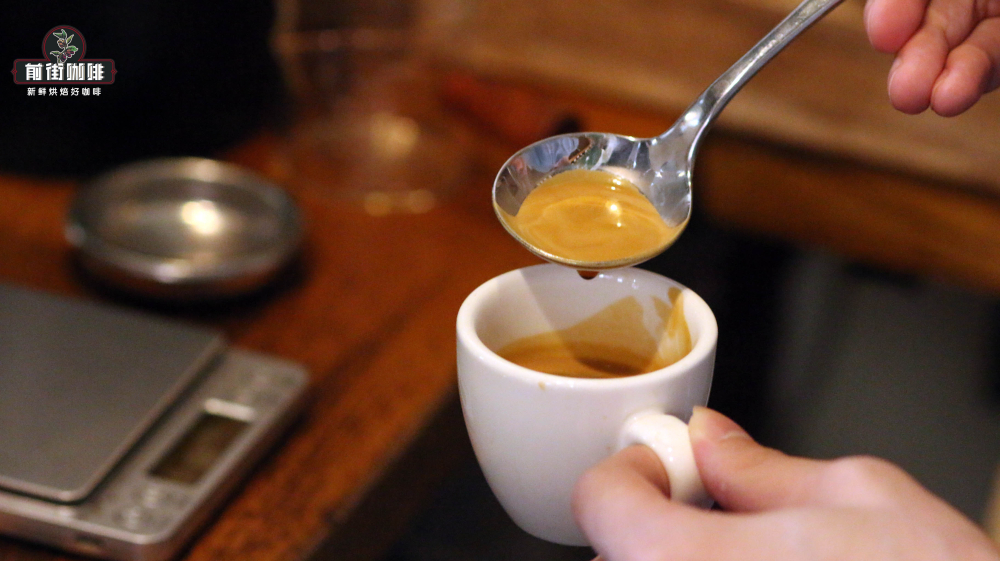
FrontStreet Coffee doesn't offer beans made specifically for SOE, but in the spirit of experimentation we've pulled SOE from every commercial bean we sell, and some single origins perform beautifully as espresso.
"FrontStreet Coffee - Honduras Sherry Coffee Beans": a medium roast that pours as SOE with rich fermented wine aroma, vanilla-cream smoothness and a caramel finish.
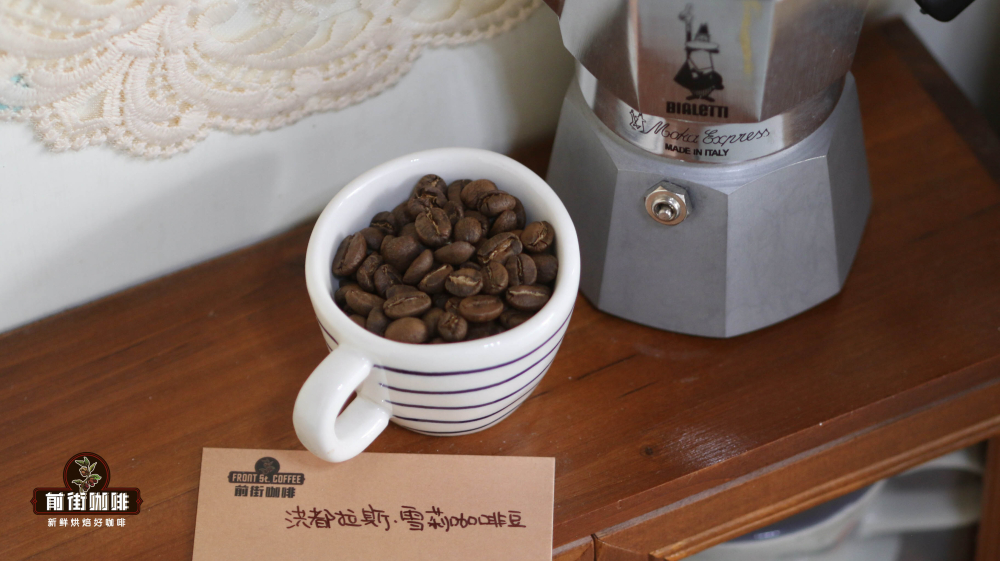
"FrontStreet Coffee - Costa Rica Strawberry Candy Coffee Beans": a medium roast that shows preserved-fruit sweetness, red floral notes and berry-like sweet acidity as SOE.
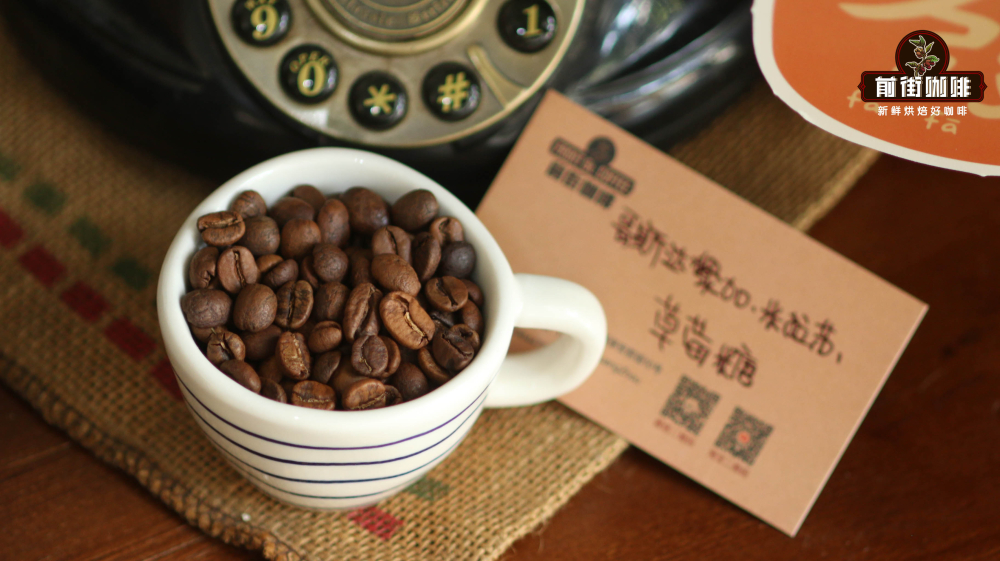
"FrontStreet Coffee - Costa Rica Mozart Coffee Beans": a medium roast that delivers raisin sweetness, subtle florals and berry-like sweet acidity as SOE.
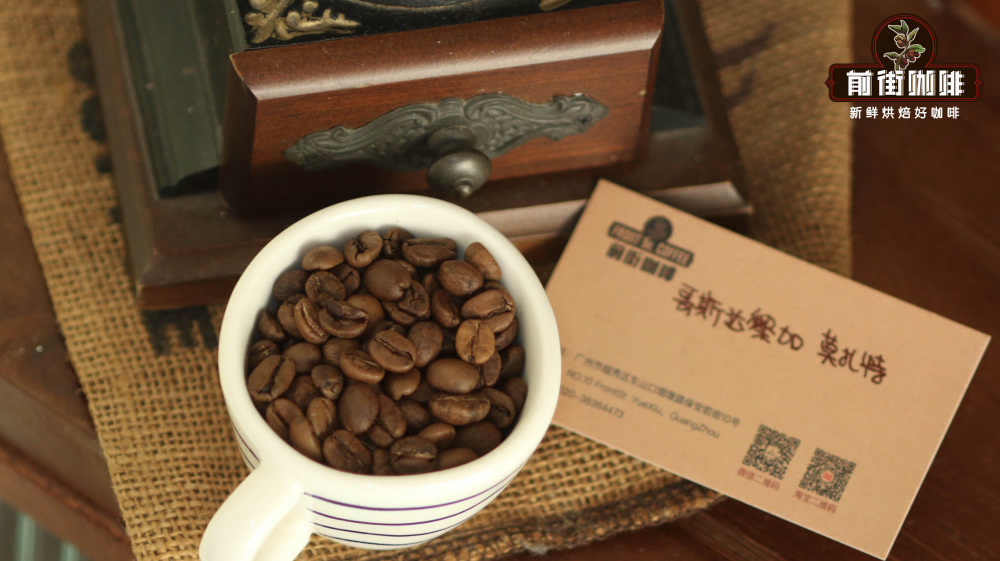
FrontStreet Coffee Recommendation
To hear what a single origin can do under pressure, start with FrontStreet Ethiopia Huakui SOE — a natural Sidamo Hambella bean served as an Americano, with cream strawberry, guava, dried mango, black tea and citrus, no bitterness, and a bright, juicy acidity. For a higher-toned, floral shot, FrontStreet Ethiopia Genlana Geisha SOE brings yellow florals, bergamot and fresh strawberry on the nose, then lime and fermented black grape over a medium body. Both are single-origin beans, so expect the character of the origin rather than the roundness of a blend. If you would rather keep a blend for milk drinks, FrontStreet Strawberry Candy Espresso Blend is a medium roast of Colombia, Costa Rica and Ethiopia, with rose, grape, dried blueberry, sweet orange and fruit-candy notes and a clean almond finish.
Important Notice :
FrontStreet Coffee is a long-established specialty coffee roaster in Guangzhou China, selling freshly roasted beans from its own farm in Yunnan as well as dozens of carefully selected single-origin beans from around the world for both pour-over and espresso. The products deliver consistently excellent quality and great value, with shipping within 24 hours. Guangzhou's FrontStreet Coffee shop is recommended by many coffee lovers, and the beans are now available online at the Tmall 。
FrontStreet Coffee has moved to a new address:
FrontStreet Coffee Address: 315,Donghua East Road,GuangZhou
Tel:020 38364473
 Scan and follow the En Gafei WeChat official account. Please indicate that the reprint comes from "En Gafei".