Why Use SOE Coffee Beans_Are SOE Coffee Beans Always Delicious_SOE Coffee Bean Price Report
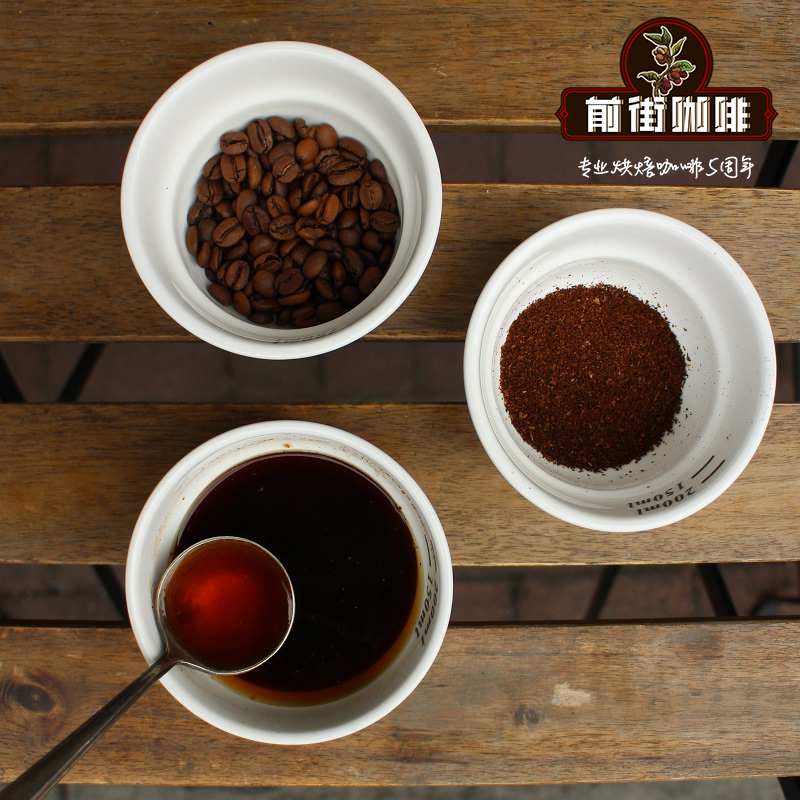
Understanding SOE: Single Origin Espresso
Order coffee at a cafe and the barista may ask whether you would like to try their SOE. The term stands for Single Origin Espresso, meaning espresso pulled from beans of a single origin.
In the past, single-origin coffee was less popular and coffee technology and flavor were less developed. There was no SOE, and the espresso beans a cafe used were blends, with the roaster choosing and combining coffees from different origins and flavor profiles, sometimes roasting them separately first, to build a seamless cup.
In recent years the single-origin idea has taken hold. Many cafes have added a single-origin option to the menu, and some have gone further with an SOE made from those beans. With its fresh concept, slightly higher price, distinct style and clear personality, SOE has even become the signature drink of some independent shops. That has led plenty of drinkers to assume SOE is more premium and tastes better than a traditional house blend. Is that actually true?
Blended Coffee Isn't Necessarily Inferior
Traditional espresso beans are made up of several coffees. In Italy a single bag can hold a handful, or even dozens, of different beans. Many people assume a blend must taste poor, imagining a mix of unknown origins, but a blend can also be built entirely from specialty coffee and taste excellent.
The biggest advantage of blending is stability. When one coffee changes quality, or when supply falls or prices rise, the roaster can swap in a similar bean without disturbing the overall cup. In choosing components and writing a recipe, a roaster first decides the target profile, how acidity, sweetness and bitterness should present and what body the espresso should carry. Most cafes develop their own signature blend, and its flavor need not lose to a single origin at all.
A common misunderstanding is that a blend's value lies only in the layers you taste in straight espresso. That hardly matters in a market dominated by milk coffee. Good blended beans should let a customer, whether drinking espresso, milk coffee or an Americano, clearly read the cafe's flavor design and its approximate structure. Both trained tasters and customers with no training should benefit from that quality; this is the spirit of specialty coffee.
SOE Isn't Necessarily Better
Single-origin coffee is the mirror image of the traditional blend: you drink the coffee of one region and appreciate what that region alone offers, gaining a range of distinct flavors rather than a fixed combination. SOE does not automatically mean specialty coffee, but if you choose a single origin with easily identifiable flavor as your SOE, you can build an espresso with a unique, typical character, such as the citrus of Yirgacheffe or the berries of Kenya. Because espresso amplifies flavor, those notes stand out more than they would in a pour-over.
For the same reason, a single origin's flaws are amplified too. Roasting and grind size both shape the result. Without high-quality beans, an SOE will not taste good, and its defects cannot be hidden. In practice SOE makes high technical demands at every stage, which is one reason it usually costs more than a standard espresso.
Ultimately SOE is simply a general term for espresso roasted from a single origin. It says nothing about variety, roast information or extraction method, and it guarantees no particular quality. Judging an SOE as good or bad in the abstract is meaningless, so an SOE is not necessarily better than a blend. To find an espresso that suits you, do not decide on single origin versus blend alone. Next time, ask the barista about the flavor and roast level of the beans, and keep tasting until you find your favorite.
Single Origin or Blend: How to Choose?
01 Purpose
For commercial use in restaurants or offices, blends are preferred, since they are less affected by weather and harvest problems and taste similar through all 365 days of the year. Single origins are more sensitive to environment and to brewing mistakes, so their flavor can shift from day to day. A distinctive blend helps a restaurant, hotel or cafe build an image. Most specialty cafes, of course, carry both blends and single origins.
02 Brewing Equipment
Equipment matters too. Semi-automatic and fully automatic espresso machines are usually fed blends, especially fully automatic machines; their grinder burrs are relatively ordinary and ill-suited to dense, light-roasted beans. If you have a pour-over kettle, a Clever Dripper or a siphon, then light to medium-roasted single origins are strongly recommended, since they let the coffee's own flavors through. With a blend the flavors become overly complex, and with a dark roast the bitterness easily overwhelms everything else.
03 Personal Preference
If you want a simple, traditional, consistent flavor, a good blend is the obvious first choice. If you want surprises and more unusual notes such as peach, pineapple or rose, then light to medium-roasted single-origin specialty coffee is the way to go.
FrontStreet Coffee Recommendation
If the argument above makes you want to taste an SOE, the FrontStreet Coffee range offers several very different directions. FrontStreet Huakui SOE is medium-roasted, and as espresso it shows red berries, a light floral note and orange, with citrus on the crema, a refreshing mouthfeel and elegant aroma that suit a Huakui Americano or a Huakui flat white. FrontStreet Genlana Gesha SOE is an Ethiopian Geisha from a farm near the Yirgacheffe area, naturally processed and bright in a pour-over, light in body with a tea-like finish; as an SOE Americano, berry acidity leads with the fermented aroma of ripe plum, and with milk it turns into peach, guava and black tea.
For a lower-acid, creamier shot, FrontStreet Queen's Estate SOE comes from high-altitude Brazil, where the wide day-night temperature difference lets the fruit develop more flavor precursors. Medium-dark roasted, it delivers thick nut, cream and peanut aromas and a chocolate finish rich in sweetness, with generous crema that carries well into milk drinks. FrontStreet Sidra SOE comes from the celebrated Huila region of Colombia, produced at Finca El Diviso near volcanic country; the ripe fruit is given a double anaerobic natural process and a medium roast, so the espresso shows blueberry juice, passionfruit, ripe grape and an apricot sweetness. FrontStreet PWN Golden Mandheling SOE sits at the other extreme, medium-dark roasted after three hand sorts and one machine sort, with spice, herbs, sandalwood and caramel and a full body that finishes on dark chocolate, while FrontStreet Yirgacheffe Red Cherry SOE is medium-roasted for a softer citrus acidity, cream chocolate and cookie aroma with no bitter aftertaste.
Because an SOE exposes everything the bean has, the brewing has to be deliberate. Dial the grind so the shot runs evenly rather than fast, since espresso magnifies both the sweetness and any defect, and keep the roast level in mind: medium roasts such as Huakui, Genlana and Red Cherry reward a gentler extraction, while a medium-dark lot like Golden Mandheling or Queen's Estate can take a longer, hotter pull without turning harsh.
Important Notice :
FrontStreet Coffee is a long-established specialty coffee roaster in Guangzhou China, selling freshly roasted beans from its own farm in Yunnan as well as dozens of carefully selected single-origin beans from around the world for both pour-over and espresso. The products deliver consistently excellent quality and great value, with shipping within 24 hours. Guangzhou's FrontStreet Coffee shop is recommended by many coffee lovers, and the beans are now available online at the Tmall 。
FrontStreet Coffee has moved to a new address:
FrontStreet Coffee Address: 315,Donghua East Road,GuangZhou
Tel:020 38364473
 Scan and follow the En Gafei WeChat official account. Please indicate that the reprint comes from "En Gafei".