How to Choose SOE Coffee Beans_Are SOE Coffees Light Roasted_SOE Coffee Bean Brand Recommendations
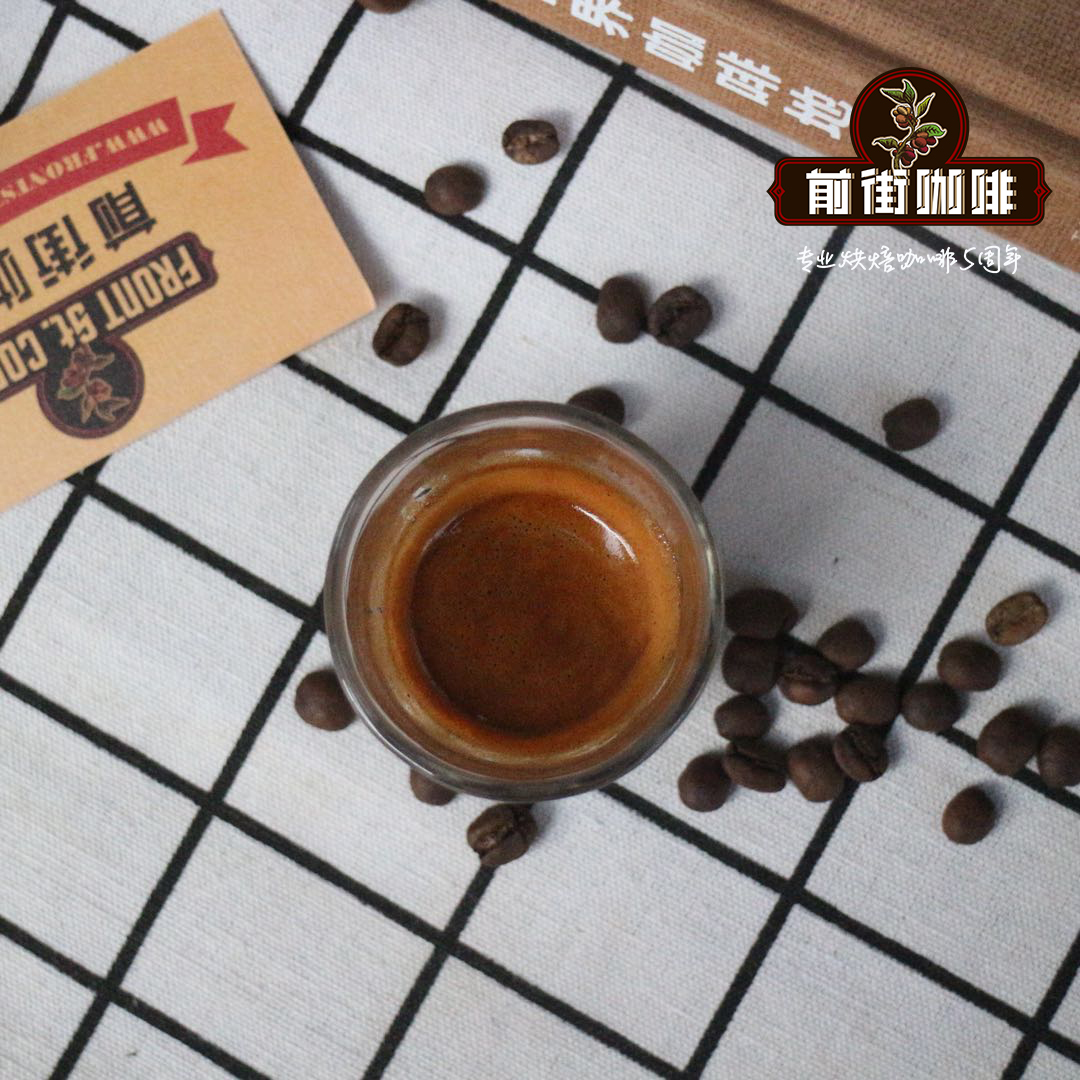
Understanding SOE (Single Origin Espresso)
SOE, short for Single Origin Espresso, shares one thing with single-origin coffee: both are made from beans of a single origin. Once those beans reach the roaster, however, the two take on very different jobs.
Differences in Brewing Methods
Single-origin coffee can be brewed in many ways, but the mainstream methods are pour-over and siphon, both working at normal pressure. If you had to rank them, pour-over single origin outsells the rest in most coffee shops — for good reason: it is quick to set up, easy to clean, and, above all, gives the brewer close control over flavor.
SOE, by contrast, is always produced on an espresso system, which adds the roughly 9 bar of pressure from the machine as another extraction variable. That single difference is one reason why single-origin coffee and SOE coffee are roasted to different profiles.
Evaluation Standards for SOE
If pressure were the only difference, the story would end there. It isn't. Because SOE is destined for the espresso machine, deciding whether a roasted bean makes a successful SOE is not just a question of cupping score — the resulting espresso also has to meet the production standards of a proper espresso.
In recent years, more and more competitors at the China regional preliminaries and finals of the World Barista Championship have chosen SOE beans. That shift reflects a pursuit of roasting craft first, and specialty coffee second. A bean suitable for SOE roasting has to possess a long list of excellent qualities. None of this means blended beans are inferior — nothing in coffee is that absolute.
Since 2007, when the debate was still whether single origin (SO) or a blend was superior, the conversation has moved on to how to select or configure espresso beans to score well. That shift is itself a sign of maturity among baristas and roasters. After Copenhagen in 2008 and Atlanta in 2009 in particular, the reference espresso beans available have become far more diverse.
Choosing Beans for Competition
First, a word on SO. Whether to compete with a single origin or a blend is purely a choice. The beans a competitor uses depend on the following:
(1) How well do you understand the bean's character? Can you express its flavor profile clearly?
(2) How stable is the roast? This covers three conditions: green bean quality, roasting stability and performance, and the maturation period.
(3) Competition planning: will you use one espresso bean to make three different beverages, or plan separately for different drinks (meaning two competition beans)?
WBC Competition Standards
Look at the WBC competition rules. Since 2008 in particular, sensory scores have carried heavy weight. In the espresso evaluation there are four key points: (1) the color of the crema, which should be hazelnut, dark brown and/or reddish; (2) the consistency and persistence of the crema; (3) taste balance, meaning a harmonious balance of sweetness, acidity and bitterness; and (4) tactile balance, meaning full-bodied, round and smooth. In taste balance, the espresso must present a very even, harmonious interplay of sweet, sour and bitter. At the same time, in tactile balance it must feel smooth and round. Only then can you score at least 3.5 points or above in the espresso evaluation.
The WBC's JCC technical committee noticed the trend toward single-origin beans starting in 2006. From the 2007 training camp in Tokyo and the 2008 Copenhagen training camp, they specifically asked judges to note: "Barista may use single origin coffee, and the coffee may lack one of the three attributes" — referring to acidity, bitterness and sweetness. In other words, evaluation should follow the competitor's description of the estate bean's character, origin and espresso mouthfeel. Judges and the technical committee clearly understand SO espresso well and tolerate it generously. Even so, the basic requirements for a high score — balanced flavor, appeal and excellence — remain unchanged.
Important Considerations for SO
Competitors should not read that tolerance as permission to serve something very sour or intense. Using single-estate beans such as Yirgacheffe or Panama Geisha for espresso will not automatically score high — in fact, that is risky. Any espresso without sweetness, that is too stimulating, that has a one-dimensional flavor, or that resembles vinegar with only salty-sour sensations, will receive very low or even zero points.
Single-origin or single-estate beans may look like they leave a bigger margin for error and are easier to prepare at first glance, but the final cup still decides the score. Competitors and their teams must therefore be genuinely able to discern espresso flavors. Some single-estate beans work both ways — good as espresso and as cappuccino. Whether they also suit a creative beverage depends on the creative theme and the flavor you want to express.
Understanding SO Limitations
(1) How does it taste as a cappuccino? Once you have picked an SO that pulls an excellent espresso, is it also suitable as a cappuccino bean, or does the milk overwhelm it?
(2) Stability. Watch how the flavor changes through the maturation period. Is the sweet spot wide enough for the barista? Will it be hard to adjust? How does the crema perform? Some SOs taste outstanding but pour a crema that is too thin, which will not score well in tactile balance. This matters a great deal, and it takes repeated consultation with the roaster, trial roasts and flavor testing to resolve.
FrontStreet Coffee Recommendation
When the question is what to roast for espresso, two Ethiopian lots answer it well. FrontStreet Ethiopia Huakui is a natural Sidamo Hambella bean whose tropical fruit is so forward — strawberry, passion fruit, jackfruit, even lychee — that it drinks like juice, with low bitterness and obvious sweetness; it is the classic bean for showing what an SOE can do. For a more floral, tea-like cup, FrontStreet Yirgacheffe Gedingding brings bright citrus and berry acidity with jasmine and a green-tea finish, honest single-origin character that stays clean on the palate. Both reward a careful brew: grind medium-fine and let the origin speak rather than masking it with milk.
Important Notice :
FrontStreet Coffee is a long-established specialty coffee roaster in Guangzhou China, selling freshly roasted beans from its own farm in Yunnan as well as dozens of carefully selected single-origin beans from around the world for both pour-over and espresso. The products deliver consistently excellent quality and great value, with shipping within 24 hours. Guangzhou's FrontStreet Coffee shop is recommended by many coffee lovers, and the beans are now available online at the Tmall 。
FrontStreet Coffee has moved to a new address:
FrontStreet Coffee Address: 315,Donghua East Road,GuangZhou
Tel:020 38364473
 Scan and follow the En Gafei WeChat official account. Please indicate that the reprint comes from "En Gafei".