Introduction to Flavor Characteristics of SOE Single Origin Coffee Beans: Differences and Taste of Brazilian SOE Coffee Beans vs. Pour-Over Coffee Beans
SOE Does Not Equal Good
SOE does not equal specialty coffee.
SOE does not equal delicious.
SOE does not equal high quality.
SOE does not equal better than traditional espresso.
As specialty coffee culture has spread, more and more coffee consumers have come to recognize that quality beans can showcase the unique flavor of their growing regions. So many coffee shops, whether for pour-over or espresso, use single-origin beans to highlight exactly that.
As a result, many people assume that anything made from single-origin beans is specialty coffee, with better quality and guaranteed deliciousness. That is actually not the case. Coffee is an agricultural product, and its flavor is affected by terroir and climate each year, so flavors vary from one crop to the next.
Even within the same growing region, coffee's flavor performance can be unstable, and different extraction methods further change how that flavor is expressed.
So when a single-origin bean is made into pour-over, the large extraction ratio tends to give a relatively balanced, just-right overall taste. Under the pressurized, high-temperature extraction of an espresso machine, however, the smaller ratio and higher concentration make it easy for the coffee to express its negative or deficient aspects.
FrontStreet Coffee used Yellow Bourbon beans from Queen's Farm in Mogiana, Brazil, grown at an altitude of 1400-1950m, for a comparison between pour-over and espresso extraction.

Yellow Bourbon grown at high altitude performs beautifully, typically featuring nuts and chocolate, with balanced, smooth acidity, a weak and clean bitterness, and an overall bright, refreshing character.
To let this bean express a mellow flavor, FrontStreet Coffee used a medium-dark roast. After cupping comparison, FrontStreet Coffee's Brazil Queen's Farm beans show a rich chocolate aroma and nutty flavors along with a sucrose-like sweetness, a bright and mellow flavor, and a smooth, delicate texture.
Pour-over Coffee Parameters
Kono filter cup, 88°C water temperature, 1:15 coffee-to-water ratio, 15g coffee weight, grind size: white sugar granules (70% pass-through rate on the #20 standard sieve).
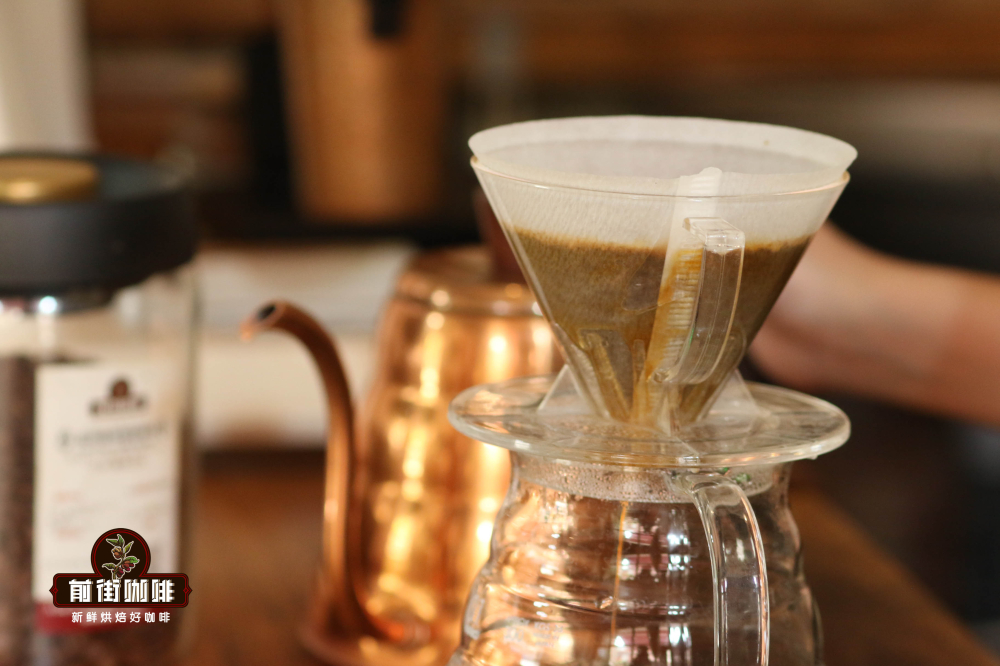
Using a three-stage pouring technique: first stage, inject 30g of water for blooming, blooming time 30 seconds. Second stage, inject water to about 125g, then wait for the coffee liquid to drop. When it drops to halfway, inject the final stage of water to 225g. End the extraction after all the coffee has dripped through. Total extraction time is generally around 2 minutes and 10 seconds.
Pour-over Brazil Queen's Farm Coffee Bean Flavor
Fresh sweetness of sugarcane juice, black tea, soft and pleasant fruit sweetness, distinct nutty flavors, balanced and smooth acidity, weak and clean bitterness, containing rich chocolate aroma and nutty flavors.
Espresso Extraction Parameters
Espresso machine, 94°C water temperature, 10bar extraction pressure, 20g coffee weight, very fine grind, total extraction time 25 seconds.
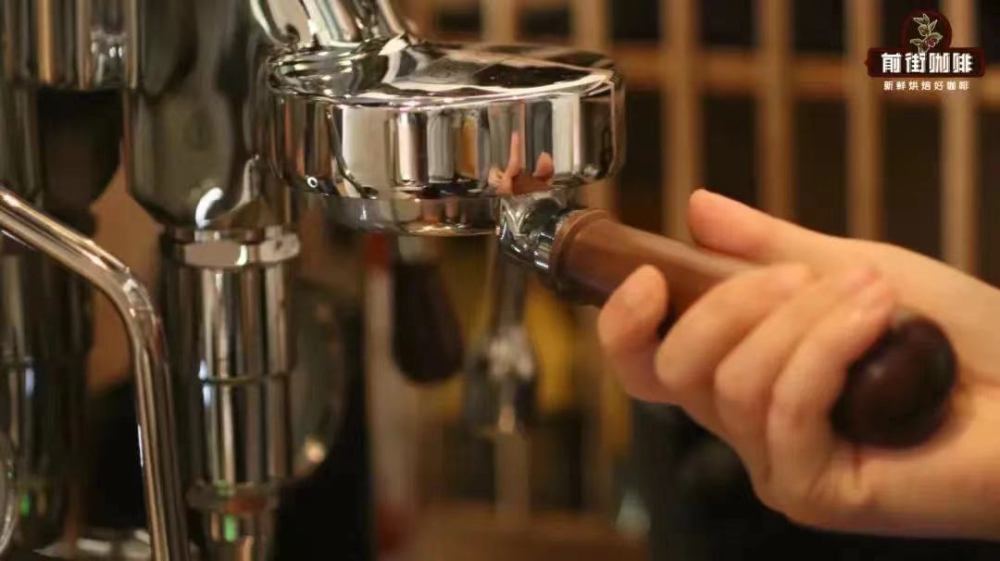
Brazil Queen's Farm SOE Flavor
Rich roasted peanut aroma, with a slight astringency from the peanut skin. The overall mouthfeel is not solid enough, with lower body thickness and a slightly thin taste.
From this comparison experiment, we can see that not all single-origin beans produce delicious espresso, and their stability is not as strong as blended beans.
The nutty and caramel characteristics of Brazil's coffee beans, however, make them very suitable as the base flavor for espresso blends. That is why, among the espresso blend beans currently sold by FrontStreet Coffee, three varieties use Red Bourbon coffee beans from Brazil's Cerrado region as the main character, enriching the coffee's flavors to different degrees by blending beans from different regions.
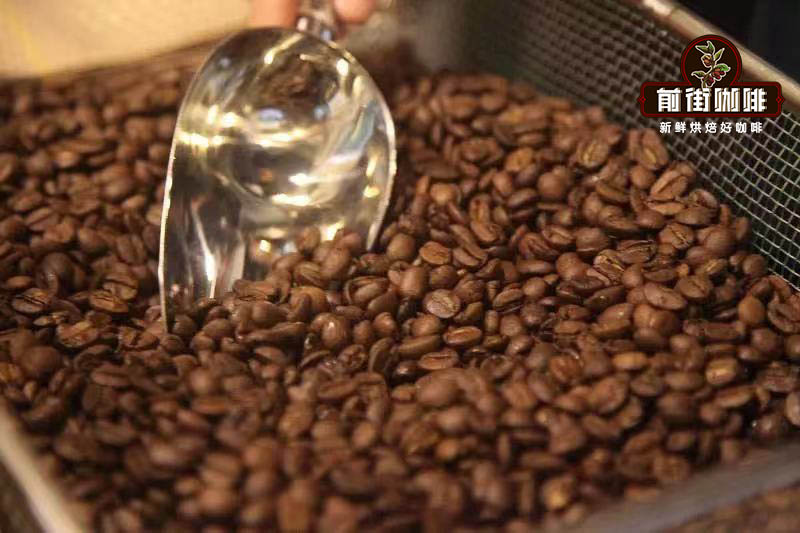
FrontStreet Coffee - Specialty Blend Coffee Beans
An espresso bean focused on nutty aroma. Composed of Colombian washed coffee beans (30%) and Brazilian semi-dry processed coffee beans (70%), featuring nutty, dark chocolate, and caramel flavors.
FrontStreet Coffee - Commercial Blend Coffee Beans
An espresso bean focused on body thickness. Composed of Robusta washed coffee beans (10%), Colombian washed coffee beans (30%), and Brazilian semi-dry processed coffee (60%), featuring nutty, cocoa, and caramel flavors with high body thickness.
FrontStreet Coffee - Basic Blend Coffee Beans
An espresso bean with slight acidity and a mellow body. Composed of Yunnan washed small bean coffee (30%) and Brazilian semi-dry processed coffee beans (70%), featuring soft fruit acidity, caramel, and nutty flavors.
FrontStreet Coffee Recommendation
If you want a classic taste of the Brazil region, FrontStreet Brazil Cerrado Red Bourbon is a wonderful single origin. From the well-known Cerrado region and using the semi-washed process, this Red Bourbon lands at a medium roast with creamy peanut, toast, caramel, and hazelnut aromas, a rounded body, low acidity, and a light bitter note. It works for pour-over and equally well in a moka pot, an espresso SOE, a siphon, or a French press.
For the Yellow Bourbon variety featured here, FrontStreet Brazil Queen's Farm comes from Mogiana, close to South Minas, where fertile red volcanic soil feeds the fruit. The rare Yellow Bourbon, a natural mutation of Red Bourbon, brings a cleaner fruit character and a sugarcane sweetness, along with fruit and chocolate notes that other regions cannot match.
And to see how Brazil anchors a blend, FrontStreet Specialty Blend is built the classic way, from Colombian washed beans (30%) and Brazilian semi-dry beans (70%). Brazil's low acidity, balanced body, and approachable price make it the first choice for many espresso recipes, delivering chocolate and cream aromas alongside a soft sweet-bitter balance that keeps extraction stable, which is why this Brazilian base appears in FrontStreet's specialty, commercial, basic, and Black Cocoa blends alike.
Important Notice :
FrontStreet Coffee is a long-established specialty coffee roaster in Guangzhou China, selling freshly roasted beans from its own farm in Yunnan as well as dozens of carefully selected single-origin beans from around the world for both pour-over and espresso. The products deliver consistently excellent quality and great value, with shipping within 24 hours. Guangzhou's FrontStreet Coffee shop is recommended by many coffee lovers, and the beans are now available online at the Tmall 。
FrontStreet Coffee has moved to a new address:
FrontStreet Coffee Address: 315,Donghua East Road,GuangZhou
Tel:020 38364473
 Scan and follow the En Gafei WeChat official account. Please indicate that the reprint comes from "En Gafei".