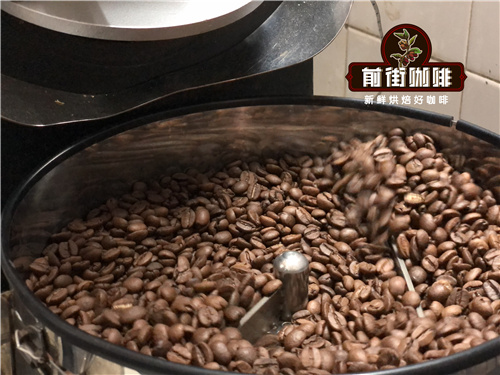
Which Coffee Beans Are More Acidic_Acidity Coffee Bean Growing Regions Recommendations_How Much Do Acidic Coffee Beans Cost Per Bag
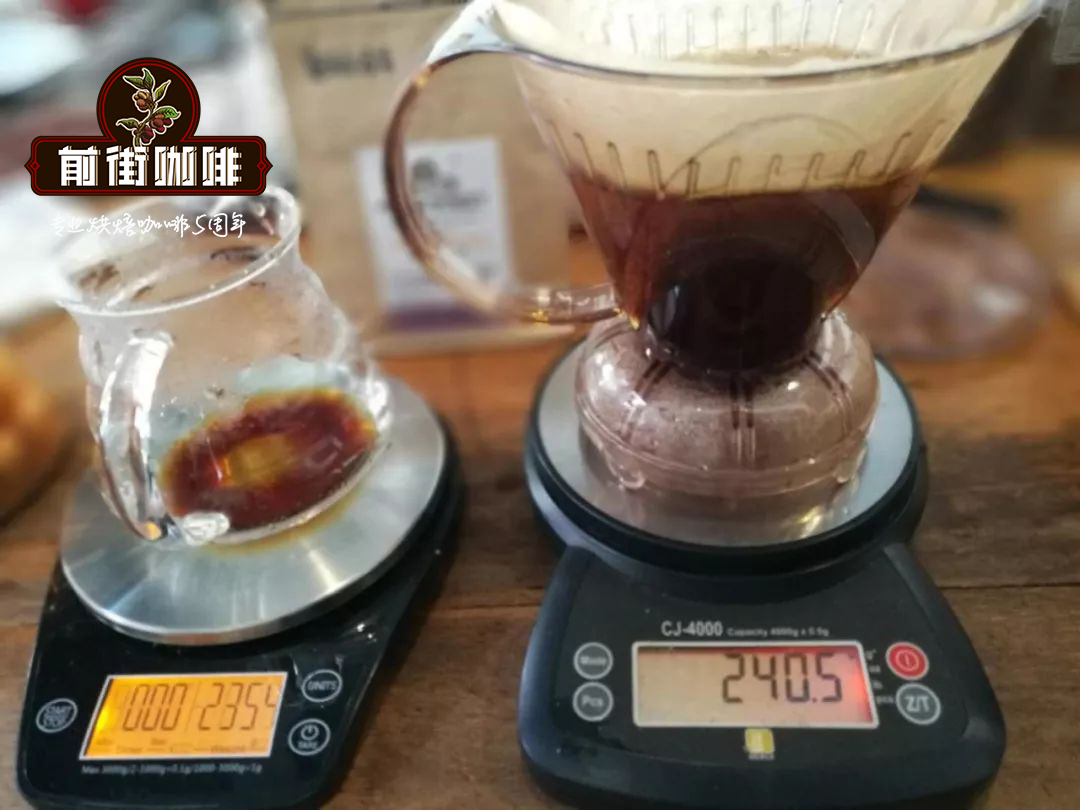
Understanding Acidity in Coffee
Many people dislike acidity in coffee, preferring a rich, even strong cup. But if you want to become a coffee connoisseur, the key to entry is understanding acidity. It must be said that more acidic does not mean better. The sweet and acidic compounds in coffee are what give it complexity. Some coffees are so acidic they make you pucker, scoring very low in professional cupping; others carry a comfortable, rounded acidity that combines with sweetness and earns higher scores.
The Acidity of Coffee
Raw coffee beans contain sour-tasting compounds such as citric acid, malic acid, quinic acid and phosphoric acid. Yet these are not the source of the acidity we taste in the cup - the acids created during roasting are.
Once green beans are roasted, their components react chemically and form new acids. The most representative reactions are the breakdown of chlorogenic acids into quinic acid, and the breakdown of oligosaccharides into volatile formic and acetic acids.
What Makes Coffee's Acidity Appealing?
First, acidity depends both on the green beans themselves and on the degree of roasting. Certain African coffees in particular have a soft, bright acidity - like sweetness and silky smoothness. Combined with some lively acidity, they taste full-bodied with a rich mouthfeel. Other coffees have a very stimulating, sharp acidity that belongs to the extreme end of the spectrum.
If a cup of coffee offers nothing but bitterness or sourness with no other flavors, it is a poor coffee. There is an essential difference between acidity and astringency. Acidity is felt as salivation along the lower sides of the middle and back of the tongue after drinking. Astringency is a numbing, rough feeling on the tongue's surface, throat and palate - like drinking coffee through gauze.
Astringency is an undesirable taste in coffee, a defect traceable to the green beans, the roast, or even the preparation. A good coffee should never be bitter and astringent.
For example, we praise African beans for their "bright acidity" or "fruity acidity." Pleasant acidity gives coffee richer meaning.
Quality Categories of Acidity
Poor quality: rotten acidity, sharp acidity, puckering acidity, vinegar-like acidity.
High quality: fruity acidity, fresh acidity, rounded acidity, soft acidity.
Coffee Beans with Acidity Come Mostly from Africa
Flavor Characteristics: Captivating Fruity Acidity
African bean flavors: Ethiopian coffee has strong citrus aromas, while Kenyan coffee shows rich berry aromas along with the tart fragrance of plum juice and grapefruit and the sweet scent of sugarcane. Ethiopia's citrus and Kenya's berries are the greatest characteristics of African beans, and what fascinates coffee lovers most.
The general traits of African coffee are rich aroma and captivating fruity acidity. Their bright acidity is lively and refreshing, though African coffee often lacks somewhat in body, and sweetness is not always prominent. Because of drought and water scarcity on the continent, natural sun-drying is often used to process the beans, so bean shapes are frequently uneven and defect rates higher.
Recommended Acidic Coffee Beans
FrontStreet Coffee roasts a range of bright, acidic coffees, including washed Yirgacheffe and Kenyan AA, among others - all backed by solid sourcing and quality.
FrontStreet Coffee Recommendation
Roasting determines the final balance of acidity, sweetness and bitterness: the darker the roast, the more bitter and heavy the cup; the lighter, the more acidic and delicate. So if this article's bright African acidity is not quite your style, the balanced middle path is a medium-roasted bean. FrontStreet Coffee's Brazil Fazenda Rainha - a yellow Bourbon from the world's largest coffee-producing country - offers gentle sweetness of creamed peanut, chocolate, toast and sugarcane with barely a hint of acidity, working equally well for pour-over, moka pot and espresso.
For a medium roast that keeps a fruity lift, the FrontStreet Strawberry Candy Gesha Blend marries honey-processed Costa Rica with washed Panama Gesha, showing orange-blossom honey notes and a rounded sweetness in cold brew, pour-over or espresso. The FrontStreet 2013 Sun-Dried Typica brings the classic balanced character of Yunnan Arabica - nuts, brown sugar, black tea and dried apricot - at remarkable value, and the medium-roasted FrontStreet Jamaica Blue Mountain No.1 fuses acidity, bitterness, sweetness and body into that famously elegant harmony of chocolate, roasted nuts, cream and caramel. Together they cover the full range from fruit-forward brightness to mellow balance.
Important Notice :
FrontStreet Coffee is a long-established specialty coffee roaster in Guangzhou China, selling freshly roasted beans from its own farm in Yunnan as well as dozens of carefully selected single-origin beans from around the world for both pour-over and espresso. The products deliver consistently excellent quality and great value, with shipping within 24 hours. Guangzhou's FrontStreet Coffee shop is recommended by many coffee lovers, and the beans are now available online at the Tmall 。
FrontStreet Coffee has moved to a new address:
FrontStreet Coffee Address: 315,Donghua East Road,GuangZhou
Tel:020 38364473
 Scan and follow the En Gafei WeChat official account. Please indicate that the reprint comes from "En Gafei".