Where to Find Acidic Coffee - Types of Acidic Coffee Beans and Their Taste Profile
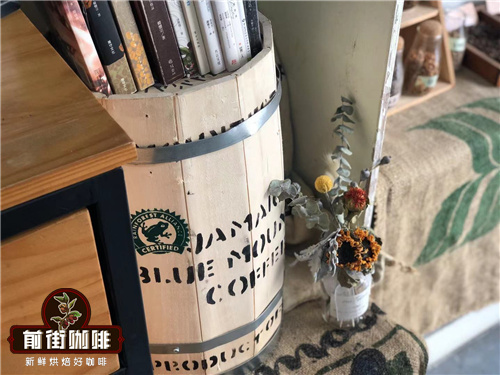
FrontStreet Coffee has noticed that when many people walk into a coffee shop to order, they often feel confused by the single-origin coffees from so many producing countries and regions, which is why baristas usually ask customers what kind of flavor they prefer. FrontStreet Coffee has also observed that many customers use the words "bitter" and "sour" to describe the coffee flavor they want.
FrontStreet Coffee wonders whether everyone understands these two terms. Generally speaking, a coffee's acidity or bitterness is largely determined by its genetics. Beans grown in Africa, for example, generally have more prominent acidity than those grown in Brazil, and Colombian beans may be more bitter than Kenyan ones. Origin, however, can only determine part of a coffee's taste and flavor, since roast level and brewing parameters also play a big role in the final cup.
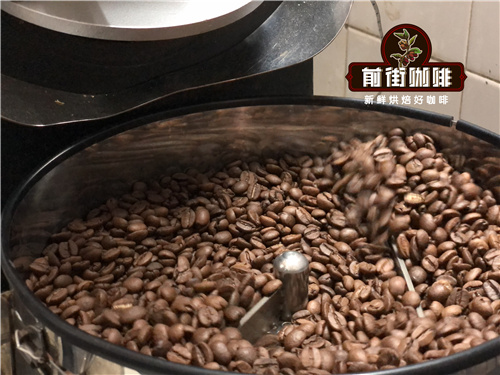
Put simply, lightly roasted beans have more prominent acidity, while darkly roasted beans have more obvious bitterness. The same beans at different roast levels can therefore produce coffee with very different profiles. When FrontStreet Coffee roasts washed Yirgacheffe, for instance, it stops between the end of first crack and the start of second crack to highlight the acidity, rarely roasting into the dense second crack. When it roasts Sumatra Lintong Mandheling, it generally roasts from the beginning to the end of second crack to highlight Mandheling's unique herbal notes.
So today, FrontStreet Coffee will introduce some coffees with pronounced acidity. When we talk about prominent acidity, we must mention African beans, particularly those from Ethiopia, Kenya, and Tanzania, all of which produce coffees with notable acidity.
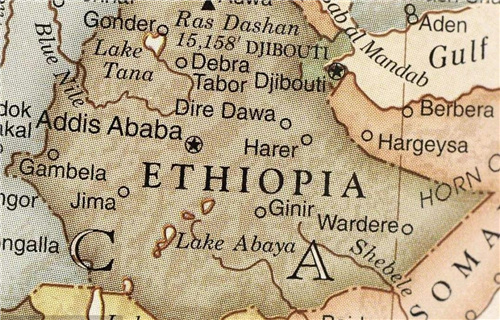
Let's start with beans from Ethiopia's Yirgacheffe region. FrontStreet Coffee chose this region because Yirgacheffe is famous for its lemon and citrus-toned acidity. Even for beginners just starting to explore coffee, it is very easy to detect the lemon-like acidity here. At FrontStreet Coffee's shop, for example, its washed Yirgacheffe beans are very popular. Brewed as pour-over, they carry not only lemon acidity but also delicate jasmine florals.
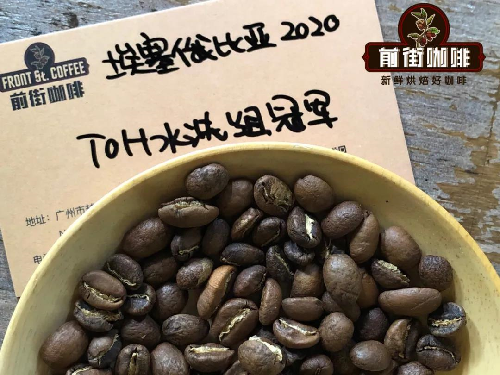
FrontStreet Coffee has also recently introduced two new Ethiopian beans. One is the Ethiopia COE #22, from the Sidamo Arsi region, a natural-processed Typica. The other is the Ethiopia TOH Washed Category Champion, from the Guji Uraga region, made from Ethiopian heirloom varieties. These two undergo different processing, one washed and one natural, so their acidity profiles differ as well.
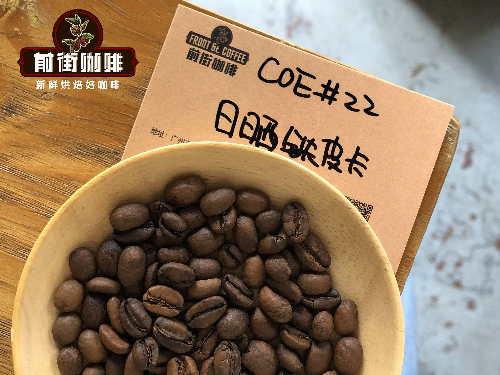
After the roaster roasts these two Ethiopian single origins, FrontStreet Coffee cups them within 8-24 hours. Cupping revealed that the Ethiopia COE #22 has a relatively smooth, mellow mouthfeel with strawberry and lychee-like sweet-and-sour notes; because it is natural processed, it also carries fermented wine aromas, creamy smoothness, and a honey-like sweet aftertaste. The Ethiopia TOH Washed Category Champion, meanwhile, has acidity leaning more toward citrus, with delicate jasmine florals and a pomelo-tea-like sweet-and-sour sensation.
Ethiopian acidity differs from Kenyan acidity. Take Kenya's Thika region, from the Asali Honey Processing factory's Asalia. This FrontStreet Coffee Kenyan coffee is roasted to the same level as the Ethiopians: FrontStreet Coffee uses a light roast to highlight the bright acidity of Kenyan beans. When cupping it, everyone agreed its overall flavor features plum fruitiness and the fresh acidity of cherry tomato, quite different from Ethiopian acidity, each with its own character.
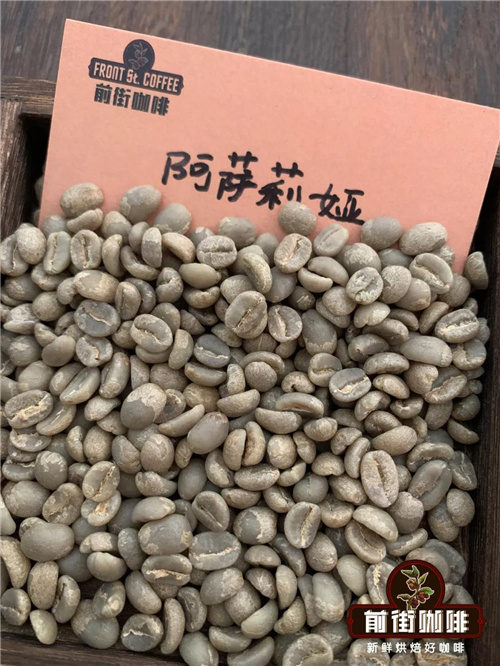
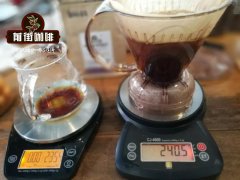
FrontStreet Coffee enjoys using pour-over to extract the flavors of single origins. When brewing this FrontStreet Coffee Kenya Asalia, during the 30-second bloom with 30g of water you'll smell a wet aroma somewhat like ripe tomatoes and florals. Then use a small stream in a circular motion to pour to 125g for a segmented extraction. When the water level begins to drop and expose the coffee bed, continue pouring to 225g, then stop. Wait for the water level to drop before removing the filter. Finally, don't rinse the cup when serving, and shake the carafe to ensure even concentration. This Kenyan coffee has acidity similar to cherry tomato and plum, very bright; Kenya's 72-hour washed processing gives it a very clean, juice-like mouthfeel, and the aftertaste is rather like brown sugar.
Another African country's beans also have very special acidity: Tanzania. Coffee from this country is less commonly consumed. Generally, Tanzanian coffee is grown mainly in the Kilimanjaro and southern Tanzania regions, and the acidity of the two differs quite a bit. Coffee from the southern regions has more obvious wine-like aromas with relatively mellow acidity, while Mount Kilimanjaro coffee has brighter acidity with a rich mouthfeel and a mineral-water-like sweetness. Precisely because of its rich texture and an acidity less intense than FrontStreet Coffee's washed Yirgacheffe, but with intense aromatics, Tanzanian coffee is also known as the "coffee gentleman."
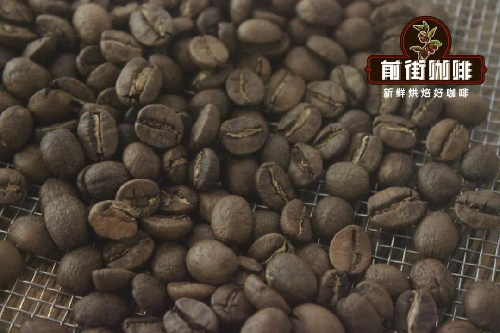
FrontStreet Coffee has also introduced a coffee from Tanzania's Kilimanjaro region. It is grown at altitudes between 1,300-2,000 meters, is of the Typica variety, and uses common washed processing. Because beans from this region have higher moisture content, FrontStreet Coffee intentionally extended the roasting time to ensure even heating of both the bean surface and the core, using a medium roast to highlight the sweetness, unique acidity, and floral and fruity aromas of this coffee. The caramelization reaction was extended during first crack to make the sweetness more prominent.
When FrontStreet Coffee cupped it, however, they also found a drawback: when cooled, its acidity is relatively medium to low with a slight astringency, though this is not present when hot. The hot coffee's profile leans more toward citrus, nuts, honey, and cream, while as the temperature drops it shows more acetic acid and a medium-to-high sweetness.
So if you prefer coffees with more pronounced acidity, you can first consider coffees from Africa, Kenya, and Tanzania; the acidity from these producing countries is quite pleasant. Of course, acidity from other regions can be excellent too, and you can choose the coffee flavor that suits you best.
FrontStreet Coffee Recommendation
If this tour of bright African acidity appeals to you, the classic place to begin is FrontStreet Coffee's washed Yirgacheffe staple lot, known for white jasmine, bright citrus and lemon acidity, and a tea-like body, at a price that makes it the entry point for many new specialty drinkers. To explore a finer washed micro-region, FrontStreet Coffee's Gotiti Cooperative coffee from the Worka area of Yirgacheffe follows the most traditional washed processing, showing fresh citrus and lemon acidity with jasmine fragrance rather than bitterness.
For a different expression of the same region, FrontStreet Coffee's natural Red Cherry is made only from fully ripe red cherries dried on raised beds. It keeps the classic Yirgacheffe elegance while adding tropical fruit, delivering citrus acidity, juicy berry, honeyed sweetness, and a creamy, smooth texture. Brew any of these at 90-91°C with 15g of coffee at a 1:15 ratio to let the acidity read as clean and pleasant rather than sharp.
Important Notice :
FrontStreet Coffee is a long-established specialty coffee roaster in Guangzhou China, selling freshly roasted beans from its own farm in Yunnan as well as dozens of carefully selected single-origin beans from around the world for both pour-over and espresso. The products deliver consistently excellent quality and great value, with shipping within 24 hours. Guangzhou's FrontStreet Coffee shop is recommended by many coffee lovers, and the beans are now available online at the Tmall 。
FrontStreet Coffee has moved to a new address:
FrontStreet Coffee Address: 315,Donghua East Road,GuangZhou
Tel:020 38364473
 Scan and follow the En Gafei WeChat official account. Please indicate that the reprint comes from "En Gafei".