Colombian Huila Coffee Region - History, Flavor, and Characteristics of Colombian Coffee Beans
Finding Your Favorite Coffee Origin: The Terroir Question
What's your favorite coffee-growing region? Do you think terroir shapes a coffee's flavor? FrontStreet Coffee's baristas field these questions constantly at the counter. Faced with a long list of origins, customers naturally want to order a cup they'll love, so they grill us about where each bean comes from - and they often try to find the best-tasting coffee by asking what the barista personally prefers.
The Beauty of Diverse Coffee Preferences
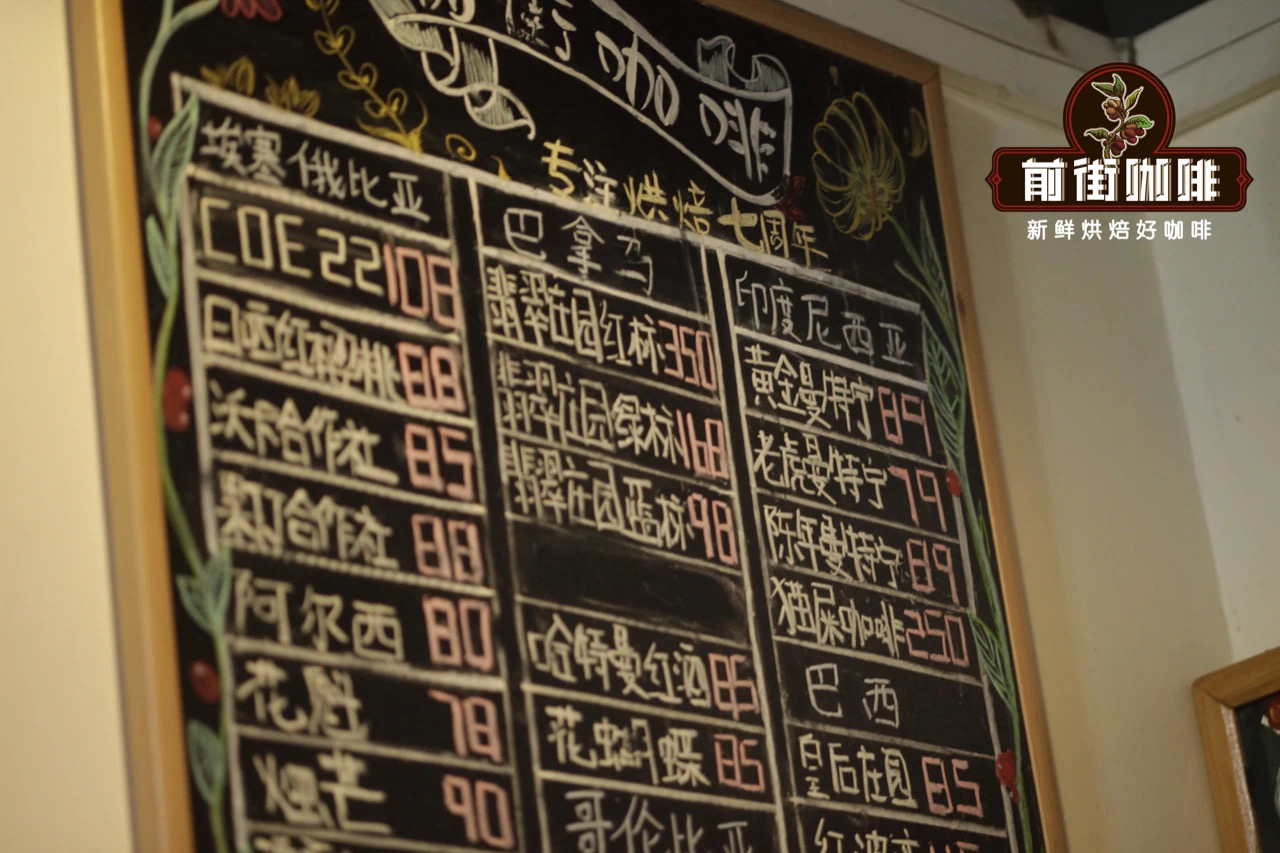
The truth is, everyone's palate is different - and that goes for the FrontStreet Coffee team too. Some of us love the delicate florals and citrus of Panamanian coffee; some are passionate about the sense of history in Ethiopia's most traditional, ancient processing methods; others enjoy how Asian coffees perform with low acidity and rich body.
FrontStreet Coffee's Commitment to Regional Diversity
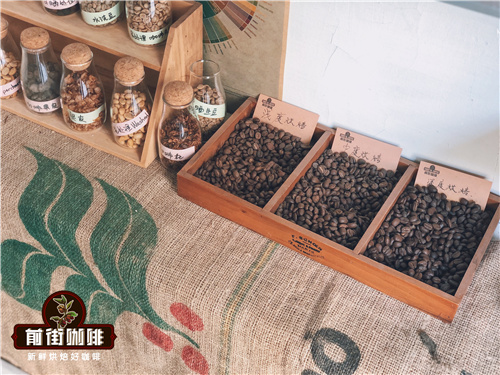
Every growing region has its own signature. To help everyone experience the full spectrum of world coffee, FrontStreet Coffee invests heavily in green bean selection every year, hunting down the most representative beans each origin has to offer. That's why we curate dedicated beans for each growing region - and today we'd like to share a treasure of a coffee country with you: Colombia. Han Huaizong likewise noted in his book "Specialty Coffee" that Colombia's coffee-growing conditions are exceptionally advantageous.
Colombia: A Global Coffee Powerhouse
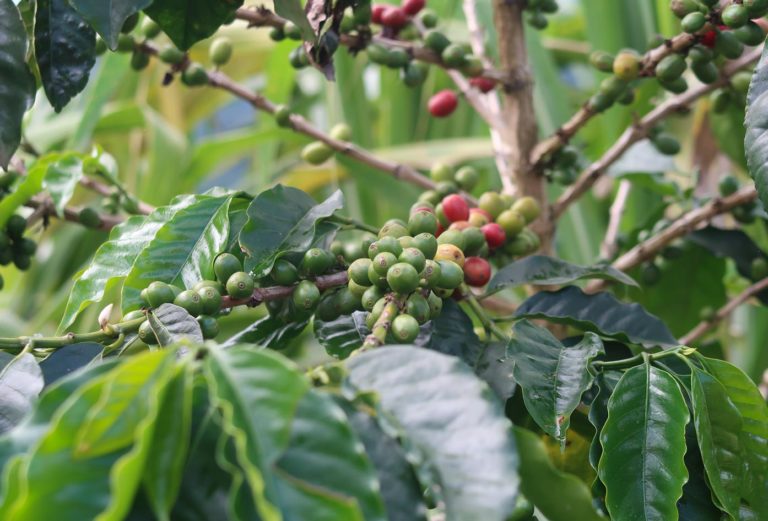
Colombia is the world's largest producer of high-quality coffee. Legend has it that coffee was introduced by Jesuit missionaries in the 18th century, but Colombian coffee only began playing a major role globally in the late 19th century. Today coffee is one of Colombia's flagship industries and one of its most important sources of foreign exchange - though leaf rust remains a threat capable of dealing a heavy, possibly fatal blow to the entire industry. In just the past year, Colombia's coffee exports were worth $2.4 billion, or 7.7% of total export commodity value, and the country ranks as the world's third-largest producer. In other words, if leaf rust ever took root in Colombia, global supply would shrink and prices would rise worldwide. Fortunately, Colombia's superb natural environment leaves it little to fear from weather disasters - unlike neighboring Brazil, where, as far as FrontStreet Coffee understands, production is expected to drop significantly next year thanks to frost, drought, and other natural stresses.
Quality and Geographic Advantages
Colombian coffee is one of the few coffees in the world sold under a country's own name, and its quality has earned praise few origins can match. The country is the world's largest exporter of Arabica coffee and of washed beans, while Robusta is hardly grown at all.
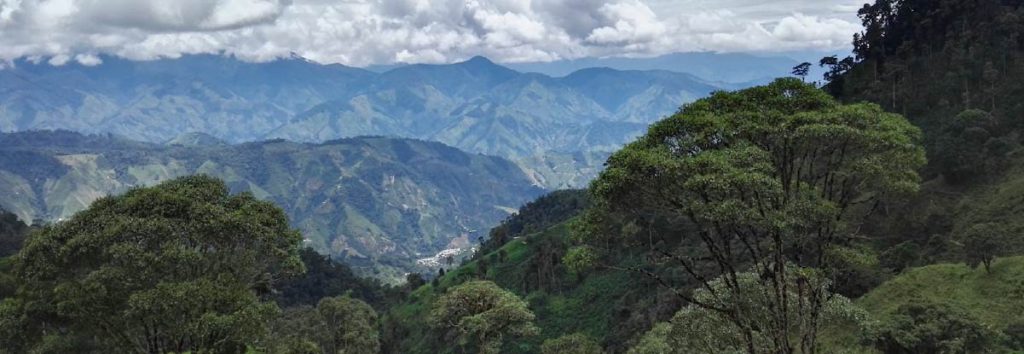
Compared with other producing countries, Colombia devotes more attention to product development and production promotion - which, combined with its superb geography and climate, makes its coffee high-quality, delicious, and famous worldwide. The growing areas cluster around the foothills of the Andes, where the climate is mild and the air humid. Colombia's three Cordilleras run north-south toward the Andes, and coffee is planted along their highlands. The mountain terraces create a diversity of climates, so the harvest never really ends - different coffees mature at different times of year. And happily, unlike Brazil, Colombia needn't worry about frost. The country currently counts about 2.7 billion coffee trees, 66% of them on modernized farms, with the rest on traditionally managed smallholdings.

Colombia's Coffee Growing Regions
FrontStreet Coffee notes that Colombia is also fortunate to have both Atlantic and Pacific ports, which keeps coffee transport costs down - in South America, it is the only country with that advantage. The main production areas lie in the central and eastern mountain ranges.
The most important plantations along the central range sit around Medellin, Armenia, and Manizales. Of the three, Medellin's coffee is considered the best and fetches higher prices: full-bodied, richly aromatic, with moderate acidity. Collectively these three are called "MAM," from the initials of the three cities, and most of Colombia's premium export coffee comes from the MAM region. Along the eastern range, the two standout areas are around Bogota and, further north, around Bucaramanga. Bogota's coffee shows lower acidity than Medellin's, but the quality is comparable. James Hoffmann, in his book, maps Colombia's regions by province - 13 coffee-growing areas in total.

FrontStreet Coffee's Huila Selection
FrontStreet Coffee's house Huila beans come from the famous Huila growing region, which sits on the flank of the Andes near Colombia's second-highest peak, the Nevado del Huila volcano. Huila is steeped in agricultural tradition: its fertile volcanic soil and lush climate suit all manner of crops - yucca, sugarcane, bananas, cocoa, beans, and of course coffee. The region lies relatively close to the equator, so harvesting happens almost year-round. The combination of volcanic soil, generous climate, and altitude makes Huila coffee one of Colombia's most exquisite single origins.
The National Coffee Federation (FNC)
In 1927, Colombia established the National Coffee Federation (Federación Nacional de Cafeteros, or FNC) to oversee quality control. Though technically a private body, it acts on behalf of the government. Beyond organizing the industry, the federation raises funds in bountiful years; in recent years, as coffee prices have trended downward, it has nearly exhausted its financial reserves. The FNC's remit also extends to healthcare, education, road building, hiring agricultural technicians, running surveys, monitoring product quality, directly handling 50% of all export business, and employing marketing staff. It is a well-funded, efficient organization with an eye on the future, staying close to coffee farmers and their families.

FNC: Supporting Coffee Farmers
The FNC is Colombia's only official coffee guild, and since its founding it has grown into one of the world's largest agricultural NGOs. Today it represents over 540,000 coffee-farming families, promoting collaboration and joint decision-making among growers and safeguarding their interests. The federation helps growers reach consensus and secure fair welfare, and it supports every corner of production - technological R&D, optimizing production costs, improving coffee quality, and providing technical assistance and planting quality assurance through its grower support services, all so Colombian coffee farmers can earn better returns.
Colombian Coffee Processing Methods
Most Colombian green coffee is washed. Small farms use machines to strip the cherry skin and pulp; farmers then pour the cherries in with a little water, and the beans - still coated in mucilage - go into small tiled tanks or containers to ferment overnight so the mucilage detaches. After a rinse in clean water, the beans are laid out to sun-dry. When rain interrupts drying, locals turn to mechanical dryers, holding the beans at 50°C until the moisture content reaches spec, then bag and store them.

FrontStreet Coffee's Huila Coffee Characteristics
The character of FrontStreet Coffee's Huila is really the classic Colombian profile: wonderfully balanced overall with a pronounced sweetness. We roast it medium.
FrontStreet Coffee's Brewing Parameters
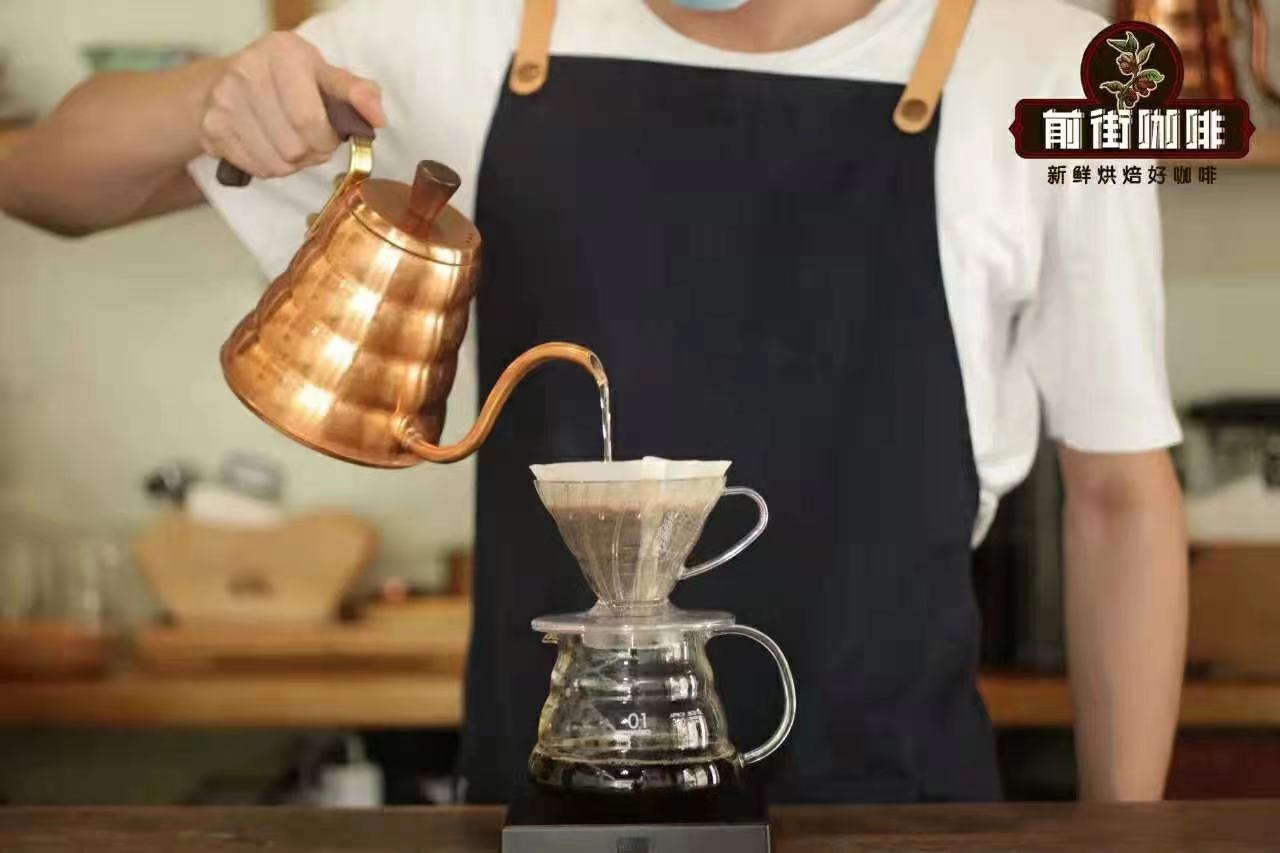
V60 dripper
Water temperature: 91°C
Water-to-coffee ratio: 1:15
Coffee amount: 15g
Grind size: 75% pass-through on the Chinese #20 standard sieve
FrontStreet Coffee's Brewing Method
Start with 30g of water for a 30-second bloom, then pour in small circles up to 125g and pause. Once the water level drops and is about to expose the coffee bed, continue pouring to 225g and stop. When the bed is about to break the surface again, remove the dripper. Total extraction time (timed from the start of the bloom): 2'00".

FrontStreet Coffee's Colombian Coffee Flavor Profile
The first sip brings intense dark chocolate, with a very prominent caramel aftertaste. As the cup cools, a fruity acidity emerges, leaning citrus - noticeable but never overbearing, which keeps the cup refreshing.
FrontStreet Coffee Recommendation
For a glimpse of where Colombian coffee is headed next, try FrontStreet Coffee's Finca Dividing Line (Fenjexian) Sidra. Instead of conventional washing, this lot goes through anaerobic natural fermentation in a sealed, pressure-rated stainless tank - with temperature, time, and pH all controlled - coaxing out extra tropical fruit aroma. Roasted medium-light, it serves up passion fruit, grape, apricot, and dried-fruit complexity as a pour-over, cold brew, drip bag, or even moka pot brew.
Important Notice :
FrontStreet Coffee is a long-established specialty coffee roaster in Guangzhou China, selling freshly roasted beans from its own farm in Yunnan as well as dozens of carefully selected single-origin beans from around the world for both pour-over and espresso. The products deliver consistently excellent quality and great value, with shipping within 24 hours. Guangzhou's FrontStreet Coffee shop is recommended by many coffee lovers, and the beans are now available online at the Tmall 。
FrontStreet Coffee has moved to a new address:
FrontStreet Coffee Address: 315,Donghua East Road,GuangZhou
Tel:020 38364473
 Scan and follow the En Gafei WeChat official account. Please indicate that the reprint comes from "En Gafei".