What are the main coffee-producing countries in Asia? What are the characteristics of Asian coffee beans? Is Asian coffee expensive?
The world's coffee is generally divided into three major coffee-producing regions: African coffee, American coffee, and Asian coffee. The origins of these three regions can all be traced back to Ethiopia, and coffee then spread throughout the world following the pace of historical development. As a specialty coffee shop focused on selling coffee beans, FrontStreet offers Asian coffee beans as well.
Yunnan Coffee: The Gem of Asian Coffee
China has coffee cultivation domestically, primarily in areas like Baoshan, Yunnan. In recent years, Yunnan coffee has gained significant popularity, with sales continuously rising. Initially, Yunnan grew the Typica variety, but because of its low yield and poor disease resistance, Yunnan coffee farmers were unwilling to keep planting Typica. Instead, the Catimor variety became widely welcomed by Yunnan coffee farmers, so most Yunnan coffee varieties today are Catimor.
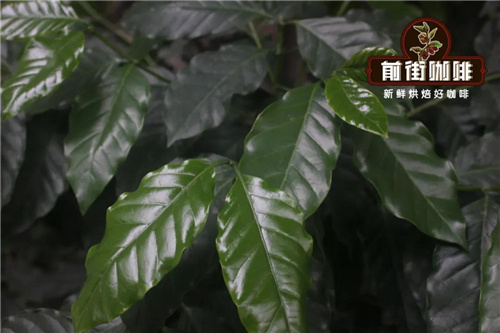
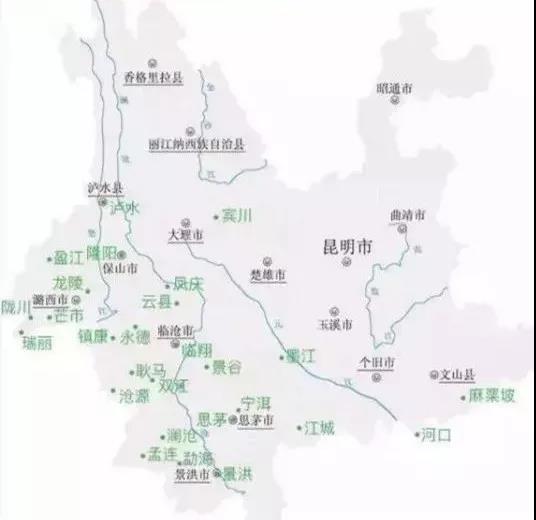
Catimor is mainly cultivated in large areas in Dehong, Baoshan, and Pu'er in Yunnan Province, with vigorous promotion of cultivation also in Panzhihua, Sichuan, and Myanmar. Yunnan has elevations above 1200 meters, abundant annual rainfall, fertile soil, and loose soil texture. Particularly in Baoshan, Yunnan, the dry-hot valley climate is extremely suitable for coffee cultivation. Because Yunnan is located between 15°N latitude and the Tropic of Cancer, mostly in high-altitude areas with consistently high temperatures, significant day-night temperature differences, appropriate rainfall, sufficient sunlight, and red volcanic ash soil rich in minerals, these unique natural conditions create the distinctive characteristics of Yunnan small-bean coffee. The coffee produced here is therefore of excellent quality, with mellow and rich fragrance, strong but not bitter, aromatic but not intense, with a slight fruity note. Chinese Yunnan coffee has tremendous potential. Baoshan has now become one of China's largest coffee fine variety bases and important production areas.
Cupping and Flavor Analysis
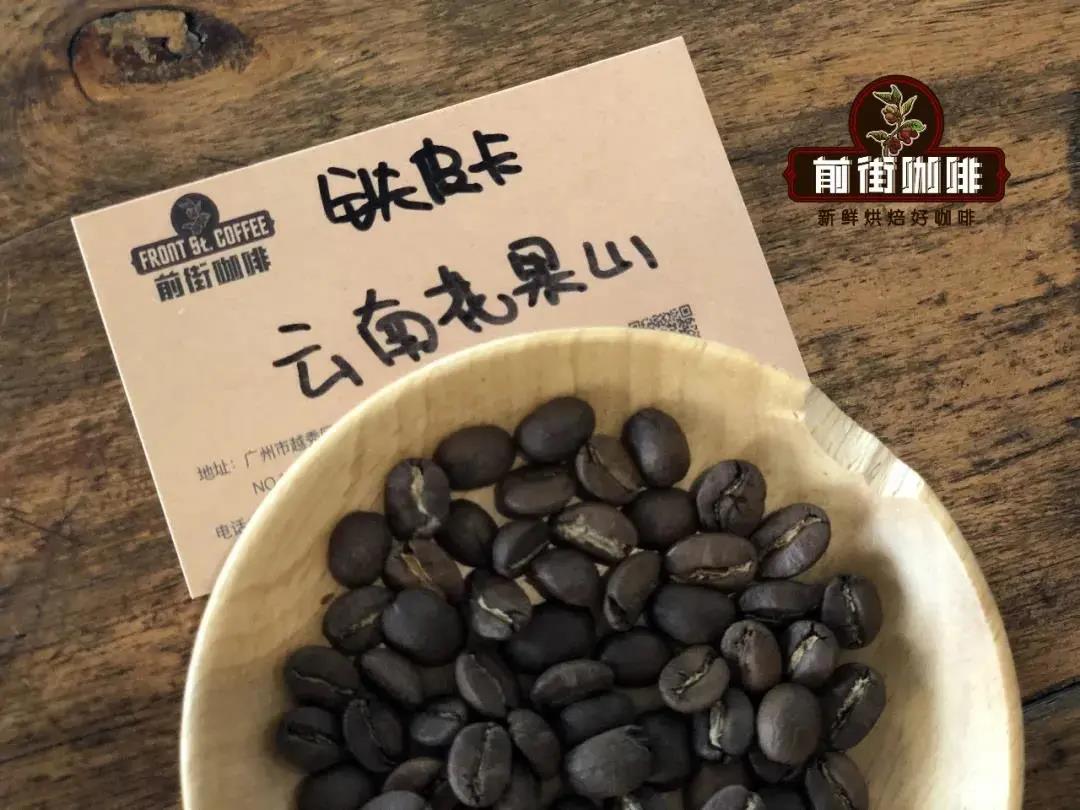
FrontStreet typically conducts cupping of freshly roasted coffee beans, evaluating coffee flavors based on aroma, acidity, body, cleanliness, and aftertaste. FrontStreet conducts cupping within 8 to 24 hours after roasting this Yunnan coffee bean, when the cupping results are most accurate. We measure 11.3 grams of coffee powder, then after the dry fragrance stage, add 94°C hot water, complete the wet fragrance evaluation within four minutes, then proceed with crust breaking and skimming steps, and finally taste the flavor of this Yunnan Huaguoshan coffee.
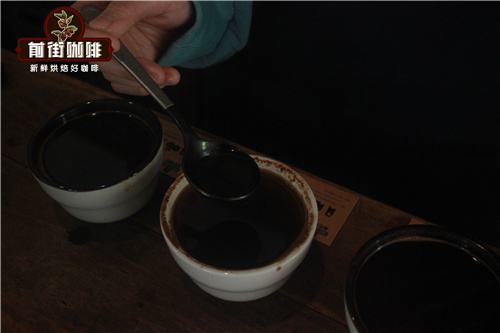
In this cup of Yunnan Huaguoshan coffee, FrontStreet's cupping results show that Yunnan coffee possesses rich fruity aromas and melon notes. The mouthfeel is smooth, with nutty flavors in the mid-section and plum acidity in the finish, with relatively bright acidity and good balance. When the coffee cools, one can clearly taste the layers of sweet and sour flavors.
Brewing Recommendations
From the cupping results, FrontStreet has determined that when brewing Yunnan coffee we use a KONO dripper, because the KONO dripper has shorter ribs, resulting in longer coffee extraction time. This means the coffee grounds steep for longer, making it very suitable for extracting coffee with the richer mouthfeel typical of Asian coffees. The water temperature is set to 88°C because lower water temperatures extract coffee substances more slowly, making the rich mouthfeel of coffee very easy to extract. For the coffee-to-water ratio, FrontStreet typically uses 1:15 to brew this Yunnan coffee.
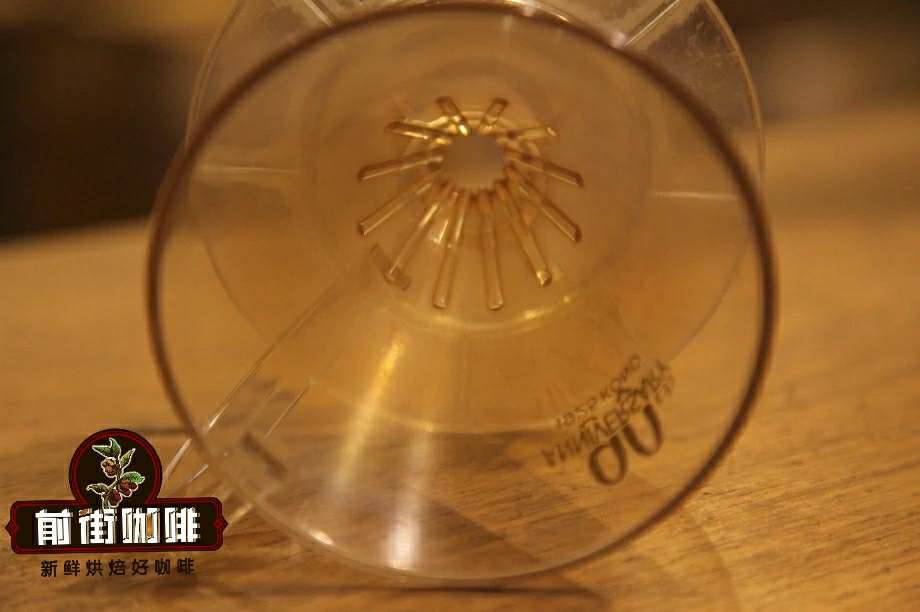
FrontStreet uses a three-stage method to brew this Asian Yunnan coffee. First, we use 30 grams of water for blooming, then use a small water flow to pour in circles to 125 grams for segmentation. When the water level drops to expose the coffee bed, we continue pouring until reaching 225 grams, then stop pouring and remove the dripper. The Yunnan coffee brewed this way has flavors roughly the same as the cupping results: overall balanced and rich, with soft acidity and hints of nutty flavor.
Mandheling Coffee: Another Asian Gem
When discussing representative Asian coffees, we must mention Mandheling coffee from Sumatra Island, Indonesia. Interestingly, both Yunnan and Indonesia, as representatives of Asian coffee, initially started by planting Typica. Indonesian Mandheling coffee was first planted by the Dutch on Java Island, then for transportation reasons coffee was moved to Sumatra Island, which had more convenient transport. The coffee produced there is called Sumatran coffee, also known as Mandheling coffee.
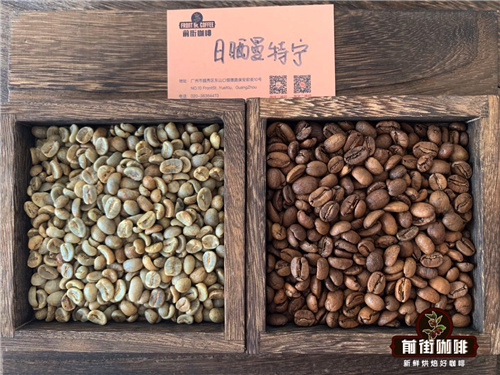
When Asian coffee is mentioned, everyone's impression is that compared to the world's three major coffee-producing regions, the mouthfeel is richer, and Mandheling is particularly famous for its rich mouthfeel and intense herbal flavors. Indonesian coffee varieties and Yunnan coffee cultivation have some similarities: both initially planted mostly Typica varieties, then because of Typica's low yield and susceptibility to leaf rust disease, the high-yield Catimor variety became more popular in Indonesia. The flavor of the Catimor variety is not highly regarded by many; Han Huaizong often refers to Catimor variety flavors as "devilish" in his books. However, when Catimor is planted in the Indonesian region, it adapts very well to Indonesia's high humidity and high temperatures, producing Asian coffee beans with excellent mouthfeel. Of course, FrontStreet understands that Catimor's coffee flavor is also related to the wet hulling processing method used locally in Indonesia.
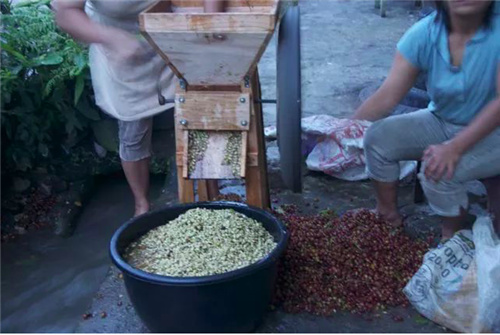
The processing method for Mandheling green beans is typically wet hulling. This processing method gives coffee beans a wet-hulled flavor. We generally believe that wet hulling carries earthy, smoky, and chocolate flavors, with what is called "low acidity," and the body is quite heavy and dull. Wet hulling, also known as wet dehulling, is a traditional Indonesian coffee processing method. Coffee processed this way is typically rich and intense, with very distinct personality. Therefore, FrontStreet Mandheling coffee has herbal flavors, black chocolate, and caramel notes with distinct flavors and a sweet aftertaste.
The Asian Coffee Belt
Places like Yunnan or Indonesia are located between the Tropic of Cancer and the Tropic of Capricorn, generally called the coffee golden belt. World coffee-producing regions are mainly distributed between these two tropics, and the world's three major coffee-producing regions are all located within this coffee golden belt. There is also Vietnamese coffee; Vietnam is the number one coffee-producing country in Asia. Vietnamese coffee production continues to grow, but most exported coffee is Robusta, primarily used for commercial coffee.
FrontStreet Coffee Recommendation
Yunnan is the gem of Asian coffee, and FrontStreet's Yunnan lots let you taste why. FrontStreet Yunnan Small Bean comes from the Baoshan growing area, where Baoshan's coffee history began in the mid-1950s, introduced by the patriotic overseas Chinese Liang Jinshan. The warm, frost-free climate suits small bean coffee, and the dry-hot valley around Lujiangba, with little annual temperature variation but a wide day-night swing, creates the region's distinctive sweet aftertaste. Washed and medium roasted, it shows a gentle caramel note while keeping some acidity, expressing Yunnan's terroir with soft nutty and chocolate sweetness and a light plum acidity, making it an ideal entry-level Chinese Arabica.
For a more defined Yunnan cup, FrontStreet 2013 Yunnan Natural Typica is grown on FrontStreet's own estate from fully ripe red cherries and processed with the traditional natural method. Typica is among the oldest and purest Arabica varieties, and after natural processing and a medium roast the cup becomes heavier and sweeter, with citrus and berry notes, a touch of fermented wine aroma, caramel sweetness, and a creamy finish. At the other end of Asia, FrontStreet Mandheling from Sumatra shows the rich, low-acid, full-bodied character that wet hulling creates, with herbal, dark chocolate, and caramel notes and a long sweet aftertaste.
Important Notice :
FrontStreet Coffee is a long-established specialty coffee roaster in Guangzhou China, selling freshly roasted beans from its own farm in Yunnan as well as dozens of carefully selected single-origin beans from around the world for both pour-over and espresso. The products deliver consistently excellent quality and great value, with shipping within 24 hours. Guangzhou's FrontStreet Coffee shop is recommended by many coffee lovers, and the beans are now available online at the Tmall 。
FrontStreet Coffee has moved to a new address:
FrontStreet Coffee Address: 315,Donghua East Road,GuangZhou
Tel:020 38364473
 Scan and follow the En Gafei WeChat official account. Please indicate that the reprint comes from "En Gafei".