What are the Characteristics of Colombian Coffee Recommended Pour-Over Parameters for Colombian Coffee Beans
When it comes to Colombian coffee, most people are familiar with it, as it appears frequently in the specialty coffee market. Whether it is the washed FrontStreet Coffee Colombian Huila coffee beans or the specially processed FrontStreet Coffee Flower Moon Night coffee beans, their quality and flavor are particularly fine. As a result, many coffee enthusiasts brew FrontStreet Coffee Colombian coffee beans at home using pour-over methods, including plenty of pour-over newcomers. In this article, FrontStreet Coffee will explain the characteristics and pour-over parameters of FrontStreet Coffee Colombian coffee.
FrontStreet Coffee Colombian Coffee Growing Conditions
Everyone knows that coffee beans are an agricultural product, so their flavor is inseparable from the growing conditions of their producing region. Factors such as terrain, altitude, climate and soil all affect the flavor of coffee beans. Colombia's growing conditions can truly be described as uniquely advantageous.

According to FrontStreet Coffee's understanding, Colombia lies in the northwest of the South American continent, bordering Panama in Central America. Situated in the tropics, its climate varies with terrain, and rich volcanic soil covers the land. Annual rainfall ranges from 2000 to 3000mm, with mild temperatures and humid air. This diverse climate allows FrontStreet Coffee Colombian coffee to be harvested year-round. The eastern plains, southern regions and Pacific coast have tropical rainforest climates; mountainous areas at 1000-2000 meters have subtropical climates; and the northwest has a tropical savanna climate. Average annual temperature is 15.8 - 20.5°C, while the average temperature in coffee regions varies between 18°C and 22.5°C.
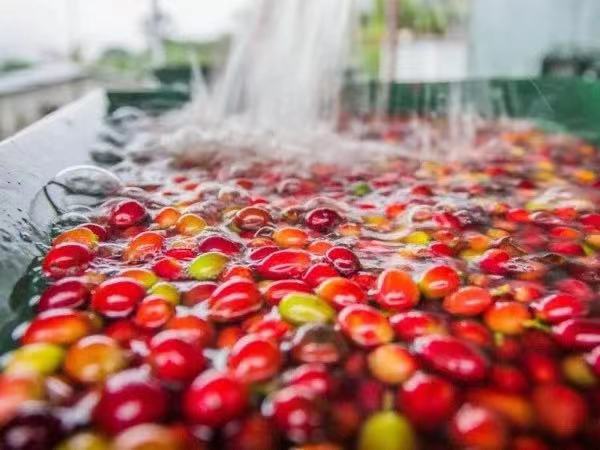
Colombia is therefore the world's largest exporter of Arabica coffee beans and the largest exporter of washed coffee beans. For example, the FrontStreet Coffee Colombian Huila coffee beans introduced in FrontStreet Coffee stores are washed processed. The hallmark of washed processing is that it highlights the most original flavors of the beans, making the coffee cleaner and more refreshing. Next, FrontStreet Coffee will use these FrontStreet Coffee Colombian Huila coffee beans as an example to explain recommended pour-over parameters.
FrontStreet Coffee Colombian Huila Coffee Beans
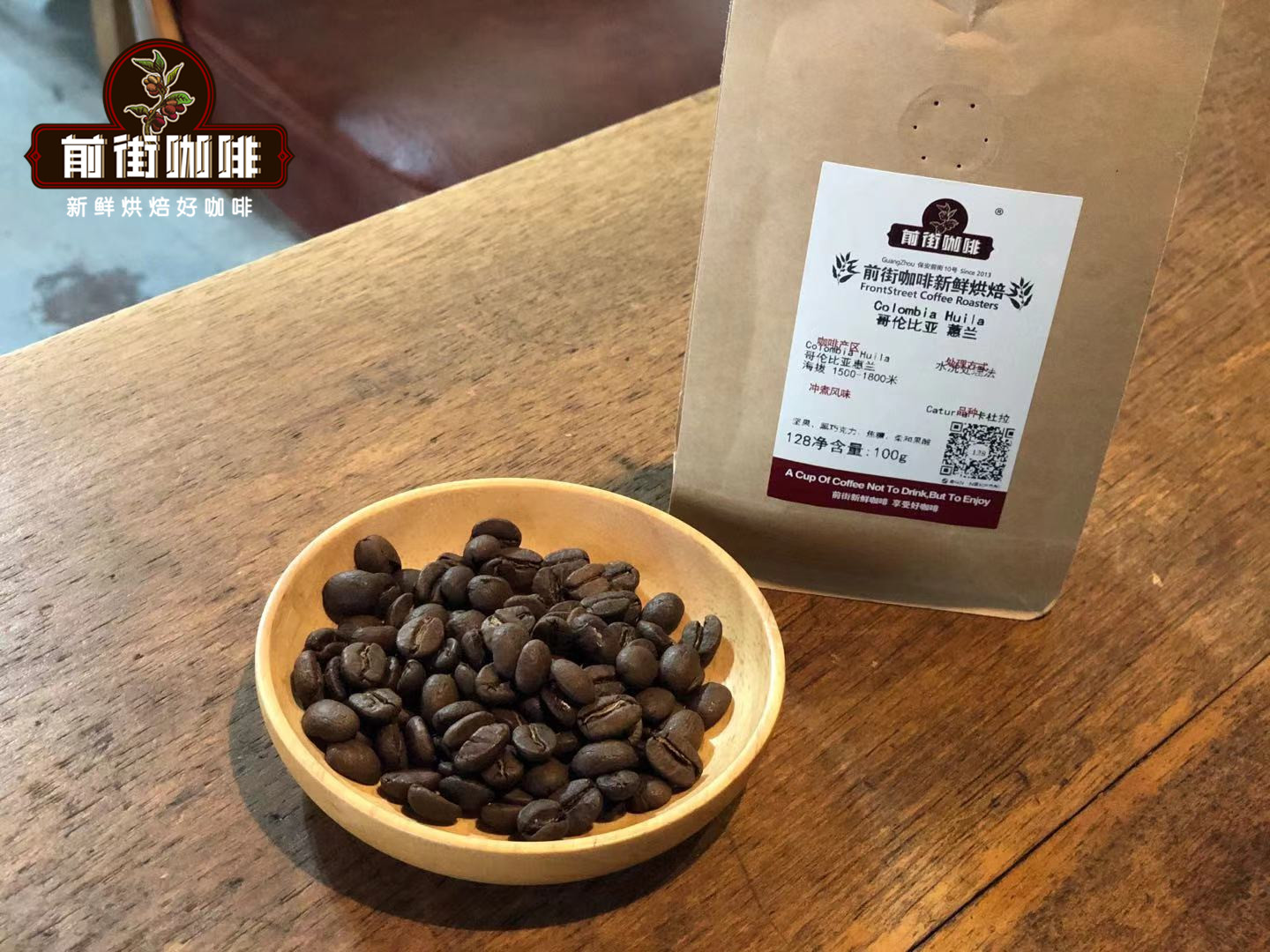
Country: Colombia
Region: Huila
Altitude: 1500-1800 meters
Variety: Caturra
Processing: Washed
Flavor: Nuts, dark chocolate, caramel, soft fruit acidity
How to Pour-Over Brew FrontStreet Coffee Colombian Huila Coffee Beans
FrontStreet Coffee believes that to brew a good cup you should focus on four things: water temperature, grind size, coffee-to-water ratio and brewing technique.
1. Water Temperature
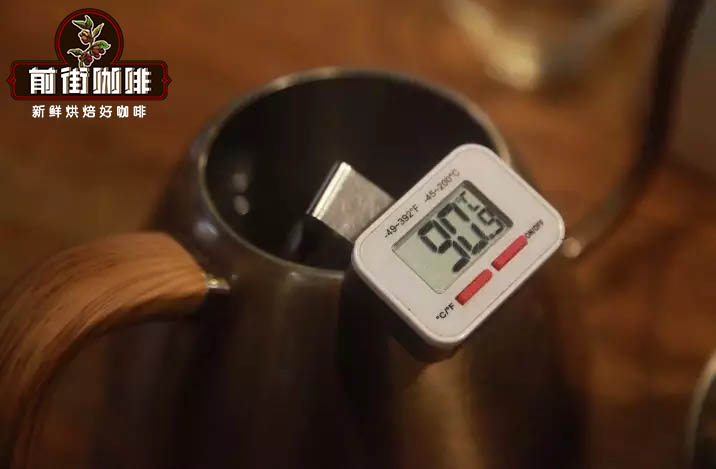
When FrontStreet Coffee brews coffee beans of different roast levels by pour-over, we also choose different water temperatures. During roasting, the substances contained in coffee beans are lost as the roast level deepens. To avoid extracting too many unpleasant flavors from dark roast coffee beans, the temperature is reduced. For medium-light roast beans, FrontStreet Coffee recommends water temperatures of 90-91°C. For medium-dark roast beans such as FrontStreet Coffee PWN Golden Mandheling, we recommend 87-89°C.
The flavor of these FrontStreet Coffee Colombian Huila coffee beans is dominated by nuts and chocolate. To highlight this, FrontStreet Coffee uses a medium roast, so we keep the brewing water temperature at 88-91°C.
2. Grind Size
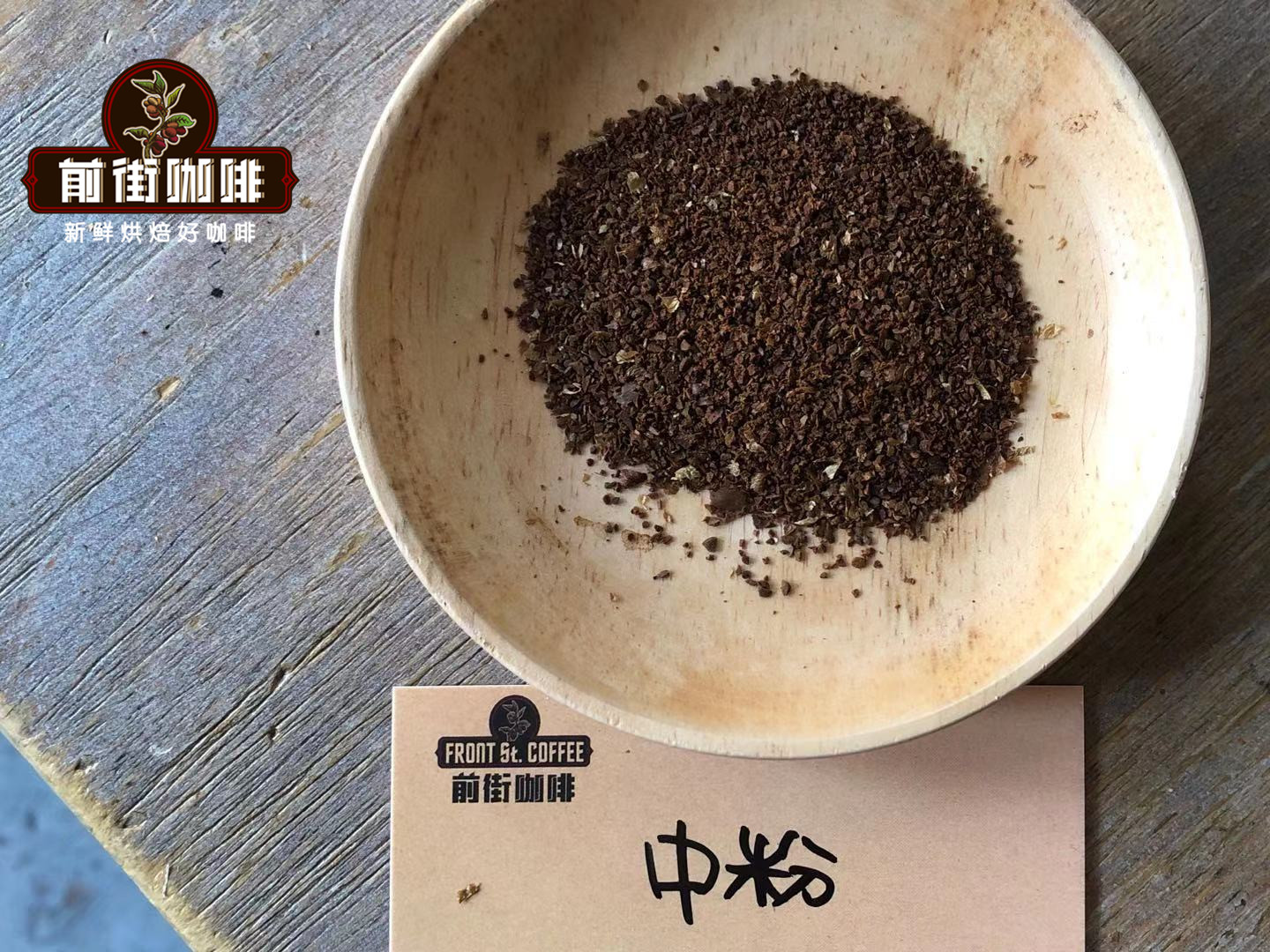
Grind size refers to the size of the coffee particles, and it affects the contact time between coffee and water. The finer the coffee grounds, the more substances water can extract in the same amount of time. However, fine grinds are prone to over-extraction during brewing. Conversely, the coarser the grind, the fewer substances water can extract in the same time, but coarse grinds easily lead to under-extraction.
Because everyone's grinder is different, the parameters vary accordingly. FrontStreet Coffee suggests buying a #20 cupping calibration sieve with a 0.85mm aperture. Weigh 10g of coffee beans, adjust to an approximate grind size and grind into coffee powder, then pour it into the sieve and sift. Weigh the sifted coffee powder (make sure to sieve until no more powder can pass through).
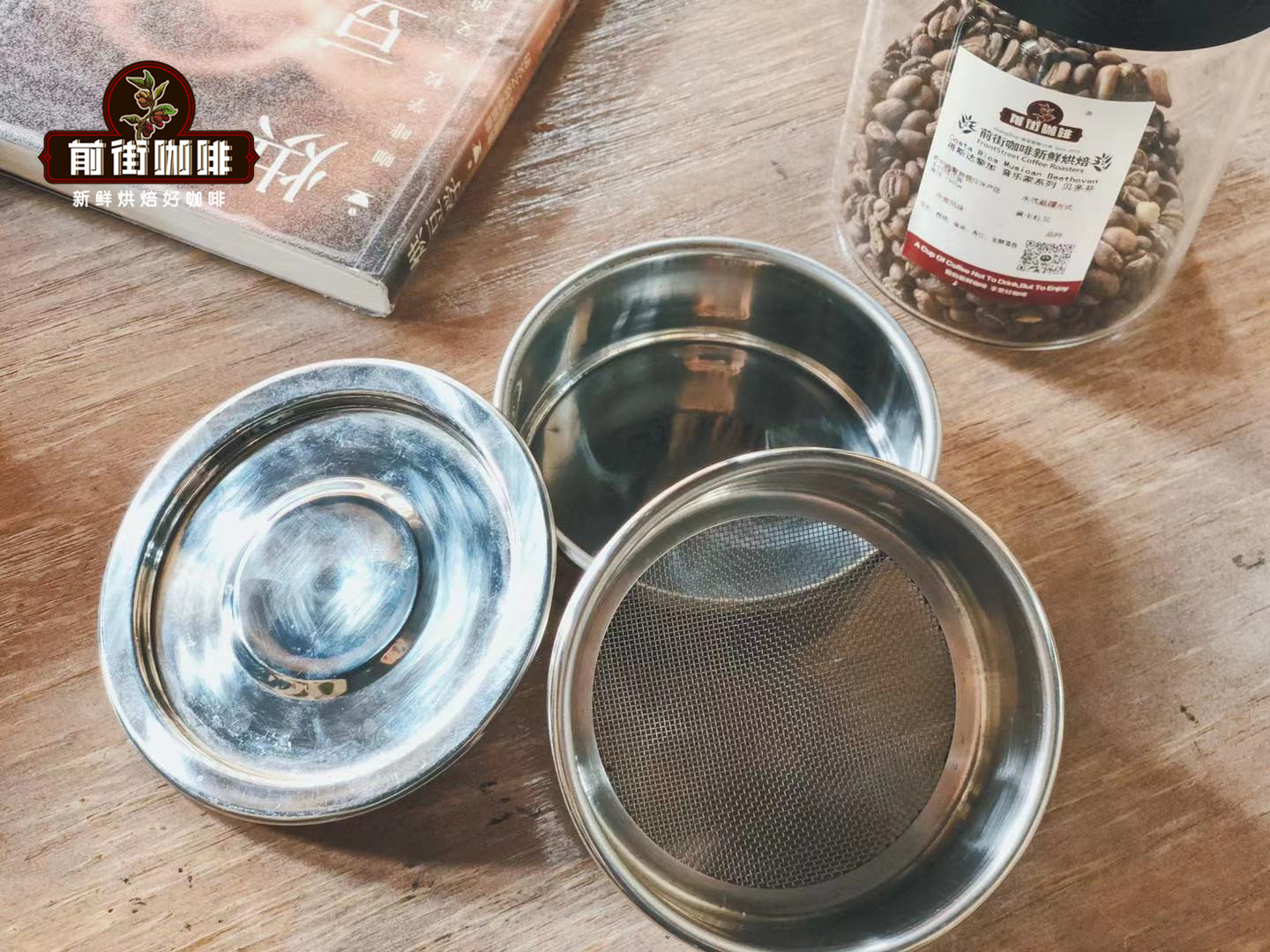
If the sifted pass rate is 80% (10g of powder yields 8g of sifted powder), this is the most suitable grind size for medium-light roast coffee beans. A pass rate of 70%-75% (10g of powder yields 7-7.5g) is most suitable for medium-dark roast. If the pass rate exceeds the suitable range, adjust the grind coarser. If it falls short, adjust the grind finer.
3. Coffee-to-Water Ratio
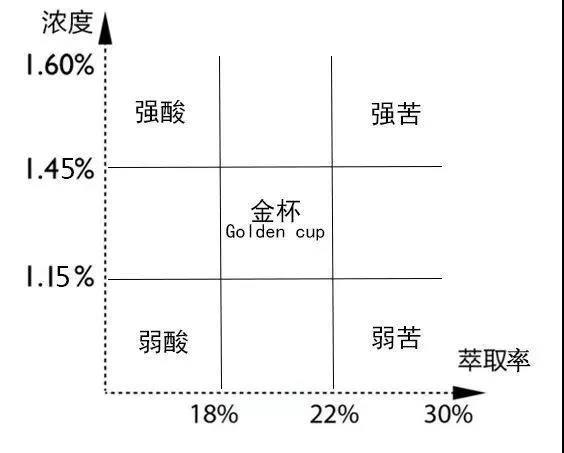
[Bold Flavor] 1:10 to 1:11 (equivalent to Golden Cup standard 1:12.5 to 1:13.5)
[Medium Flavor] 1:12 to 1:13 (equivalent to Golden Cup standard 1:14.5 to 1:15.5)
[Light Flavor] 1:14 to 1:16 (equivalent to Golden Cup standard 1:16.5 to 1:18.5)
A coffee-bean-to-water ratio of 1:14.5 to 1:15.5 most easily achieves the golden range of 18% to 22% extraction and 1.15% to 1.35% concentration.
FrontStreet Coffee therefore suggests using the foolproof 1:15 coffee-to-water ratio when brewing these FrontStreet Coffee Colombian Huila coffee beans.
4. Brewing Technique
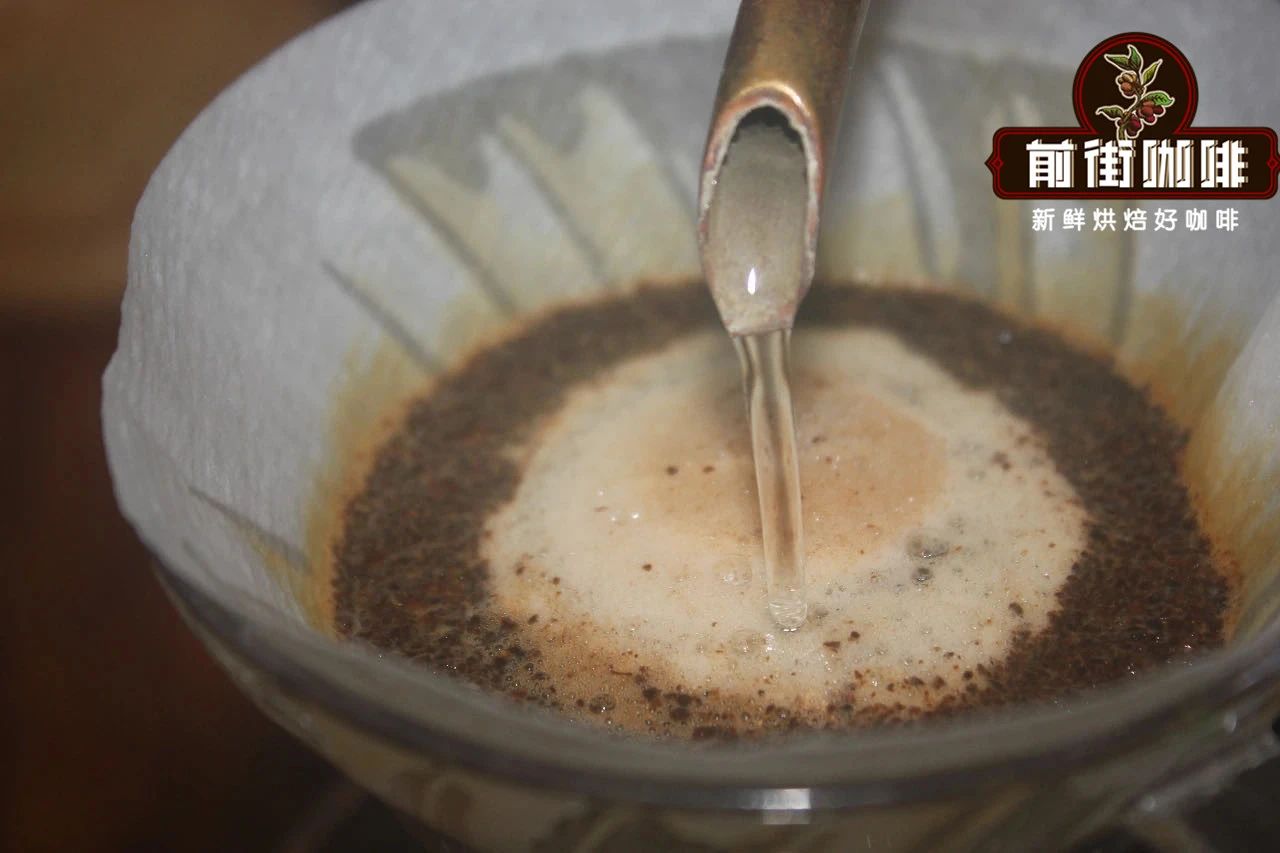
Finally, pour-over technique matters a great deal. Common approaches include three-stage, single-pour and drip-by-drip. Here FrontStreet Coffee recommends that beginners use the three-stage pour, since it suits light, medium-light and medium roast beans. The staged extraction of a three-stage pour clearly separates the front, middle and back-end flavors of the coffee, giving flavors a better chance to come through.
With the four pour-over elements above in mind, FrontStreet Coffee will now share the brewing parameters for these FrontStreet Coffee Colombian Huila coffee beans.
FrontStreet Coffee Pour-Over Parameters for FrontStreet Coffee Colombian Huila Coffee Beans
FrontStreet Coffee uses a V60 dripper for Colombian region coffee. The 60-degree conical dripper has larger holes, and combined with its unique spiral ribbed design it lets air escape more easily, improving extraction quality.
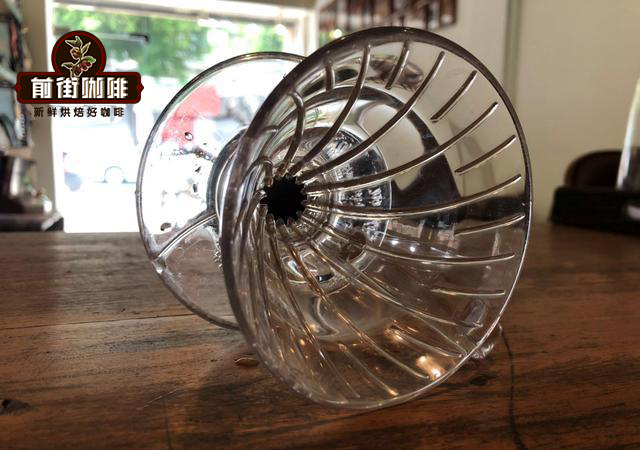
Dripper: V60
Water Temperature: 90-91°C
Grind Size: BG#6m (fine sugar size / #20 sieve, 80% pass rate)
Coffee-to-Water Ratio: 1:15
Coffee Amount: 15 grams
Brewing Technique: Staged extraction
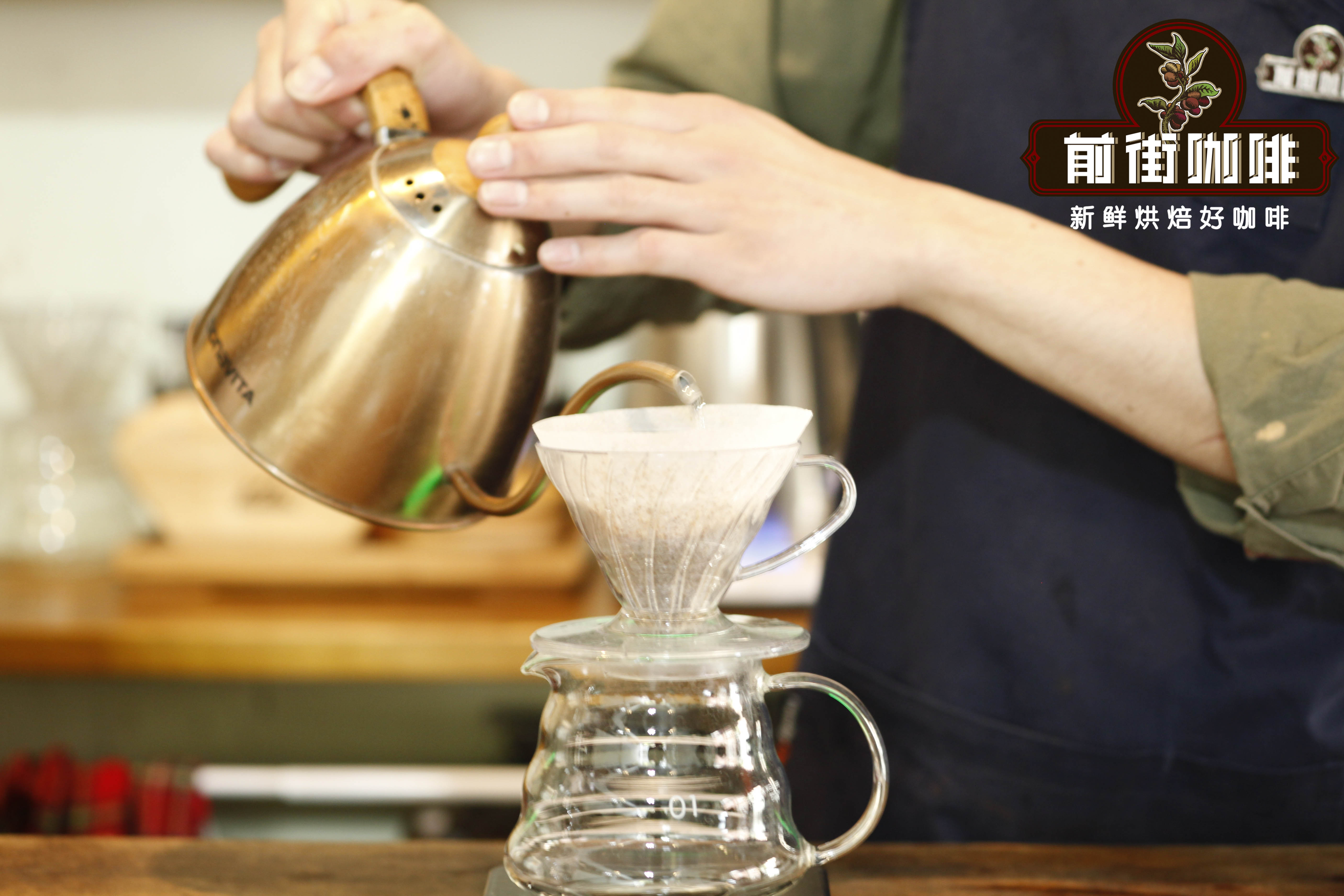
First stage: pour 30g of water for a 30-second bloom. Then pour 95g (the scale shows around 125g), completing the pour in about 1 minute. When the water level drops to two-thirds of the coffee bed, pour the remaining 100g (the scale shows around 225g), completing the pour in about 1 minute 40 seconds. Finish the drip at 2'00", remove the dripper and complete extraction.
[FrontStreet Coffee Colombian Huila] Brewing Flavor: Nuts, dark chocolate, soft fruit acidity in the middle, and caramel sweetness.
FrontStreet Coffee Recommendation
If washed Colombian coffee is what you enjoy brewing, FrontStreet Coffee's Colombia range is a natural next step. The FrontStreet Colombia Huila is washed and medium-dark roasted, foregrounding dark chocolate and nutty sweetness with moderate oil and a full body; it works for pour-over and French press as well as moka pot and espresso machine, so Americanos and lattes are well within reach. For a more adventurous expression of Colombia, the FrontStreet Colombia Frontera Estate Sidra is processed with anaerobic natural fermentation and roasted medium-light, producing intense tropical aromas of passion fruit, grape, apricot and candied fruit that shine in pour-over, cold brew, drip bags and moka pot alike.
If you would rather have a Colombian coffee built for milk drinks, the FrontStreet Specialty Espresso Blend brings together the creamy nuttiness of Brazilian coffee and the dark cocoa bittersweetness of Colombian coffee. It pulls a fine golden crema and is especially good in a rich, smooth latte, while also serving as the base for Americanos, cappuccinos and mochas.
Important Notice :
FrontStreet Coffee is a long-established specialty coffee roaster in Guangzhou China, selling freshly roasted beans from its own farm in Yunnan as well as dozens of carefully selected single-origin beans from around the world for both pour-over and espresso. The products deliver consistently excellent quality and great value, with shipping within 24 hours. Guangzhou's FrontStreet Coffee shop is recommended by many coffee lovers, and the beans are now available online at the Tmall 。
FrontStreet Coffee has moved to a new address:
FrontStreet Coffee Address: 315,Donghua East Road,GuangZhou
Tel:020 38364473
 Scan and follow the En Gafei WeChat official account. Please indicate that the reprint comes from "En Gafei".