What's the Right Grind Size for Siphon Coffee Beans? Which Beans Are Best for Siphon Brewing_ Siphon Coffee Bean Prices
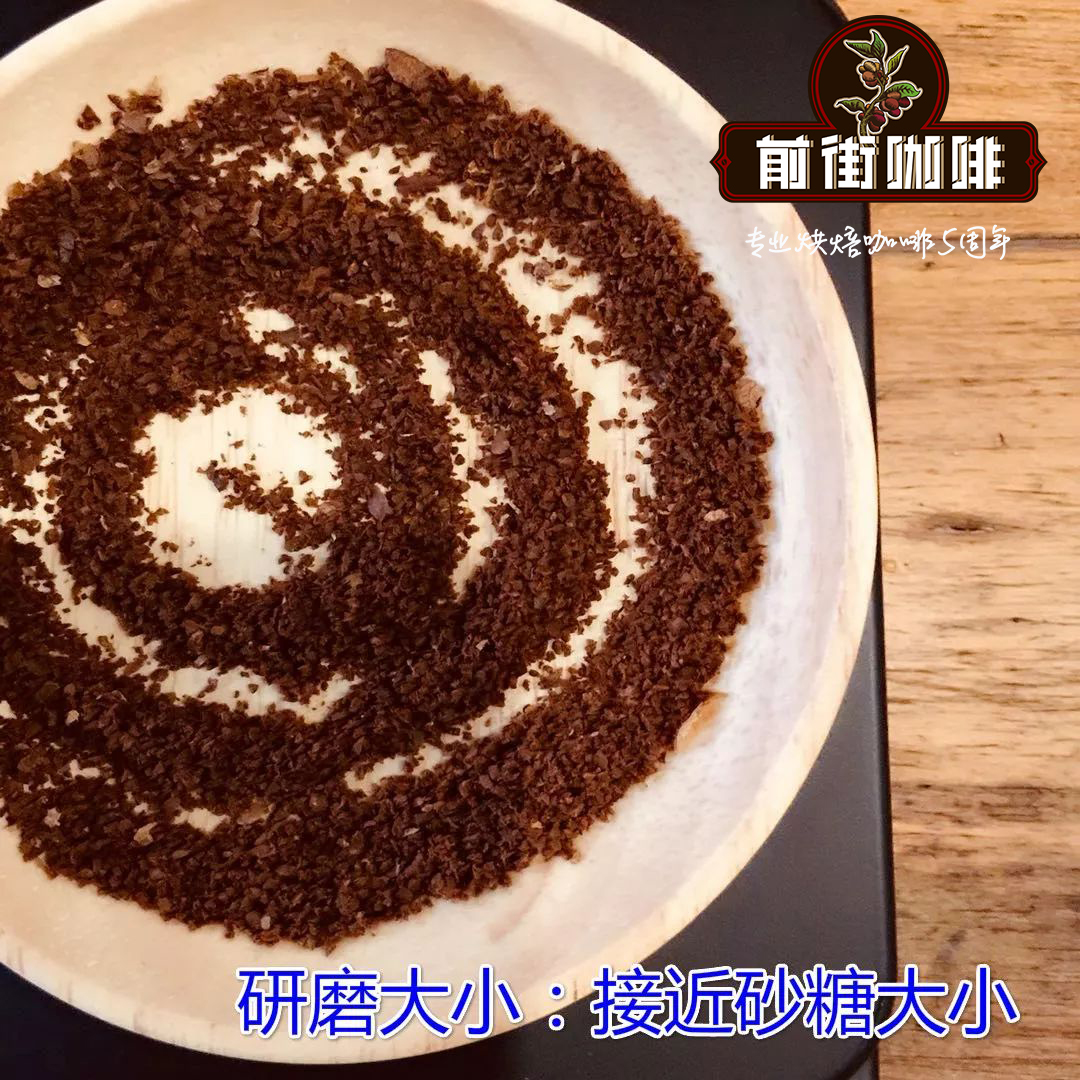
Siphon Grind: Coarser or Finer Than Pour-Over?
Siphon brewing never got much attention in our shop, so we had never explored its variables in depth. In practice there are only a few that matter: water temperature, grind size, coffee-to-water ratio, and brewing time. A reader recently asked how to set the grind when you are handed a bean you have never brewed in a siphon. The easy answer is to start from your pour-over setting and adjust from there — but that immediately raises the real question: compared with pour-over, should siphon coffee be ground coarser or finer?
Where the Contradiction Comes From
1. Pour-over extracts as the water cools, whereas a siphon keeps the water hot. Even starting at the same temperature, the average extraction temperature in a siphon runs 2-3 degrees higher. On that logic, you would grind coarser to avoid over-extraction.
2. A pour-over brew usually takes around 2 minutes, while a siphon extracts for about 1 minute. Pour-over also works by filtration, while a siphon works by immersion, and filtration should pull more out of the grounds than immersion does. On that logic, you would grind finer to avoid under-extraction.
Since the two arguments point in opposite directions, we ran an experiment to see which grind actually suits a siphon.
Siphon Brewing — Natural Process Sidamo Guji
Our everyday pour-over setting for Guji is BG:4M, so we compared two settings: one step coarser than pour-over and one step finer.
Everything else — ratio, water temperature, brew time and stirring — was kept identical so the comparison would be fair.
Brewing Record
20.8g of coffee, 240g of water, 90°C, coffee added after the water. Stir 5 times when the coffee goes in, stir 5 times when the 39-second bloom ends, stir 2 times when the heat is cut at 60 seconds, then cool and depressurize quickly to speed the siphon's backflow.
Flavor Comparison
Group ①: nuts, lemon acidity, citrus, peach honey, dark chocolate in the aftertaste, with noticeable bitterness, a pronounced oiliness and a slightly bitter, astringent mouthfeel. As it cools the acidity sharpens and the aroma opens up — more intense overall, but still a touch bitter.
Group ②: fruity acidity, grapefruit, citrus, a brighter aroma, less oiliness, a lighter body and less bitterness, with an astringent, tangy mouthfeel — lighter overall but with balanced sweetness.
Vote: Group ② edged ahead.
What the Results Tell Us
Setting technique and the specific parameters aside, the finer grind did give a more complete cup: better body, with front, middle and finish all blooming at once — but it felt a little closed-in, and bitterness surfaced more easily after three stirs at a temperature that was hardly low. The coarser grind showed a few gaps and drank lighter, close to a pour-over in the mouth, yet the layers still read clearly and it was easier to enjoy. The decisive point is its forgiveness: it is hard to ruin. That makes it a good default for anyone new to siphon work or unfamiliar with the bean.
Conclusion
This was only a two-way comparison, but the takeaway is still useful: when you have no brewing experience or data to lean on and the overall approach is unclear, a slightly coarser grind suits most people, precisely because it is so forgiving. Even if you are rushed or flustered, you are unlikely to end up with a siphon cup that is too strong, bitter and scorched from over-extraction — and isn't that the wall beginners hit most often when they start playing with a siphon?
Recommended Siphon Coffee Bean Brands
FrontStreet Coffee's freshly roasted single-origin beans for siphon — Yirgacheffe and Mandheling among them — hold up on both brand and quality and work across brewing methods. Just as important, the value is hard to beat: a half-pound (227g) bag costs only around 70-90 yuan. At 200ml per cup of single-origin coffee and a 1:15 ratio, one bag yields 15 cups, or 5-6 yuan each. Set against cafe prices that often run to dozens of yuan a cup, that is outstanding value.
FrontStreet Coffee Recommendation
Ethiopia is the birthplace of coffee and its most storied growing region, and FrontStreet Coffee leans heavily on it. For a first taste of the country's washed style, the FrontStreet washed Yirgacheffe is the classic entry point — jasmine florals and a bright citrus acidity that reads clean, tea-like and lemon-fresh. The FrontStreet Gutingding Cooperative coffee, drawn from the Worka area at the southeastern edge of Yirgacheffe, keeps that same clarity with citrus, lemon and delicate white flowers, while the FrontStreet natural Red Cherry brings peach, cocoa, honey and lemon from its two-week sun-drying.
Further out, the FrontStreet natural Huakui from the Hambella area of Guji is dried for 21 days on raised beds and delivers a soft fermented wine note with florals, citrus and mango, a honeyed sweetness and a long finish. The FrontStreet Hamashu 74158 brings strawberry, star fruit and green grape sweetness, and the FrontStreet Kafa Forest, grown between 1,400 and 2,100 meters under shade, shows white florals, bright lemon acidity and a green-tea mouthfeel.
Important Notice :
FrontStreet Coffee is a long-established specialty coffee roaster in Guangzhou China, selling freshly roasted beans from its own farm in Yunnan as well as dozens of carefully selected single-origin beans from around the world for both pour-over and espresso. The products deliver consistently excellent quality and great value, with shipping within 24 hours. Guangzhou's FrontStreet Coffee shop is recommended by many coffee lovers, and the beans are now available online at the Tmall 。
FrontStreet Coffee has moved to a new address:
FrontStreet Coffee Address: 315,Donghua East Road,GuangZhou
Tel:020 38364473
 Scan and follow the En Gafei WeChat official account. Please indicate that the reprint comes from "En Gafei".