Siphon Brewer Working Principle_How to Use Siphon Coffee Maker_Which Coffee Beans Are Suitable for Siphon
Siphon Pot Working Principle
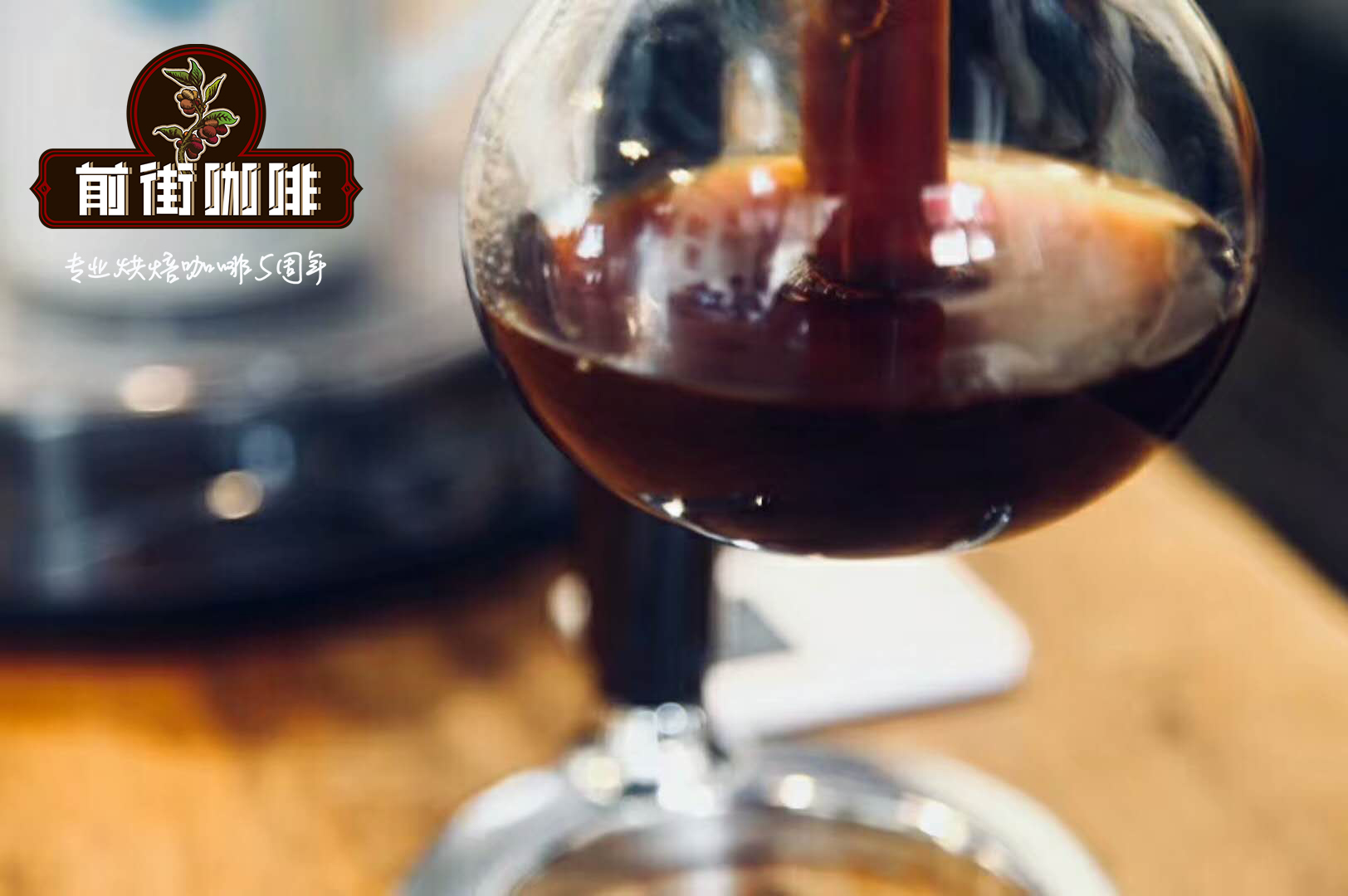
The main principle of coffee extraction using a siphon pot is pressure difference. First, the water in the lower chamber is heated to boiling, then the upper chamber is inserted, creating a vacuum state in the lower chamber. Due to the pressure difference between the chambers, hot water rises to mix with the coffee grounds in the upper chamber for extraction. After extraction is complete, the heat source under the lower chamber is removed, and the pressure difference between the chambers instantly decreases. Gravity then promotes the coffee extract to flow back to the lower chamber. To speed the return flow, wipe the lower chamber with a damp cloth, which further reduces the pressure difference and makes the coffee return faster.
Basic Tools Required for Using a Siphon Pot
Let me first introduce the basic tools needed to use a siphon pot:
1. Siphon pot (upper pot, lower pot, siphon pot filter cloth)
2. Stirring rod
3. Halogen lamp, alcohol lamp, or other heat source
4. Ground coffee (medium grind)
5. Timer
Preparation Work
1. Add water to the lower chamber of the siphon pot. I am making coffee for two people, so I add water to 5mm above the 2-cup mark. Because the coffee grounds will absorb water, you need slightly more water than the final volume you want.
2. Grind the siphon coffee beans, preparing 25-30 grams of grounds (about 15g for a single cup). Use a medium grind, meaning particles between white sugar and brown sugar in size.
3. After adding water, wipe the outside of the lower chamber dry with a soft cloth. Do not leave water stains, to avoid the pot cracking during heating.
4. Put hot water in the lower chamber and heat with an alcohol lamp. Generally, about 120cc of water is used for a single cup and 250ml for a double portion.
5. Now, start heating the water.
While the water heats to brewing temperature, install the filter cloth in the upper chamber. Be sure to hook it in place as shown below; otherwise, when the water from the lower chamber rushes up, the filter will be pushed open.
Early Grounds Addition Method
Early grounds addition means putting the coffee grounds into the upper chamber first, then letting the water rise to meet them. This method requires more control over the heat source. While the water is rising, you need to adjust the flame to an appropriate size to avoid generating large bubbles that would disrupt the blooming process. With early grounds addition it is also best to first heat a pot of water with no coffee, to test whether the filter position is centered; if it is not centered, it will generate large, continuous bubbles. The advantage of early grounds addition is that it gives the grounds a gradual moistening process, which can reduce the number of stirring cycles in the first stir and is more conducive to forming a bloom. Temperature control, however, will be poorer, so mastering the timing of inserting the upper chamber into the lower chamber is particularly important. In other words, early grounds addition may look simple, but compared to late grounds addition it actually requires more practical experience.
Late Grounds Addition Method
Contrary to early grounds addition, late grounds addition means waiting for all the water from the lower chamber to rise to the upper chamber before adding the coffee grounds. Before adding the grounds late, we have enough time to reduce the heat source to just enough to support the water in the upper chamber without letting it fall back. Then adjust the position of the lower filter to keep it centered, and finally wait a few minutes to let the water temperature drop slightly. Generally, when the water first rises to the upper chamber, its temperature is around 90-95°C, so we can let it drop by about 2-5 degrees before adding the grounds. Broadly speaking, the higher the water temperature, the more bitter the coffee and the more it may taste burnt, while the lower the temperature, the more prominent the acidity and aroma; but if the water is too cool, extraction will be insufficient, reducing body and making the acidity very sharp. Selecting an appropriate water temperature for the grounds is therefore crucial.
We can try both grounds addition methods, and even, after accumulating some experience, choose different methods according to different bean characteristics or different extraction needs.
Then stir the coffee grounds clockwise from the outside toward the center for 10 seconds to make sure they are all immersed in water. Start timing, and after 45 seconds, a stage usually called blooming, stir the coffee liquid again with the stirring rod in a clockwise or cross pattern for 5 seconds. After 50-55 seconds, turn off the heat, then quickly remove the alcohol lamp and extinguish the heat source, and the coffee liquid will begin to flow back from the upper chamber to the lower chamber. Stir slightly, then wait for natural cooling so the coffee from the upper chamber flows down.
Summary
Early Grounds Addition emphasizes high clarity, sufficient aroma with long persistence, and complete flavor presentation. It requires high mastery, however, and poor control can easily lead to under-extraction or over-extraction with large deviations.
Late Grounds Addition yields a rich texture with a full body and prominent mid-range flavors. The clarity is relatively weaker, and the aroma is not as prominent or uplifting. Temperature control is relatively important.
(The above is personal brewing experience sharing; you still need to practice and summarize more yourself.)
Recommended Siphon Pot Coffee Bean Brands
FrontStreet Coffee's freshly roasted single-origin siphon beans, such as Yirgacheffe and Mandheling, come with full guarantees of brand and quality and suit brewing with a variety of equipment. More importantly, they offer extremely high value. A half-pound (227 grams) bag costs only about 70-90 yuan. Calculating on 200ml per cup with a 1:15 ratio, one bag makes 15 cups of specialty coffee, so each cup costs only about 5-6 yuan, compared with cafes that often sell for tens of yuan per cup.
FrontStreet Coffee Recommendation
A siphon suits beans that carry body and sweetness, and FrontStreet's lineup has an obvious starting point for that. FrontStreet's PWN Indonesian Golden Mandheling is roasted dark, so it has very low acidity and a thick, long-lasting body, with plenty of herbal and dark chocolate aroma and a faint earthy note, layered and rich, and especially good for drinkers who like a heavy cup and dislike acidity. Although specialty coffee is flourishing and Sumatra beans have cooled slightly in fashion, Mandheling and Blue Mountain remain the first choice for anyone who wants a dense, mellow cup, and FrontStreet's PWN version is the one to look for.
FrontStreet's Brazil Queen Estate shows the gentler end of the same preference. Acidity is low, the cup is balanced, and nut and cocoa aromas are strong with an obvious caramel sweetness; it goes down smooth without astringency, warm and lingering, and works for pour-over, espresso, or a moka pot. It is a foundation bean for traditional coffee, and its crema performance and value make it a daily staple you never hesitate over. FrontStreet's Jamaica Blue Mountain No. 1 is the balanced option: it is neither as sharply acidic as some African coffees nor as heavily bitter as a dark roast, but reaches a fine balance among acidity, sweetness, bitterness, and aroma, showing cream, caramel, chocolate, nut, honey, and a light fruit note, smooth on entry with rich mid-palate sweetness and a clean, long finish. For an example of single-origin Typica from China, FrontStreet's 2013 Yunnan Sun-Dried Typica has a clean cup with citrus and caramel interwoven, and its medium-dark roast adds a little nut, chocolate, and brown sugar, with medium acidity and coordinated layers. FrontStreet's Papua New Guinea Bird of Paradise comes from the Sigri region and is often called a "little Blue Mountain" because its texture is close to Jamaica Blue Mountain; it uses the same Typica lineage, is grown on volcanic soil at 1,600 to 1,800 meters, reaches AA grade, and is triple washed, giving a clean, pure cup with prominent sweetness, and it is likewise a good choice for anyone who does not want acidity.
For siphon brewing, FrontStreet suggests a medium grind, 25-30 grams for a double portion, and water between 90 and 95°C, letting it fall 2-5 degrees before the grounds go in. Add the grounds, stir clockwise from outside to center for 10 seconds, bloom for 45 seconds, stir again for 5 seconds, and cut the heat at 50-55 seconds so the coffee draws back down. A medium-dark bean like Golden Mandheling or Blue Mountain No. 1 is the best match for this method, since the constant temperature of a siphon draws out their body and caramel sweetness without adding bitterness.
Important Notice :
FrontStreet Coffee is a long-established specialty coffee roaster in Guangzhou China, selling freshly roasted beans from its own farm in Yunnan as well as dozens of carefully selected single-origin beans from around the world for both pour-over and espresso. The products deliver consistently excellent quality and great value, with shipping within 24 hours. Guangzhou's FrontStreet Coffee shop is recommended by many coffee lovers, and the beans are now available online at the Tmall 。
FrontStreet Coffee has moved to a new address:
FrontStreet Coffee Address: 315,Donghua East Road,GuangZhou
Tel:020 38364473
 Scan and follow the En Gafei WeChat official account. Please indicate that the reprint comes from "En Gafei".