Differences Between Americano Black Coffee and Pour-Over Single Origin Coffee - Is Americano Drip Coffee? How to Make Americano Coffee
Everyone knows that both American coffee and pour-over coffee are called black coffee. Friends who often drink American coffee know that making it is very simple - just pour a shot of espresso into a cup of water and mix, and you have a cup of American coffee. At first glance, what does American coffee have to do with Italian coffee? In fact, American coffee was custom-made by Italian baristas during wartime for American soldiers who were not used to rich, thick espresso, and over time it became known as American coffee. According to FrontStreet Coffee's understanding, authentic American coffee is actually made using a drip coffee maker, so it is really drip coffee. In this article, FrontStreet Coffee will explain the differences between American coffee and pour-over coffee and how to make them.
What Are the Differences Between American Coffee and Pour-Over Coffee?
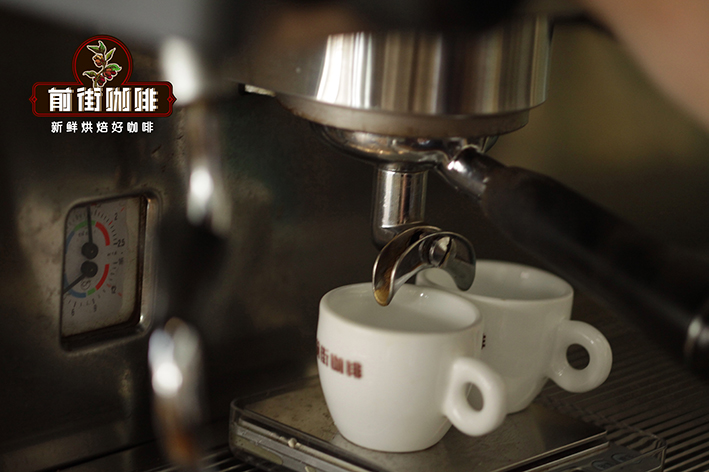
As FrontStreet Coffee mentioned above, American coffee in cafes is currently made by diluting espresso with water, which makes it very simple to prepare. Pour-over coffee, by contrast, refers to brewing under atmospheric pressure: a filter holder and filter paper hold appropriately ground coffee beans, and the brewer pours water of the right temperature and volume over the grounds with a steady technique to extract the coffee liquid. Because grind size, water temperature, pouring method and brewing time all affect the extraction of flavor, this brewing method requires considerable skill and professional knowledge. From the perspective of technique, then, pour-over coffee demands more expertise than American coffee.
What's more, pour-over coffee typically uses single origin coffee beans. So what kind of beans are used for American coffee? As mentioned above, the espresso base for American coffee is made with an espresso machine. A characteristic of espresso machines during extraction is that they amplify the flavors of coffee beans under high pressure.
Single origin coffee beans sold in the specialty coffee market are therefore not ideal for espresso machines, because their flavors are easily amplified into undesirable tastes. Instead, blends of beans from several regions are used, typically two or three varieties. The purpose of blending is obvious - to bring together the flavors of different beans, present a completely new flavor, achieve a more balanced result, and also serve as the shop's signature.
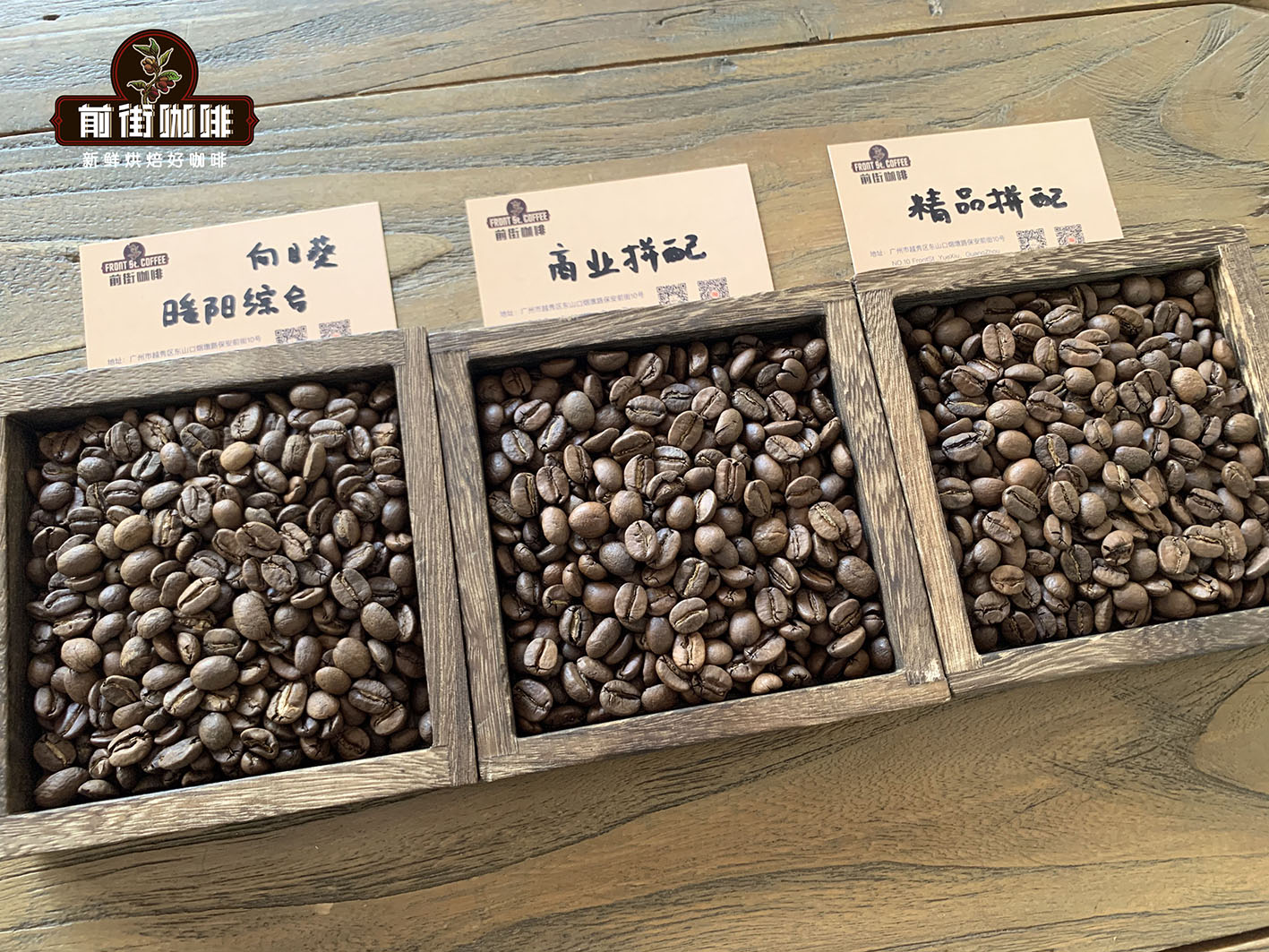
This does not mean single origin beans cannot be extracted with an espresso machine; it just means the parameters and roasting curves need to be adjusted, which is quite complicated. Coffee made this way cannot be called espresso but is instead known as SOE (Single Origin Espresso).
So the most significant differences between American coffee and pour-over coffee are the different coffee beans used, the different brewing methods and, naturally, different brewing parameters. Next, FrontStreet Coffee will explain how to make American coffee and pour-over coffee.
How to Make American Coffee
As FrontStreet Coffee mentioned above, making American coffee is simply adding a shot of espresso to a cup of water. The natural question here is the water-to-coffee ratio - how much water is needed, and how many coffee grounds should be used to make the espresso? Since every coffee shop's American coffee ratio differs, FrontStreet Coffee will use its own preparation as an example.
American Coffee Water-to-Coffee Ratio
FrontStreet Coffee experimented with multiple ratios, from 1:6 to 1:8, tasting constantly to find an espresso base that would suit the general public while highlighting the coffee's flavor. In the end, FrontStreet Coffee settled on a 1:6 ratio. That means 40 grams of coffee liquid mixed with 240 grams of hot water.
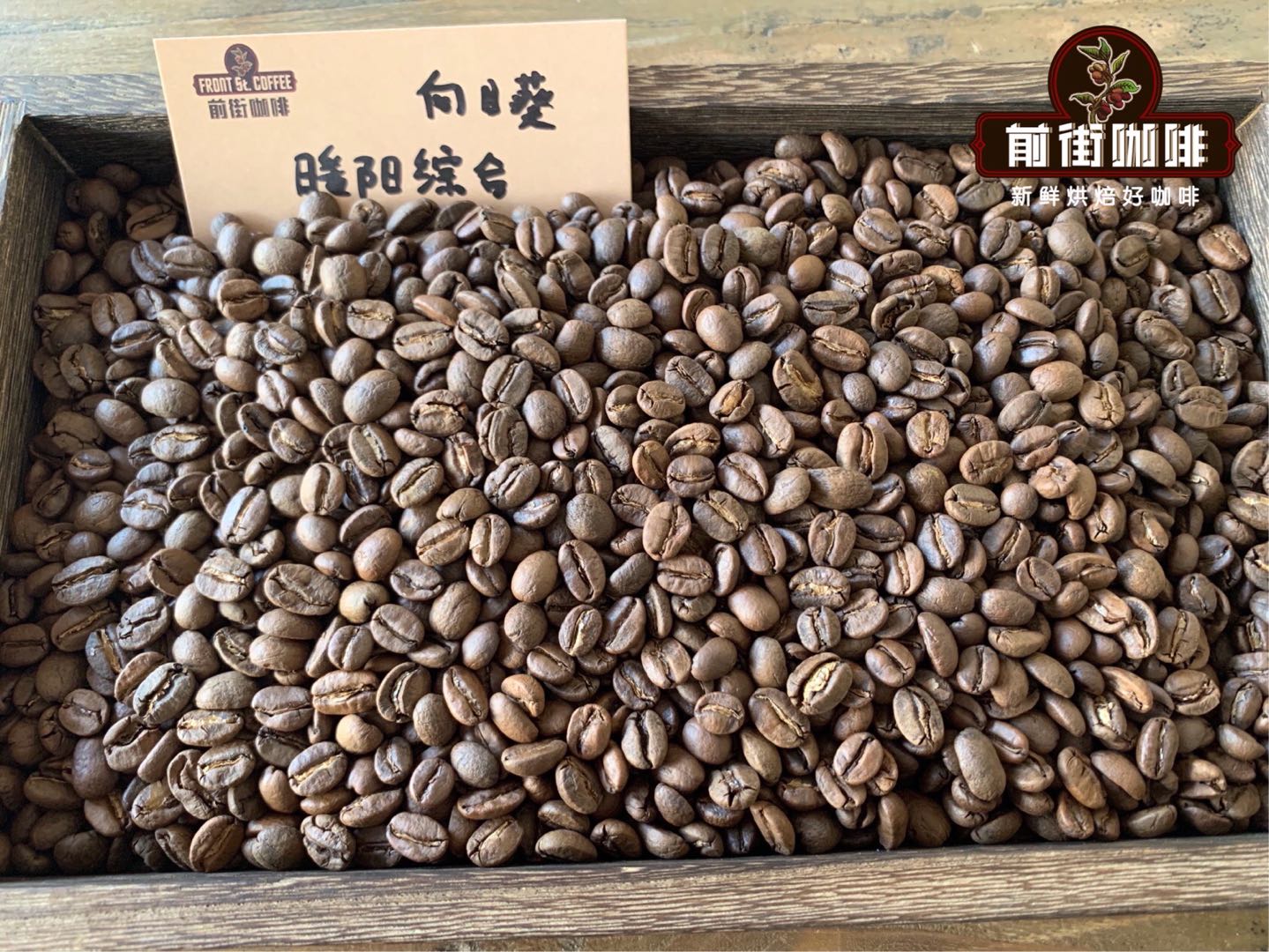
Because FrontStreet Coffee's American coffee blend is made from Honduras Sherry coffee beans and Ethiopia natural-processed red cherry coffee beans in a 6:4 ratio, the 1:6 ratio best highlights the wine aroma and cocoa aftertaste of this "Warm Sun" blend.
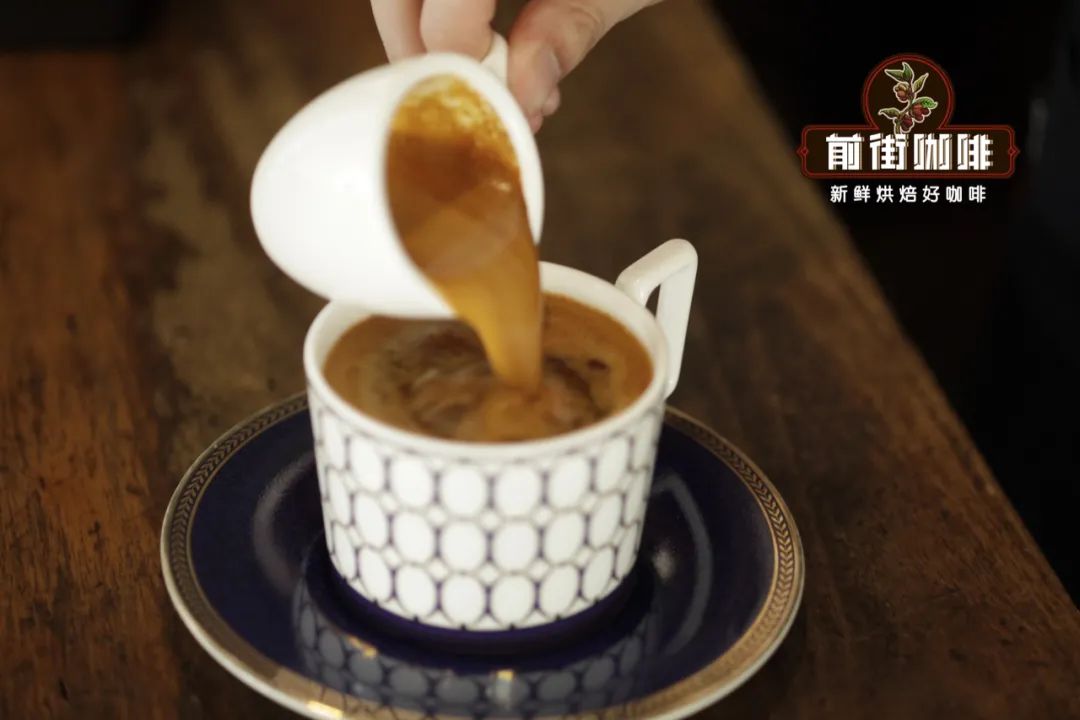
In summary, the recommended American coffee brewing parameters are: a double portafilter with 20 grams of coffee grounds (±1 gram), extracting 40 grams of coffee liquid in 28 seconds, then pouring the coffee liquid into a 330ml cup containing ice cubes and water. If you prefer a stronger coffee flavor, reduce the water a little. If you want a more diluted taste, add more water.
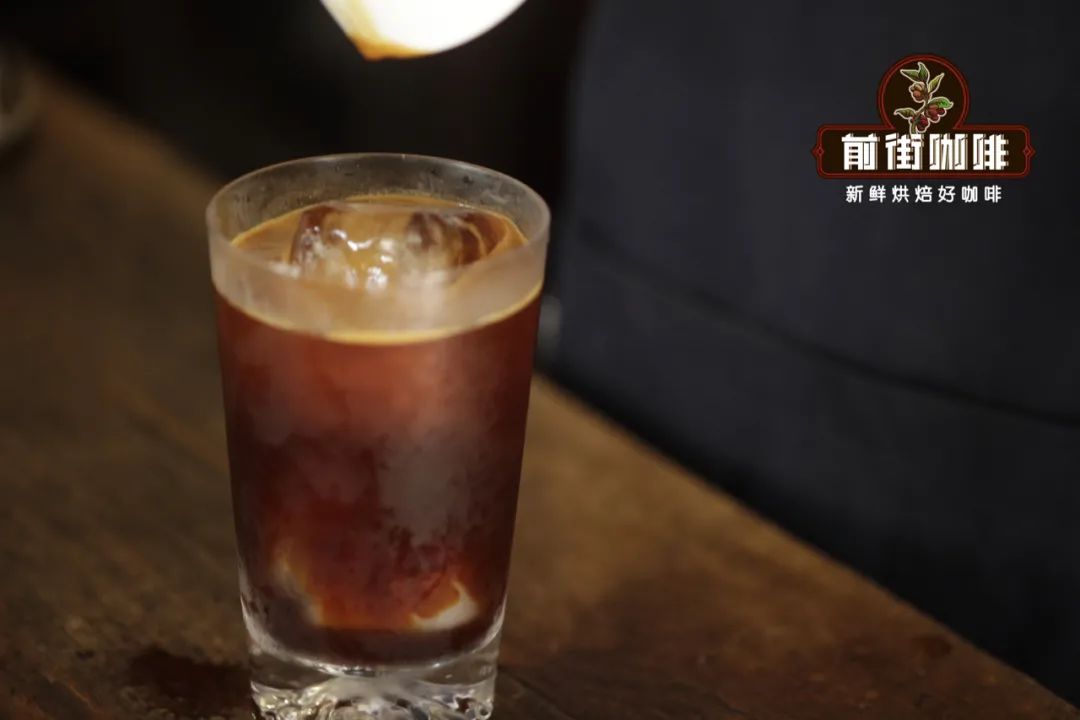
Likewise, when making iced American coffee, pre-chill the cup with ice cubes, then add water, and finally pour in the espresso. Because ice cubes are added, FrontStreet Coffee's iced American coffee uses a 1:7 ratio, with 40 grams of coffee liquid mixed into 280 grams of ice-water mixture (180 grams of ice cubes and 100 grams of water).
How to Make Pour-Over Coffee
When making pour-over coffee, you naturally need to prepare the corresponding equipment. You also need to pay attention to the water-to-coffee ratio, the grind size, the water temperature and the brewing technique. FrontStreet Coffee covered the American coffee ratio above, so now let's turn to the pour-over water-to-coffee ratio.
Based on SCA Golden Cup extraction theory, FrontStreet Coffee has identified the extraction parameters for pour-over coffee-to-water ratios and their resulting flavor differences:
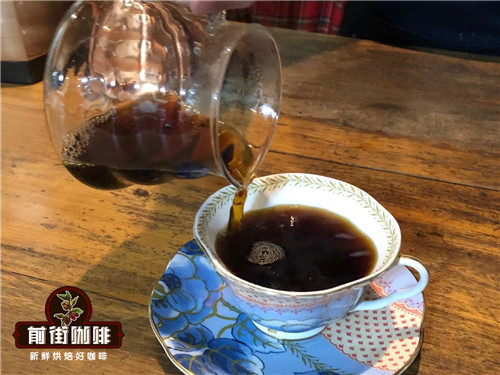
[Bold Flavor] 1:10-1:11 (equivalent to Golden Cup standard 1:12.5-1:13.5)
[Medium Flavor] 1:12-1:13 (equivalent to Golden Cup standard 1:14.5-1:15.5)
[Light and Fresh] 1:14-1:16 (equivalent to Golden Cup standard 1:16.5-1:18.5)
The optimal pour-over ratio, meaning coffee bean weight to black coffee volume, is between 1:12-1:13. This corresponds to the four major Golden Cup systems in Europe and America, where coffee bean grams to water weight is 1:14.5-1:15.5, most likely to hit the "Golden Cup" extraction of 18%-22% and a concentration of 1.15%-1.35%, avoiding both overly concentrated coffee with muddled flavors and watery coffee with weak flavor. This is why FrontStreet Coffee's baristas recommend a 1:15 water-to-coffee ratio.
Pour-Over Coffee Grind Size Standard
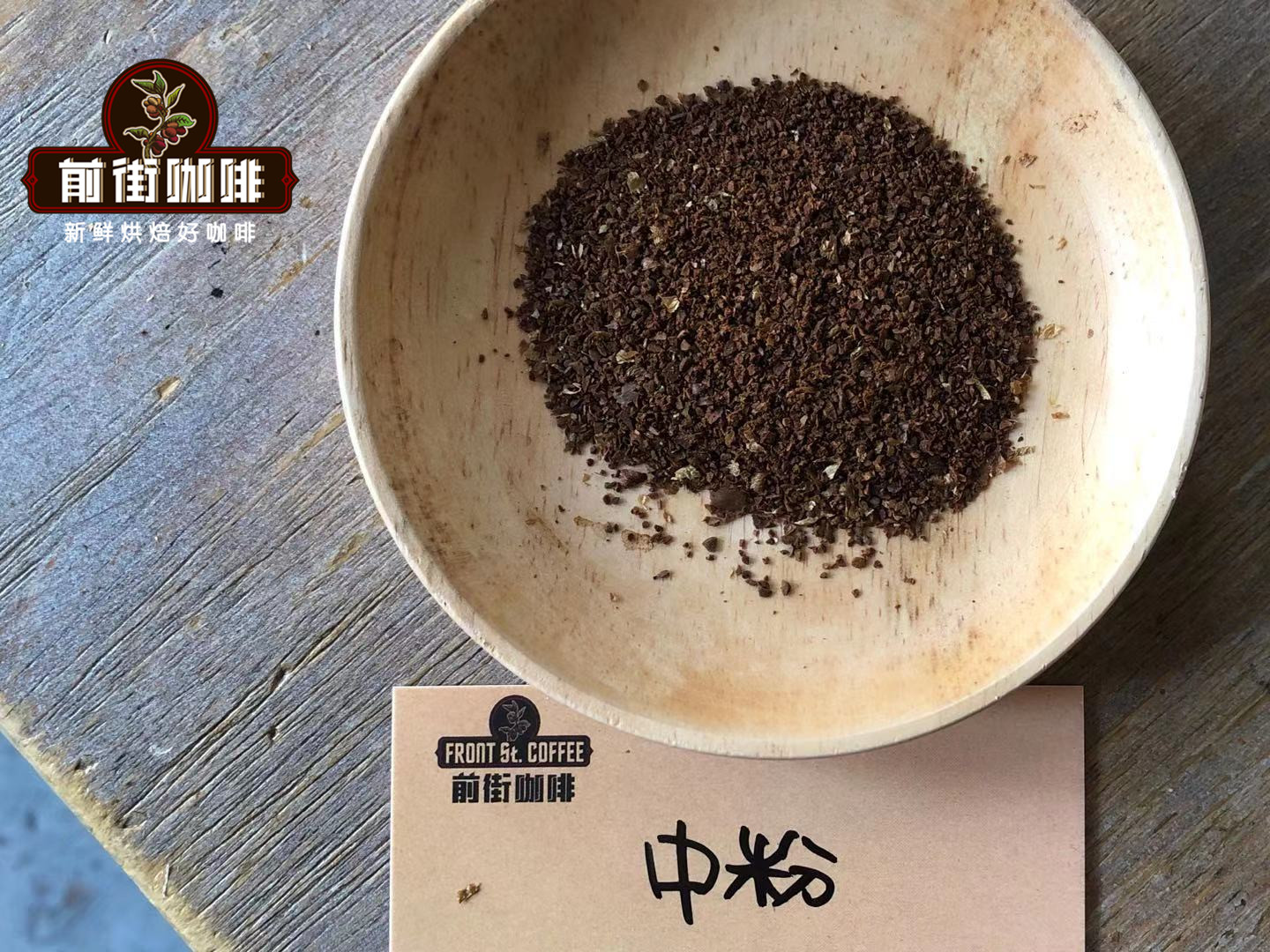
Next is grind size, which is an important cause of many problems in coffee brewing. The shop may provide a pour-over grind standard and reference objects, but every grinder is different, so you need to watch for how evenly your grinder grinds, how much fine powder it produces, the particle size, and so on. Even with the same model of grinder, the ground coffee state will differ (usage time can cause grinding deviations), let alone when you and the merchant are not using the same machine.
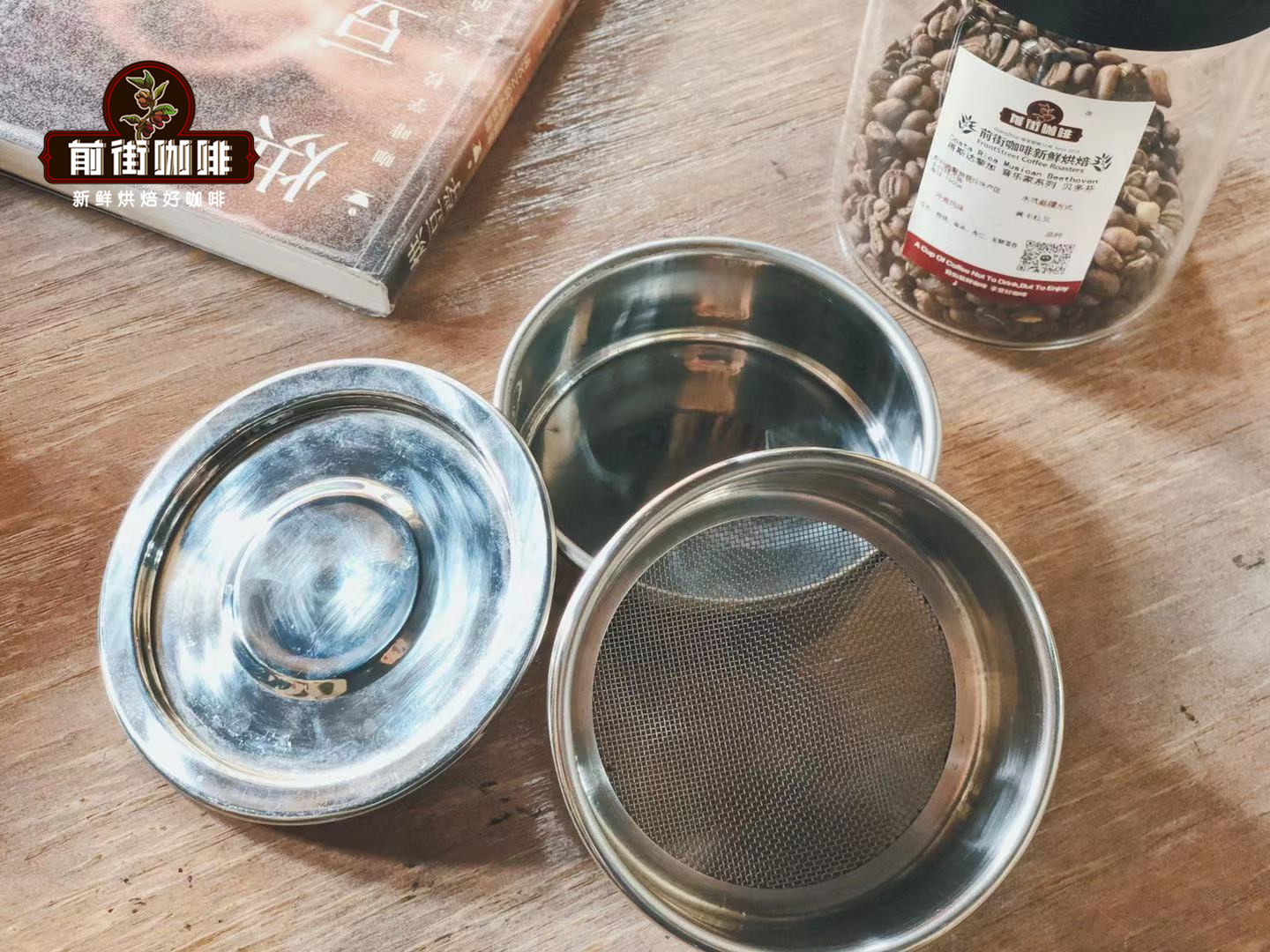
The solution to this problem is to establish a unified standard. For example, FrontStreet Coffee uses the national standard #20 (850 microns) sieve for screening and calibration. According to SCAA cupping standards, cupping grind should have a 70-75% pass rate through a #20 standard sieve. FrontStreet Coffee's grind size for brewing pour-over light roast coffee is generally in the 75-80% range.
Next, FrontStreet Coffee will demonstrate pour-over parameters using Yirgacheffe Gudina coffee beans as an example.
FrontStreet Coffee Ethiopia Yirgacheffe Gudina Coffee Beans
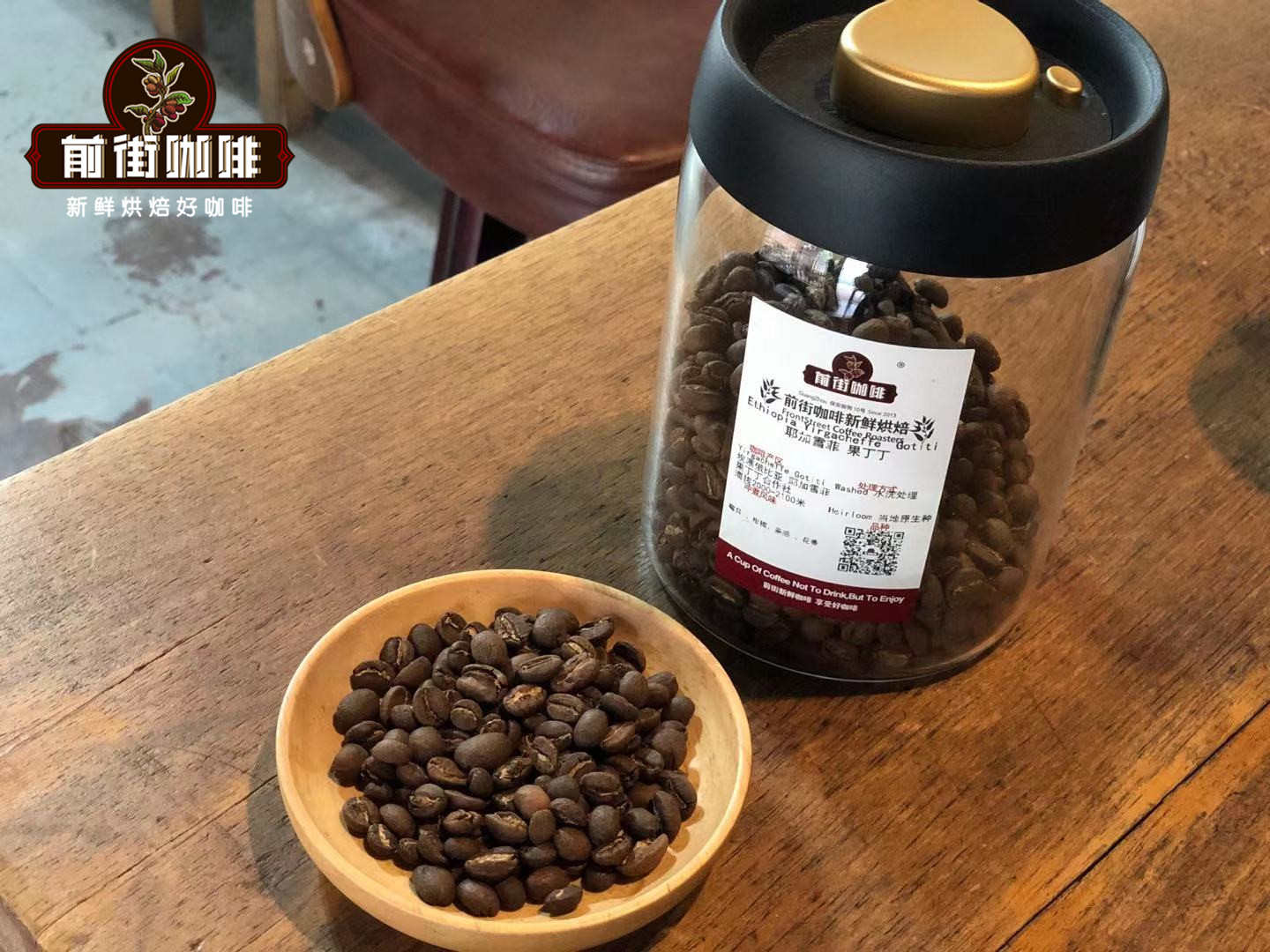
Country: Ethiopia
Region: Yirgacheffe
Altitude: 1900-2300m
Variety: Local native varieties
Processing Method: Washed
Flavor: Tropical fruits, cream, honey, berries, citrus
FrontStreet Coffee Yirgacheffe Brewing Data
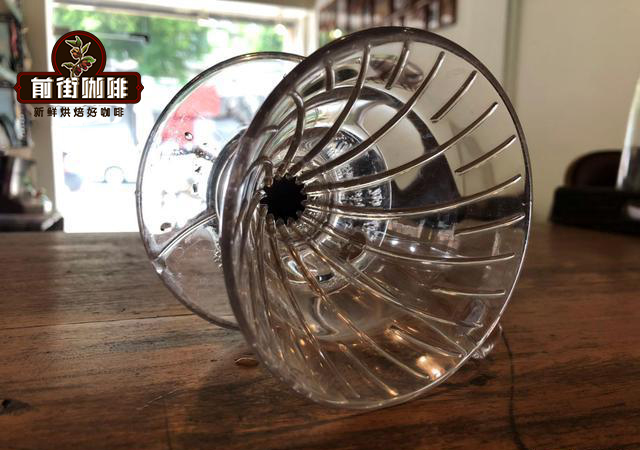
Filter: V60 #01
Water Temperature: 90-91°C
Coffee Dose: 15g
Water-to-Coffee Ratio: 1:15
Grind Size: BG6m/medium-fine (sieved to 80% with a #20 sieve)
Brewing Technique: Three-Stage Extraction
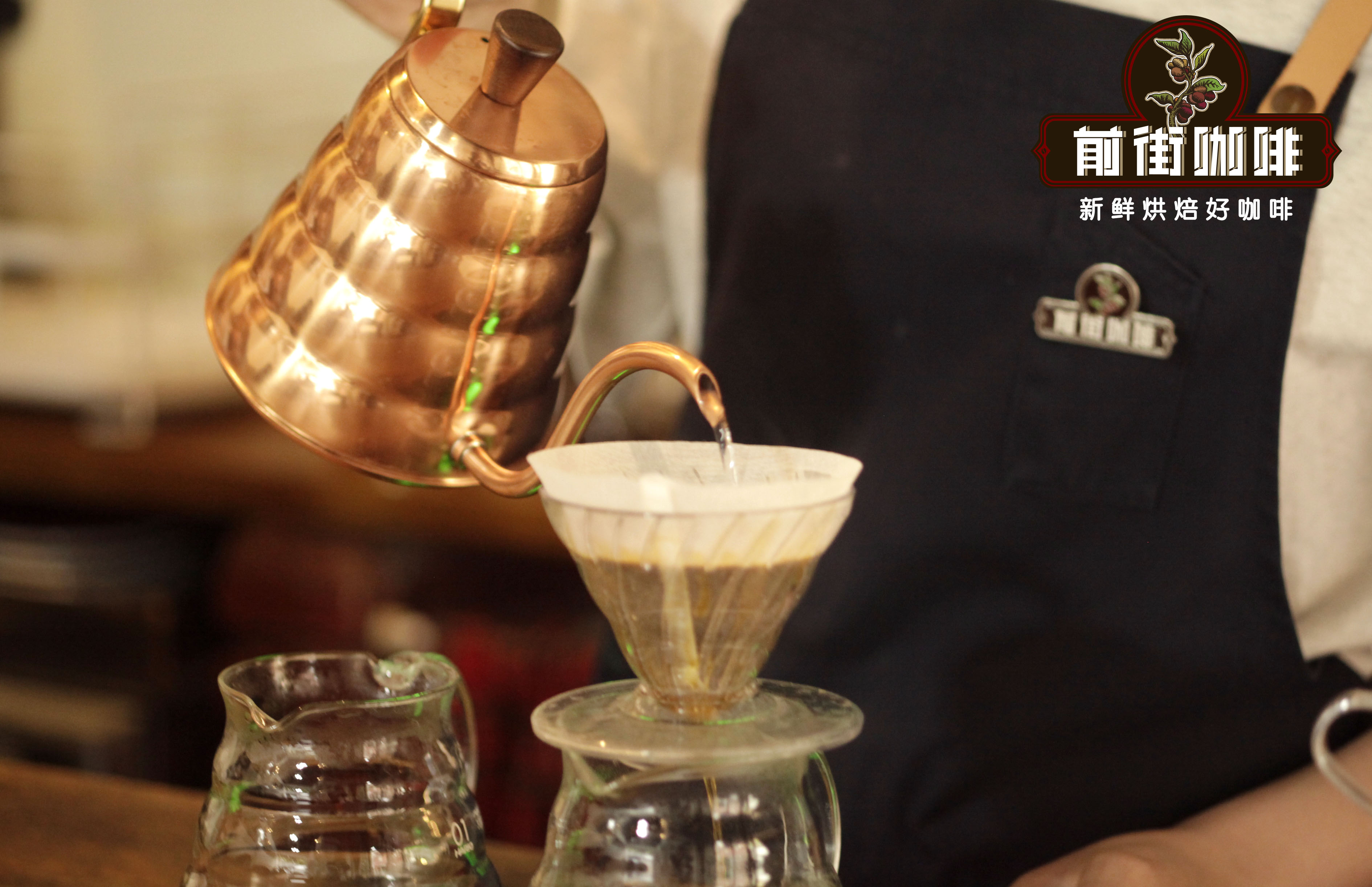
First stage: pour 30 grams of water for a 30-second bloom, then pour 95 grams more (the scale shows about 125 grams), finishing in about 1 minute. When the water level drops to two-thirds of the coffee bed, pour the remaining 100 grams (the scale shows about 225 grams), finishing in about 1 minute 35 seconds. Complete the drip between 2'00" and 2'10", then remove the filter holder to finish extraction.
Washed Gudina brewing flavor: the entry shows citrus and black tea notes. As the temperature changes, cream, caramel and almond aftertaste emerge, with an obvious sweet aftertaste and a clean, sweet mouthfeel.
The above is FrontStreet Coffee's summary of the differences between American coffee and pour-over coffee and how to make them. We hope this helps all coffee enthusiasts make American coffee and pour-over coffee themselves in the future.
FrontStreet Coffee Recommendation
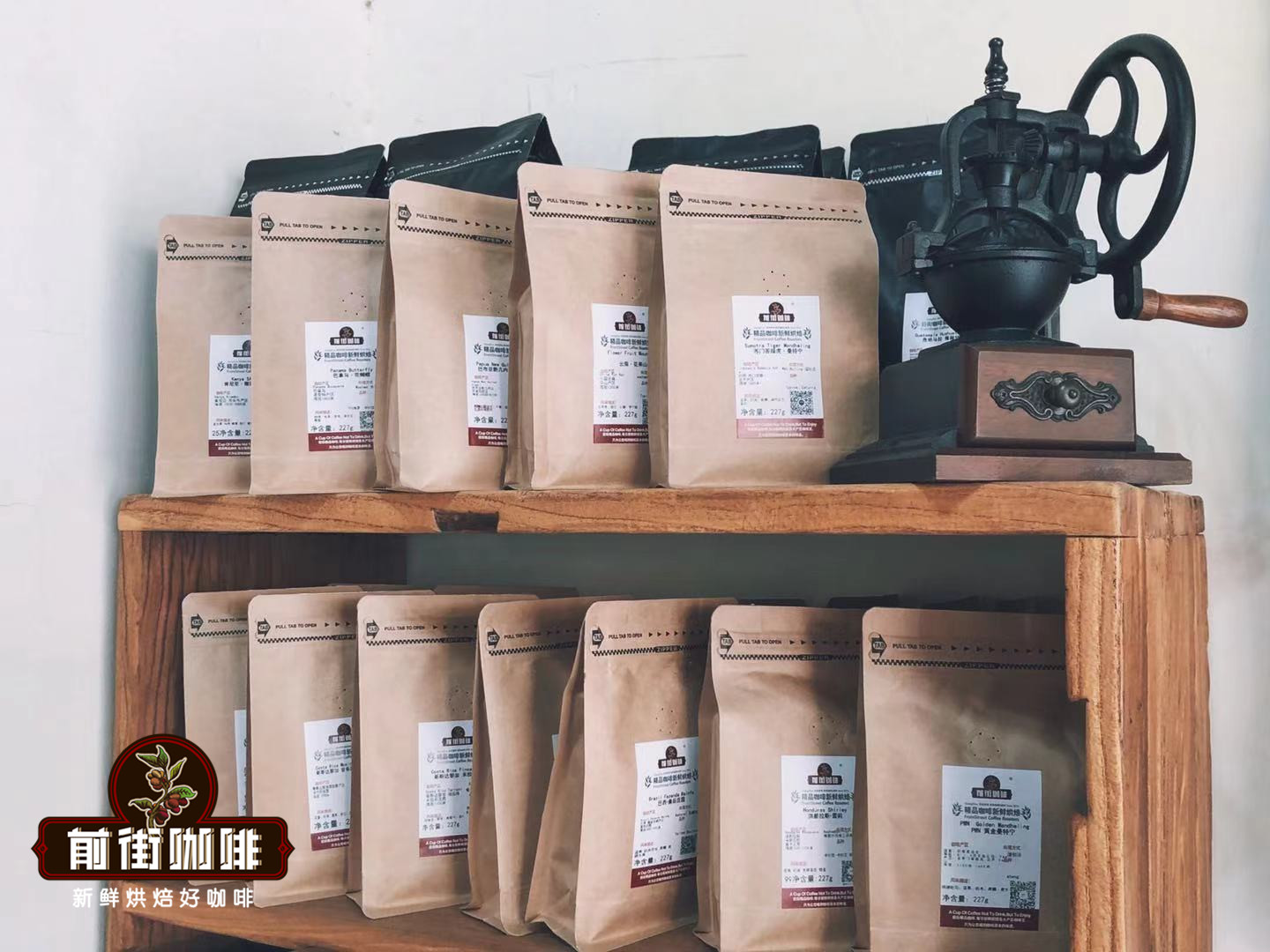
Pour-over is where a single origin really shows its range, and FrontStreet Coffee roasts a full lineup of beans that suit a V60. The FrontStreet Ethiopia Yirgacheffe Gudina is the very bean used in the demonstration above: washed and bright, with citrus and black tea on entry and cream, caramel and almond arriving as the cup cools. The FrontStreet Huakui, a natural-process Ethiopian coffee, pushes further into fruit, with creamy strawberry, mango, jackfruit, citrus and blueberry and a long, layered finish. The FrontStreet Strawberry Candy, which pairs a Costa Rican honey-process coffee with a Panama Geisha, sits in between - delicate florals and sweet fruit that also work in a moka pot, a coffee machine or a cold brew.
If you want to try a lighter, tea-like profile, the FrontStreet Kenya Cherry Tomato from the Thika region is grown at 1,550-1,750 meters from SL28 and SL34, given Kenya's classic 72-hour double washed fermentation and roasted light, for bright cherry-tomato and dark-plum acidity, pear and black plum, and a clean finish of brown sugar and green tea. For those who prefer a fuller cup, the FrontStreet PWN Golden Mandheling and the FrontStreet Brazil Queen Estate both brew beautifully by pour-over with a rich, low-acid balance.
Important Notice :
FrontStreet Coffee is a long-established specialty coffee roaster in Guangzhou China, selling freshly roasted beans from its own farm in Yunnan as well as dozens of carefully selected single-origin beans from around the world for both pour-over and espresso. The products deliver consistently excellent quality and great value, with shipping within 24 hours. Guangzhou's FrontStreet Coffee shop is recommended by many coffee lovers, and the beans are now available online at the Tmall 。
FrontStreet Coffee has moved to a new address:
FrontStreet Coffee Address: 315,Donghua East Road,GuangZhou
Tel:020 38364473
 Scan and follow the En Gafei WeChat official account. Please indicate that the reprint comes from "En Gafei".