Siphon Coffee: How to Use a Siphon Brewer and Master Coffee Grounds Technique
The siphon brewer is not only elegant to look at — watching it work is a treat in itself. Siphon coffee excels at expressing flavor and highlighting the differences between single-origin beans, producing richer, mellower cups. Because the brew passes through high, medium, and low temperature stages over the heat source, it generates remarkably rich flavor variation.
Brewing with a siphon pot tests your technique, with strict demands on both timing and water temperature. Just as there are several stirring methods, there is also a fine art to when the grounds go in. The two most common approaches are adding grounds first and adding grounds later — bottom addition versus top addition. Neither is right or wrong; each simply offers different control points and advantages. Below, we use a washed Yirgacheffe Wega to demonstrate both methods.
Working Principle
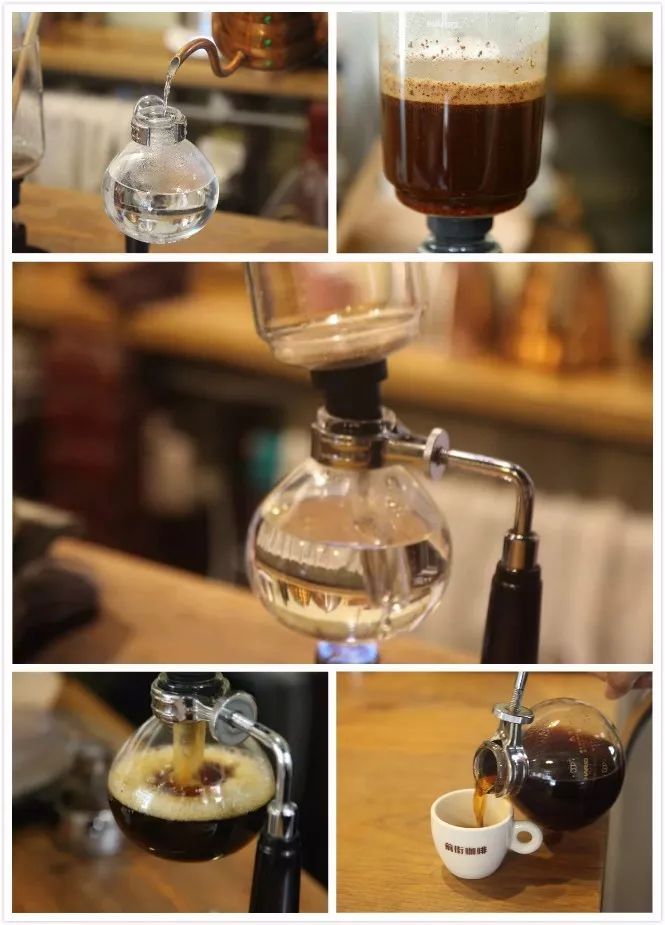
Siphon extraction relies on pressure difference. First, heat the water in the lower chamber to a boil, then insert the upper chamber; pressure builds in the lower chamber, and the pressure gap pushes hot water up to mix with the grounds and extract. When extraction finishes, remove the heat source, and the pressure difference collapses almost instantly. The resulting siphon effect draws the brewed coffee back down into the lower chamber. To speed the return, wipe the lower chamber with a damp cloth — cooling it shrinks the pressure difference further and accelerates the drawdown.
Preparation
1. Fill the lower chamber with water. For two servings, fill to 5mm above the 2-cup mark; since the grounds absorb water, add slightly more than you want to drink.
2. Grind the beans: prepare 25g of coffee (about 15g per serving) at a medium grind — Fuji mill setting 4, with particles between white and brown sugar in size.
3. After filling the lower chamber, wipe its outside completely dry with a soft cloth. Any water left on the glass can cause it to crack during heating.
4. Heat with a gas burner. A single serving uses roughly 180g of water, a double 300g (a 1:12 coffee-to-water ratio).
5. Once these steps are done, start heating.
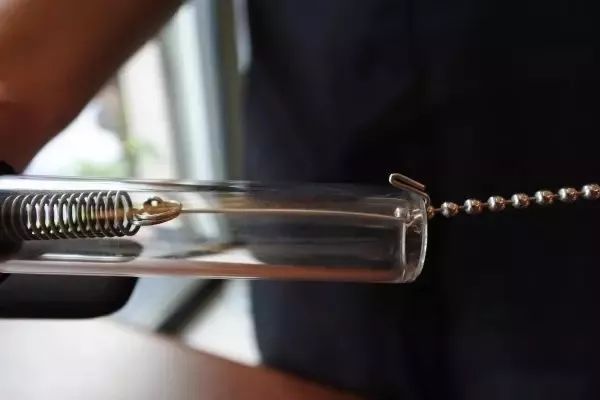
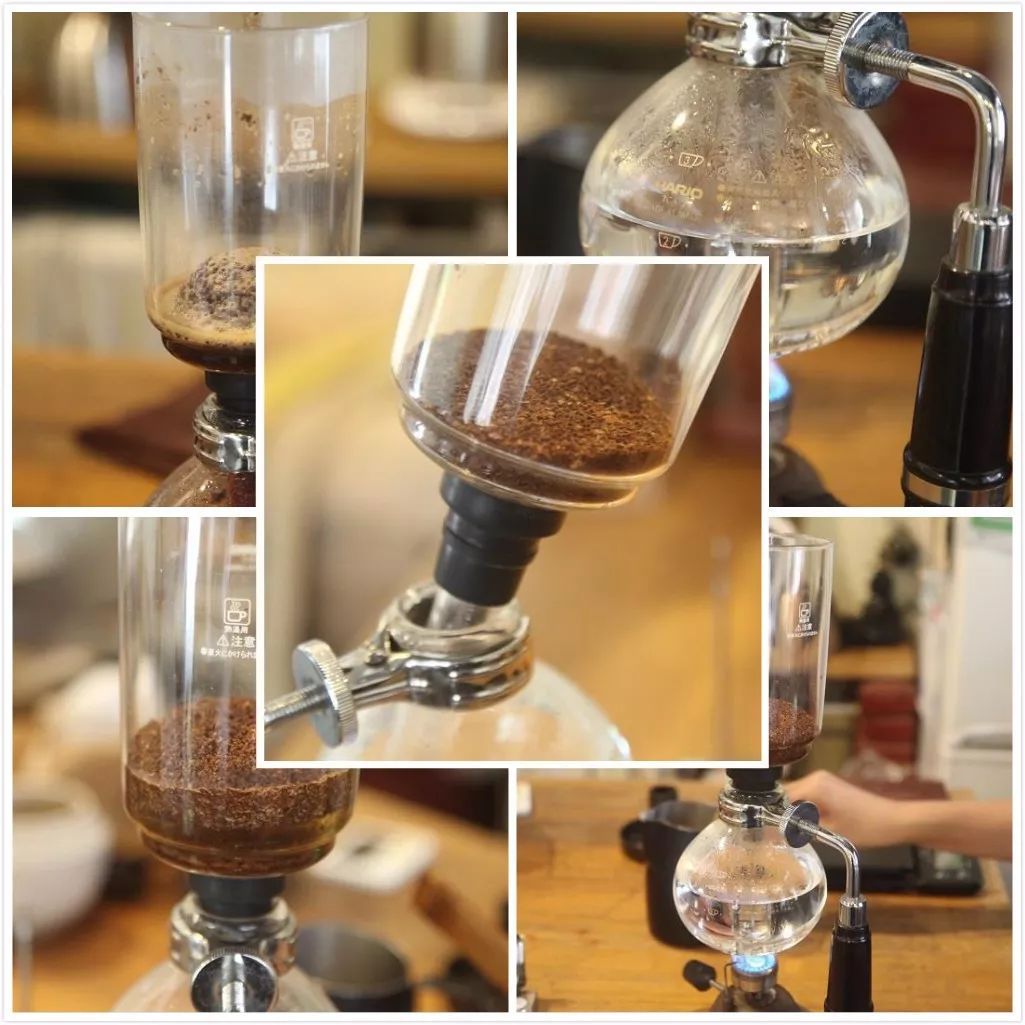
When the water approaches brewing temperature, fit the filter cloth into the upper chamber. Hook it exactly as shown below — otherwise the rising water will push the filter out of place.
Adding Grounds First
Adding grounds first means placing the coffee in the upper chamber before the water rises. This method demands finer control of the heat: adjust the flame as the water climbs so excessive bubbling doesn't disturb the bloom. It's also wise to run a pot of plain water through first to check that the filter sits centered — an off-center filter likewise causes constant large bubbles. The advantage of adding grounds first is a gradual temperature and wetting process for the grounds, which reduces the number of initial stirs and encourages a better bloom. The trade-off is looser temperature control, so timing the insertion of the upper chamber is critical. In other words, it looks simpler, but it actually takes more hands-on experience than adding grounds later.
Technique (Using Washed Yirgacheffe Wega)
(1) When the lower chamber reaches 90°C, pour in the grounds and seat the upper chamber;
(2) Once the water has fully saturated the grounds, give the first stir and start timing. Adjust the flame as the water nearly finishes rising;
(3) After a 30-second bloom, perform the second stir;
(4) Around the 50-second mark, give the final stir, remove the heat source, and let the coffee draw down.
Adding Grounds Later
The opposite approach: wait until all the water has risen to the upper chamber before adding the grounds. This gives you time to dial the flame down to just enough to hold the water in the upper chamber, re-center the filter, and let the temperature settle. When water first arrives in the upper chamber it is usually around 90-95°C, so you can let it drop 2-5 degrees before adding the grounds. Higher water temperatures pull out more bitterness — even scorched flavors — while lower temperatures emphasize acidity and aroma, though too low risks under-extraction, thinning the body and making the acidity sharp. Matching the water temperature to the coffee you are brewing is therefore essential.
Technique (Using Washed Yirgacheffe Wega)
(1) At 90°C, seat the upper chamber. Once the water has risen fully, add the grounds, stir, and start timing;
(2) Adjust the flame; after a 30-second bloom, perform the second stir;
(3) Around the 50-second mark, give the third stir, remove the heat source, and let the coffee draw down.
Conclusion
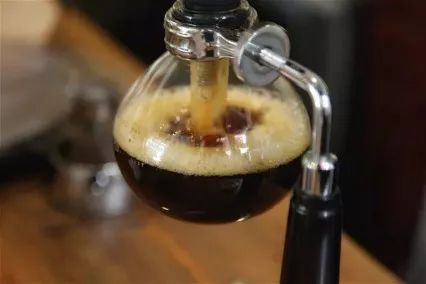
Adding grounds first emphasizes cleanliness, with abundant, long-lasting aroma and prominent lemon acidity, citrus, and white grape juice flavors. But it demands precision — poor control easily tips the cup into under-extraction or sharp over-extraction.
Adding grounds later produces richer flavors, with more pronounced mid-palate caramel and honey notes. Cleanliness is slightly lower and the aroma less lifted, so temperature management matters most here.
Try both methods. With some experience, you can even choose between them based on the character of each bean or the extraction you're after.
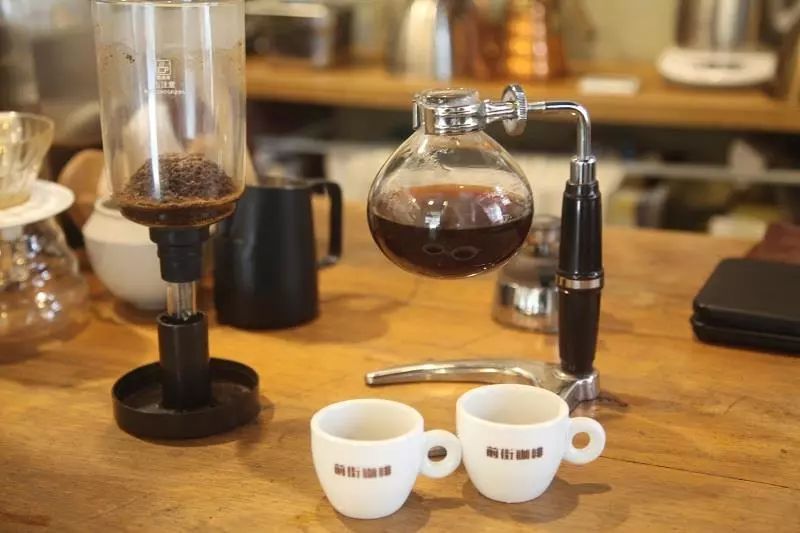
Image source: FrontStreet Coffee
FrontStreet Coffee Recommendation
A washed Yirgacheffe like Wega shines in the siphon, and FrontStreet Coffee's washed Yirgacheffe G1 is the classic starting point: jasmine blossom, bright citrus and lemon acidity, and a tea-like finish at a friendly price — the bean many coffee lovers use for their very first specialty brew.
If you'd like to explore deeper into the region, FrontStreet Coffee's washed Worka (Idido) cooperative lot from the Worka area at the southeastern edge of Yirgacheffe is a step up: traditional washed processing delivers citrus and lemon brightness with no harsh bitterness, wrapped in jasmine fragrance. For pour-over sessions between siphon runs, use 15g at a 1:15 ratio with 90-91°C water on a V60, blooming with 30g of water for 30 seconds before pouring in stages to 225g.
Important Notice :
FrontStreet Coffee is a long-established specialty coffee roaster in Guangzhou China, selling freshly roasted beans from its own farm in Yunnan as well as dozens of carefully selected single-origin beans from around the world for both pour-over and espresso. The products deliver consistently excellent quality and great value, with shipping within 24 hours. Guangzhou's FrontStreet Coffee shop is recommended by many coffee lovers, and the beans are now available online at the Tmall 。
FrontStreet Coffee has moved to a new address:
FrontStreet Coffee Address: 315,Donghua East Road,GuangZhou
Tel:020 38364473
 Scan and follow the En Gafei WeChat official account. Please indicate that the reprint comes from "En Gafei".