Coffee Beginner's Guide: How to Brew Coffee with Hario V60 Dripper?
When we make pour-over coffee, if all we do is dump hot water into the filter cup, that action is really just soaking ground coffee in hot water — not truly brewing coffee.
Today I'm sharing 6 basic pour-over technique details to help you brew a delicious single-origin coffee, happily and repeatably.
1. Choose Equipment
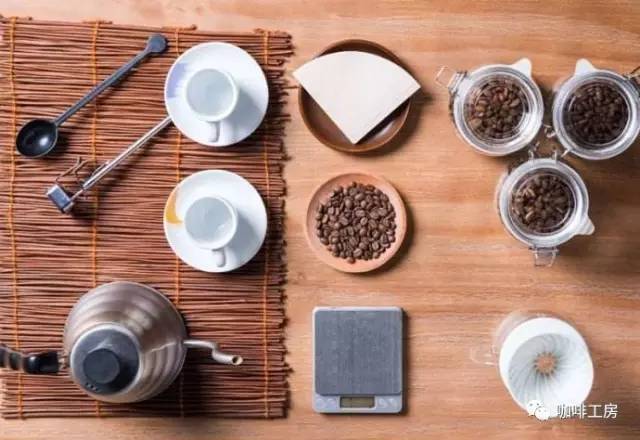
Choosing a kettle: Pour-over gear comes in countless brands. For beginners, the usual advice is to start with a gooseneck kettle — a narrow-spout one with an inner spout diameter of 5mm or less, since the flow is easier to control and can't surge. When the flow is too strong, water channels straight through the grounds into the server, causing under-extraction.
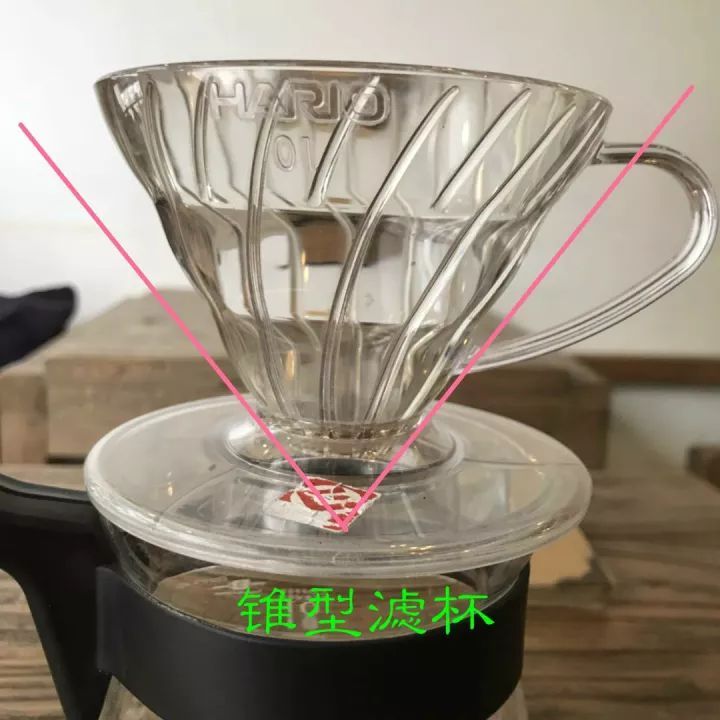
Choosing a filter cup: Today I chose a resin V60, because the V60 delivers excellent layering, letting the coffee show richer acidic changes from hot to cold.
Choosing filter paper: We generally pick bleached paper, as its paper-pulp taste is milder. Both bleached and unbleached papers are on the market, and the differences are as follows:
1. Bleached: filter paper that has undergone bleaching treatment, which makes it appear whiter.
2. Unbleached: paper that has not been bleached, leaving it light brown. Imported bleached papers have strict requirements for material selection, craftsmanship, and quality control. Bleaching today mainly uses enzymes — biologically active enzymes widely used in the medical field, with negligible levels of harm. Wetting the filter paper improves its fit with the dripper and doubles as warming the cup.
Other equipment to prepare: a scale, a timer, and a thermometer.
2. Weigh Coffee Beans
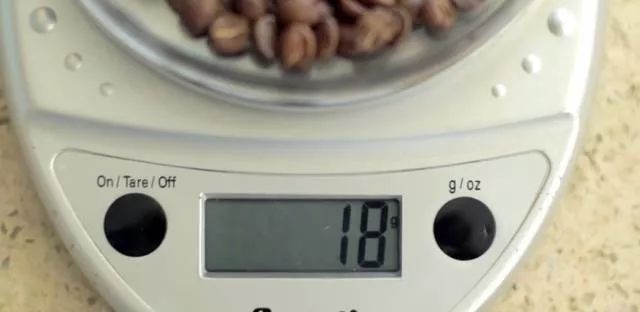
If using 18g of coffee at a water-to-coffee ratio of 1:16,
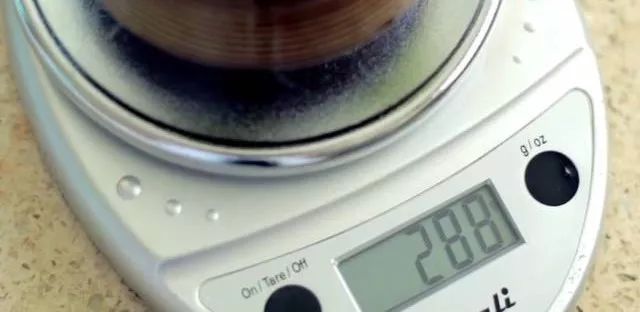
the water should be 18 x 16 = 288ml.
Do this math before you start brewing.
3. Grinding
"Basically, light roasts can be ground finer, dark roasts coarser."
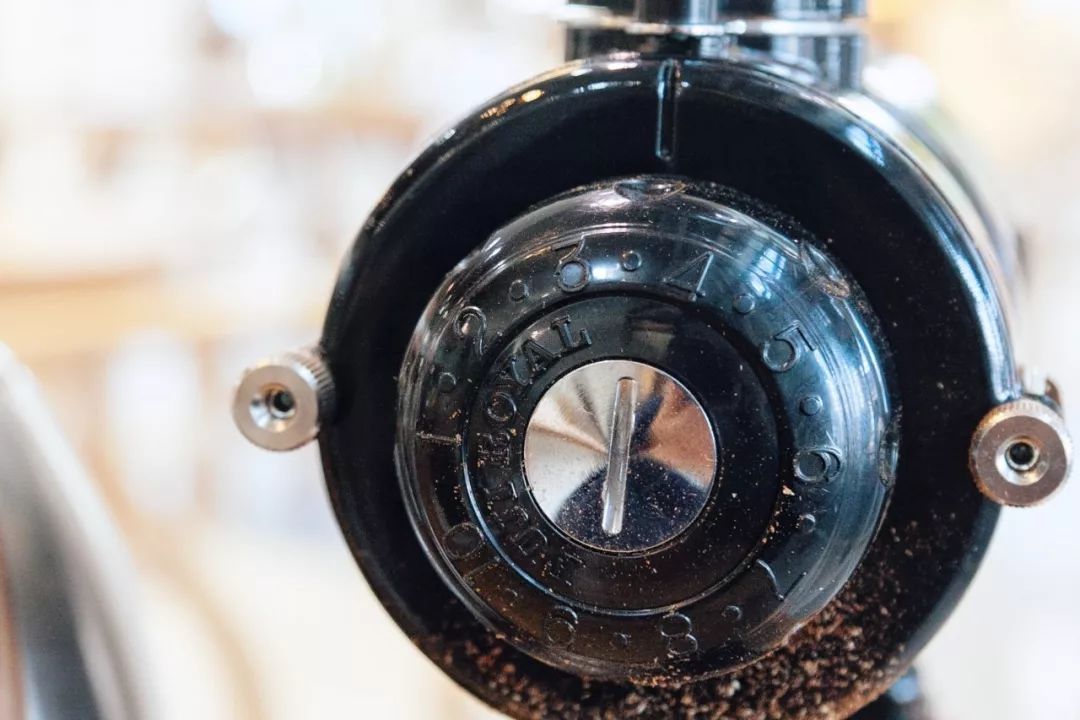
Using the Fuji grinder as an example, the optimal pour-over grind size falls between settings 3-4.
You can use fine granulated sugar as your reference.
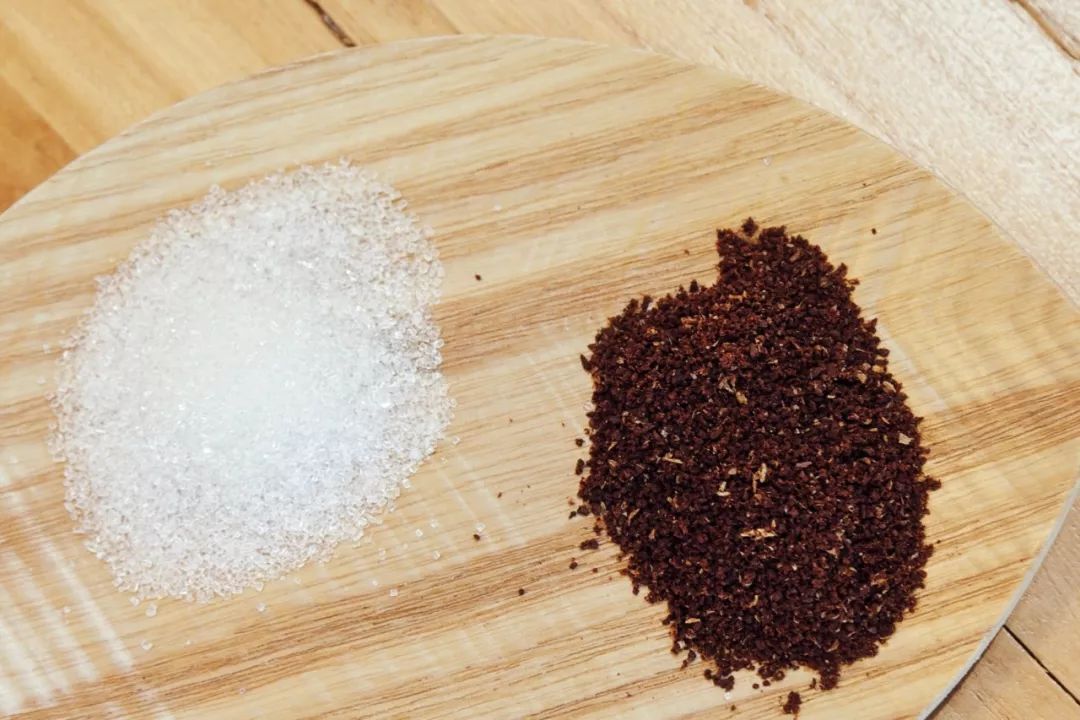
For example:
Medium-light roast Zhuh Mang: needs a fine grind, with water at 90-94°C.
Dark roast Mandheling: needs a medium to coarse grind; 85-88°C water is enough.
4. Bloom Time
Today I chose a Yirgacheffe, medium-light roast, beans roasted 5 days ago. I'll use 90°C water and a 1:15 coffee-to-water ratio in three stages to highlight its berry flavors. With 15 grams of grounds at 1:15, multiply by the factor 15 to find the water: 225 grams.
First rinse the filter paper, add the grounds, and level the bed.
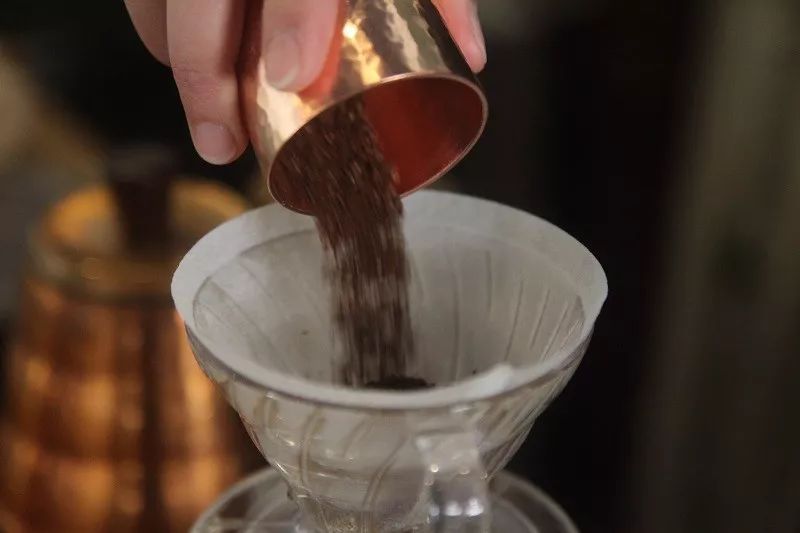
(Usually, before adding the grounds you'll gently tap the dosing cup or sift out fines, so the absorbed fines settle at the bottom of the cup instead of clogging the dripper later during the pour.)
Then use an appropriate amount of water for the bloom
(about a 1:2 ratio — 15g of grounds takes roughly 30-32g of water).
Light roasts pre-infuse for 30 seconds.
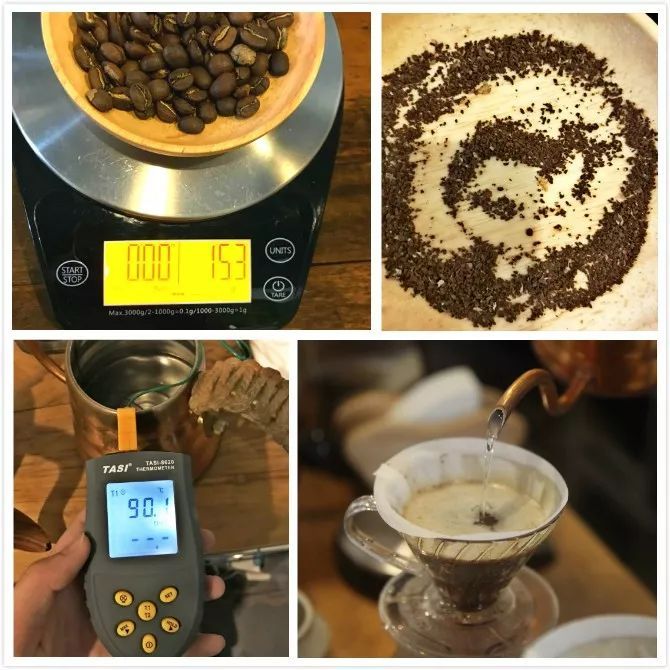
5. Pouring Water
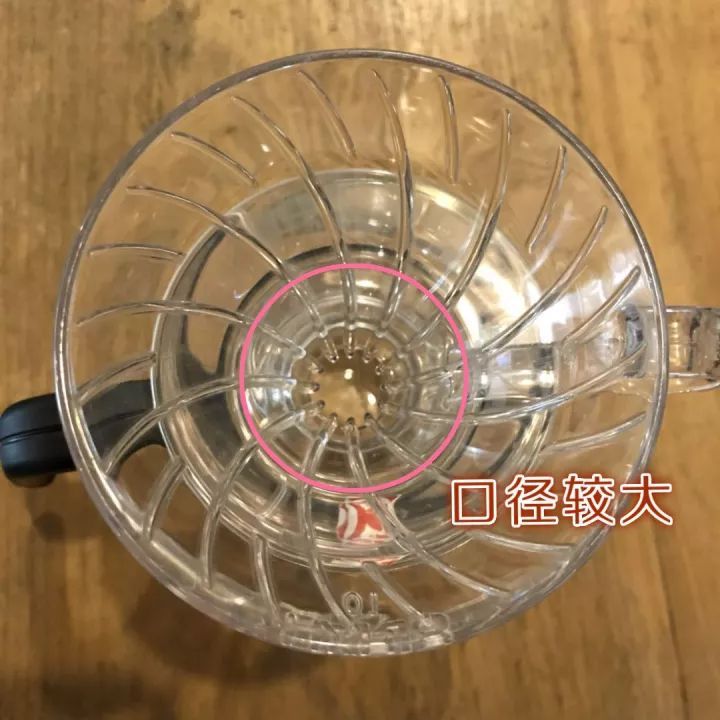
Counter-clockwise pouring: The spiral grooves of the HARIO V60 are shaped as counter-clockwise radial ribs. So according to the theory of "squeezing the coffee bed through water-flow gravity," extraction rates do differ slightly depending on whether you pour clockwise or counter-clockwise in a counter-clockwise radial-groove dripper.
First pour with a fine stream: slower brewing.
Second pour with a thicker stream: faster brewing.
Whatever the flow rate, the pour must stay stable.
Centering on the middle of the dripper, pour in circles and avoid hitting the seam where the grounds meet the filter paper, to prevent channeling (channeling is when water bypasses the grounds entirely and runs straight into the server).
Brewing time: generally between 1 minute 40 seconds and 2 minutes 30 seconds. The longer the time, the more substances are extracted — with the same water poured in, the cup grows stronger, but the risk of obvious bitterness rises too.
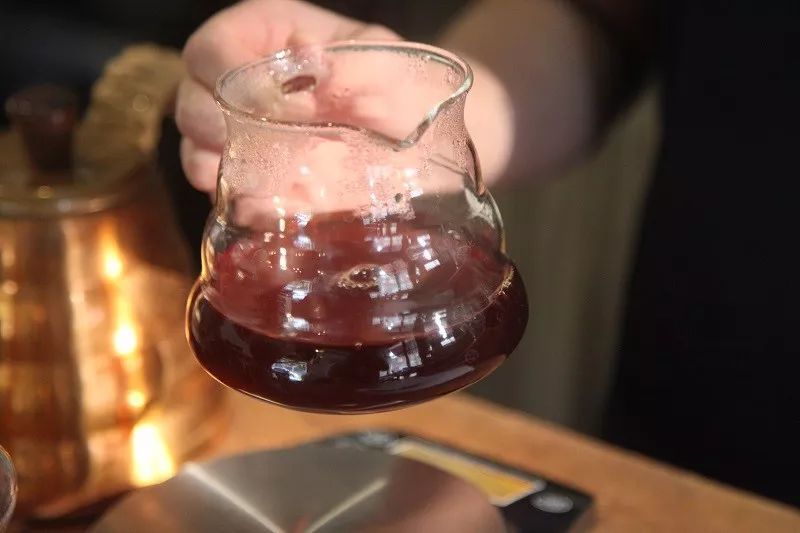
The aroma of freshly brewed coffee is your first sensation when tasting,
letting you feel the ever-changing flavors of coffee.
In a single cup you can often smell a whole range of aromas:
florals, fruit acidity, caramel, and more. That is exactly what makes coffee fascinating!
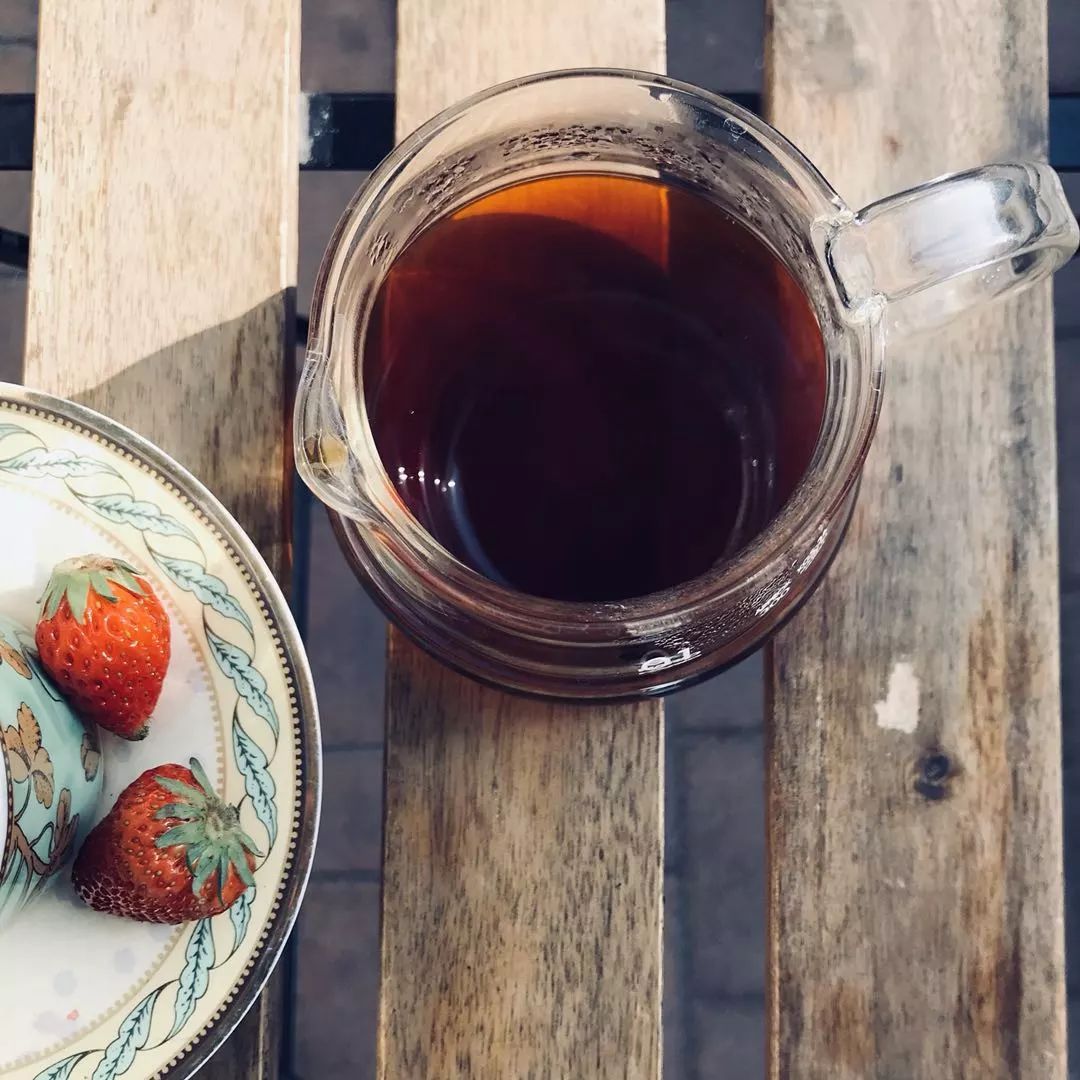
Learn to try several times and find your balance point.
Feeling the joy of pour-over through that process is the best part!
Some images provided by FrontStreet Coffee (FrontStreet Coffee)
FrontStreet Coffee Recommendation
Ask any seasoned coffee lover to recommend a practical, easy-to-handle, good-looking dripper to someone just getting into pour-over, and the odds are high they'll say the V60. The V60's designer, Hario, was founded in Tokyo in 1921 as a well-known Japanese maker of glassware, originally building heatproof laboratory glass for research institutions — the heatproof glass server that so often accompanies pour-over is one of its most popular products. In 2004, Hario redesigned the V60's prototype into the form we know today, naming it after its distinctive 60° cone angle and "V" shape, and it went on sale the following year.
Compared with other drippers, the conical shape and 60° angle force the water to flow to the center before dripping into the server, extending contact time between water and grounds so that aroma and flavor extract fully. The V60's signature single large outlet leaves the flow unobstructed: the speed of the drain depends largely on the brewer's pouring control and shows up directly in the cup's flavor.
Before the new millennium, medium-dark roasting was mainstream, and the taste people prized was body, sweetness, and lingering sweetness with the caramelized notes of dark roasts — chocolate, maple, nuts, vanilla — characters that siphons and cloth filters show off well; classics like FrontStreet Blue Mountain No. 1 and FrontStreet PWN Golden Mandheling were the darlings of that era. The third wave of coffee brought a pursuit of terroir — Ethiopian white florals, Kenyan berry acidity — and roasts shifted lighter, from richness toward delicate acidity and aroma. The V60's fast extraction gives coffee a more three-dimensional fragrance and lively acidity, letting florals, fruit acids, clean sweetness, and tea-like notes shine. That is why floral-fruity coffees such as the classic-Yirgacheffe FrontStreet Idido, the tropically fruity FrontStreet Huakui, the Geisha-style FrontStreet Strawberry Candy, and the raisin-toned FrontStreet Mozart are perfect matches for the V60.
FrontStreet's Idido Yirgacheffe, often the first stop for newcomers to specialty coffee, carries bright citrus, berries, and florals with a green-tea-like sweet finish — and contrary to the "sour coffee" stereotype, its acidity is soft and bright, more like the natural sweetness of fruit than anything harsh. For the bolder palate, the Panama Esmeralda Red Label Geisha offers elegant jasmine, citrus, bergamot, and delicate black-tea notes in a clean, transparent cup — a legendary experience worth the price. If you prefer low acidity, FrontStreet's Blue Mountain No. 1 strikes a near-perfect balance of cream, caramel, chocolate, nuts, and honey, while the PWN Golden Mandheling delivers a full-bodied, long-lingering cup of herbs and dark chocolate for those who shun sourness altogether.
Important Notice :
FrontStreet Coffee is a long-established specialty coffee roaster in Guangzhou China, selling freshly roasted beans from its own farm in Yunnan as well as dozens of carefully selected single-origin beans from around the world for both pour-over and espresso. The products deliver consistently excellent quality and great value, with shipping within 24 hours. Guangzhou's FrontStreet Coffee shop is recommended by many coffee lovers, and the beans are now available online at the Tmall 。
FrontStreet Coffee has moved to a new address:
FrontStreet Coffee Address: 315,Donghua East Road,GuangZhou
Tel:020 38364473
 Scan and follow the En Gafei WeChat official account. Please indicate that the reprint comes from "En Gafei".