How to Drink Yemen Mocha Coffee Beans? What is the Flavor Profile of Yemen Mocha Coffee Beans?

The Origins of Coffee
There are many theories about how coffee first came to be drunk. Arab tradition holds that in the fifteenth century, somewhere in the Ethiopia or Yemen region, a shepherd noticed that his flock grew lively and energetic after eating a certain plant, and so people discovered that coffee could refresh the mind. Ethiopians are said to have eaten the coffee fruit raw at first. Because Ethiopia and Yemen traded constantly, coffee was later carried by Arabs to Armenia, Persia, Turkey and North Africa, and from the Islamic world onward to Europe and the Americas. Yemen or Ethiopia should be counted the homeland of the coffee bean, and Yemenis were the first to roast it as food. The most famous Arabica, in its original sense, meant Yemeni Arab coffee, and Mocha coffee takes its name from Yemen's Mocha Port.
Coffee Reaches the Arabian Peninsula
After the mid-fifteenth century, coffee arrived in the northern part of the Arabian Peninsula, today's Saudi Hejaz region. It was a Yemeni official from Aden who introduced it, carrying coffee out of Yemen through his business dealings with Ethiopia in Africa. When coffee reached Mecca it was boycotted by a faction of religious figures who classed it with alcohol, believing it weakened people's reason. Its fortunes there wavered, and for a time it was banned by religion, with violators imprisoned or publicly paraded and whipped. Only in the last two to three hundred years did coffee become widely popular across Saudi Arabia without restriction.
Yemen Coffee: The Ancient Origin
Yemen may be the oldest coffee producing region of all, facing Ethiopia across the Red Sea, yet the flavors of the two could hardly be more different.
If Ethiopia is like a versatile woman, complex with fruit and flowers, then Yemen is like a brave man: chocolate flavor, tobacco, and a heavy body that still finishes with a gentle sweetness.
Mocha beans are produced in Ethiopia. Before the sixth century AD, Yemen was always called Arabia, so the coffee trees carried from there to other places were called Arab coffee trees too. Yemen was the first country in the world to grow coffee as a crop on a large scale, and its Mocha cultivation and processing look much the same today as they did hundreds of years ago.
Traditional Yemeni Cultivation
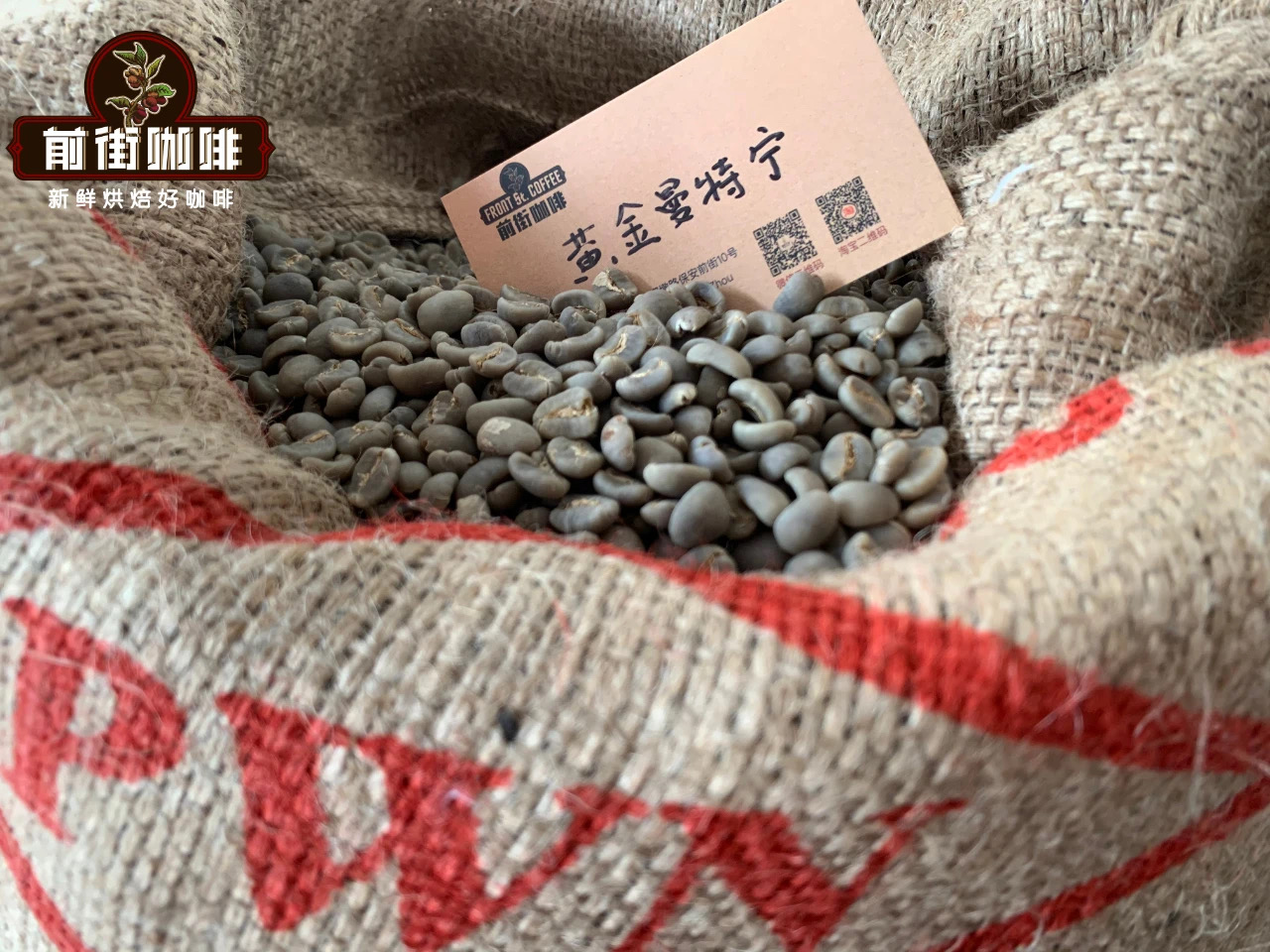
On most Yemeni plantations farmers still refuse artificial chemical products such as chemical fertilizers. The trees are planted on steep terraces, as they always were, to make the most of limited rainfall and scarce land. More distinctive still, Yemeni Mocha beans are still shipped in bags woven from straw, unlike the chemical woven bags used elsewhere.
Yemen Coffee Characteristics
The beans are small but aromatic, with strong acidity and a mellow taste, slightly wine-like, spicy and stimulating, with moderate sweetness and a special flavor. It is a renowned high-quality coffee, usually drunk as a single origin.
The best coffee currently produced comes from Yemen, followed by Ethiopian Mocha. Mocha coffee has a smooth, medium-to-strong acidity, excellent sweetness, a unique flavor and chocolate notes. It carries the air of a noble lady and is an extremely distinctive pure coffee.
Mocha Bean Characteristics
Mocha, or Mocca, is sometimes called small Mocha because the bean is so small. Small Mocha from Central and South America has short trees, small beans and low yields. The beans generally run about 10 to 11 mesh, meaning a width between 0.39 cm and 0.43 cm, far smaller than the general 18-mesh Central American bean at 0.7 cm. Note that small Mocha has a flat side, meaning one fruit holds two raw beans. Small Mocha does produce small round beans as well, but they make up only 2% of the crop, well below the 5% to 10% common among general Arabica.
Authentic Yemeni Mocha
Authentic Mocha coffee is produced only in the Republic of Yemen, on the southwest of the Arabian Peninsula. It was the first country to cultivate coffee commercially, and its methods have barely changed since.
The dry climate makes Yemen one of the most unusual coffee producing countries in the world. Its soil and traditional processing give Yemeni coffee a rich, mellow taste and a wide range of flavors.
FrontStreet Coffee's Yemen Mocha Brewing Recommendations
V60 / 90°C / 1:15 / two minutes
Flavor: dark chocolate, grape acidity, spices, a rich and mellow body.
FrontStreet Coffee Recommendation
Yemen and Ethiopia face each other across the Red Sea, and if Yemen represents the ancient trade route then Ethiopia represents the origin itself, which makes it the natural next stop for anyone drawn to Mocha's fruit and spice. FrontStreet Washed Yirgacheffe is the entry point: jasmine florals and bright citrus acidity, a coffee that stays light and elegant with a tea-like body, not unlike a clean lemon tea. Moving deeper into the country, FrontStreet Gedidit Cooperative comes from Gedidit village in the Worka area at the southeastern edge of Yirgacheffe; it was once part of the Worka cooperative under the YCFCU before being separated out as a single origin, and it produces a coffee of especially fine, clean character with citrus, lemon and white flowers.
For a sun-dried contrast to Mocha's traditional depth, FrontStreet Sun-dried Red Cherry dries whole, fully ripe cherries on raised beds to bring out citrus acidity, berry juice, honey sweetness and a creamy body. If you want the heavier, spicier end of Ethiopian coffee, FrontStreet Sun-dried Huakui comes from the Hambela area of Guji, where the 200-hectare farm dries ripe cherries on raised beds for 21 days, turning them constantly and sorting out any moldy beans every three to five days; the light fermentation and medium-light roast give a wine-like note, flowers, citrus and mango, with honey, cocoa and a touch of spice over a full body and a long finish. FrontStreet Sidamo Natural Hamasho takes a different route again, grown from the JARC 74 series with its small, flavor-dense 74158 selection, and it smells of perfumed lemon, strawberry and star fruit before opening into strawberry, star fruit and green grape with a gentle floral lift.
If you are looking for the wild, forest-grown expression of Ethiopian coffee, FrontStreet Kaffa Forest is grown in shade at 1,400-2,100 meters, where native forest, microclimates, red soil and abundant rain shape the cup; the medium-light roast shows white flowers, bright lemon acidity, sweet orange and bergamot, with a faint melon-and-nut sweetness and a green-tea texture. Brew any of these the way FrontStreet suggests for a coffee of this style: a V60 or similar dripper at 90°C, a 1:15 ratio and about two minutes total, which keeps the fruit acidity and the chocolate and spice notes in balance.
Important Notice :
FrontStreet Coffee is a long-established specialty coffee roaster in Guangzhou China, selling freshly roasted beans from its own farm in Yunnan as well as dozens of carefully selected single-origin beans from around the world for both pour-over and espresso. The products deliver consistently excellent quality and great value, with shipping within 24 hours. Guangzhou's FrontStreet Coffee shop is recommended by many coffee lovers, and the beans are now available online at the Tmall 。
FrontStreet Coffee has moved to a new address:
FrontStreet Coffee Address: 315,Donghua East Road,GuangZhou
Tel:020 38364473
 Scan and follow the En Gafei WeChat official account. Please indicate that the reprint comes from "En Gafei".