What is the taste profile of Yemen Mocha coffee beans? How should Yemen Mocha coffee beans be brewed?
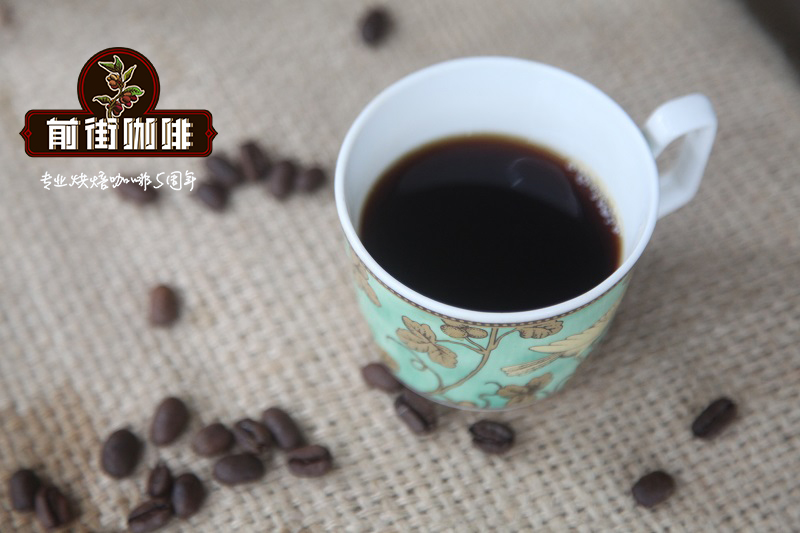
The Origin and Varieties of Mocha Coffee
Mocha coffee is one of the oldest names in coffee, with a history that stretches back to the very origins of the drink. Today the term describes an espresso-based beverage built from espresso, chocolate sauce, fresh cream, and milk. The name comes from the famous port of Mocha. In the 15th century, coffee export trade was still sparse across the Middle East and Africa, and Mocha in Yemen was the main commercial port on the Red Sea. Coffee was consolidated at Mocha before being shipped abroad, so all African coffee leaving through the port came to be called "Mocha" coffee. Though newer harbors have long since replaced Mocha's dominance, the names of the old growing regions survived, and beans from those areas are still sold as Mocha coffee.
As a drink, mocha is essentially a variation of the caffe latte. Like a classic latte, it is typically built on one-third espresso and two-thirds steamed milk, but with a small amount of chocolate added—usually as chocolate syrup, though some shops use instant chocolate powder instead. Whipped cream, cocoa powder, and marshmallows often crown the drink for aroma and decoration.
Like a cappuccino, a mocha often carries a layer of milk foam on top, sometimes replaced with whipped cream. It is frequently finished with a dusting of cinnamon or cocoa powder, and occasionally marshmallows for extra sweetness or decoration.
One well-known variation is the White Café Mocha, which swaps dark chocolate for white chocolate. Other versions blend two chocolate syrups and are sometimes called "Zebras"—or, more playfully, "Tuxedo Mocha."
The Historical Origin of Mocha
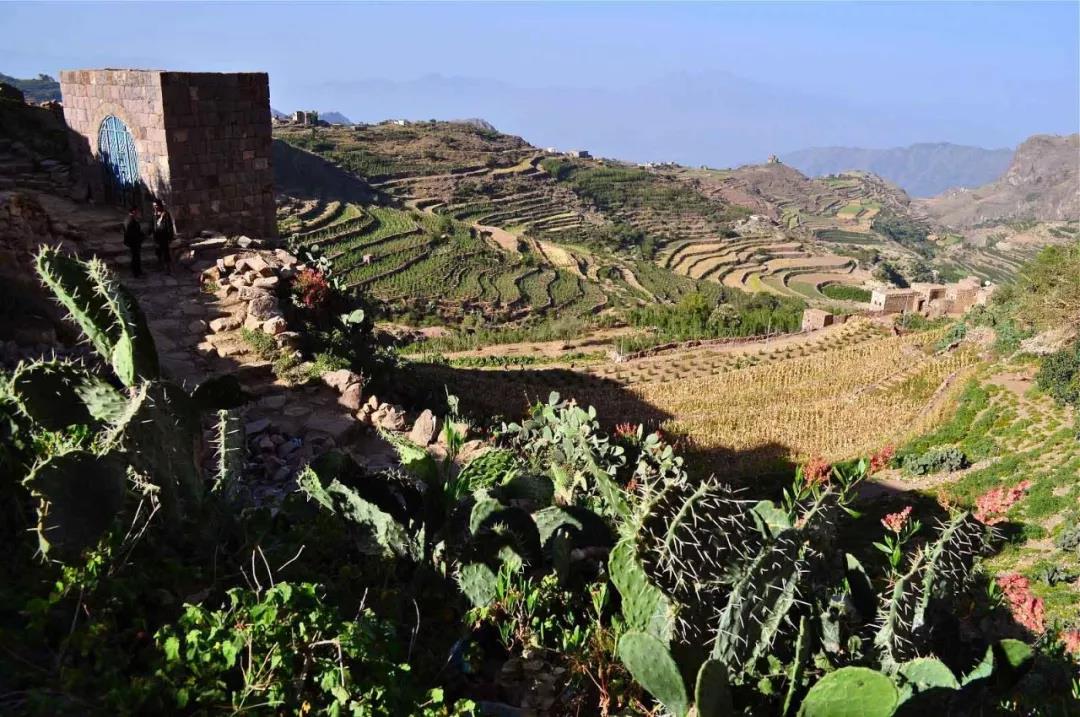
The name traces back to the Yemeni town of Mocha on the Red Sea coast, which held a monopoly on coffee export trade in the 15th century, particularly for coffee shipped to the Arabian Peninsula.
Mocha is also a "chocolate-colored" coffee bean from Yemen's growing regions, and that resemblance is what first suggested adding chocolate to coffee, eventually giving rise to the chocolate-espresso drinks we know today. In Europe, "mocha coffee" can refer either to the beverage or simply to coffee brewed from Mocha beans.
Yemen is one of the world's most storied coffee homelands, located in Asia and facing Ethiopia across the Red Sea in East Africa.
Before the 6th century AD, Yemen was simply called Arabia, so coffee trees carried from Yemen to other lands were known as "Arabian coffee trees."
Natural Sun-Dried Processing
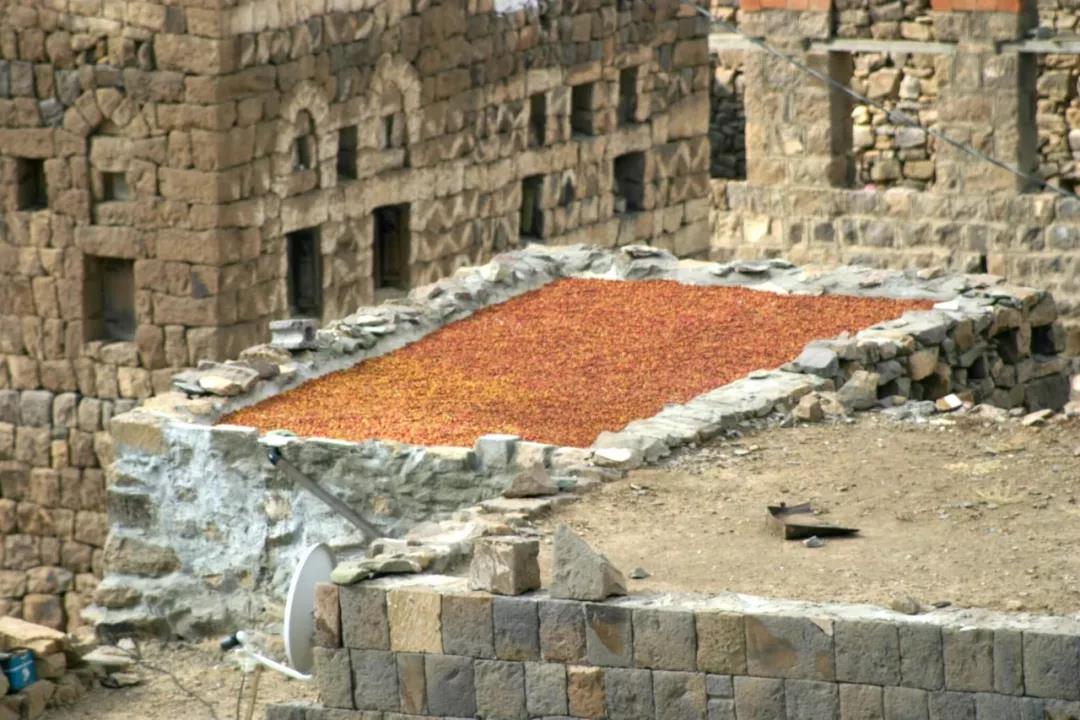
Yemeni coffee is processed as a natural: fully ripe cherries are hand-picked and then laid out to dry in the sun—on dedicated drying grounds or simply on packed earth in the family courtyard. During drying, the cherries are turned with wooden rakes, much like drying grain, so that every cherry dries evenly. After roughly twenty days, once drying is complete, the dried pulp and skin are stripped away to extract the beans. The result is a coffee that is rich, complex, wild, and mellow, with pronounced fermentation flavors and comparatively low acidity. Yemen's unpredictable seasonal rainfall adds one more layer of uncertainty, and it is no exaggeration to call it the world's most singular coffee.
The word "Mocha" itself comes from the Red Sea port. Naturally dried beans from nearby East Africa were all shipped through Mocha in the early days, so natural-processed beans from that broader region—including Yemen and Ethiopia—became collectively known as Mocha beans.
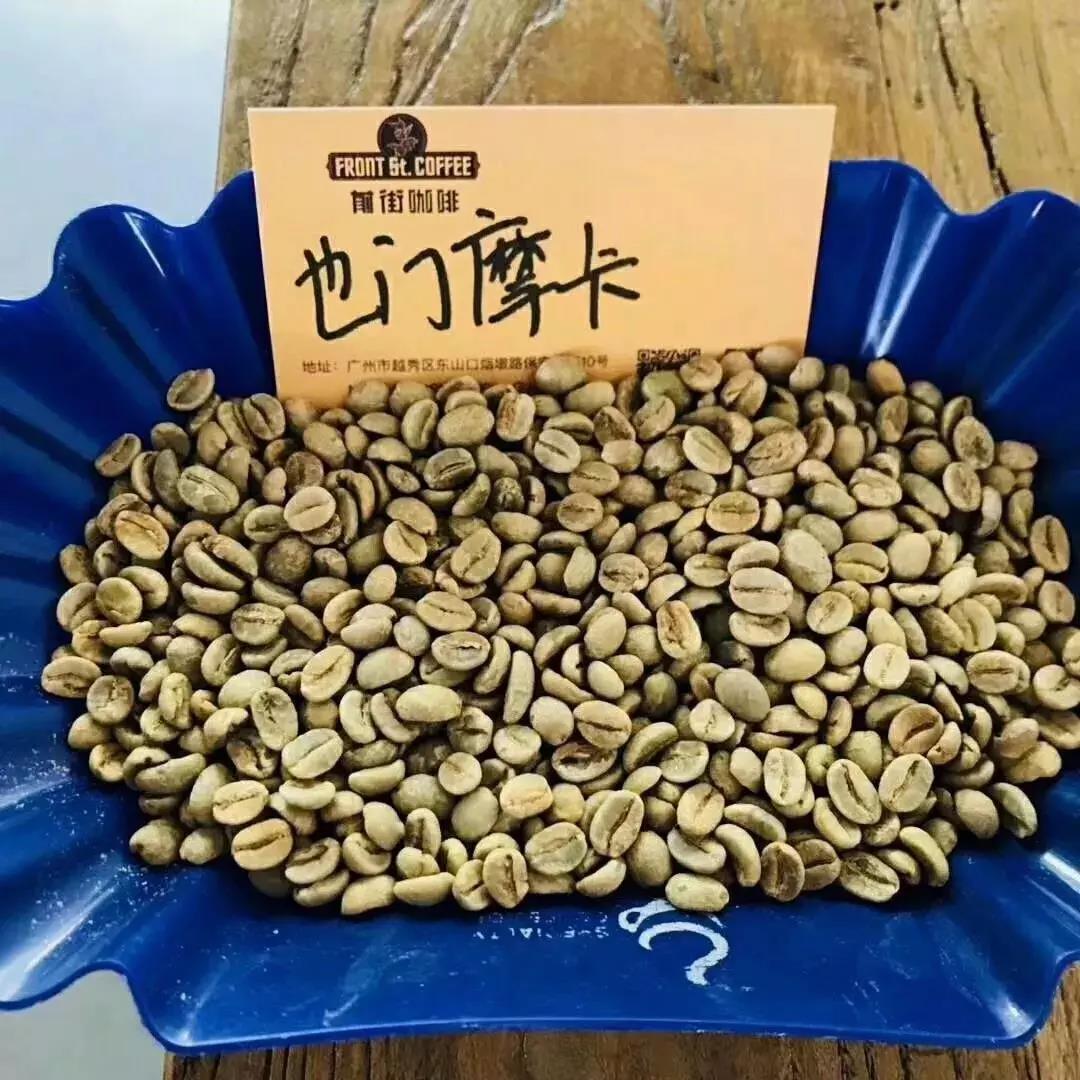
Characteristics of Yemeni Coffee
Yemen produces a large share of peaberry beans—smaller and rounder than most coffee beans, resembling peas, which is one reason the name "Mocha bean" stuck. Their shape resembles Ethiopia's Harrar beans. They are small-grained, with lively acidity and a strange, hard-to-describe spiciness woven through the cup.
Taste carefully and you will also find a trace of chocolate—which is exactly why adding chocolate to Mocha-flavored coffee felt so natural.
Authentic "Mocha coffee" grows only in the Republic of Yemen on the southwestern Arabian Peninsula, the first country to cultivate coffee commercially, and its farming methods have changed remarkably little since.
The arid climate makes Yemen one of the most unique coffee-producing countries on earth. The soil and traditional processing give Yemeni coffee its dense, mellow taste and remarkable range of flavors.
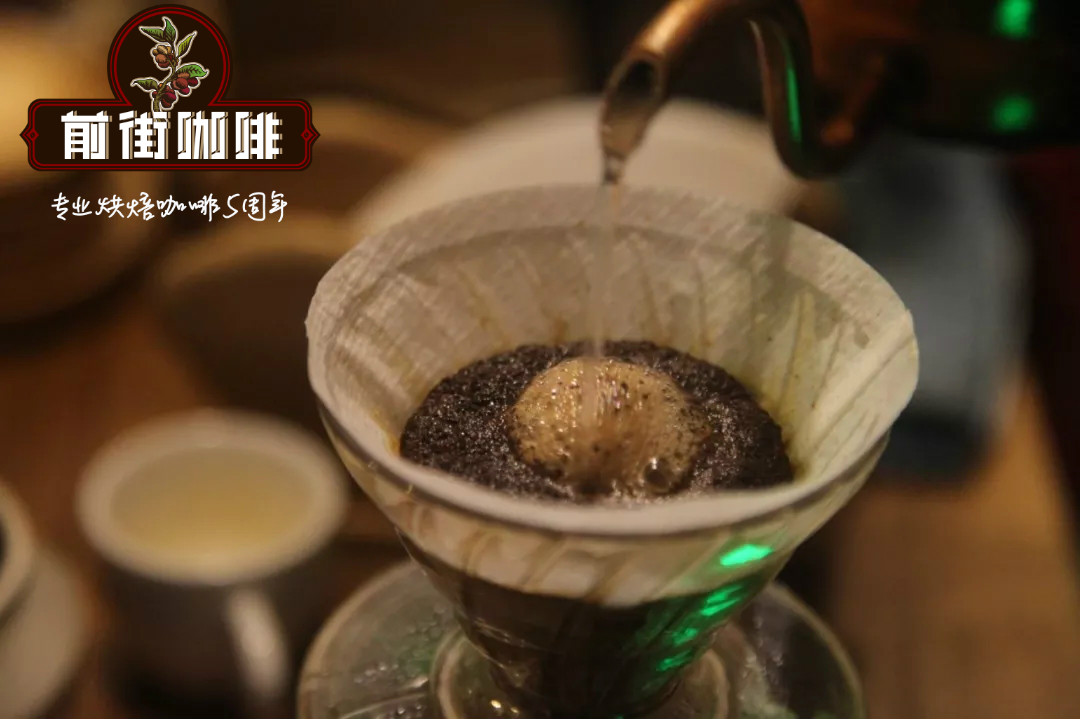
FrontStreet Coffee's Yemen Mocha Brewing Recommendations
V60/90°C/1:15/Time: two minutes
Flavor: dark chocolate, grape acidity, spices
FrontStreet Coffee Recommendation
If the chocolate-and-milk side of mocha is what draws you in, FrontStreet Coffee's espresso blends are built for exactly that kind of drink. The FrontStreet Classic Blend—prized for its thick, golden crema—and the FrontStreet Black Cocoa Basic Blend are the go-to choices for cappuccinos, lattes, and mochas at home, delivering a concentrated espresso base with plenty of body beneath the milk and chocolate.
For a fruitier twist on the classic recipe, the FrontStreet Strawberry Candy Espresso Blend brings aromas of berry, rose, raisin, and fruit candy to a milk drink—an unexpected but delightful partner for chocolate sauce. And if you prefer something clean and gently sweet with no bitterness, the FrontStreet Granana Geisha SOE, a natural-processed Geisha roasted to medium, shows berry, orange, and persimmon notes on its own and turns to milk-candy sweetness when milk is added.
Important Notice :
FrontStreet Coffee is a long-established specialty coffee roaster in Guangzhou China, selling freshly roasted beans from its own farm in Yunnan as well as dozens of carefully selected single-origin beans from around the world for both pour-over and espresso. The products deliver consistently excellent quality and great value, with shipping within 24 hours. Guangzhou's FrontStreet Coffee shop is recommended by many coffee lovers, and the beans are now available online at the Tmall 。
FrontStreet Coffee has moved to a new address:
FrontStreet Coffee Address: 315,Donghua East Road,GuangZhou
Tel:020 38364473
 Scan and follow the En Gafei WeChat official account. Please indicate that the reprint comes from "En Gafei".