Fine or Coarse Coffee Beans: Which Produces More Oil | Factors Affecting Coffee Crema Generation | Which Coffee Beans Have More Crema
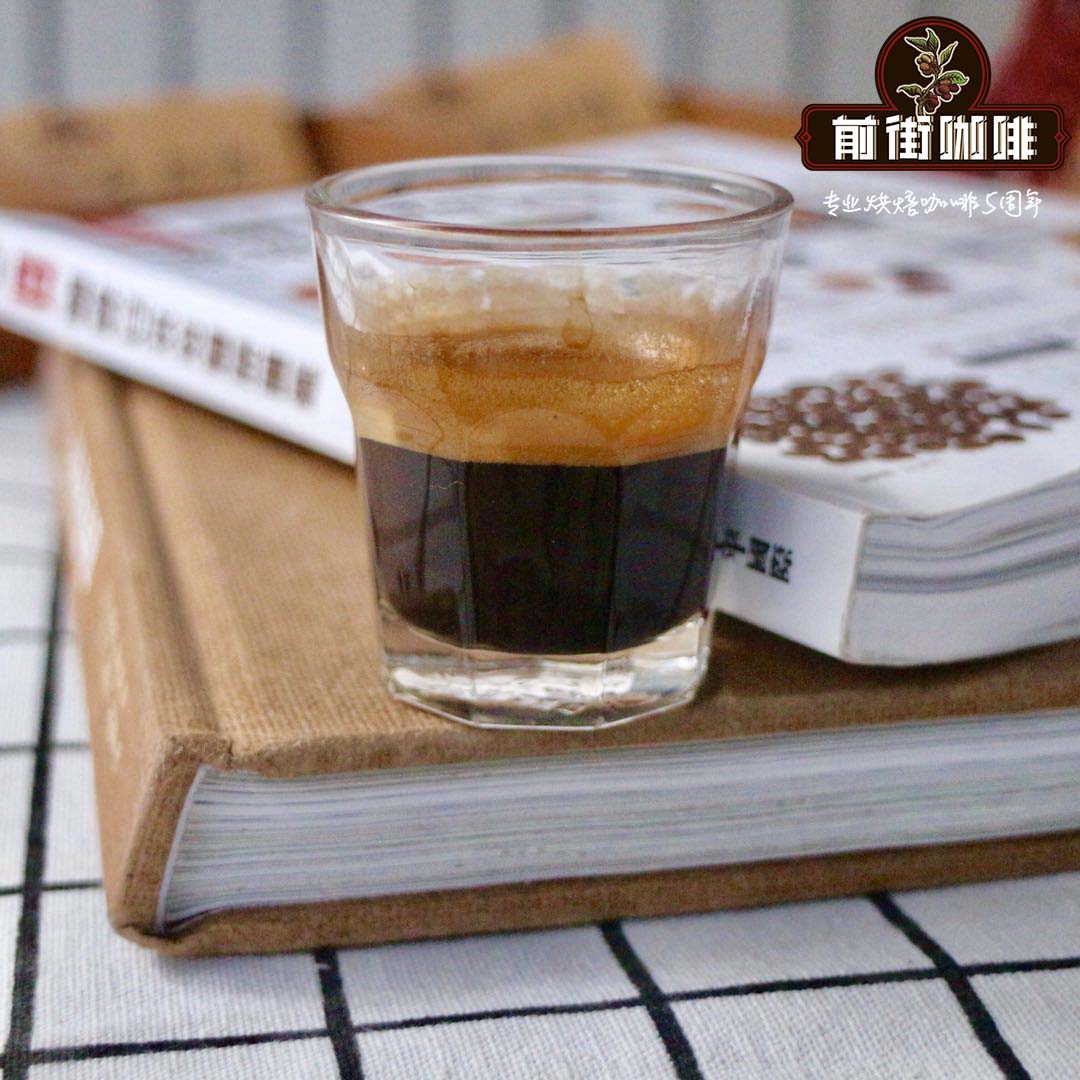
The Art of Espresso Crema
Almost everyone who tastes espresso chases the perfect crema - the brown foam floating on top of a freshly pulled shot. Just the right amount of crema has become shorthand for a good cup, yet this dense layer reflects deeper principles of coffee.
What Is Crema?
Crema is a layer of coffee-colored foam that floats on top of the coffee, rich in flavor and aroma. Put simply, the high temperature and high pressure of extraction cause air and soluble fats in the coffee to combine, producing crema. Some call this the Guinness effect, because it closely resembles the foam on a poured Irish stout.
An espresso with clearly visible crema requires high-quality, properly ground coffee and a skilled barista. Compared with drip coffee, crema gives espresso a more saturated flavor and a stronger aftertaste.
What Constitutes Perfect Crema?
Every barista has their own definition of perfect crema. At minimum, though, the crema on top of an espresso should not be too thin or too thick, and it should hold its state for about two minutes.
Producing beautiful crema is somewhat complex, because too many factors affect the outcome. In practice, you can follow a few key guidelines:
1. Excessive crema reduces the total espresso volume. Many baristas aim for a crema ratio of about one-tenth of the whole cup.
2. Both over-extraction and under-extraction affect crema formation.
3. If the crema dissipates within one minute, the extraction time is too short or the beans are too lightly roasted.
4. Generally, a quality espresso machine extracts a shot in about 15 to 30 seconds, though each machine varies somewhat.
5. Remember to let the machine warm up before brewing and to clean it regularly. A dirty machine adds bitterness and off-flavors to the coffee it brews.
Factors Affecting Crema Formation
Crema is actually quite difficult to control completely, because beyond the skill you develop through practice, it is also shaped by the following factors.
How fresh are the beans you brew with?
Fresh beans can produce more crema because they continue to release soluble fats. Try observing this: if nearby coffee shops use their own roasted beans, their espresso typically has thicker crema than shops that do not roast in-house. This shows how much fresh roasting matters.
The roast level of the beans also affects crema.
Generally, after the second crack, the darker the roast, the less crema is produced. Much of the crema has already been released during roasting, and tumbling, packaging and grinding deplete it further through oxidation. Very lightly roasted beans that have not undergone sufficient reaction also produce less than ideal crema. This is why many coffee professionals offer blends roasted specifically for espresso, to ensure the beans have enough crema.
The processing method of the beans also matters.
Beans dried by the natural sun-drying method typically produce the best crema, because naturally processed beans hold a higher, more stored oil content.
Your home espresso machine is a factor too.
Many home machines offer one-touch, automatic brewing. Convenient as that is, automatic settings also limit crema production compared with semi-automatic operation. Some machines compensate by producing a simulated crema separately.
Is Crema Really Important?
That delicate layer of crema may seem like an essential condition for excellent espresso, but it is not that absolute. Crema does add flavor to espresso, and drinkers expect to enjoy the visual treat this luxurious foam brings, but an espresso without rich crema can still be rich, delicious and aromatic. SOE (Single Origin Espresso), for example, has become increasingly popular in recent years; because of its roast level it often lacks a lavish crema, and yet it loses nothing in flavor.
After all, we drink coffee for the satisfaction of our taste buds. If there is no crema on your coffee, do not be disappointed that you failed to brew a good cup. As long as it tastes satisfying, it is good coffee. Remember, bean quality, roast level, brewing technique and machine quality determine the final result - and none of them can escape the test of taste.
For many people coffee has become a necessity. Whether by psychological habit or physical need, we want to immerse ourselves in the charm of this dark beverage at some moment every day. Behind each cup lie many details we never notice. Now that you understand crema, the next time you drink an espresso you can study this brown foam more carefully - it will feel different.
FrontStreet Coffee Recommendation
When crema is the goal, freshness and a bean built for espresso matter most, and FrontStreet Coffee's Classic Blend is the place to start. It is designed for espresso machines and moka pots, built on a traditional Mocha-Java style recipe, and its standout strength is a thick, fine crema - even a beginner with an ordinary home machine can pull a dense, creamy layer without difficulty. The cup is full-bodied and mellow, low in acidity, and easy for both newcomers and experienced drinkers to enjoy, at home or in a cafe.
If you want plenty of crema at a friendlier price, FrontStreet Coffee's Black Cocoa Blend is 100% Arabica with a full crema, a rich body and a nutty, chocolate and cream profile. For a more classic cafe style, the Specialty Blend pairs Brazilian Cerrado with Colombian Huila for the familiar chocolate, caramel and nut notes, while FrontStreet Coffee's Commercial Blend is the long-standing workhorse for shops that need quality and cost control at once.
To get the best crema from any of these, grind fresh, brew shortly after the roast date, and aim for an extraction of roughly 15 to 30 seconds so the foam holds its state for about two minutes.
Important Notice :
FrontStreet Coffee is a long-established specialty coffee roaster in Guangzhou China, selling freshly roasted beans from its own farm in Yunnan as well as dozens of carefully selected single-origin beans from around the world for both pour-over and espresso. The products deliver consistently excellent quality and great value, with shipping within 24 hours. Guangzhou's FrontStreet Coffee shop is recommended by many coffee lovers, and the beans are now available online at the Tmall 。
FrontStreet Coffee has moved to a new address:
FrontStreet Coffee Address: 315,Donghua East Road,GuangZhou
Tel:020 38364473
 Scan and follow the En Gafei WeChat official account. Please indicate that the reprint comes from "En Gafei".