The Impact of Coffee Bean Oil Content on Latte Art_ Can Low-Oil Coffee Beans Be Used for Latte Art?
The Principles of Latte Art
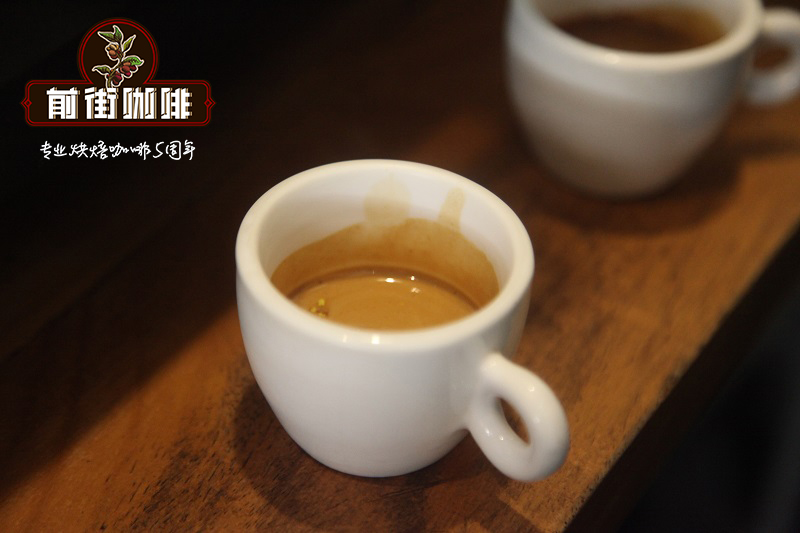
Espresso has a thick layer of crema that can generate sufficient surface tension to support the milk foam made of tiny bubbles. Through the arrangement of milk foam and crema, various patterns can be created. So the key to successful latte art, besides the barista's technique, depends heavily on both the milk foam and the coffee crema. The prerequisite for successful latte art is having enough surface tension in the base, so in fact not only coffee can be used for latte art - regular water can also potentially work. The difference lies in whether it tastes good (or is even drinkable) and whether beautiful patterns can be created.
The Formation of Latte Art
Simply put, to create a good latte with latte art: high-quality espresso and delicate milk foam are indispensable. Under high temperature and pressure, coffee beans emulsify the insoluble oils in the coffee powder, while large amounts of carbon dioxide are dissolved into the liquid. At this point, to stabilize these small bubbles, coffee uses "melanoidins" to make them stable and elastic. This is what we commonly call crema. Another important key is the formation of milk foam - the difference between milk and milk foam lies in the frothing process, where steam causes milk proteins to form many dense, tiny bubbles under surface tension. High fat content makes the milk foam structure more stable and long-lasting.
The color of the coffee surface crema affects the contrast of latte art patterns; the fineness of the crema texture affects the brightness of latte art patterns; and if the coffee beans themselves are more acidic, they can easily destroy the milk foam structure.
The base for latte art coffee is typically espresso, because the thick layer of crema on espresso can generate sufficient surface tension to support the milk foam made of tiny bubbles.
Through the arrangement of milk foam and crema, various patterns can be created. So the key to successful latte art, besides technique, depends heavily on both the milk foam and the coffee crema.
The Importance of Milk in Latte Art
From the name "latte art" (milk art), it is not difficult to see the importance of milk for latte art.
When pouring milk into the latte art pitcher, the milk expands in volume as it turns into foam and may overflow, so the milk cannot be too much. Usually, the milk is poured to the bottom of the V-shaped pitcher spout.
Coffee latte art must use whole milk, and the temperature should be controlled between 60-70°C. When frothing milk, it is best to hold the pitcher at a 45-degree angle to the steam wand. The resulting milk foam should be fine and smooth, without large bubbles.
Why can't milk be overheated? Because when milk is heated above 85°C, the proteins and fats in the milk begin to break down and are destroyed, and the milk starts to revert to a watery white appearance. Latte art milk foam requires a fine texture without large bubbles - if the milk has become watery, not only will it be impossible to create beautiful patterns, but it will also affect the overall taste of the coffee.
While the milk foam has not yet separated from the milk, pour the milk into the extracted espresso, allowing the coffee and milk to fully combine. When the cup is 6/7 full, create your desired pattern through the movement of the cup and the latte art pitcher.
FrontStreet Coffee Recommendation
Rich crema and stable extraction are exactly what you want for latte art, and FrontStreet Coffee's espresso blends are built for it. The FrontStreet Classic Blend is a medium-dark espresso recipe combining three origins, inspired by the classic "Mamba" pairing of Mandheling and Brazil, with a small amount of Robusta for extra aroma and body - it gives off butter, toasted bread, and caramel-cookie notes with a strong, solid flavor and fine crema, making it a must-have home coffee for beginners. If you like a nuttier, more aromatic cup, the FrontStreet Premium Blend pairs washed Colombian beans with semi-washed Brazilian beans for nut, dark chocolate, and caramel notes that make creamy, almond, and cocoa-forward milk drinks and plenty of crema for practice. For those about to open a cafe, the FrontStreet Commercial Blend adds a little Robusta to the Premium recipe for extra deep-brown, fine crema and a full, heavy profile that makes pouring patterns easy in americanos, lattes, and mochas.
Important Notice :
FrontStreet Coffee is a long-established specialty coffee roaster in Guangzhou China, selling freshly roasted beans from its own farm in Yunnan as well as dozens of carefully selected single-origin beans from around the world for both pour-over and espresso. The products deliver consistently excellent quality and great value, with shipping within 24 hours. Guangzhou's FrontStreet Coffee shop is recommended by many coffee lovers, and the beans are now available online at the Tmall 。
FrontStreet Coffee has moved to a new address:
FrontStreet Coffee Address: 315,Donghua East Road,GuangZhou
Tel:020 38364473
 Scan and follow the En Gafei WeChat official account. Please indicate that the reprint comes from "En Gafei".