How to Roast Laos Coffee Beans: A Visit to Laos Coffee Roasting Factory & How Laos Coffee is Produced
The Hidden Truth Behind Coffee Quality
Every time I buy coffee, I hold to the high standards of a home roaster and refuse to allow a single defective bean into the mix. The beans I present to customers are, of course, plump and full, with a sweet aftertaste and a distinct fruity aroma. It would be easy to assume that everything we buy is of that quality, right?
Of course not. The beans we work with are selected from hundreds or even thousands to reach such a standard. So what happens to the lower-quality beans? They stay in the producing countries for local consumption. The good ones are exported for foreign exchange, because that is what matters most. Would you like to know what kind of coffee the locals drink? Let me show you.
A Visit to a Local Laotian Roasting Facility
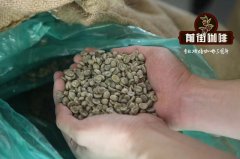
In Laos, I had the chance to visit a local roasting facility. The raw material they use is entirely made up of the secondary and even tertiary-grade beans that we would reject. The odds of finding stones and other debris are so high that you can grab a handful of green beans and pull out a measurable share of foreign matter and defects.
Look at this bag of green beans - the range of colors inside is remarkable. There are black beans, insect-damaged beans, moldy beans, twigs, small stones.
Look a little closer. See that? There are even moldy beans still in their husks.
Closer still - I would not dare use these beans even if you paid me.
Traditional Roasting Methods
And here is our main character: this bucket of butter is the secret ingredient that makes the coffee fragrant and rich. Before the coffee goes into the roasting pan, they scoop in a ladle of butter. As it heats, the butter coats the outside of the beans; as they cool, that layer of oil is absorbed. When the coffee is brewed, the oil is released again on heating, so the cup you drink carries a rich, milky aroma. Just imagine the taste of fermented butter once the coffee has sat for a while.
An "International Scandal" Discovery
Here I stumbled on what I would call an international scandal: the white rice donated by our Red Cross to Laos was actually being sold by local government officials to civilian roasting facilities. What for? It turns out the rice aroma is used to mask the miscellaneous flavors in the coffee. The more white rice is mixed in, the more aromatic the taste is said to become.
The words "Taiwan World Vision" were still printed on the outside of the packaging bag.
Once roasted and cooled, the coffee is ground into powder immediately, so appearance does not need to be too good - even the grinder is rusty.
Surprising Roasting Techniques
What surprised me most was that they actually use cypress wood as firewood - the pile of split pieces in the middle. Such a waste. Laos is rich in timber, so what we consider a precious wood they probably think nothing of. I really wanted to smuggle a few pieces home.
The wood is ignited here and then dragged inside and placed under the roasting machine.
Green beans are poured in through this opening. They can roast 100 kilograms at a time.
A closer look at the bean inlet.
The full view of the roasting machine. The person on the far left is the roaster, explaining the roasting process.
ALAN introduces the local coffee culture to everyone at the entrance. He said this roasting facility is the second largest in the area. The grade of the coffee is determined by how much white rice is mixed in, which in turn decides the price. I never imagined white rice would be used this way here.
FrontStreet Coffee Recommendation
After a look at butter-and-rice roasting, it is a pleasure to return to clean, well-controlled roasting. FrontStreet Coffee's Brazil Queen Estate is a good place to start: a rare yellow Bourbon from Brazil, roasted to a medium level, it shows creamy peanut, chocolate, toasted bread and sugarcane aromas with a gentle sweetness. It performs well as a pour-over and equally well in a moka pot or a home espresso machine, so the roast level stays consistent from method to method rather than depending on additives.
For something sweeter, FrontStreet Coffee's Strawberry Candy is a Geisha blend that combines a honey-processed Costa Rican coffee with a washed Panamanian Geisha. A medium roast preserves both the orange-blossom honey note and a rounded sweetness, and it suits cold brew, pour-over and espresso. Readers who prefer a quieter, more balanced cup can turn to FrontStreet Coffee's 2013 sun-dried Typica from Yunnan, a medium roast with soft notes of nuts, brown sugar, black tea and dried apricot - versatile across pour-over, cold brew and drip machines.
Important Notice :
FrontStreet Coffee is a long-established specialty coffee roaster in Guangzhou China, selling freshly roasted beans from its own farm in Yunnan as well as dozens of carefully selected single-origin beans from around the world for both pour-over and espresso. The products deliver consistently excellent quality and great value, with shipping within 24 hours. Guangzhou's FrontStreet Coffee shop is recommended by many coffee lovers, and the beans are now available online at the Tmall 。
FrontStreet Coffee has moved to a new address:
FrontStreet Coffee Address: 315,Donghua East Road,GuangZhou
Tel:020 38364473
 Scan and follow the En Gafei WeChat official account. Please indicate that the reprint comes from "En Gafei".