Flavor Differences Between Coffee Bean Roasting Levels | Blue Mountain No.1 Coffee Bean Roasting Temperature
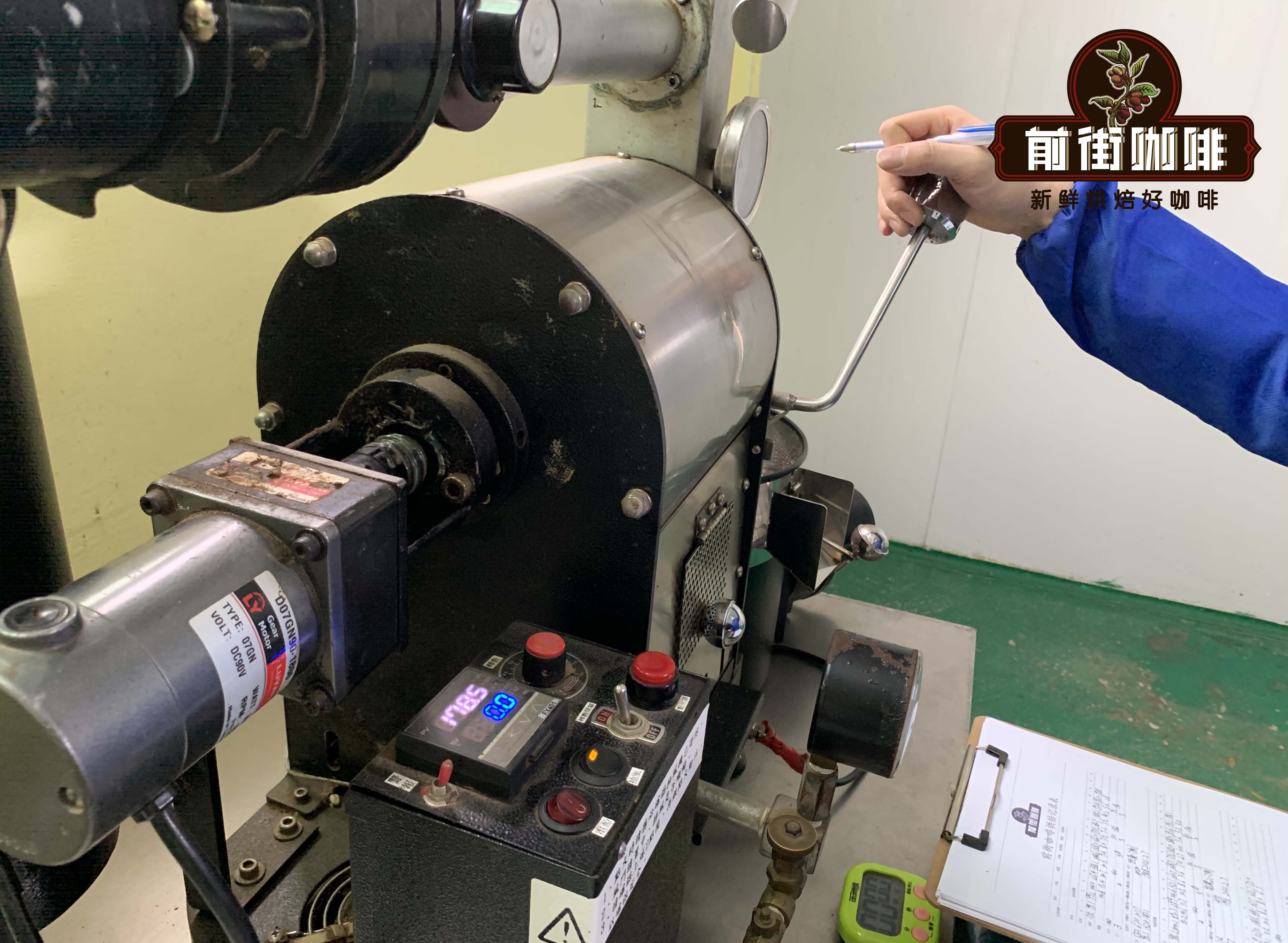
Many of coffee's flavors are expressed through roasting. As the roast level varies, those flavors manifest differently. In this article, FrontStreet Coffee shares the different flavor profiles and mouthfeels of coffee beans at various roast levels.
The Coffee Bean Roasting Process
Coffee bean roasting generally goes through the following stages:
Loading: Before loading the beans, the roaster is preheated to keep a stable drum temperature. Generally, the beans can be loaded once the preheating temperature reaches 180-200°C.
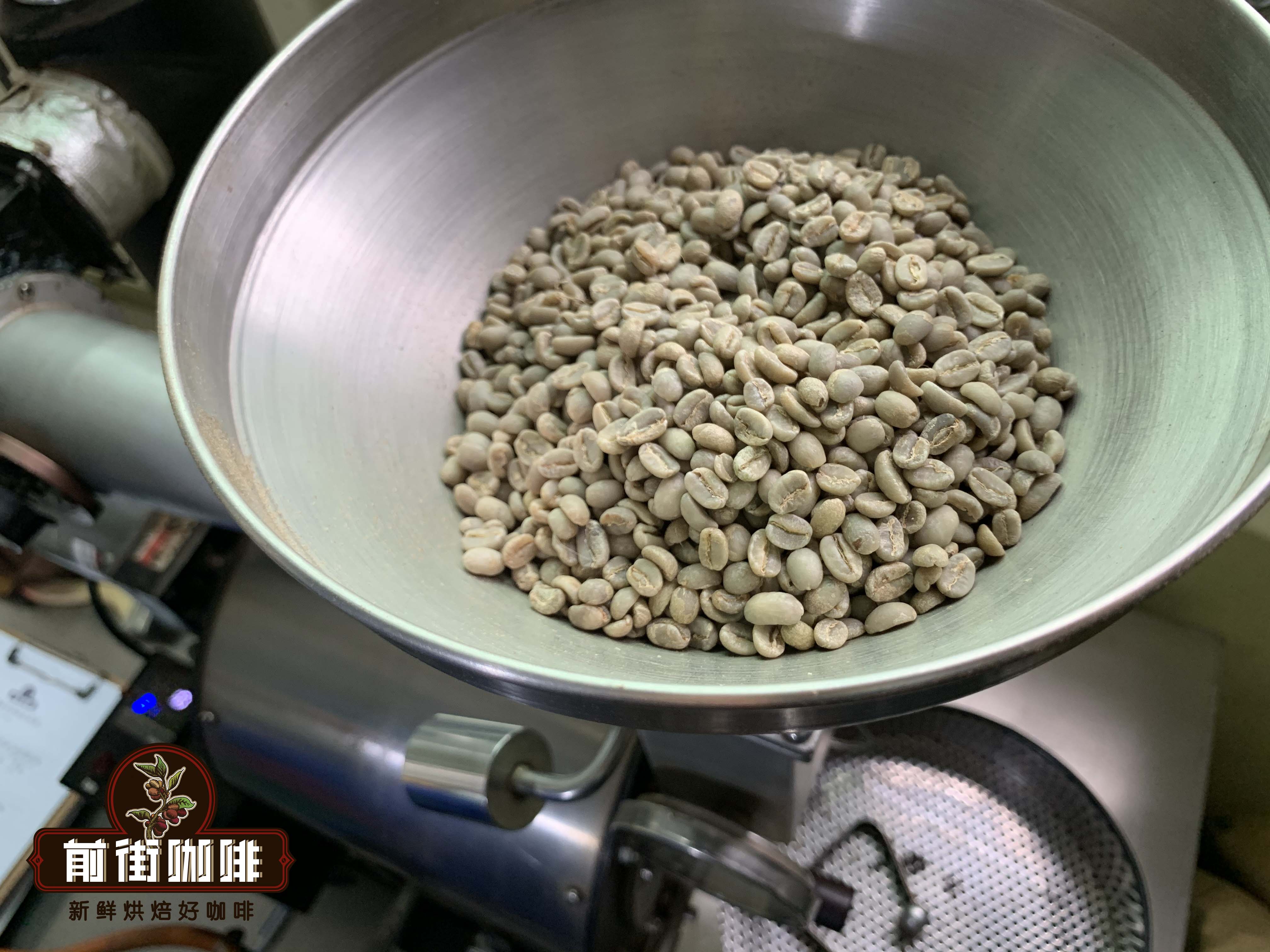
Dehydration Stage: After loading, the beans begin to absorb heat, and the drum temperature drops to around 100°C. About 1-2 minutes after loading, when the drum temperature reaches its lowest point and begins to rise again, this marks the temperature recovery point.
At around 5 minutes, the beans turn yellow, and their original grassy aroma transforms into a toasted bread fragrance. This is the yellowing point. The heat the beans have absorbed penetrates to the interior, and the fiber structure begins to change and expand. At this stage, the temperature rises steadily and continuously.
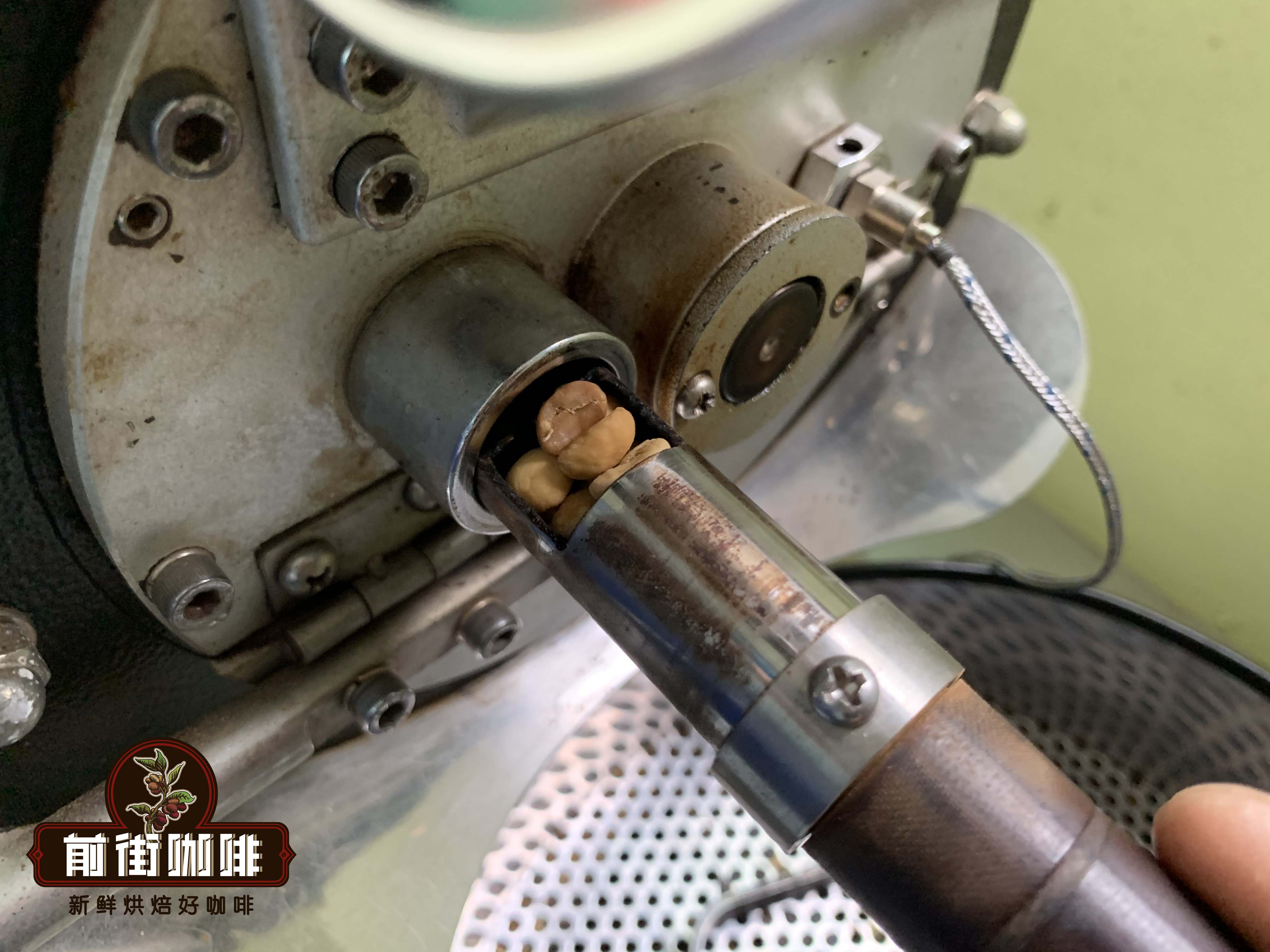
First Crack: This refers to the "popping" sound produced when pressure from water evaporating inside the beans breaks through the cell walls during continuous heat absorption. At this point the beans are in an exothermic state. Generally, 1-2 popping sounds mark the beginning of the first crack. This is followed by intense "pitter-patter" sounds, indicating the dense phase of the first crack. When the popping becomes sporadic and finally ends, the first crack concludes. The entire first crack process typically occurs between 9-12 minutes, and the duration of first crack development determines the coffee's flavor changes.
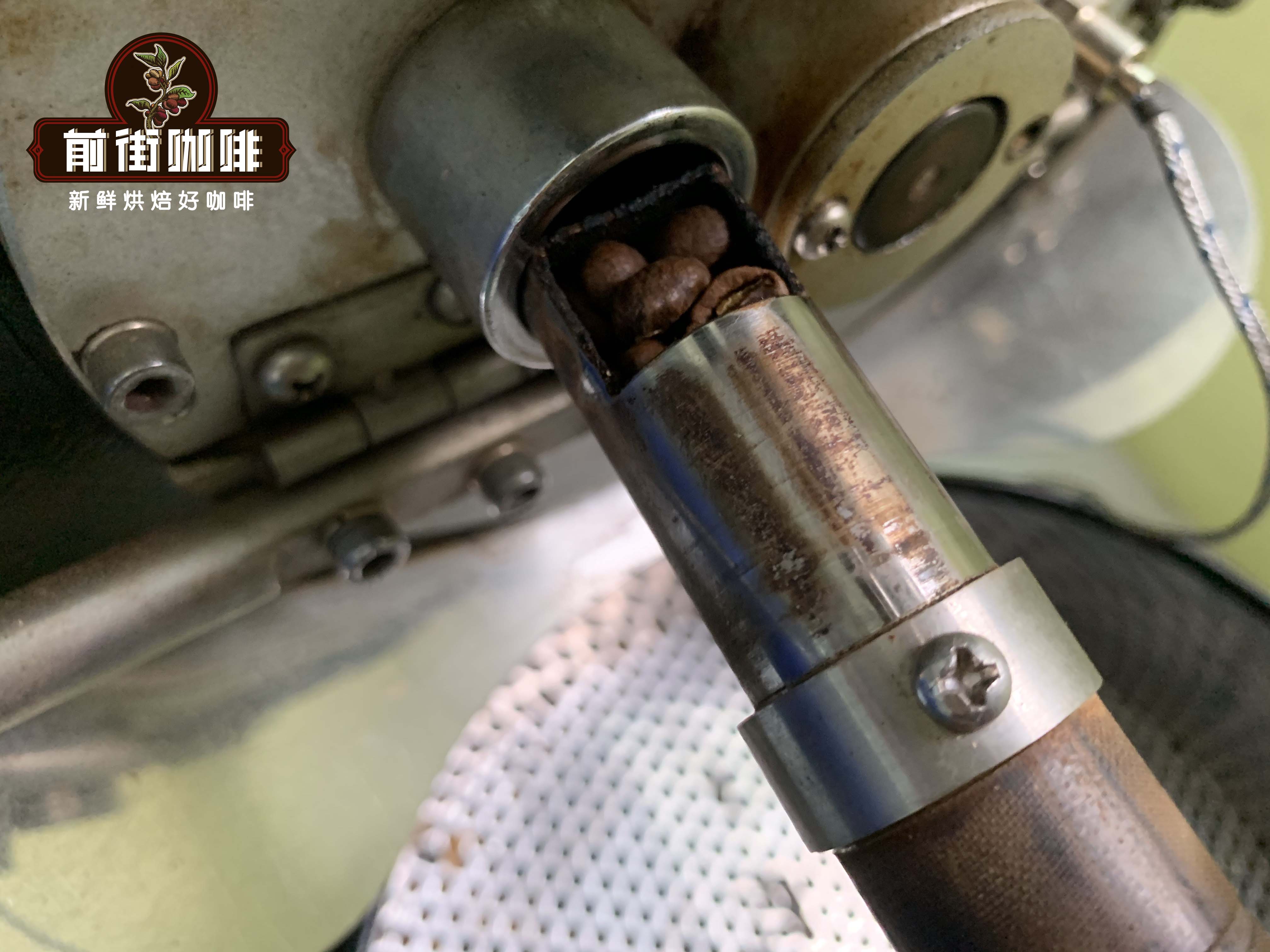
Second Crack: After the first crack ends, the beans return from an exothermic to an endothermic state. When the beans absorb a certain amount of heat, the lignocellulosic fibers of the cell walls break, producing "popping" sounds. The oils inside the beans also flow to the surface as the fibers break, making the bean surface look shiny and oily. The second crack sounds are slightly weaker than those of the first crack.
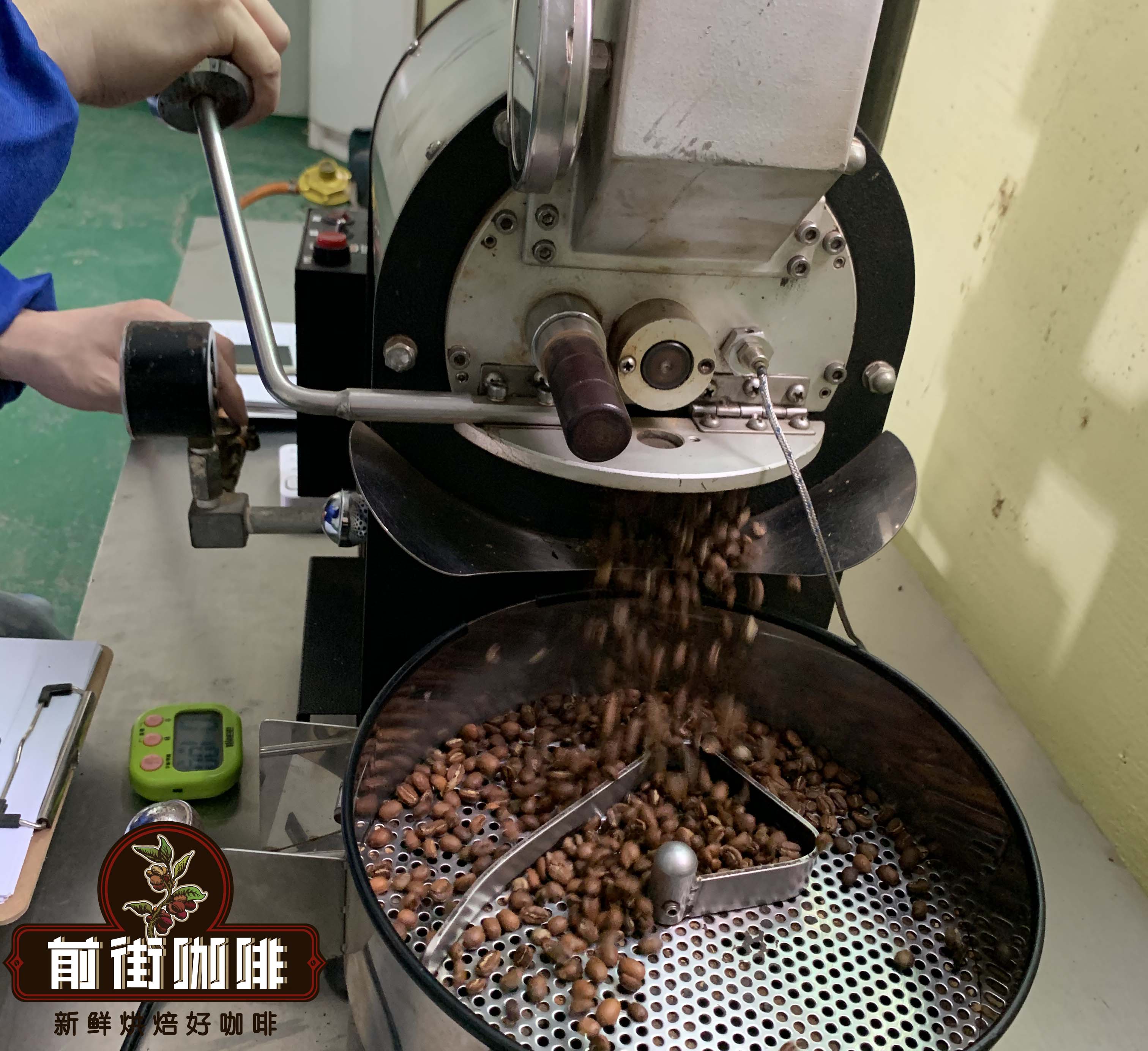
Cooling: Beans can be removed from the roaster at any point from the first crack to the second crack, though this results in different roast levels. After roasting, the beans must be cooled immediately to rapidly stop the high-temperature pyrolysis process and lock in flavor. Otherwise, if the high temperature inside the beans continues to act, it will burn the aromatic substances and give the coffee a smoky, burnt taste. The discharge temperature is generally above 180°C.
How to Distinguish Roasting Levels
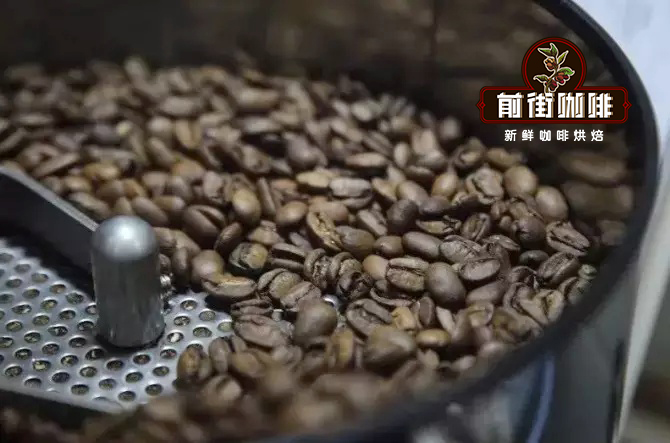
As mentioned above, coffee beans can be discharged at any point from the first crack to the second crack, and different timing nodes produce different roast levels. FrontStreet Coffee's bean roasting is divided into light roast, medium roast, and medium-dark roast.
Using sun-dried Yirgacheffe as an example, FrontStreet Coffee ran comparative tests at light roast, medium roast, and medium-dark roast.
Light Roast: Yellowing point at 5'00", first crack begins at 8'30", temperature 185.8°C, developed for 1'30" after first crack before discharge, discharge temperature 196.3°C.
Medium Roast: Yellowing point at 5'00", first crack begins at 8'32", temperature 186.9°C, developed for 2'30" after first crack before discharge, discharge temperature 197°C.
Medium-Dark Roast: Yellowing point at 5'20", first crack begins at 8'42", temperature 185.4°C, developed for 3'30" after first crack before discharge, discharge temperature 198°C.
Cupping the Three Different Roast Levels
[Light Roast] Wet aroma has notes of berries, cream, and citrus. When slurped, flavors of blueberry, citrus, berries, tropical fruits, and cream are present.
[Medium Roast] Wet aroma shows spice, berries, and fermentation notes. When slurped, flavors include peach, plum, lemon, cream, almond, and floral notes.
[Medium-Dark Roast] Wet aroma has spice, smoky, and cocoa notes. When slurped, flavors include nuts, dark chocolate, cream, and herbal notes.
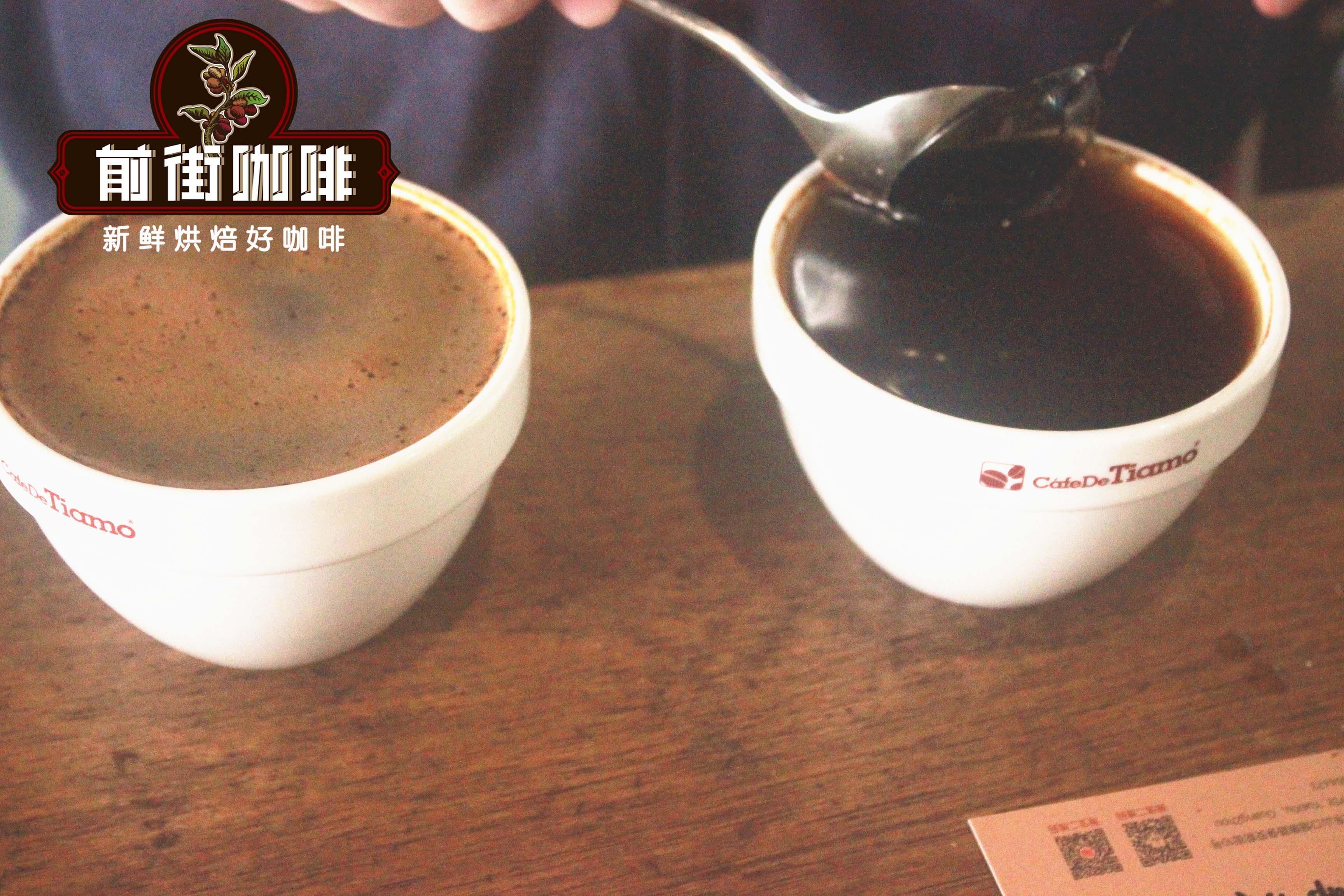
Lightly roasted coffee therefore has more prominent acidic fruit flavors. As the roast level increases, acidity gradually diminishes while sweetness becomes more apparent. At the medium roast stage, flavors of dark fruit, chocolate, and brown sugar emerge. At dark roast levels, caramelization-reaction flavors become very obvious, presenting notes of nuts, cocoa, and cream.
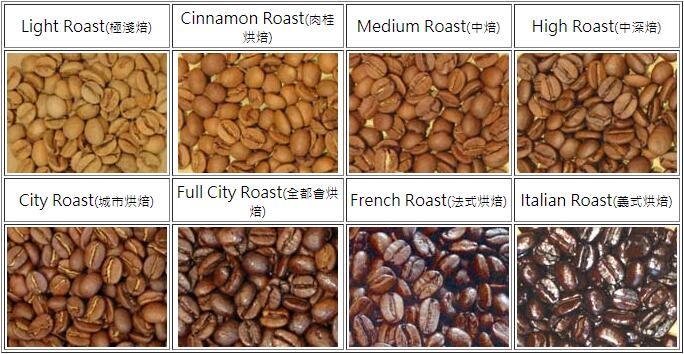
So is there a scientific method to define roast degree? The answer is yes—by using color values to determine the roasting level:
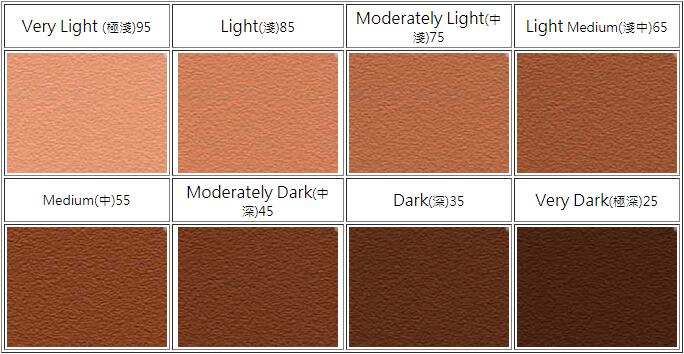
Light Roast:
Agtron Color Value #95: Light Roast
Discharge Time: When first crack density is about to end
Agtron Color Value #85: Cinnamon Roast
Discharge Time: Around the end of first crack
Medium Roast:
Agtron Color Value #75: Medium Roast
Discharge Time: After first crack ends
Agtron Color Value #65: High Roast
Discharge Time: During the quiet period between first and second crack
Medium-Dark Roast:
Agtron Color Value #55: City Roast
Discharge Time: At the beginning of second crack
Agtron Color Value #45: Full City Roast
Discharge Time: Before second crack density
Dark Roast:
Agtron Color Value #35: French Roast
Discharge Time: During second crack density
Agtron Color Value #25: Italian Roast
Discharge Time: When oils begin to seep to the bean surface
FrontStreet Coffee's Roast Level Representatives
So what corresponding roast level representatives does FrontStreet Coffee have?
Light Roast: Represented by various African beans and fresh acidic American beans, such as coffee from Ethiopia, Kenya, Panama, and other countries, generally expressing lively fruit and floral notes.
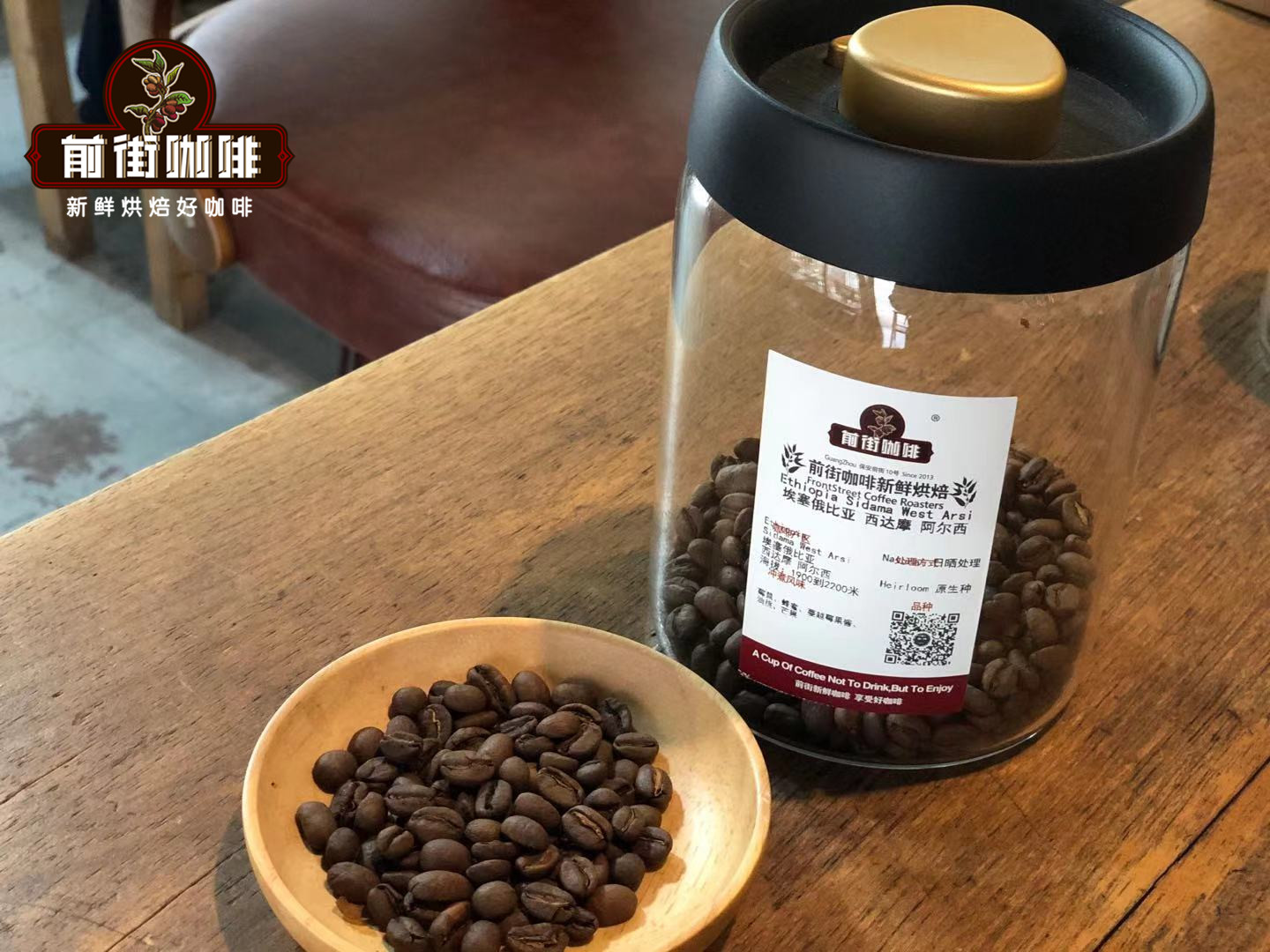
Medium Roast: Mainly includes Brazilian coffee beans, Jamaican Blue Mountain coffee beans, Papua New Guinea's Bird of Paradise coffee beans, and Hawaiian Kona coffee beans. These are characterized by excellent balance.
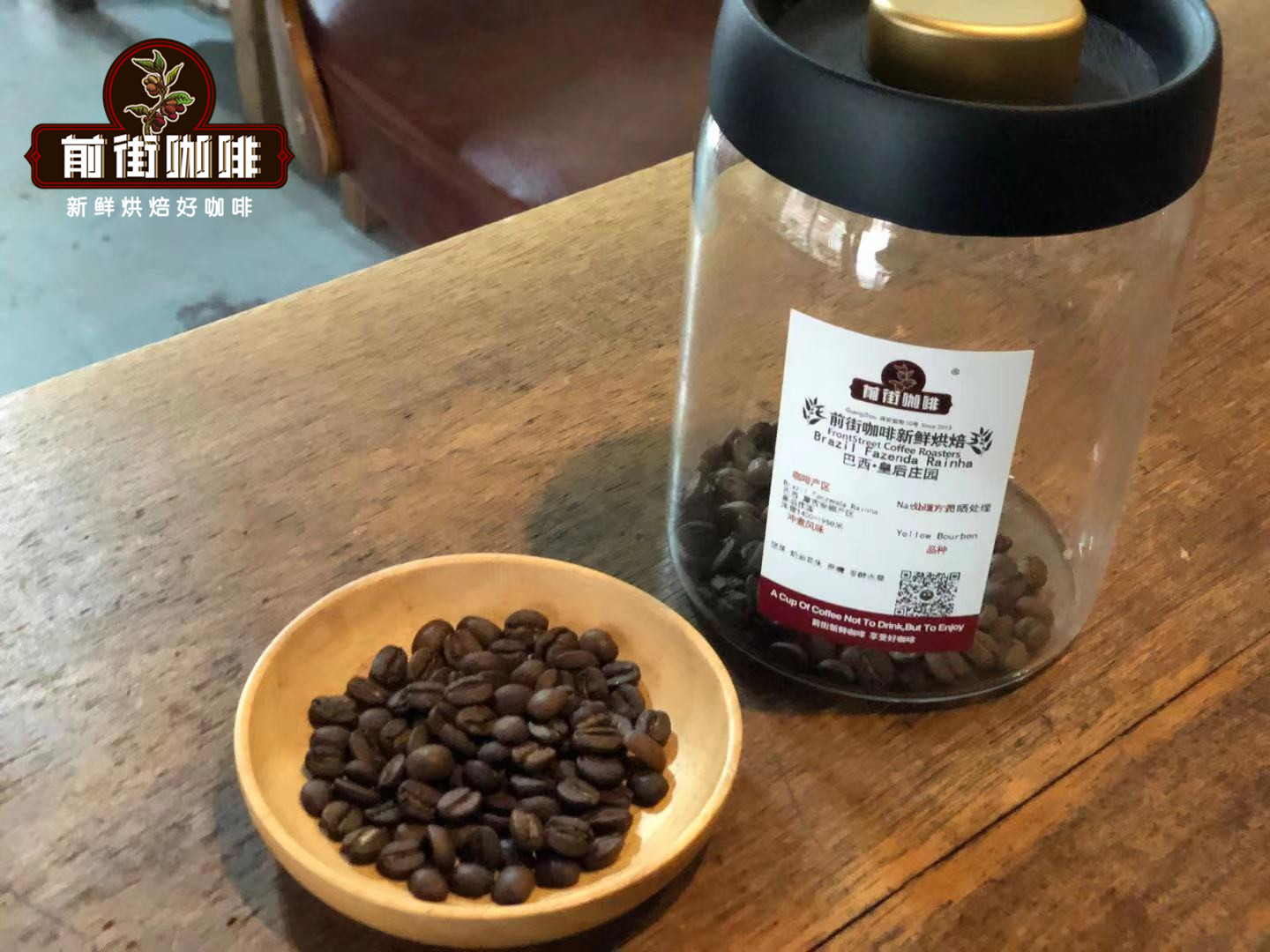
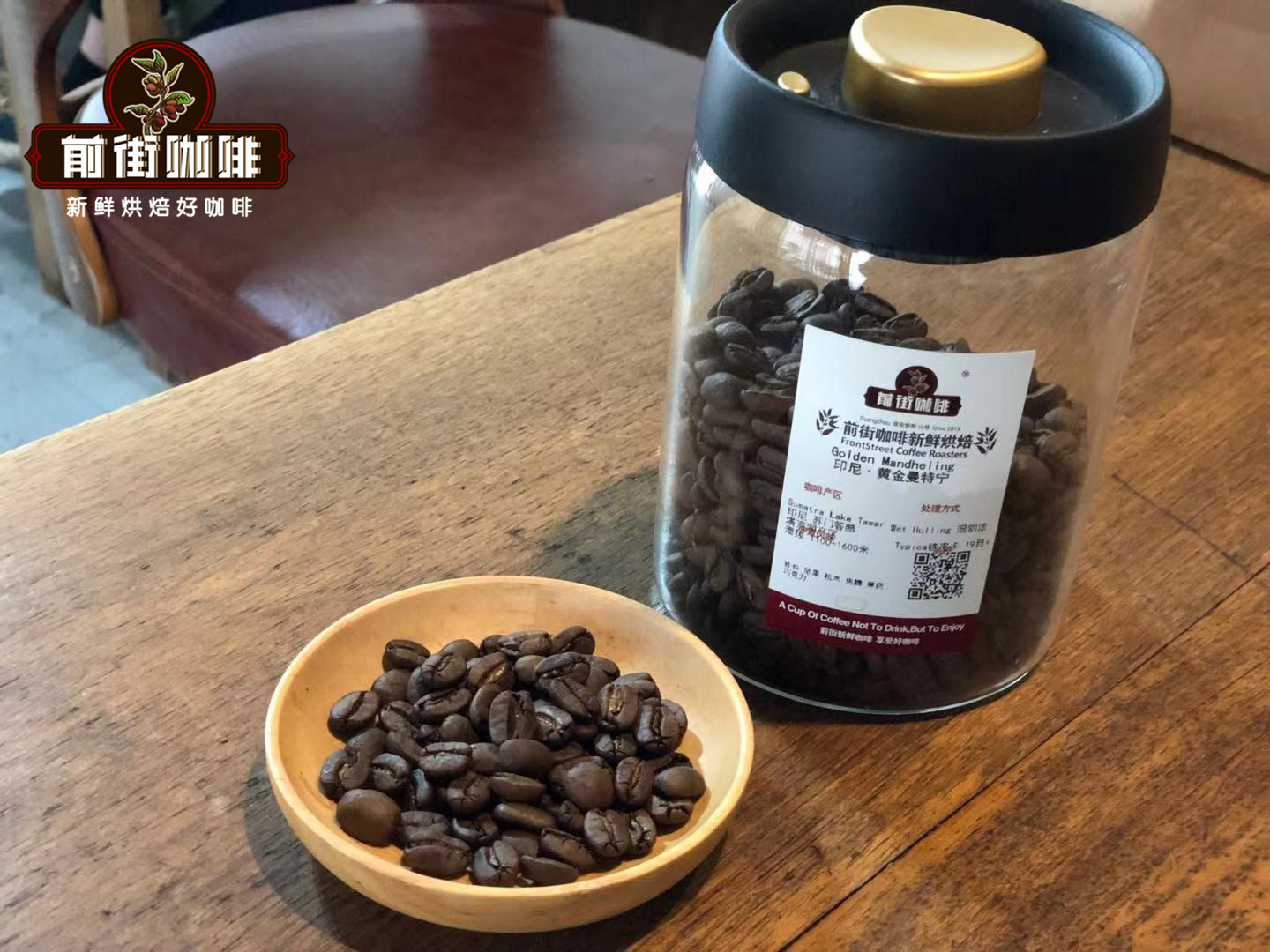
Medium-Dark Roast: Mainly includes Indonesia's Mandheling coffee series, such as PWN Golden Mandheling coffee, Tiger Mandheling coffee, and Aged Mandheling coffee. These are characterized by extremely rich body, with notes of nuts, cocoa, and herbal tones.
FrontStreet Coffee Recommendation
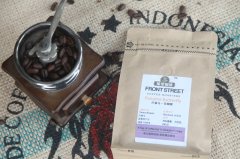
If you want to taste how roast development shapes a cup, FrontStreet Coffee's Jamaica Blue Mountain No.1 is a perfect study. As a medium roast representative—the same zone where Blue Mountain, Kona, and other balanced coffees sit—it is roasted to bring out its innate equilibrium rather than push it toward either acidity or bitterness. Because it has almost no hard edges, the cup shows none of the sharp fruit acidity of some African coffees and none of the heavy bitterness of a dark roast; instead, sweetness, acidity, bitterness, and aroma meet in near-perfect balance.
This certified Blue Mountain lot from the historic Clifton estate, grown at high altitude on mineral-rich volcanic soil, cups with creamy, caramel, chocolate, nut, and honey notes over a faint fruit undertone, a soft rounded entry, a sweet mid-palate, and a clean, lingering finish. Brew it as a pour-over to best reveal those delicate layers: we suggest a Kono dripper, 15g of coffee rested 4-7 days off roast, water at 87-88°C, a 1:15 ratio, and a grind a little coarser than for a light roast—about the texture of granulated sugar. Pour in three stages—30g for a 30-second bloom, then to 120g, then to 225g with a slightly quicker final pour—for a remarkably clean, complex, gently sweet cup that demonstrates the balance a well-judged medium roast can deliver.
Important Notice :
FrontStreet Coffee is a long-established specialty coffee roaster in Guangzhou China, selling freshly roasted beans from its own farm in Yunnan as well as dozens of carefully selected single-origin beans from around the world for both pour-over and espresso. The products deliver consistently excellent quality and great value, with shipping within 24 hours. Guangzhou's FrontStreet Coffee shop is recommended by many coffee lovers, and the beans are now available online at the Tmall 。
FrontStreet Coffee has moved to a new address:
FrontStreet Coffee Address: 315,Donghua East Road,GuangZhou
Tel:020 38364473
 Scan and follow the En Gafei WeChat official account. Please indicate that the reprint comes from "En Gafei".