What's the Difference Between Coffee Bean Grind Sizes? Which Coffee Equipment is Suitable for Different Grind Levels?
What Are the Differences in Coffee Bean Grind Coarseness?
What grind coarseness levels suit different brewing equipment? In this article, FrontStreet Coffee will guide you through how to determine coffee grind size. Regardless of which method we use to extract coffee, we must go through the grinding step, and different brewing methods require corresponding grind sizes.
Coffee grind size is a very tricky factor. Many problems that people encounter during brewing stem from an inaccurate grasp of grind size. Why is my coffee so light? Why does my coffee taste bitter? Is there something wrong with my brewing technique?
No - it is your grind size that is the problem. The grind size of coffee beans determines the dissolution rate of soluble flavor compounds in the coffee.
Of course, not all soluble substances in coffee are delicious. Therefore, to maximize the extraction of delicious flavor compounds while avoiding bad ones, determining the coarseness of the coffee particles becomes very important.
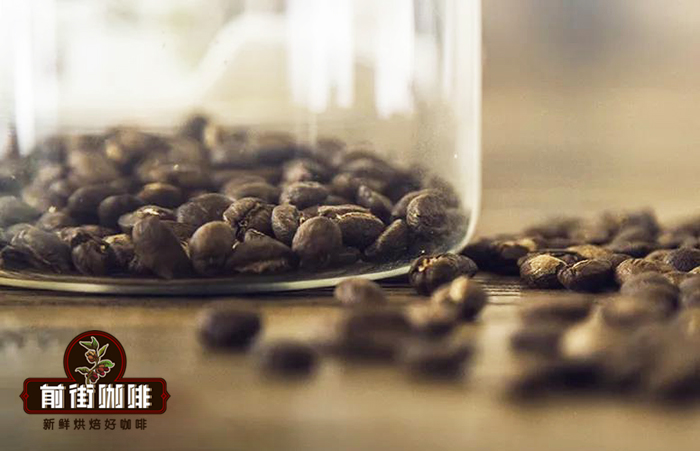
Coffee Grind Size
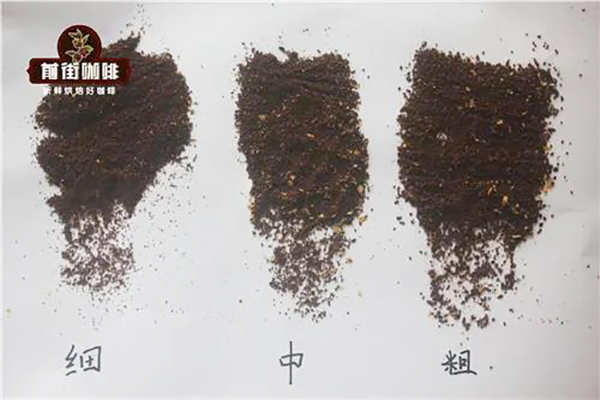
Coffee grind coarseness can be roughly divided into coarse grind, medium grind, fine grind, and the extremely fine grind required for espresso. The size of coffee particles is called particle size. For the same coffee beans, different particle sizes will result in significant changes in taste.
The larger the particles, the harder the components are to extract, making the coffee lighter and less likely to have off-flavors. Conversely, the finer the grind, the easier the components are to extract, making the coffee richer. However, since fine grinding easily produces bitterness, brewing technique matters when making pour-over coffee.
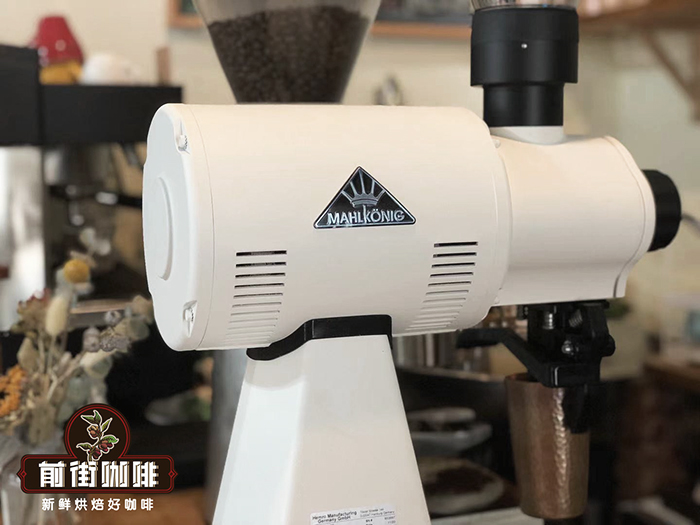
How to Determine Grind Coarseness
So how exactly do we determine the coarseness of the grind? It is difficult for our naked eyes to accurately observe the coarseness of coffee powder. Therefore, we need some tools to assist with calibration. FrontStreet Coffee uses a #20 (0.85mm) standard sieve for calibration.
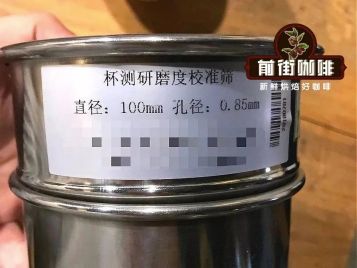
- FrontStreet Coffee grind size sieve pass rates: Cold drip > Pour-over/Siphon 80% > Mocha/American drip 75-80% > Cupping 70-75% > French press 65-70%
- FrontStreet Coffee chooses a #20 (0.85mm) standard sieve pass rate of 80% for light roast coffee grinding, and 70% for medium-dark roast.
How to Determine if Coffee Powder Coarseness Is Suitable for Your Brewing Method
FrontStreet Coffee conducts cupping for every new bean we receive. The main purpose of cupping is to determine flavors and to control coffee bean quality without interference from brewing technique. Since we use high-temperature steeping for coffee extraction, the grind size cannot be too coarse or too fine.
FrontStreet Coffee uses a grind size with a #20 sieve pass rate of 70-75% when cupping coffee.
Since cupping can rely on standard sieves for calibration to determine grind size, we can also use sieves to determine and calibrate other brewing methods (except espresso extraction).
Different Coffee Equipment Requires Different Coffee Grind Coarseness
Different coffee equipment uses different grind sizes due to differences in extraction methods. Taking the most commonly encountered pour-over coffee, French press, espresso machine, and cold brew/ice drip as examples, the coffee grind sizes used from coarsest to finest are [French press > Pour-over coffee > Cold brew/ice drip].
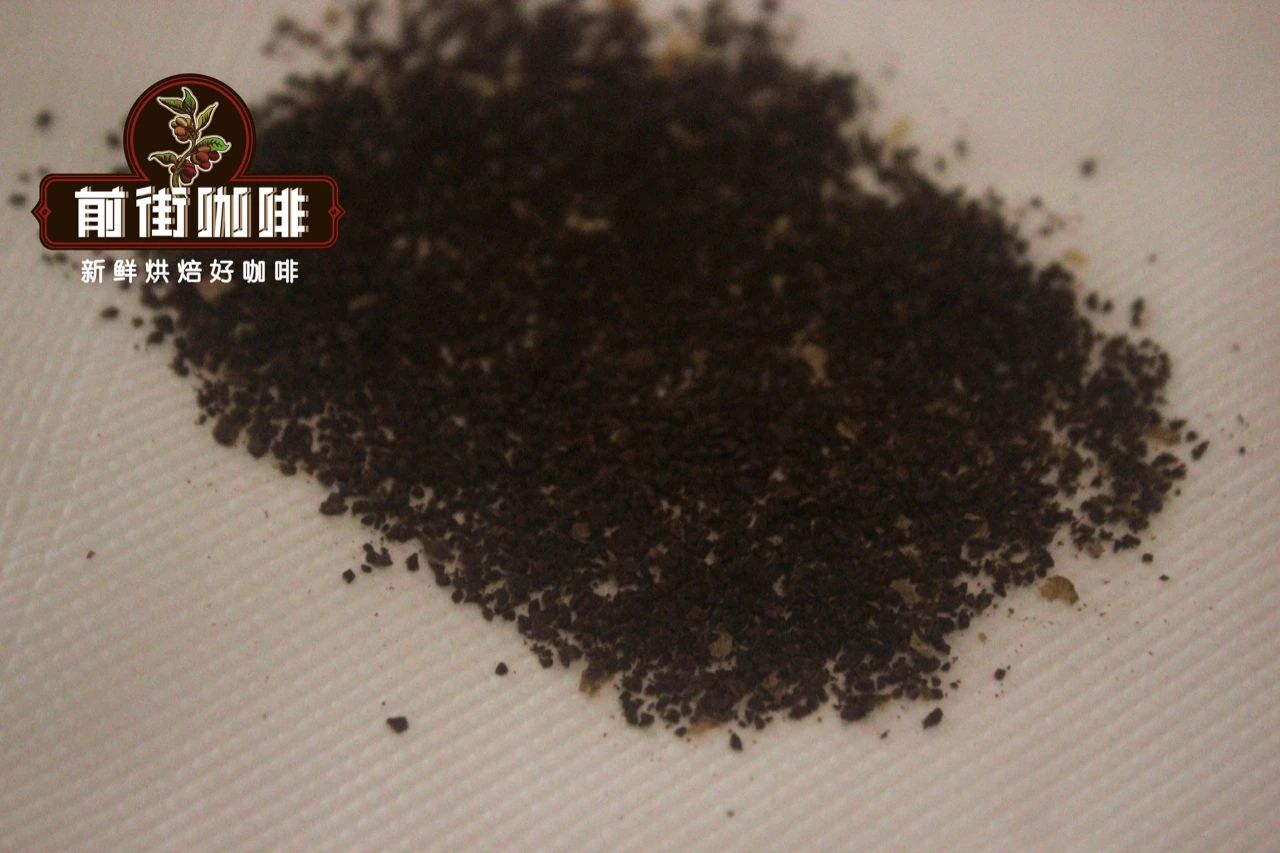
Due to differences in extraction water temperature, method, and time, we need to find the appropriate grind size for each extraction method to better extract coffee at a suitable concentration. However, since grinders do not have fixed scale values, the coarseness produced by each grinder will vary to some degree.
How to Use Coffee Grind Calibration Sieves
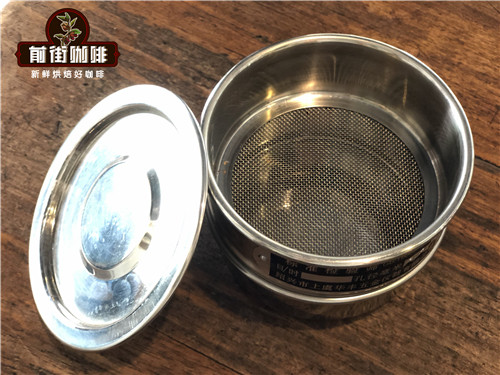
The aperture of the #20 Chinese standard sieve is 0.85mm, used as a tool for particle size classification and detection. As long as the standard sieve meets factory standards, it is accurate. Coffee grind calibration is also very simple: just pour the ground coffee powder into the sieve, cover it, shake it horizontally until no more particles fall through, then weigh the particles that passed through the sieve. This way, you will know the coarseness of the grind.
For example, if you grind 10g of coffee powder and 7.5g passes through, then this grind size has a #20 sieve pass rate of 75%. The higher the pass rate, the finer the coffee grind.
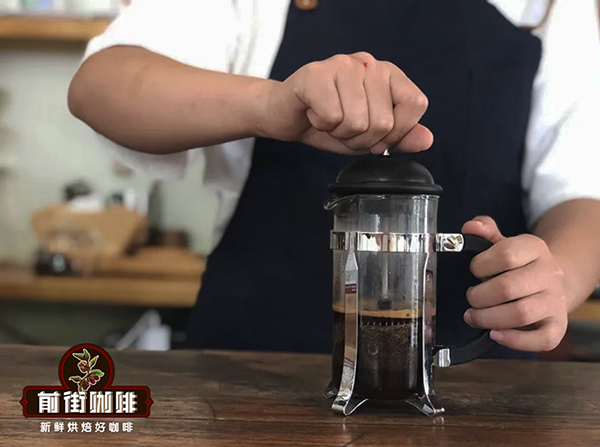
[Suitable for French Press] Coffee Powder Grind Coarseness:
#20 sieve pass rate of 68-75%
The French press extraction method is very similar to cupping - both are mainly steeping-based, so the chosen grind size highly overlaps with cupping. There is another reason for choosing coarser particles: because French press filtration uses a metal filter with visible gaps, choosing coarser also gives better filtration.
Different roast levels of coffee beans call for different grind sizes. FrontStreet Coffee suggests that medium-light roast coffee beans (with acidity) can use a medium grind (pass rate 72-75%), while medium-dark roast coffee beans (with little acidity) can use a medium-coarse grind (pass rate 68-71%).
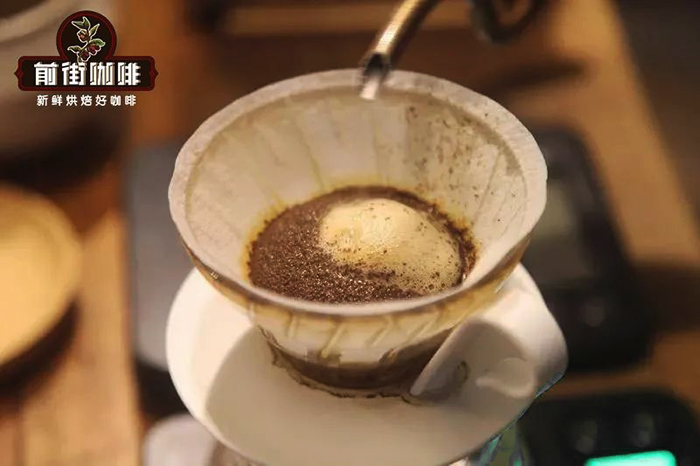
[Suitable for Pour-over Extraction] Coffee Powder Grind Coarseness:
#20 sieve pass rate of 70-80%
Pour-over coffee is mainly drip-filtered. Unlike steeping, which takes a long time and can easily extract bad flavors, pour-over brewing time is short, approximately 1 minute 30 seconds to 2 minutes 30 seconds. Therefore, a finer grind than cupping is needed to fully express the coffee's flavors.
FrontStreet Coffee suggests that medium-light roast coffee beans (with acidity) can use a medium-fine grind (pass rate 75-80%), while medium-dark roast coffee beans (with little acidity) can use a medium grind (pass rate 70-75%).
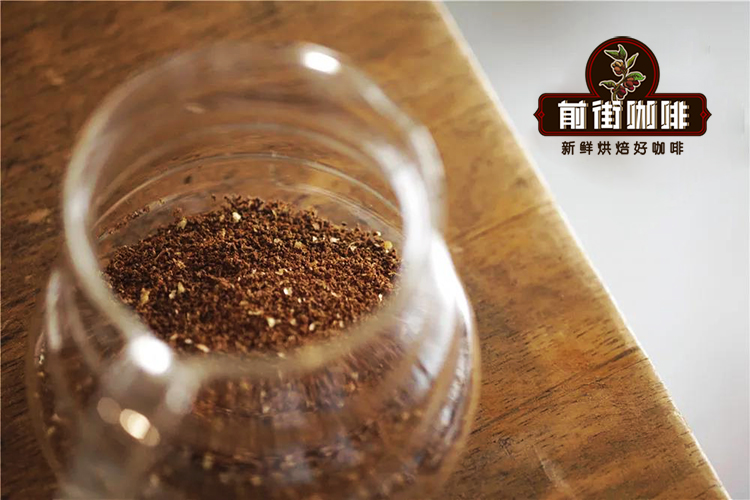
[Suitable for Cold Brew/Ice Drip] Coffee Powder Grind Size:
#20 sieve pass rate of 75-80%
Unlike pour-over and French press, cold brew/ice drip uses low-temperature steeping extraction. Low-temperature extraction produces far fewer bitter substances. By extending extraction time and fully soaking the coffee powder, it is easier to extract small-molecule flavor compounds such as floral and fruit aromas.
However, since both types of coffee require long extraction times, if the grind is too fine, cold brew coffee will become cloudy and easily develop woody flavors, while ice drip will experience powder-layer accumulation or blockage. FrontStreet Coffee suggests that both medium-light roast and medium-dark roast coffee beans can use a medium-fine grind with a pass rate of 80-85% (that is, using 10g of coffee powder for sieving, 8g passes through).
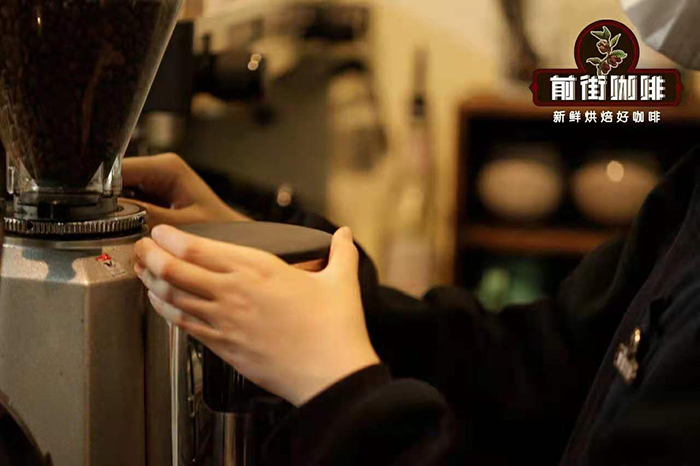
[Suitable for Espresso Machine] Coffee Powder Grind Size:
This cannot be calibrated with sieves because it is too fine.
FrontStreet Coffee's shop needs to adjust espresso before daily business, and a large part of this involves adjusting the grind size. Since espresso machines are very sensitive to coffee powder coarseness, even a 0.1 difference in grind scale can result in different extraction times and flavors.
Taking FrontStreet Coffee as an example, our espresso extraction recipe is 20g of coffee powder to extract 40g of coffee liquid in 28 seconds (with a margin of ±1). First, we fix this extraction recipe, then adjust the grind size to achieve it. After that, we decide whether parameters need fine-tuning through taste testing.
FrontStreet Coffee Recommendation
Grind size is the lever that turns the same bean into completely different cups, and espresso is where it matters most. FrontStreet Coffee's espresso blends are built for that sensitivity: the Classic Blend delivers abundant, creamy crema with a traditional Mamba-style profile, while FrontStreet Coffee's Premium Blend pairs Brazilian and Colombian beans for a nutty, chocolatey base. For a budget-friendly commercial option, FrontStreet Coffee's Black Cocoa Blend is 100% Arabica with rich body and a friendly price.
Important Notice :
FrontStreet Coffee is a long-established specialty coffee roaster in Guangzhou China, selling freshly roasted beans from its own farm in Yunnan as well as dozens of carefully selected single-origin beans from around the world for both pour-over and espresso. The products deliver consistently excellent quality and great value, with shipping within 24 hours. Guangzhou's FrontStreet Coffee shop is recommended by many coffee lovers, and the beans are now available online at the Tmall 。
FrontStreet Coffee has moved to a new address:
FrontStreet Coffee Address: 315,Donghua East Road,GuangZhou
Tel:020 38364473
 Scan and follow the En Gafei WeChat official account. Please indicate that the reprint comes from "En Gafei".